Artwork
Man Standing at a Window
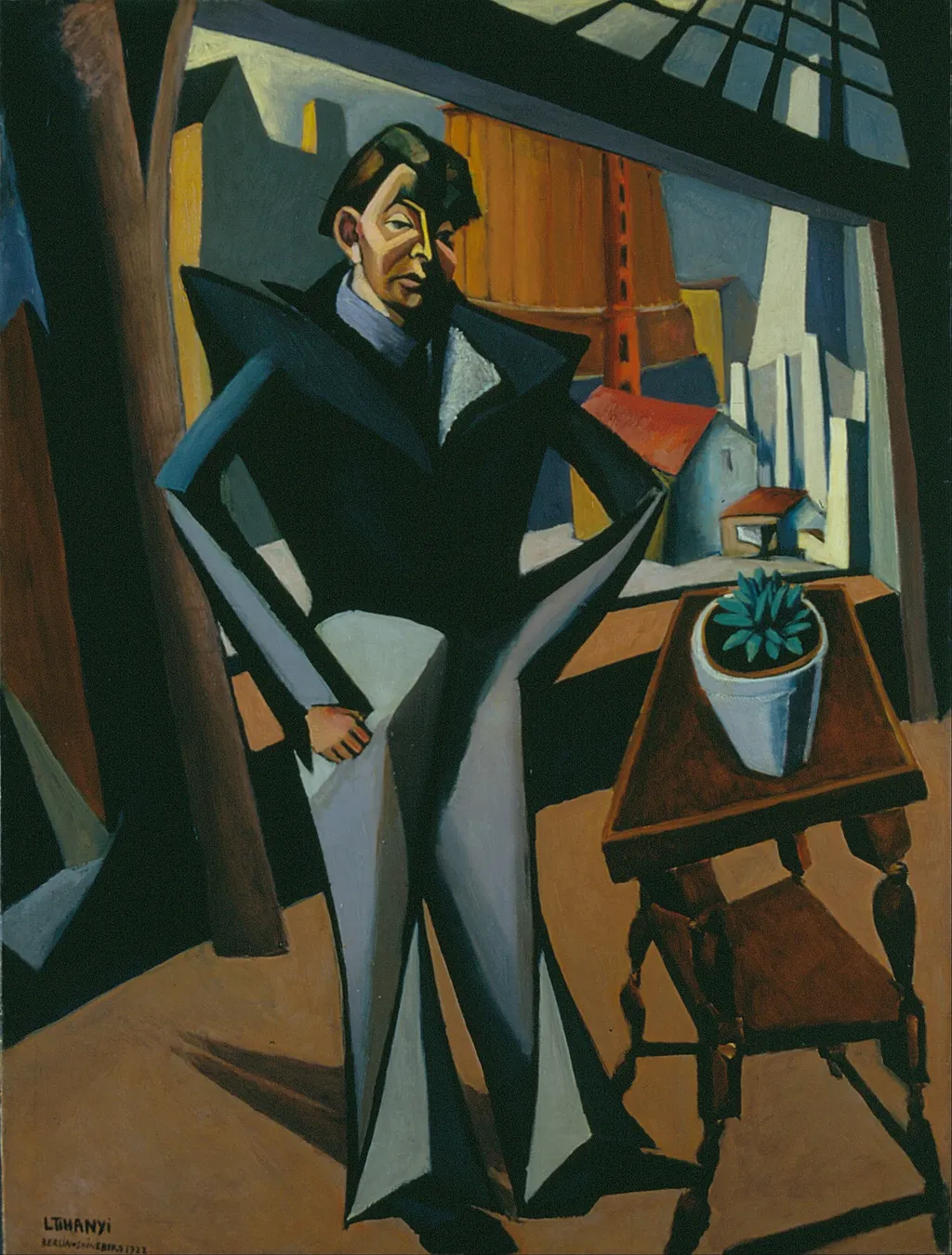
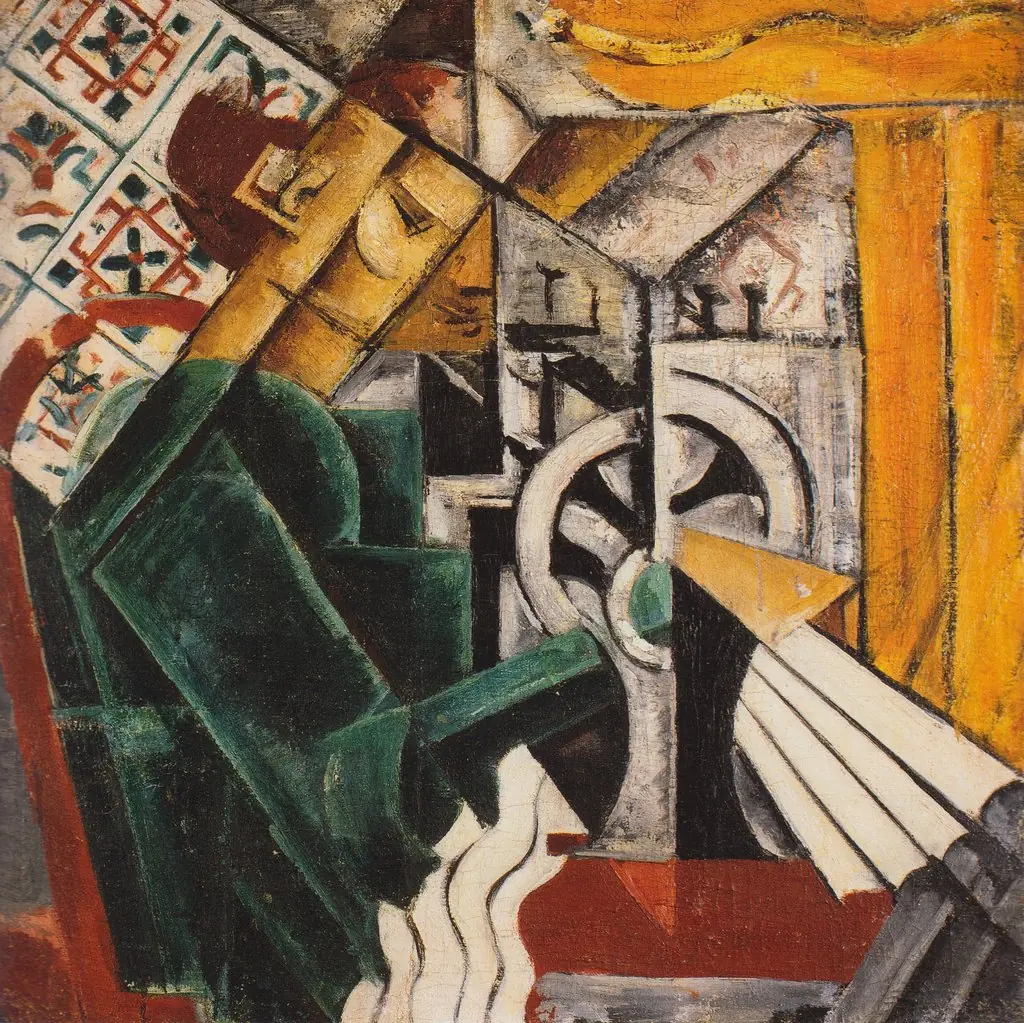
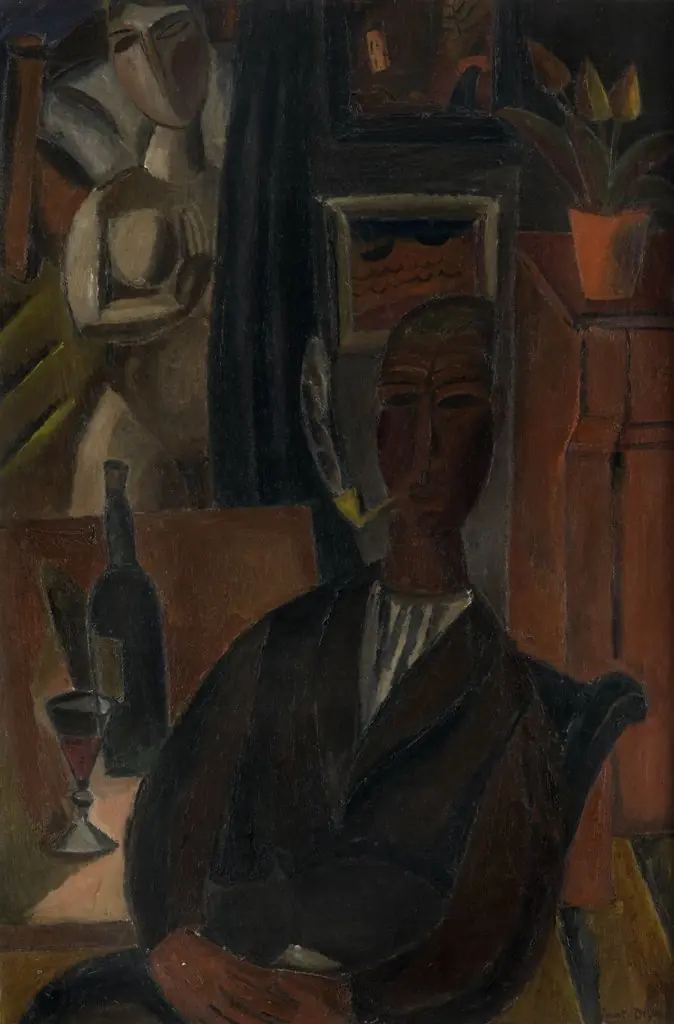
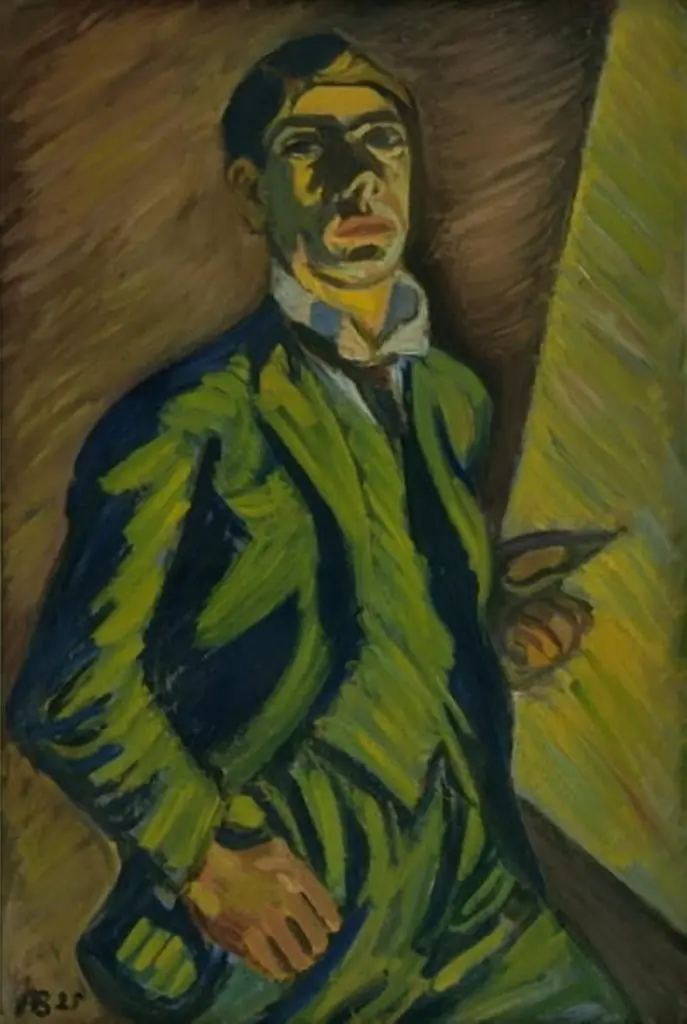
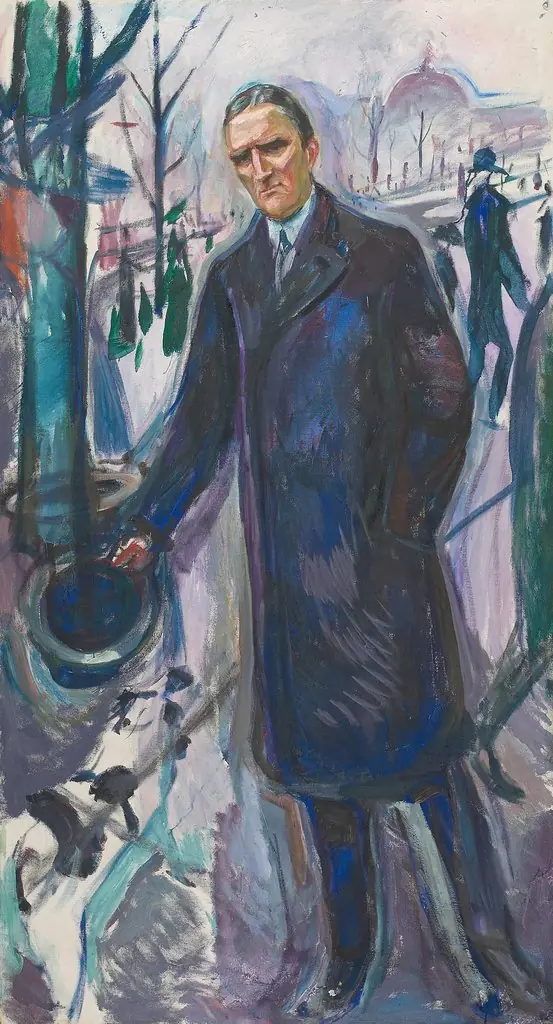
Man Standing at a Window is an oil painting by Lajos Tihanyi. It dates from 1922 and is held in the collection of the Hungarian National Gallery.
About this work
Overview
Painted in 1922, *Man Standing at a Window* is an oil work by Hungarian artist Lajos Tihanyi, created during his years in Paris after leaving Hungary in 1919.
Painted in 1922, *Man Standing at a Window* is an oil work by Hungarian artist Lajos Tihanyi, created during his years in Paris after leaving Hungary in 1919. The piece reflects his engagement with modernist trends while retaining a personal, introspective tone. It is part of the Hungarian National Gallery’s collection, representing a key moment in his transition from early Hungarian avant-garde circles to broader European modernism.
Subject & Meaning
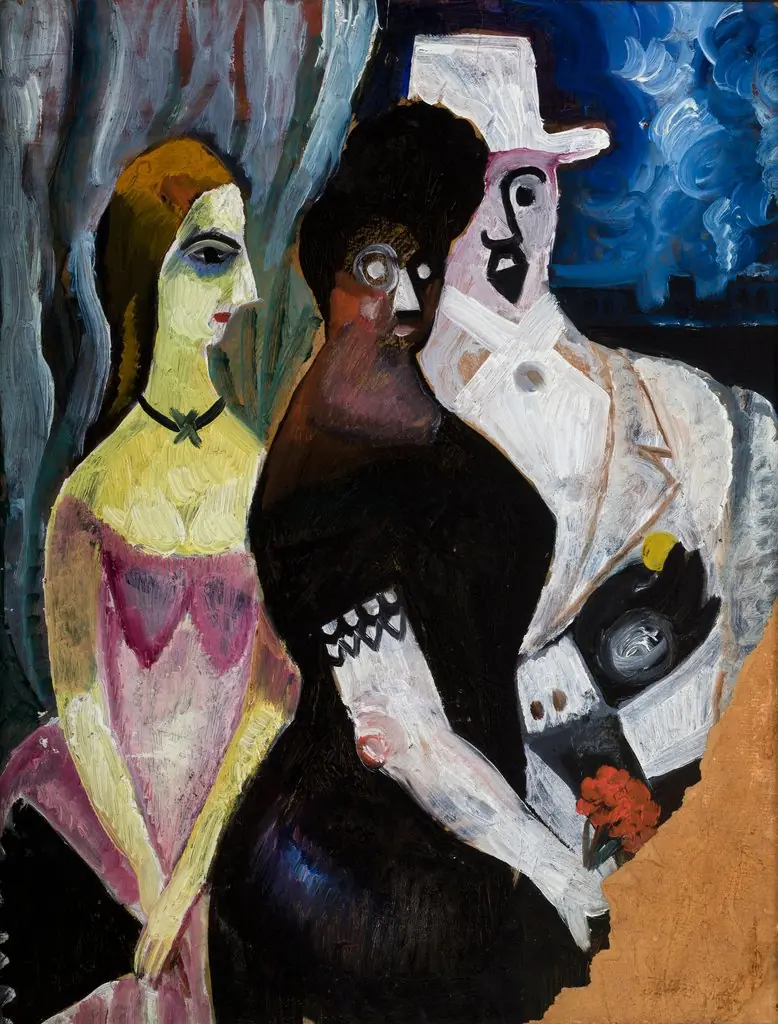
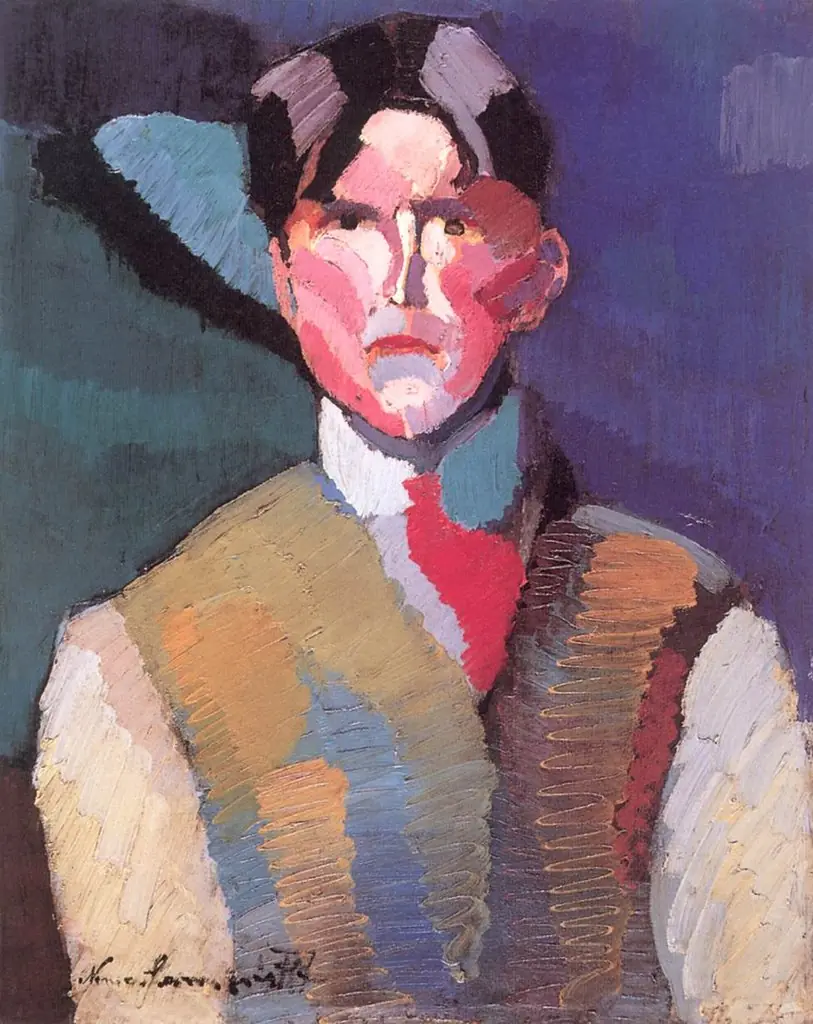
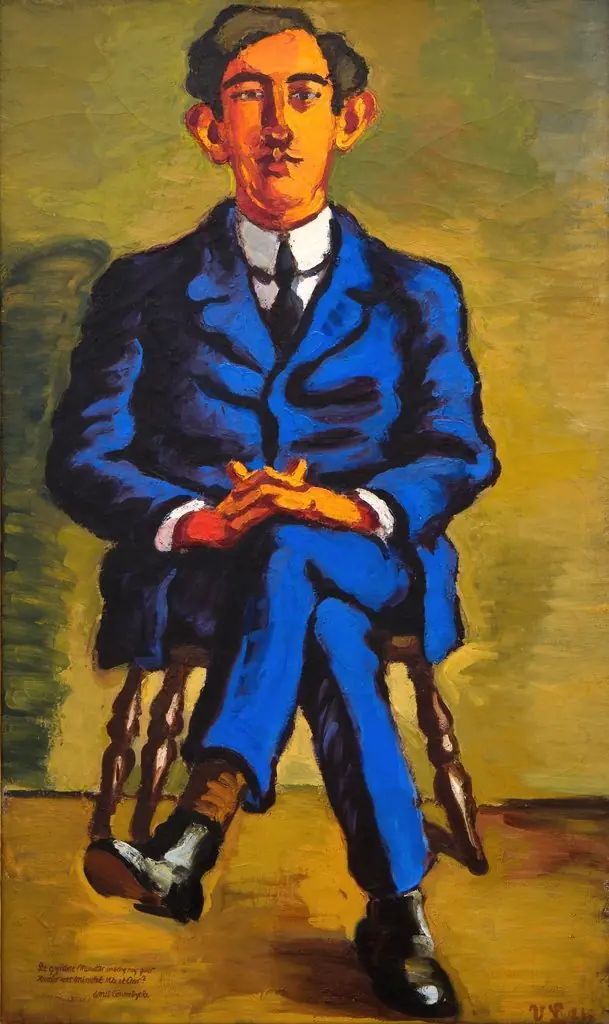
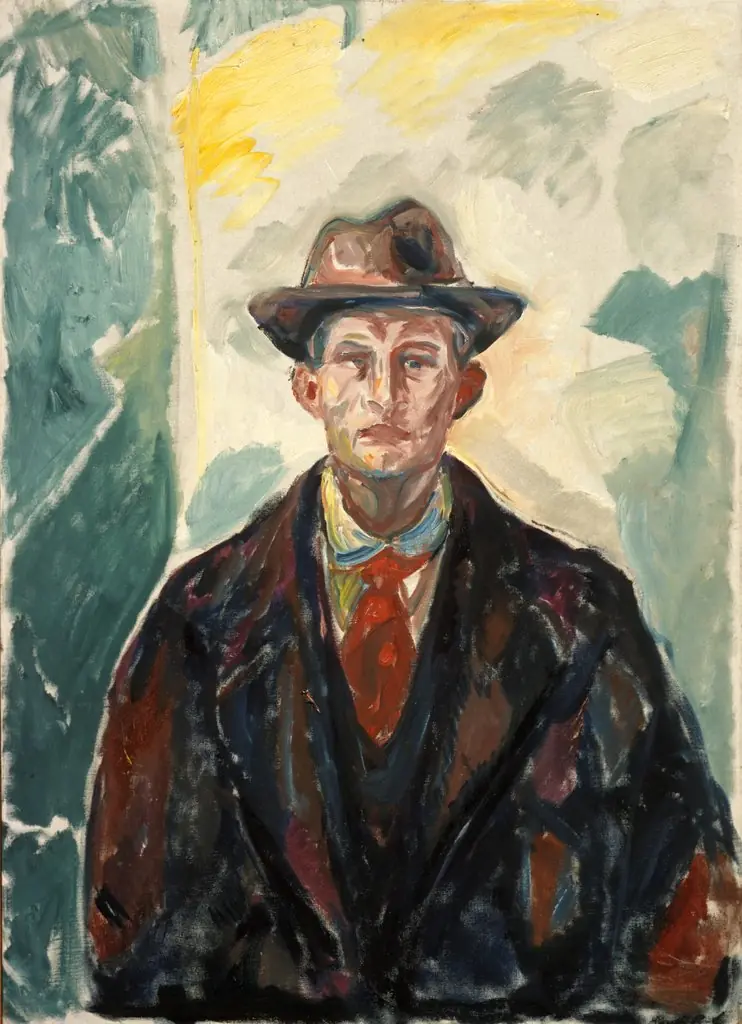
The painting depicts a solitary man positioned before a window, his back partially turned to the viewer. He is dressed in dark upper garments against lighter trousers, suggesting a quiet, everyday moment. The dim interior and the unseen exterior beyond the window evoke a sense of contemplation or isolation. The presence of a small potted plant on a nearby table introduces a fragile note of life, contrasting with the figure’s stillness.
Technique & Style
Tihanyi employs bold, expressive brushwork and a restrained yet vivid palette to model form and space. Light falls unevenly across the room, casting sharp shadows that define the architecture and the figure’s silhouette. The handling of tone and texture shows influence from Post-Impressionism and early Expressionism, with an emphasis on emotional resonance over realistic detail. Chiaroscuro is used not for dramatic effect, but to deepen psychological atmosphere.
History & Provenance
Tihanyi painted this work after relocating to Paris, where he distanced himself from the nationalist currents of Hungarian art. His earlier ties to The Eight, a radical Hungarian group promoting Post-Impressionist aesthetics, informed his approach, but his Paris years introduced greater formal experimentation. The painting remained in private hands before entering the Hungarian National Gallery’s collection, where it now serves as a testament to his transnational artistic journey.
Context
In the early 1920s, European artists were redefining representation amid political upheaval and cultural realignment. Tihanyi’s work, though less known internationally, aligned with broader trends in Parisian modernism that valued emotional intensity and structural simplification. His shift from Neoimpressionist precision to looser, more subjective brushwork mirrored a wider rejection of academic naturalism across Central Europe.
Legacy
Though Tihanyi never achieved widespread fame, his oeuvre, including *Man Standing at a Window*, remains a significant example of Hungarian modernism’s engagement with international styles. The painting illustrates how artists from smaller national contexts adapted avant-garde techniques to express personal and existential themes. It continues to be studied for its synthesis of regional identity and cosmopolitan technique.
Own this work as a print
Artist & collection
Artist
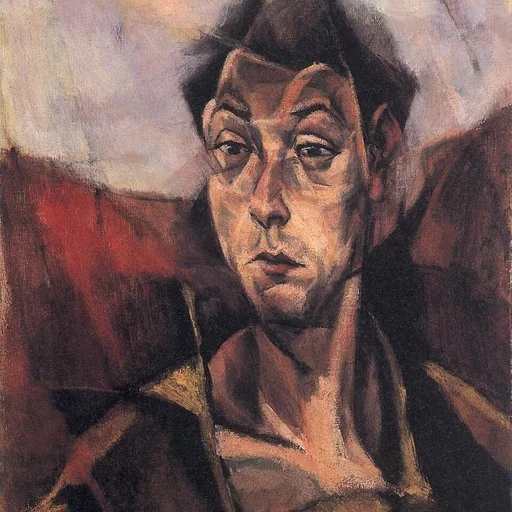
Lajos Tihanyi (29 October 1885 – 11 June 1938) was a Hungarian painter and lithographer who achieved international renown working outside his country, primarily in Paris, France.