Artwork
Zhi and Xu's Pure Conversation
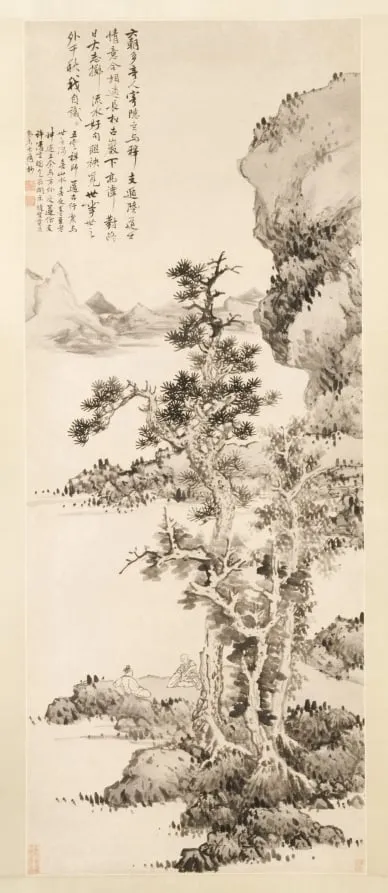
Zhi and Xu's Pure Conversation is an unspecified painting by the Baroque artist Lan Ying. It dates from 1643 and is held in the collection of the Cleveland Museum of Art.
About this work
This painting was a gift from Lan Ying to a monk friend in 1643, a year before the Ming dynasty fell.
You see two old men sitting under pine trees, talking quietly.
This painting was a gift from Lan Ying to a monk friend in 1643, a year before the Ming dynasty fell. The men aren’t just random—they’re ancient sages, meant to stand in for the artist and his friend. It’s like a private joke, or a wish for calm in a time of chaos.
If you like this, look up *china, ming dynasty (1368–1644)* for more paintings from this time.
Overview
Lan Ying’s 1643 ink painting presents two elderly figures seated beneath pine trees, engaged in quiet conversation. The work, rendered in the brushwork characteristic of the late Zhe school, functions as a personal gift to the Chan monk Wuyun. Its composition balances restrained landscape elements with the intimate portrayal of the two interlocutors, inviting viewers into a contemplative scene.
Subject & Meaning
The two men depicted are historical sages from the Six Dynasties era: the Buddhist monk Zhidun (314–366) and the Daoist priest Xu Xun (265–420). By selecting these figures, Lan creates an allegorical parallel between the sages’ timeless dialogue and the friendship he shares with his monastic patron, suggesting a shared pursuit of spiritual and intellectual harmony.
Technique & Style
Executed with delicate ink washes and precise line work, the painting reflects the late Zhe school’s emphasis on literati aesthetics. Lan’s brush strokes convey the texture of pine bark and the subtle folds of the robes, while the sparse background underscores the figures’ prominence. Poetic inscriptions added by the artist integrate calligraphic art with the visual narrative.
History & Provenance
Commissioned as a personal present for monk Wuyun, the work dates to 1643, the year preceding the collapse of the Ming dynasty. Lan Ying, a Hangzhou-born painter, was among the final exponents of the Zhe school, and his connections with contemporary scholars such as Chen Jiru (1558–1639) situate the painting within a network of elite cultural exchange.
Context
Created during a period of political instability, the painting offers a nostalgic retreat into an earlier epoch of relative stability. By invoking revered figures from the Six Dynasties, Lan subtly comments on the desire for continuity and calm amid the looming dynastic transition, reflecting broader literati concerns of the late Ming era.
Artist & collection
Artist
Lan Ying grew up in the southeastern city of Hangzhou, where misty mountains roll into the sea.

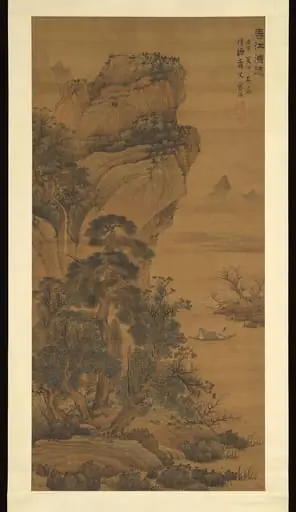 明 藍瑛 春江漁隱圖 軸|Hermit-Fisherman on a Spring River
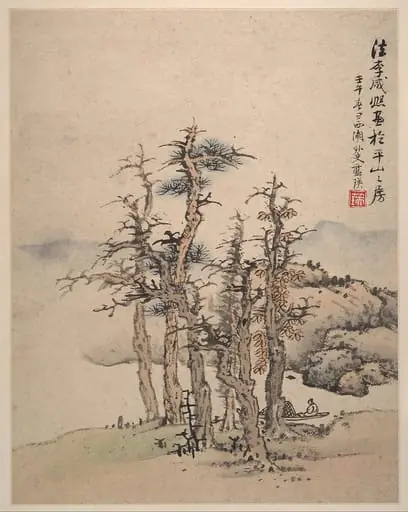 明 藍瑛 仿宋元山水圖 冊|Landscapes after Song and Yuan masters
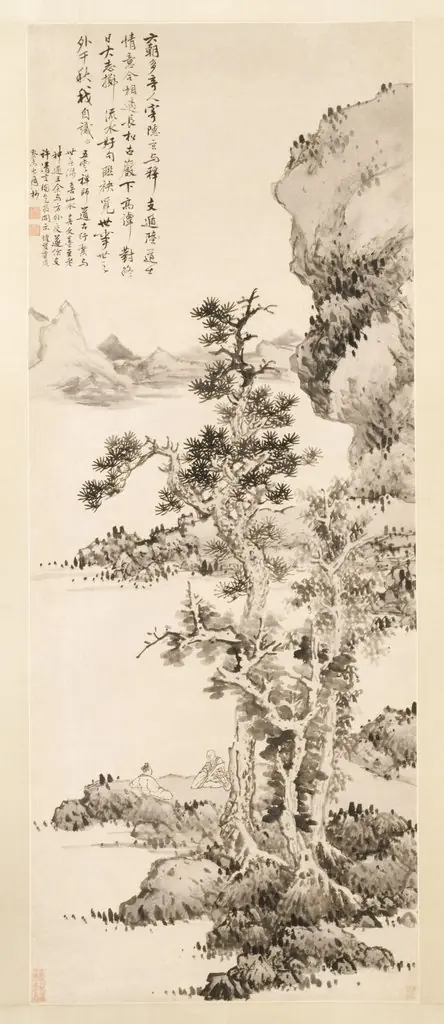 Zhi and Xu's Pure Conversation
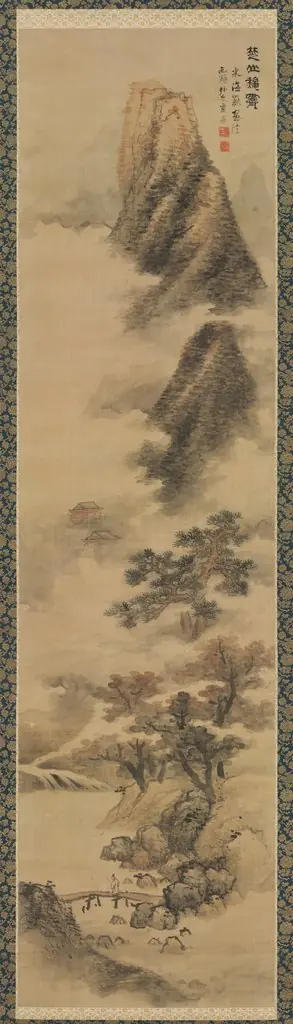 Clearing Autumn Mists in the Chu Mountains
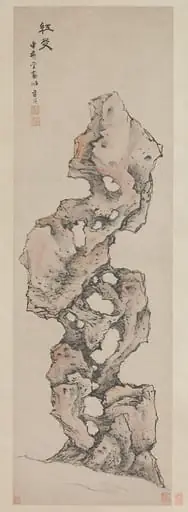 明 藍瑛 紅友圖 軸|Red Friend
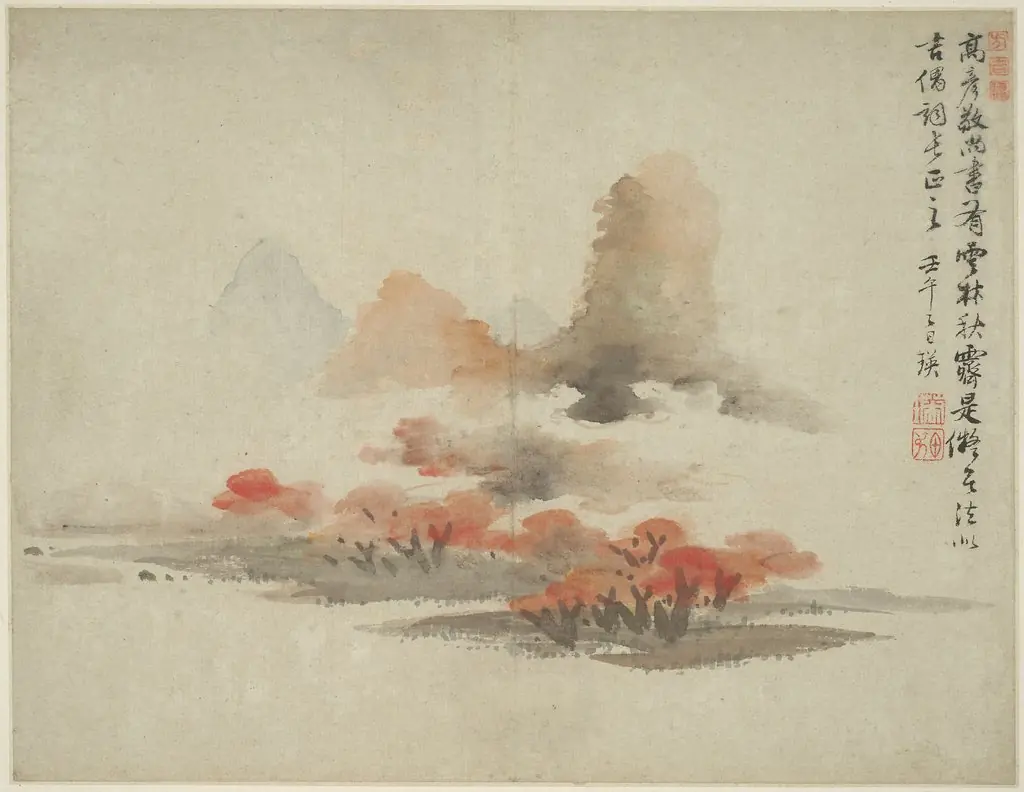 Landscape in the Style of Ancient Masters: after Gao Kegong (1248-1310)
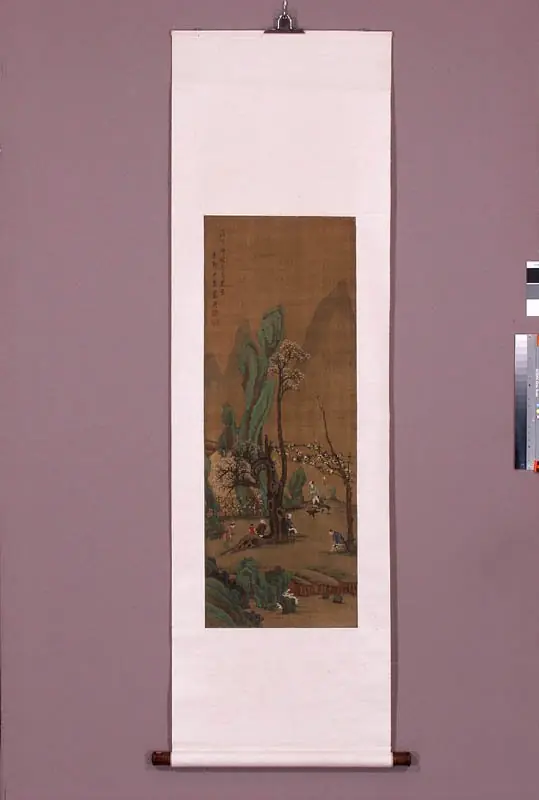 Wieśniacy odpoczywający nad potokiem
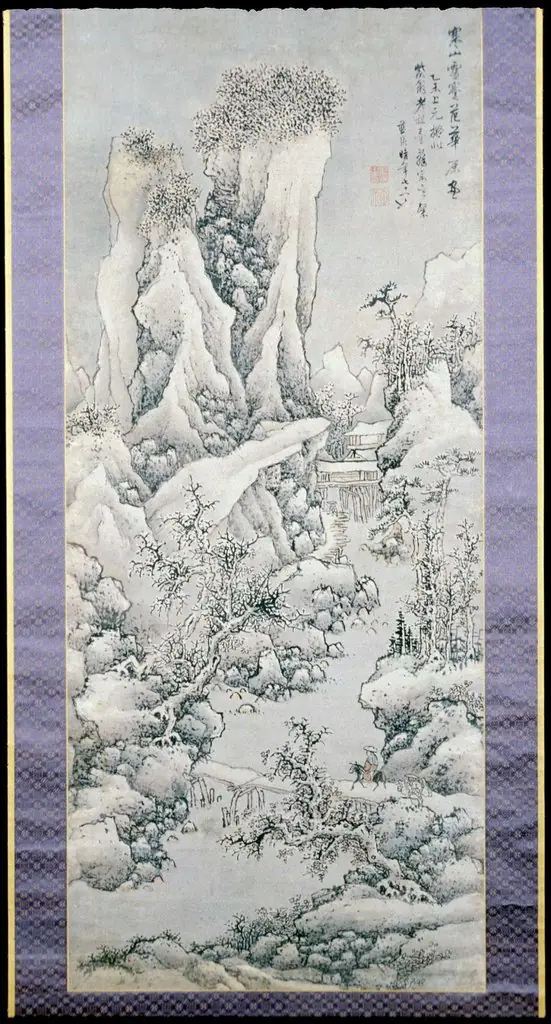 Cold Mountains and Snowy Peaks
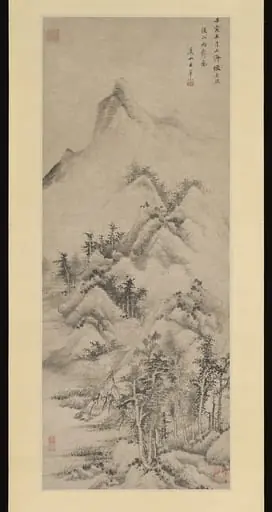 清 王翬 溪山雨霽圖 軸|Clearing after Rain over Streams and Mountains
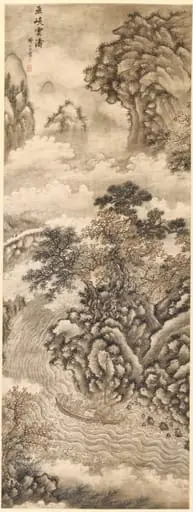 Clouds and Waves at the Wu Gorge
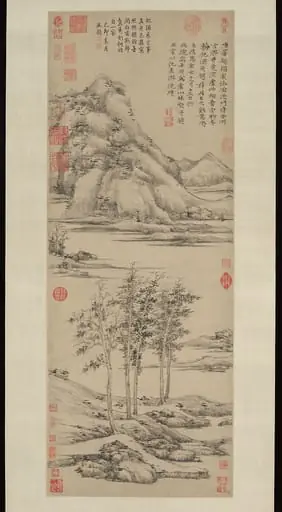 元 倪瓚 虞山林壑圖 軸|Woods and Valleys of Mount Yu
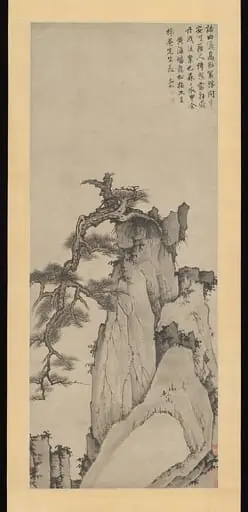 清 倣弘仁 黃山蟠龍松圖 軸|Dragon Pine on Mount Huang
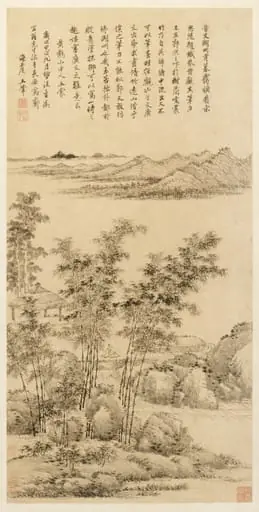 Tall Bamboo and Distant Mountains, after Wang Meng
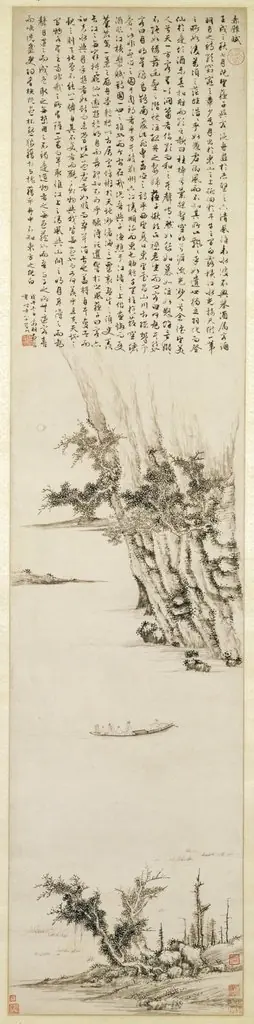 The First Prose Poem on the Red Cliff
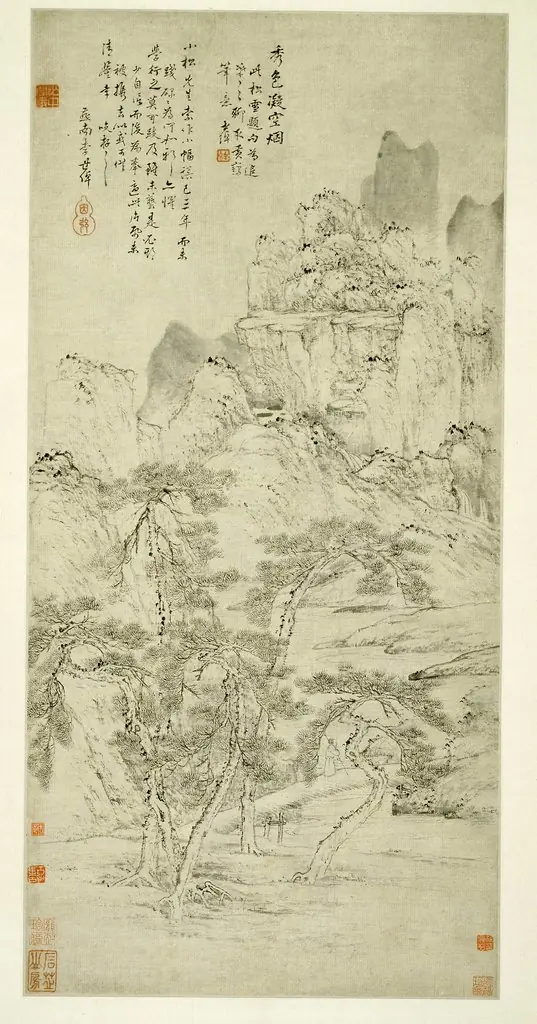 Landscape: Beautiful Scenery Frozen in Mist
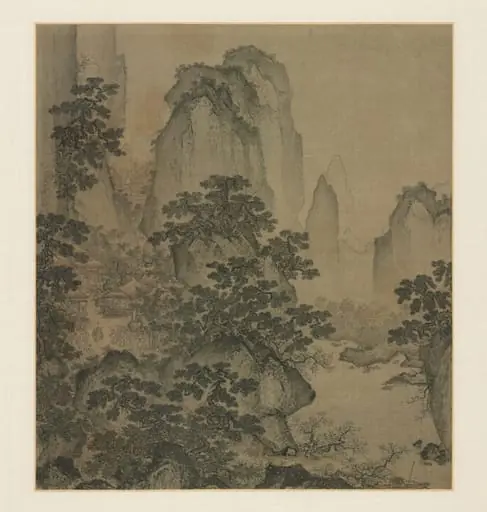 The Haven of the Peach-Blossom Spring
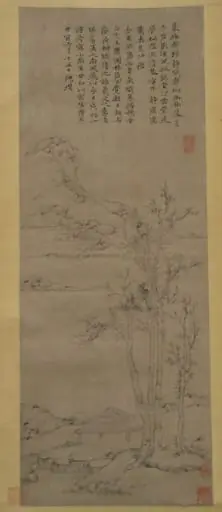 明/清 佚名 倣倪瓚 樂圃林居圖 軸|Landscape after Ni Zan (1306–1374)