Artwork
Fantasy Sequence
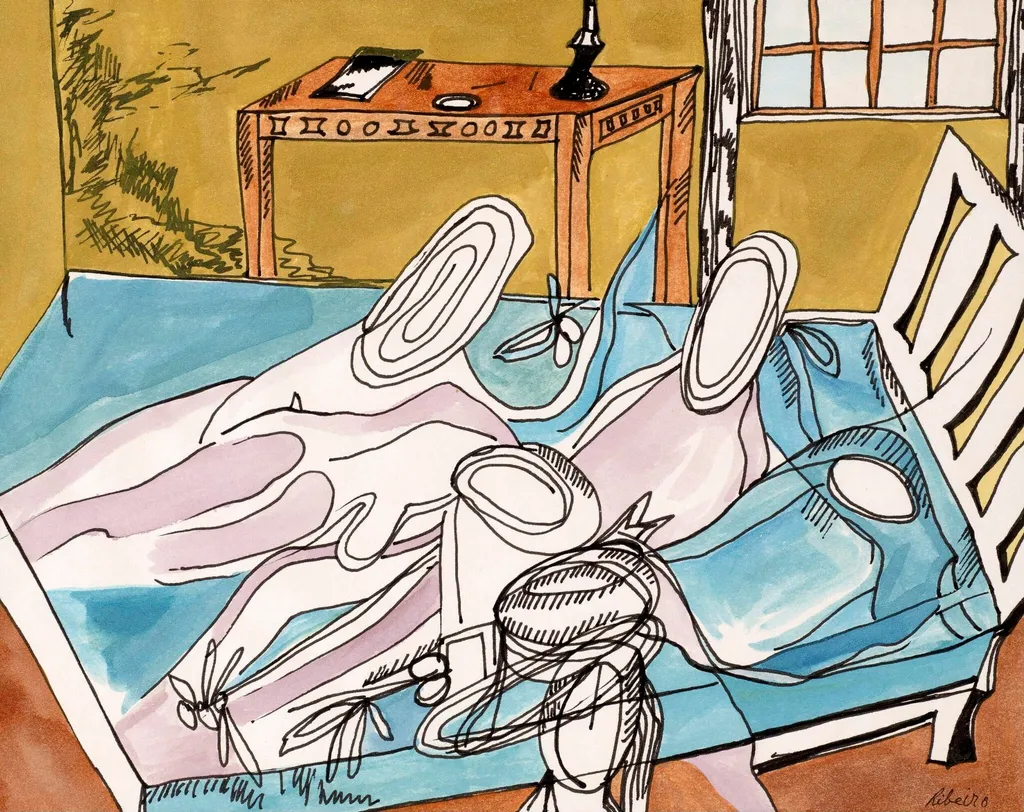
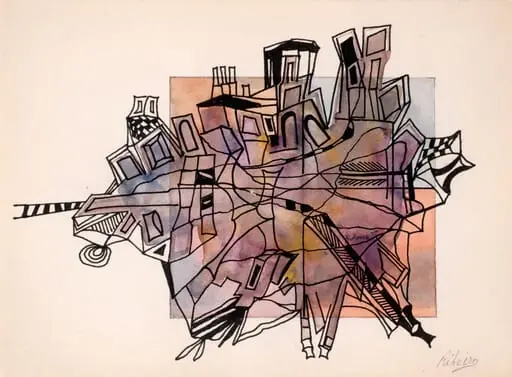
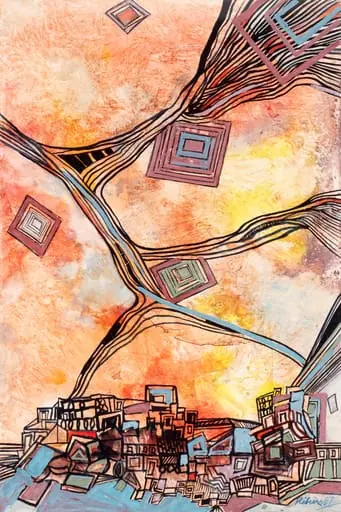
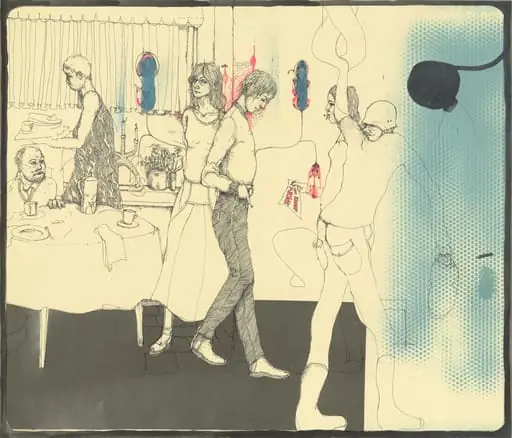
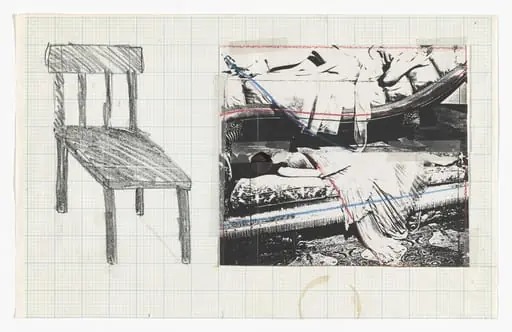
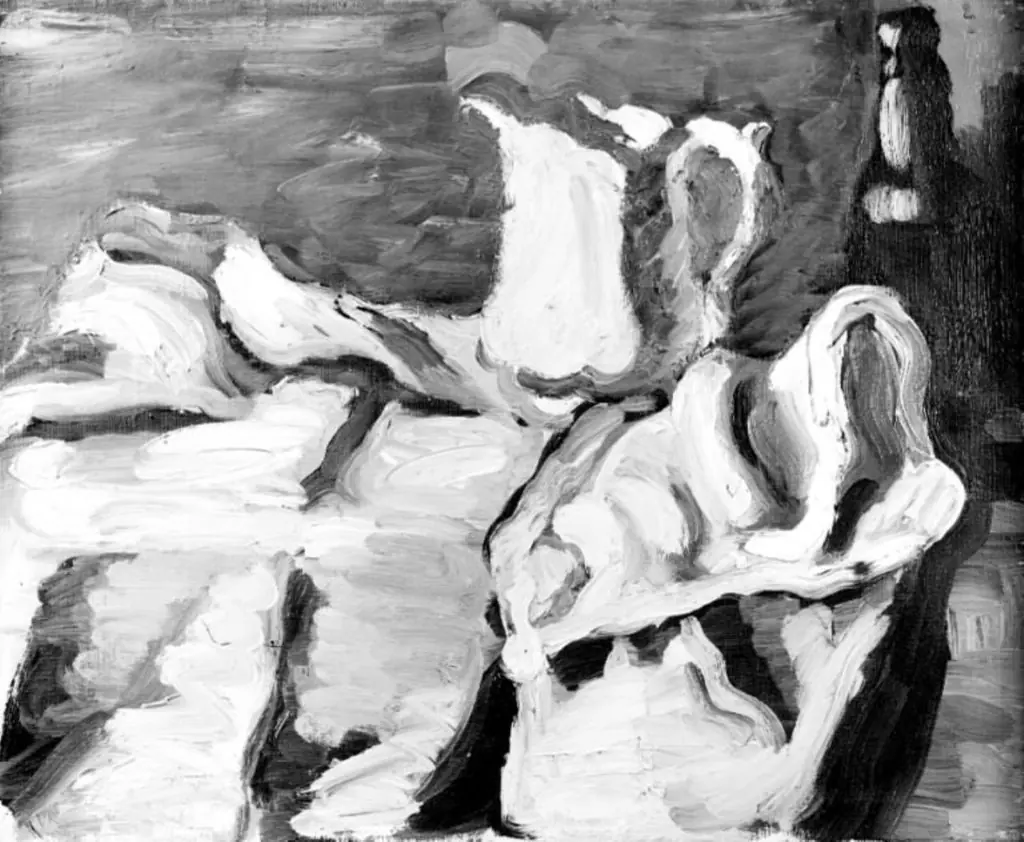
Fantasy Sequence is a paint painting by the Post-Impressionist artist Lancelot Ribeiro. It dates from 1965 and is held in the collection of the Victoria and Albert Museum.
About this work
Overview
Painted in 1965, this work by Lancelot Ribeiro belongs to a phase in which he explored abstraction through non-traditional materials.
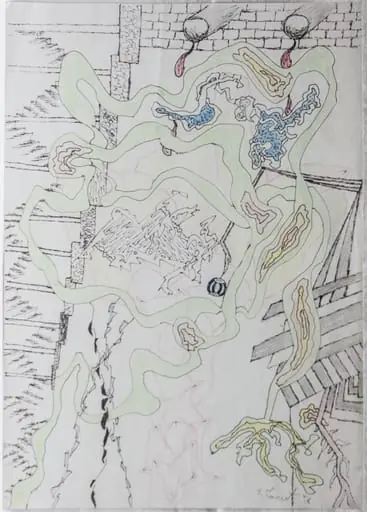
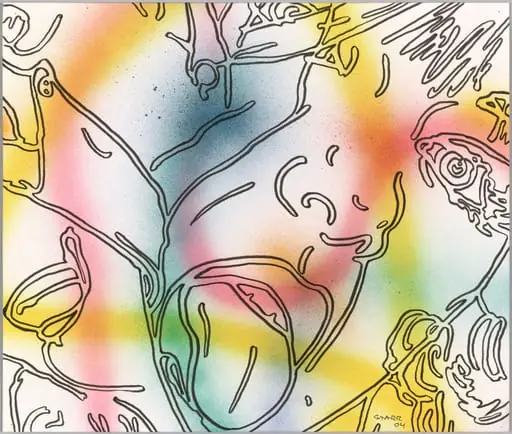
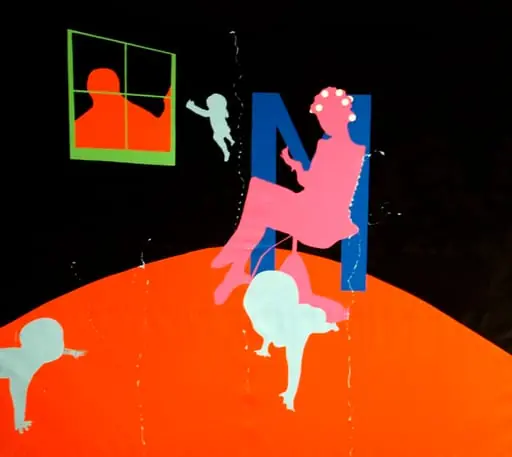
Painted in 1965, this work by Lancelot Ribeiro belongs to a phase in which he explored abstraction through non-traditional materials. Using polyvinyl acetate, he achieved a fluid, luminous surface that contrasted with his earlier, more somber palette. The composition presents a dreamlike interior space populated by loosely rendered figures, suggesting movement and psychological tension rather than narrative clarity.
Subject & Meaning
The painting portrays a private, interior moment with three or four indistinct figures, one reclining in the foreground. Their forms are simplified, with bold outlines and minimal facial detail, emphasizing emotional resonance over realism. The scene evokes introspection or reverie, possibly reflecting the artist’s interest in inner states and the intersection of personal memory with cultural identity.
Technique & Style
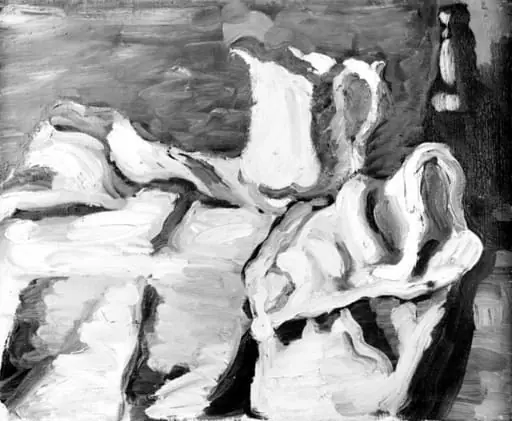
Ribeiro employed polyvinyl acetate to create a matte yet vibrant texture, allowing colors to blend softly while retaining intensity. The brushwork is expressive and gestural, with sweeping strokes defining forms rather than outlining them. Blues and browns dominate, accented by pale pink and white, while the background suggests depth through layered washes and muted greens, enhancing the sense of an unfolding, unstable space.
History & Provenance
Created during Ribeiro’s time in London, this work emerged from his engagement with post-war European modernism and his own Afro-Caribbean heritage. It was part of a series in which he moved away from figurative realism toward abstraction, experimenting with synthetic media. The painting’s early ownership remains undocumented, but it is recognized as a key example of his mid-1960s innovations.
Context
In the mid-1960s, Ribeiro was part of a generation of artists in Britain redefining modernism beyond Eurocentric norms. His use of unconventional materials and hybrid imagery responded to both international abstraction trends and personal narratives of displacement. This work reflects a broader cultural moment in which identity, memory, and form were being renegotiated through visual language.
Legacy
This painting exemplifies Ribeiro’s contribution to expanding the possibilities of British modernism through material experimentation and culturally inflected abstraction. While not widely exhibited during his lifetime, it has since been acknowledged as a significant step in his evolution, influencing later artists interested in the intersection of personal history and formal innovation.
Artist & collection

Artist
Lanceloté José Belarmino Ribeiro was an Expressionist painter, best known for his experiments with polyvinyl acetate and oil paints, the forerunner of modern acrylic paints.