Artwork
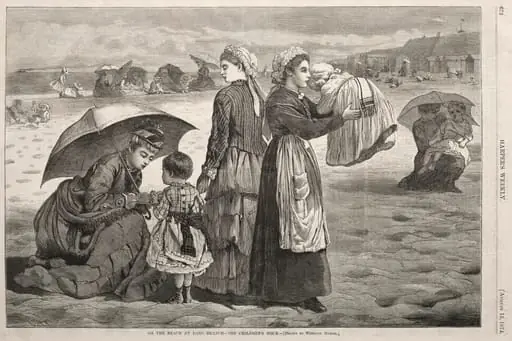
On the Beach at Long Branch - The Children's Hour
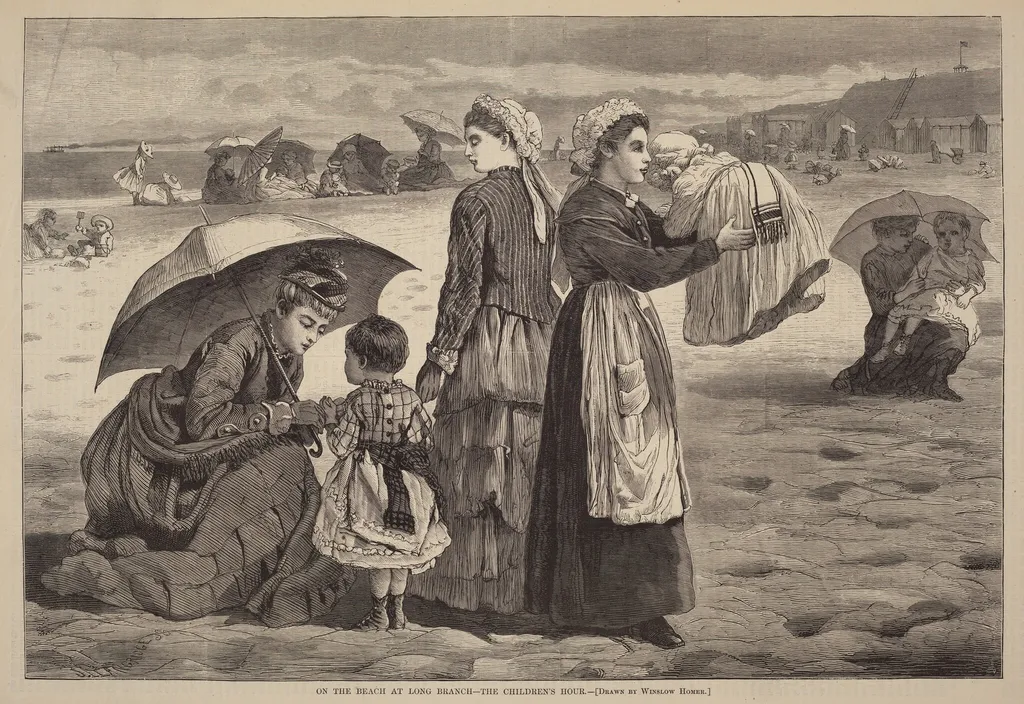
On the Beach at Long Branch - The Children's Hour is an ink print by the Impressionist artist James L. Langridge. It dates from 1874 and is held in the collection of the National Gallery of Art. James L.
About this work
Overview
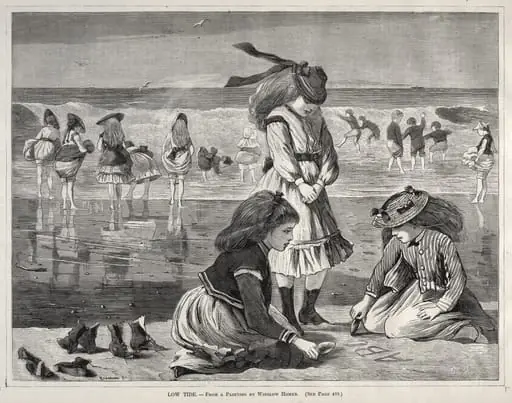
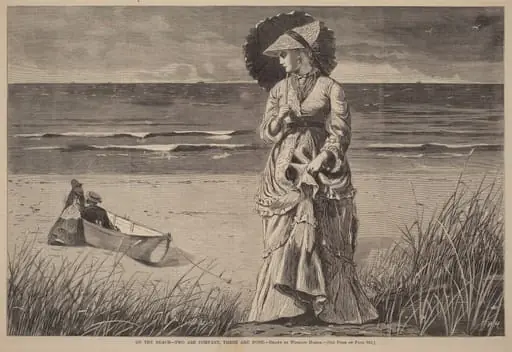
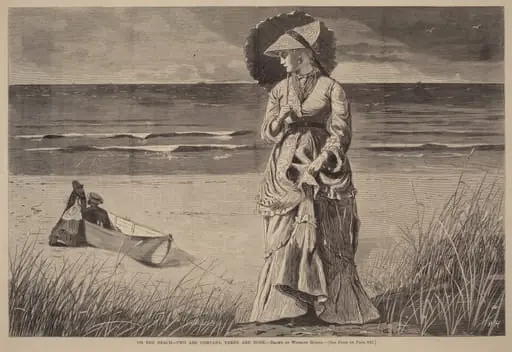
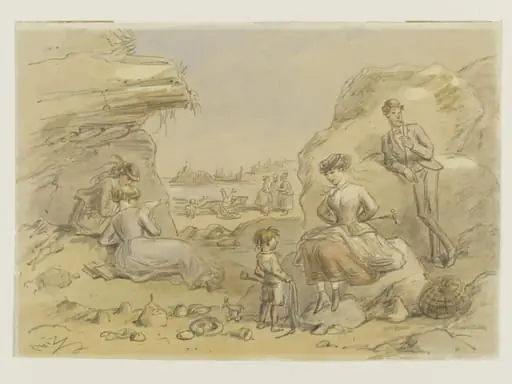
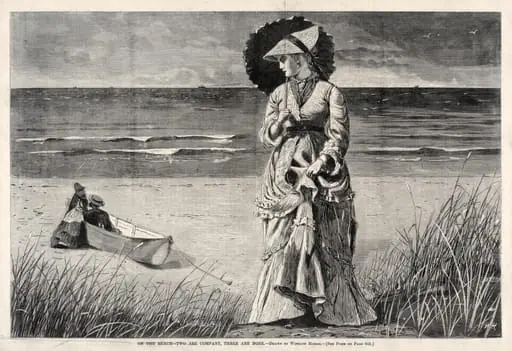
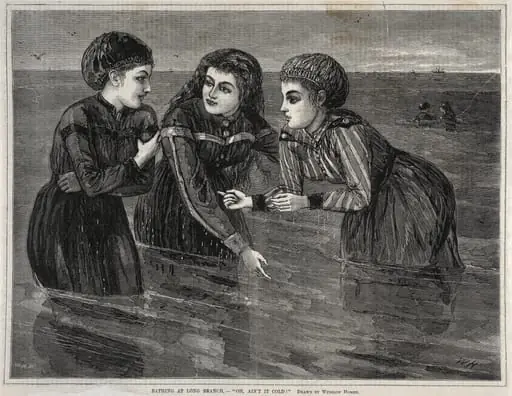
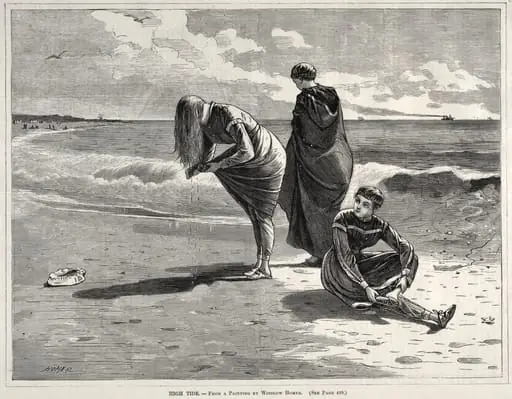
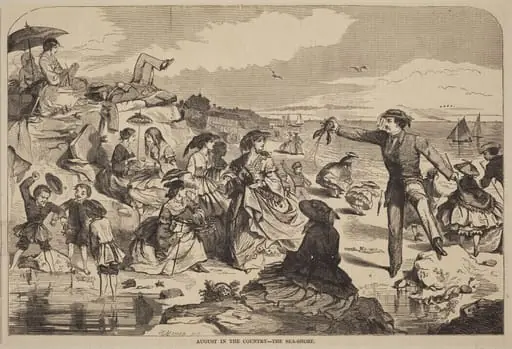
James L. Langridge’s wood engraving titled *On the Beach at Long Branch – The Children’s Hour* was produced in 1874. The print captures a tranquil seaside setting where a small group of women and children occupy the shore, their figures arranged in a calm, contemplative tableau against a muted sky and distant architecture.
Subject & Meaning
The composition presents a leisurely moment of family life by the sea. Women in modest, flowing skirts attend to infants and young children, suggesting domestic care and the simple pleasures of a summer outing. The quiet expressions and gentle postures convey a sense of reflective repose rather than overt narrative action.
Technique & Style
Executed as a wood engraving, the image relies on fine, intersecting lines and cross‑hatching to model form and surface texture. Langridge’s handling of tonal gradations creates depth in the sand, water, and sky, while the precise detailing of clothing and facial features lends the work a realistic, almost photographic quality.
History & Provenance
Created in the post‑Civil War era, the print reflects the growing popularity of seaside recreation among American middle‑class families. Although specific ownership records are scarce, the work has appeared in several 19th‑century print collections and continues to be cited in studies of Victorian leisure imagery.
Context
Long Branch, New Jersey, emerged in the late 1800s as a fashionable resort destination, attracting visitors from nearby urban centers. Langridge’s depiction aligns with contemporary visual culture that celebrated healthful outdoor activities and the moral virtue of family togetherness during the period’s burgeoning leisure movement.
Artist & collection