Artwork
Low Tide
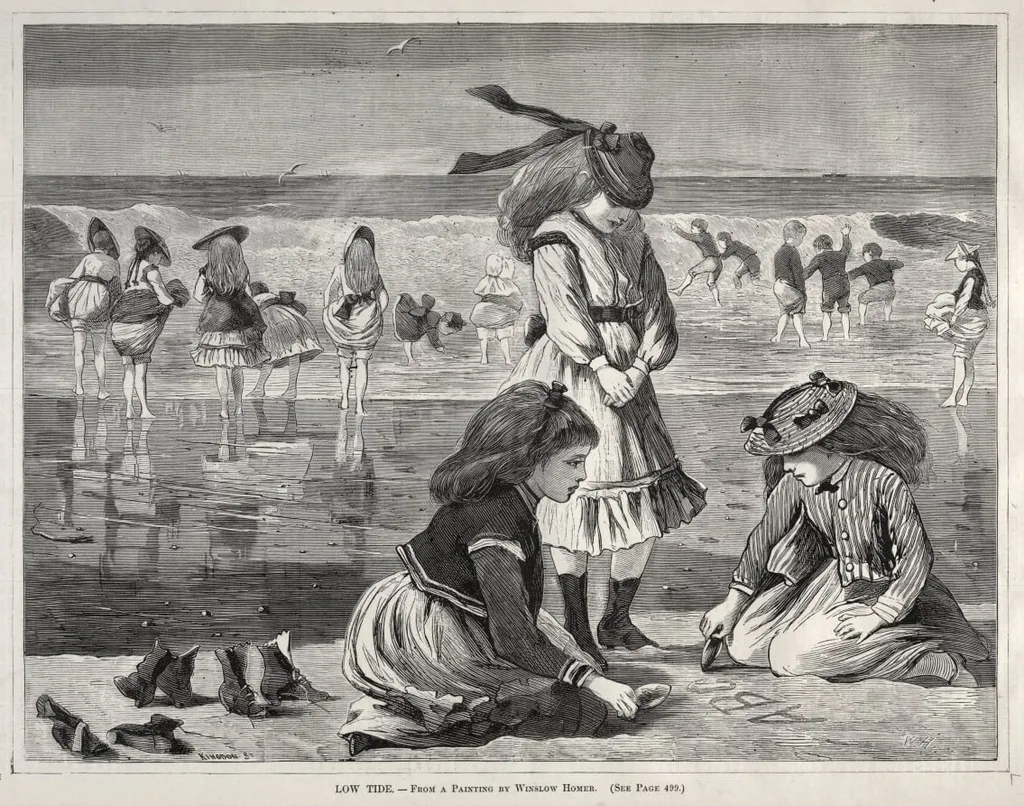
Low Tide is a print by the Impressionist artist Winslow Homer. It dates from 1870 and is held in the collection of the Cleveland Museum of Art.
About this work
Overview
Created in 1870, *Low Tide* is a print by American artist Winslow Homer. The image presents a quiet coastal landscape at the moment when the sea recedes, exposing the shoreline. It exemplifies Homer’s enduring interest in maritime settings and is part of the Cleveland Museum of Art’s collection.
Subject & Meaning
The composition captures a stretch of beach during low tide, emphasizing the interplay between land and water. By focusing on the exposed sand and the gentle recession of the sea, the work invites contemplation of nature’s rhythms and the subtle beauty found in everyday coastal scenes.
Technique & Style
Executed as a print, the piece reflects Homer’s skillful handling of line and tonal contrast to suggest depth and texture. Though primarily known for oil and watercolor, his early printmaking demonstrates a precise draftsmanship that conveys atmosphere without relying on vivid color, aligning with his broader realist approach to marine subjects.
History & Provenance
After its creation, the print entered the holdings of the Cleveland Museum of Art, where it remains on view. Its acquisition reflects the museum’s commitment to representing 19th‑century American art and Homer’s role in shaping the visual language of the United States’ coastal narrative.
Context
At the time of *Low Tide*’s production, Homer was transitioning from a career as a commercial illustrator to independent fine‑art practice. This period saw him exploring various media, including printmaking, while developing the observational eye that would later define his celebrated oil and watercolor works of the sea.
Artist & collection
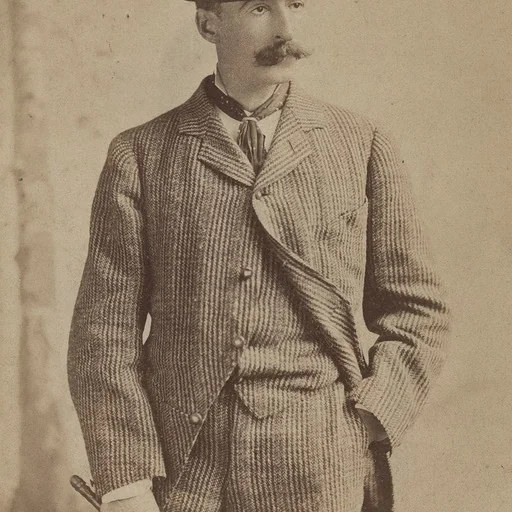
Artist
Winslow Homer (February 24, 1836 – September 29, 1910) was an American landscape painter and illustrator, best known for his marine subjects.

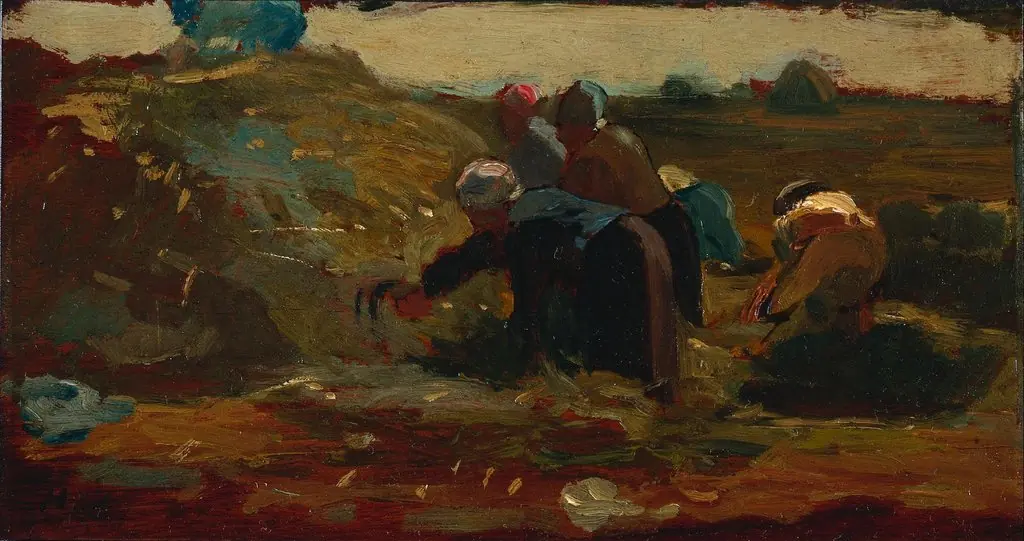
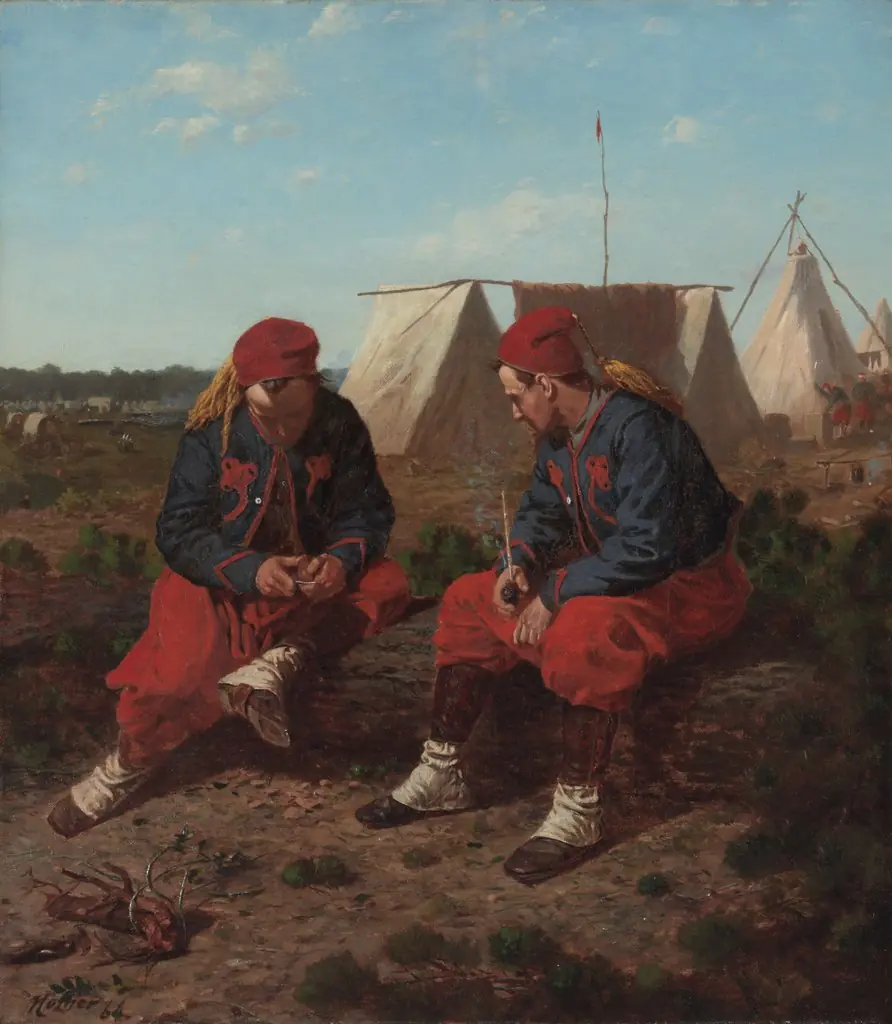
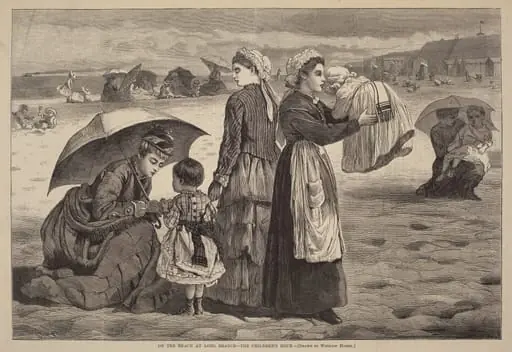 On the Beach at Long Branch - The Children's Hour
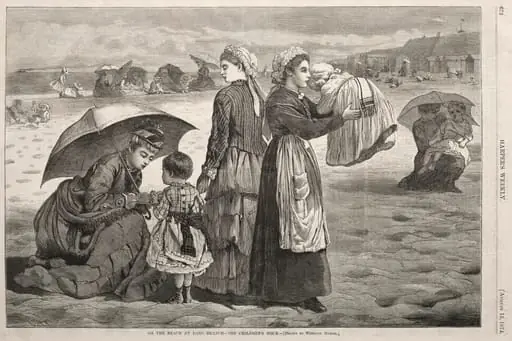 On the Beach at Long Branch - The Children's Hour
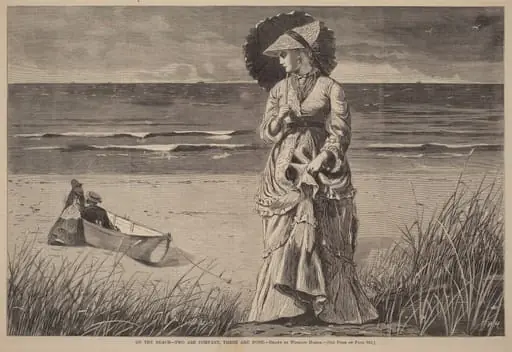 On the Beach - Two are Company, Three are None
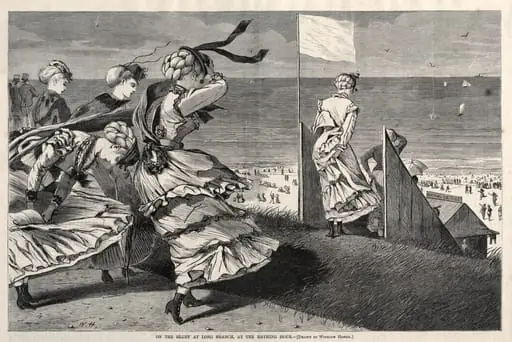 On the Bluff at Long Branch, at the Bathing Hour
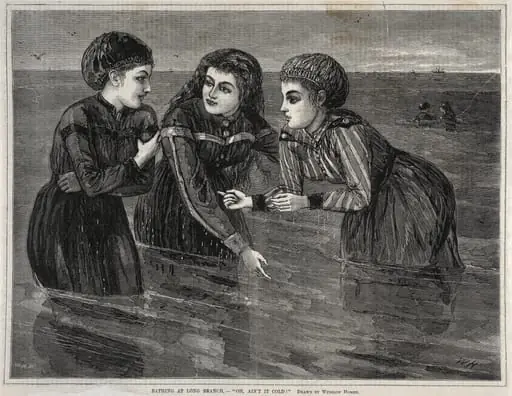 Bathing at Long Branch, - "Oh, Ain't it Cold!"
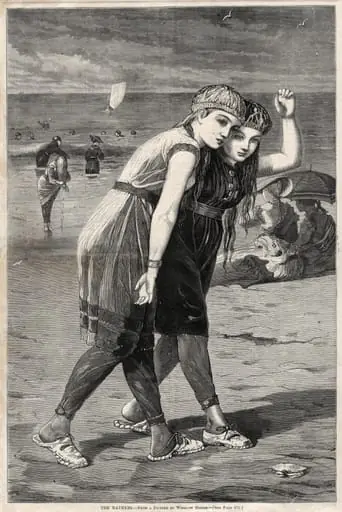 The Bathers
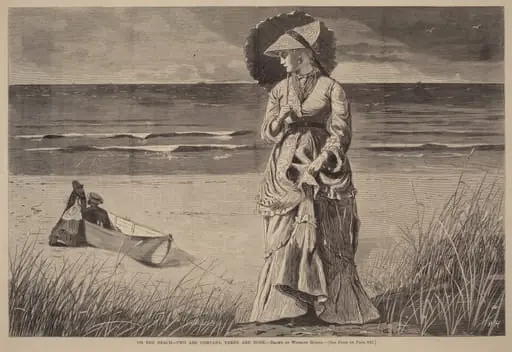 On the Beach - Two are Company, Three are None
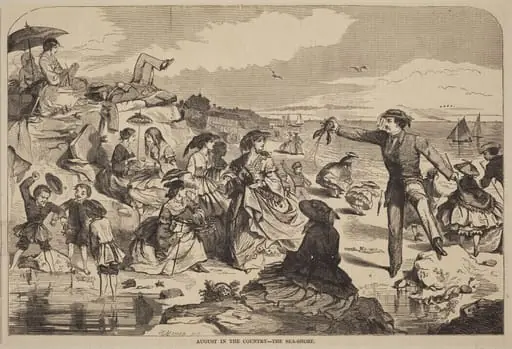 August in the Country - The Sea Shore
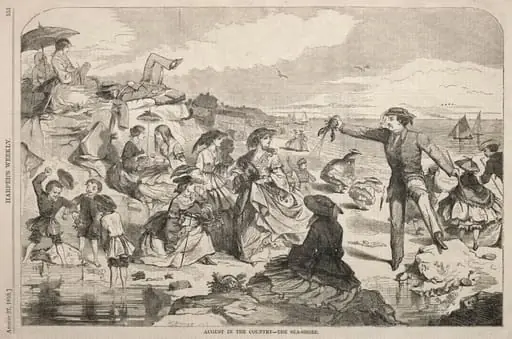 August in the Country - The Seashore
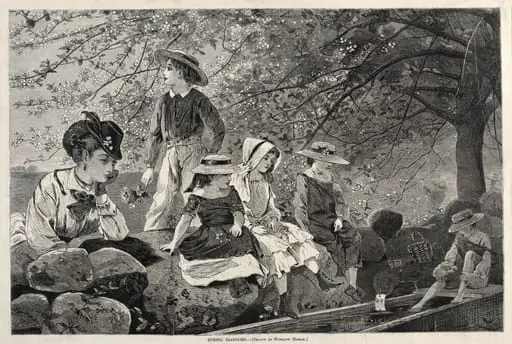 Spring Blossoms
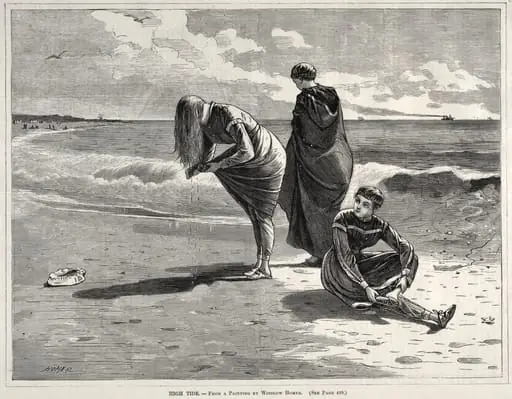 High Tide
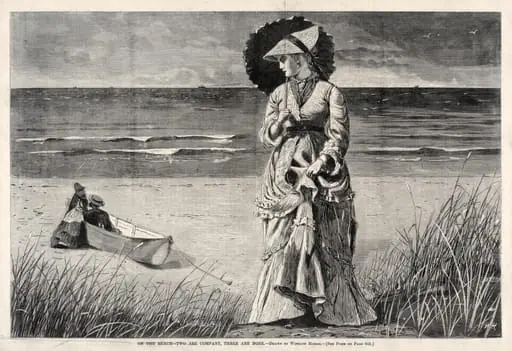 On the Beach - Two are Company, Three are None