Artwork
The Full of the Honey-Moon
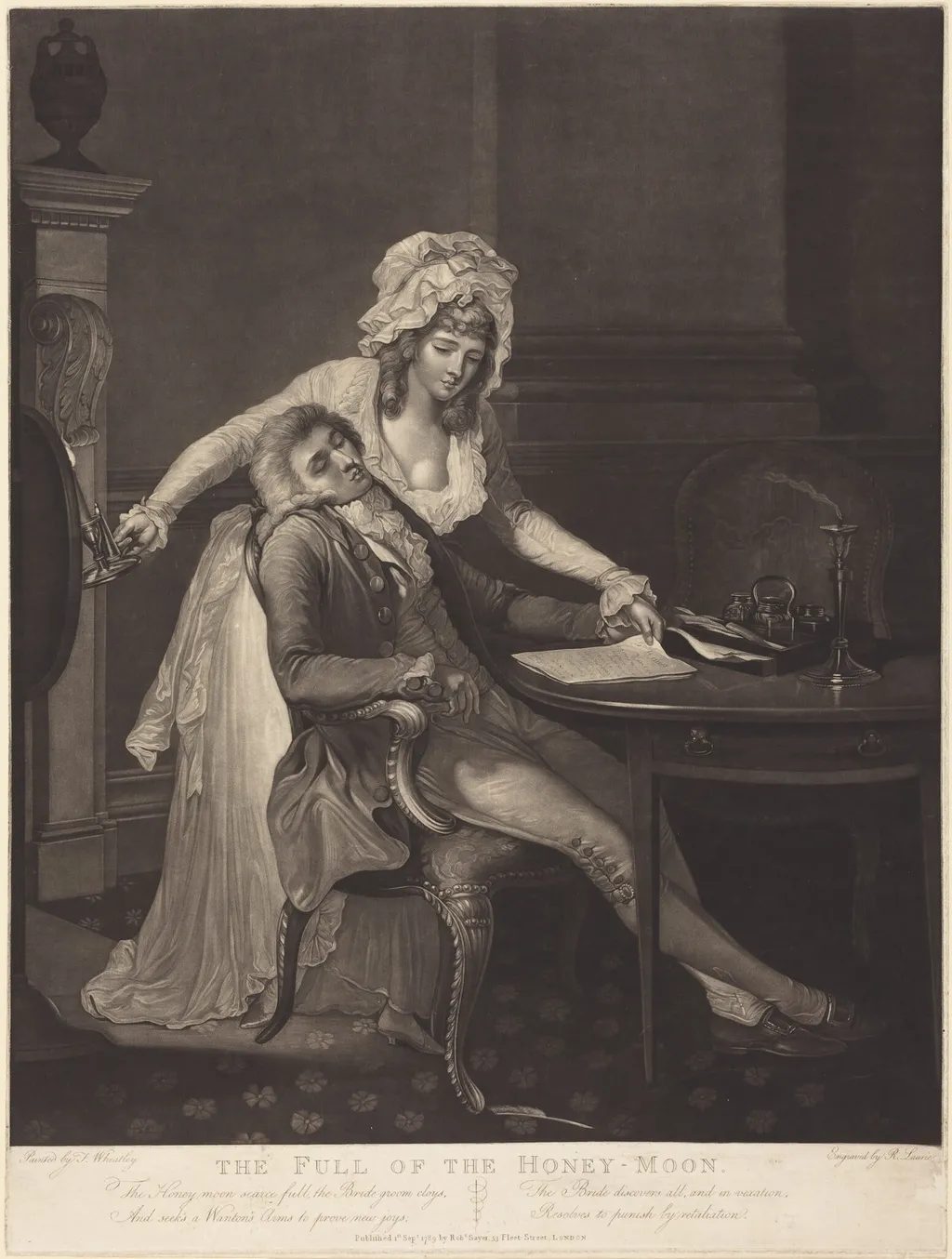
The Full of the Honey-Moon is an ink print by the Romanticist artist Robert Laurie. It dates from 1789 and is held in the collection of the National Gallery of Art.
About this work
Overview
Robert Laurie’s 1789 mezzotint, titled The Full of the Honey-Moon, presents an interior scene of a young couple in elaborate eighteenth‑century attire. The woman, seated and gesturing toward a paper, appears distressed, while the kneeling man looks weary. Objects such as a desk with ink bottles, a mirror, and an ornamental pillar frame the narrative.
Subject & Meaning
The composition suggests a domestic dispute shortly after marriage, hinted at by the title’s reference to a honeymoon. The woman’s pointed finger toward the document implies a letter or contract that has altered the couple’s expectations, conveying themes of marital tension and the fragility of romantic idealism.
Technique & Style
Executed in mezzotint on laid paper, Laurie employs the medium’s capacity for rich tonal gradations to model the figures and furnishings. The soft transitions between light and shadow create a chiaroscuro effect, while the fine line work on the clothing and accessories underscores the period’s fashion details.
History & Provenance
Created in 1789, the print belongs to the late eighteenth‑century British print market, where mezzotints were popular for disseminating narrative scenes. Although specific ownership records are scarce, the work is catalogued among Laurie’s known prints and has appeared in several collections of British graphic art.
Context
The image aligns with contemporary interests in domestic genre scenes that explore personal relationships and moral lessons. Its dramatic storytelling anticipates the heightened emotional focus later associated with Romanticism, while still rooted in the Enlightenment’s attention to everyday life.
Artist & collection


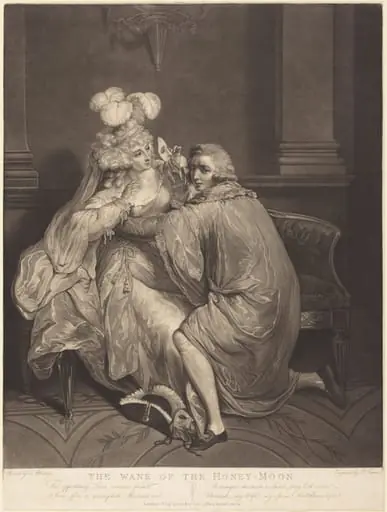 The Wane of the Honeymoon
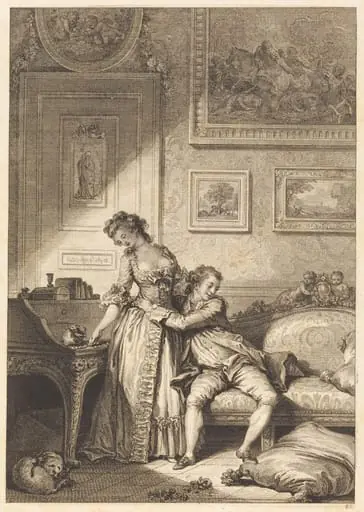 A femme avare galant escroc
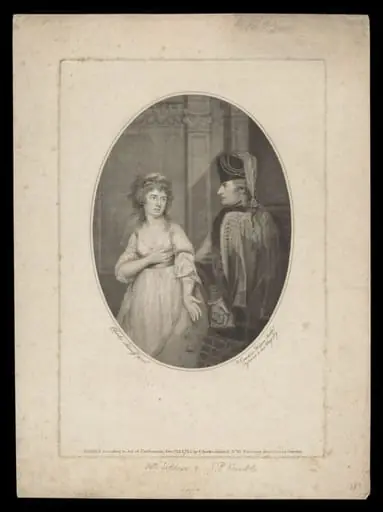 H Beard Print Collection
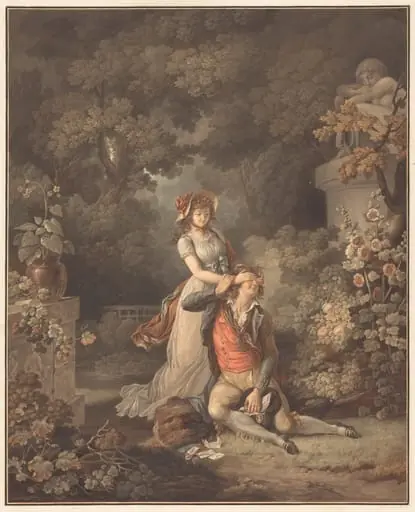 L'Amant surpris
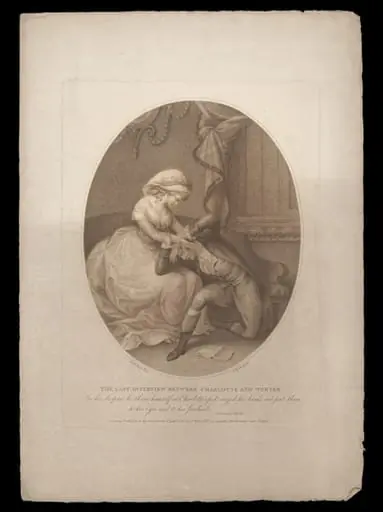 H Beard Print Collection
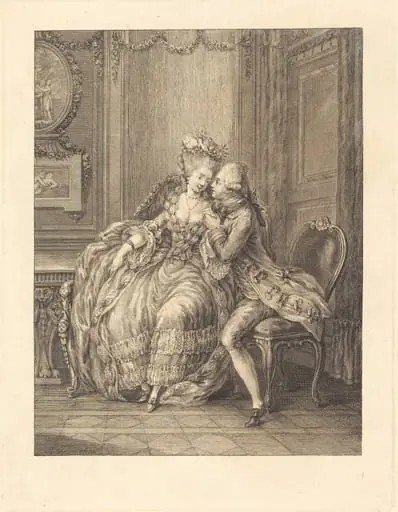 L'amant pressant
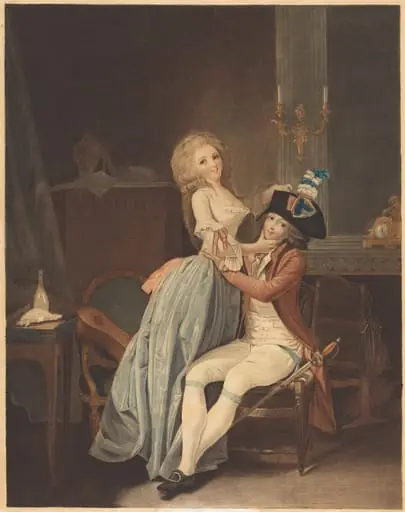 Le cocarde nationale
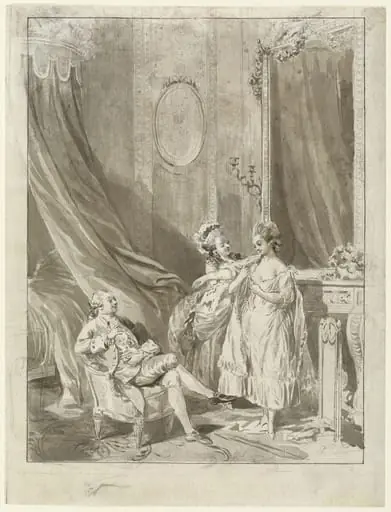 Early Morning
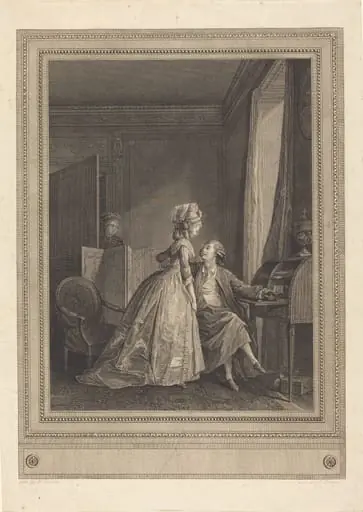 Les offres seduisantes
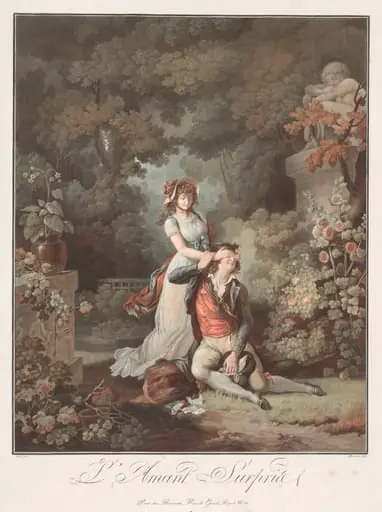 The Lover Surprised (L'Amant Surpris)
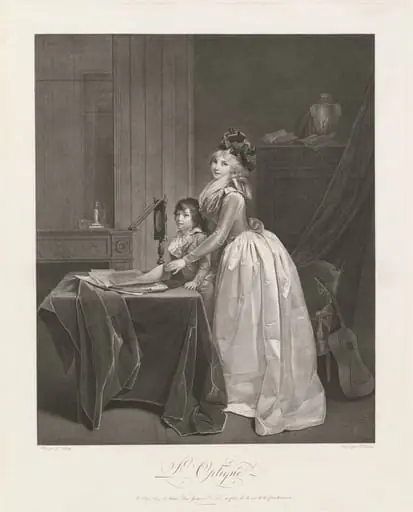 L'Optique (The Optical Viewer)
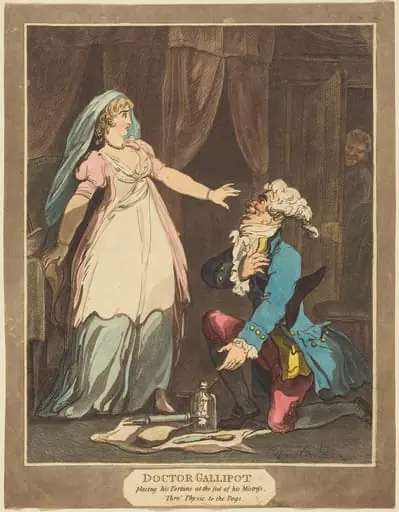 Doctor Gallipot placing his Fortune at the feet of his Mistress