Artwork
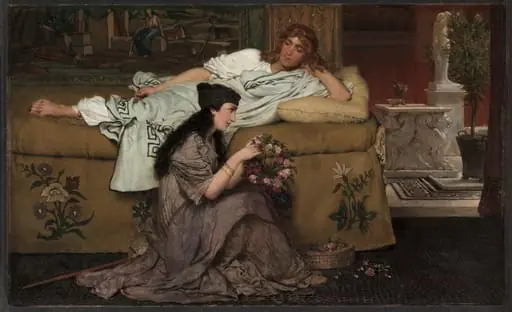
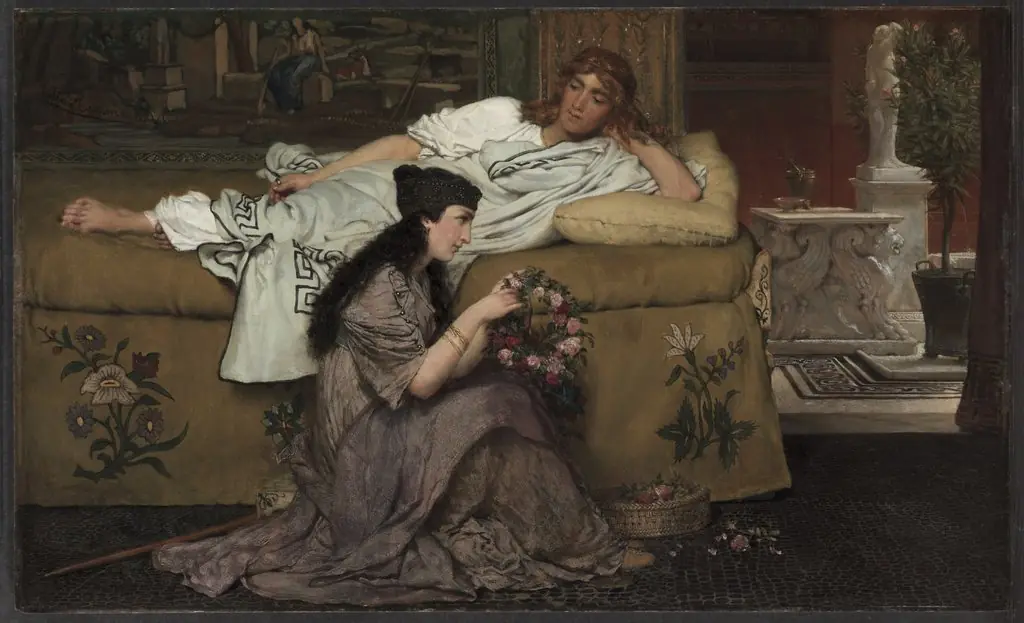
Aglaida and Boniface
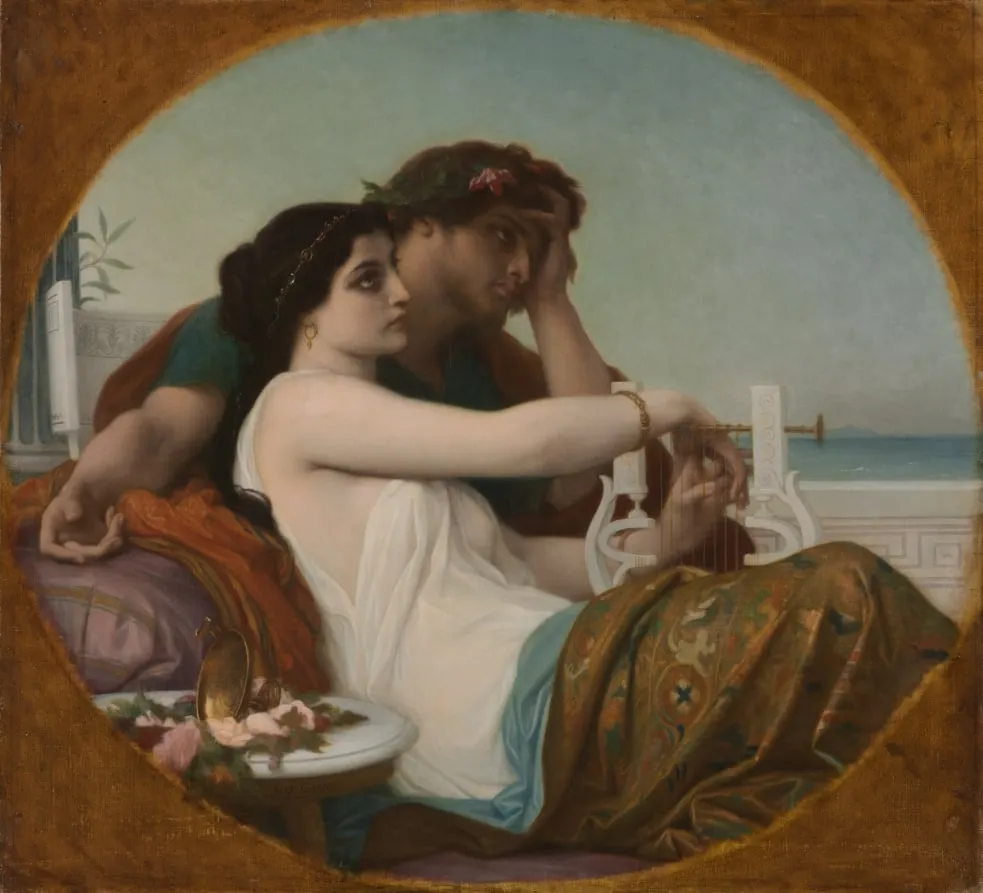
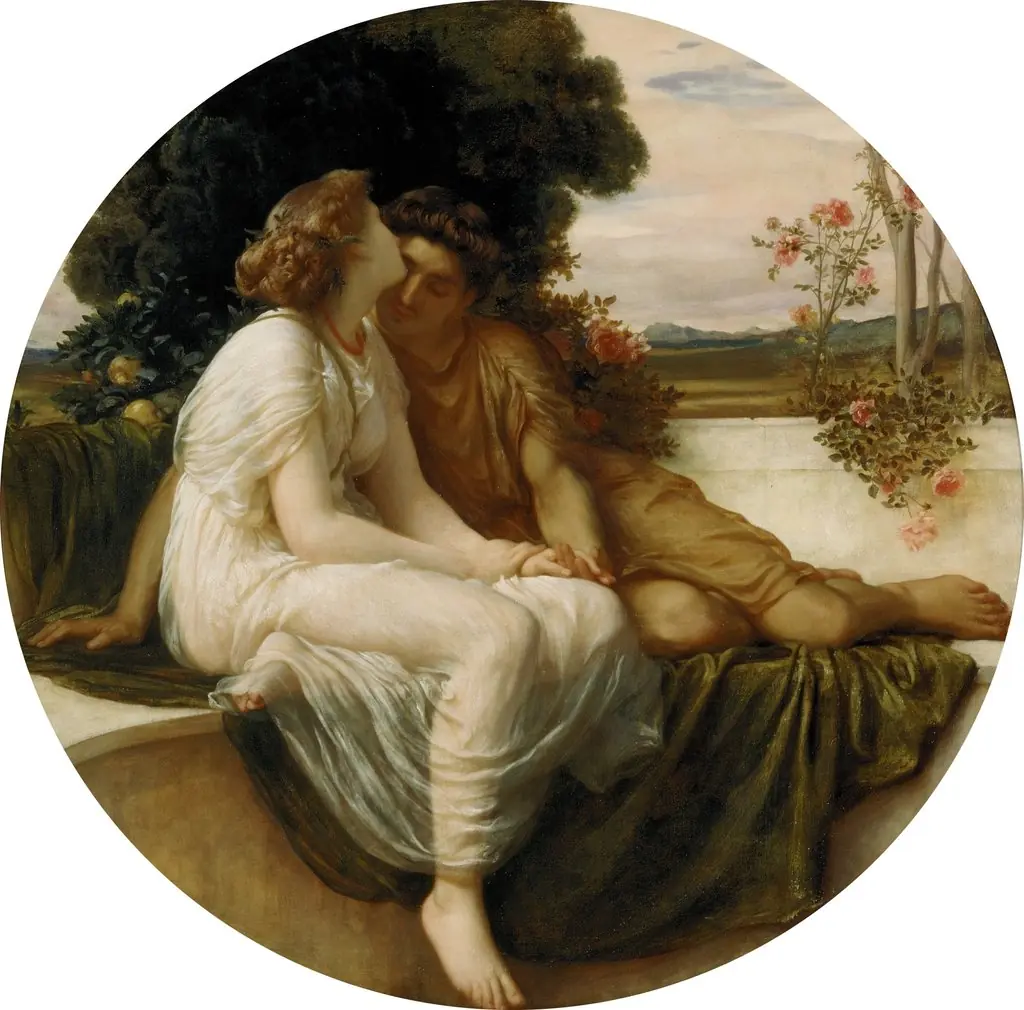
Aglaida and Boniface is an unspecified painting by the Impressionist artist Alexandre Cabanel. It dates from 1857 and is held in the collection of the Cleveland Museum of Art.
About this work
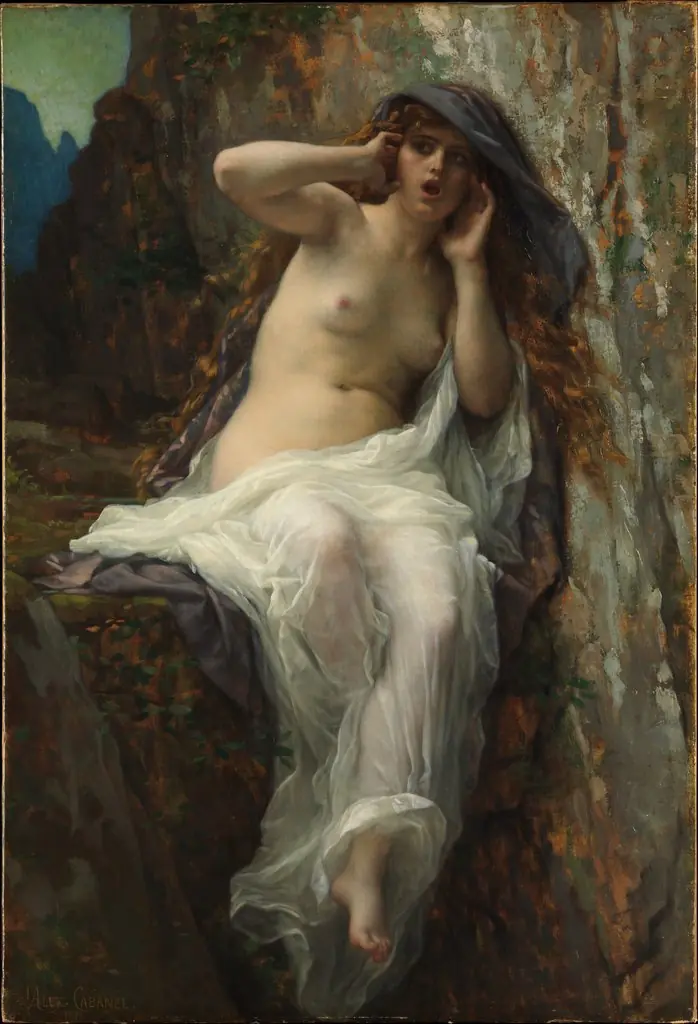
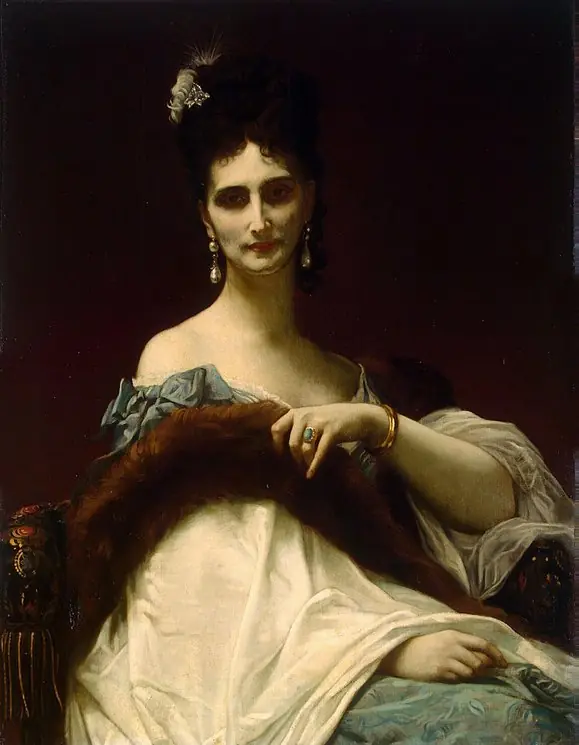
To see more of this polished style, look up other works by Alexandre Cabanel (French, 1823–1889).
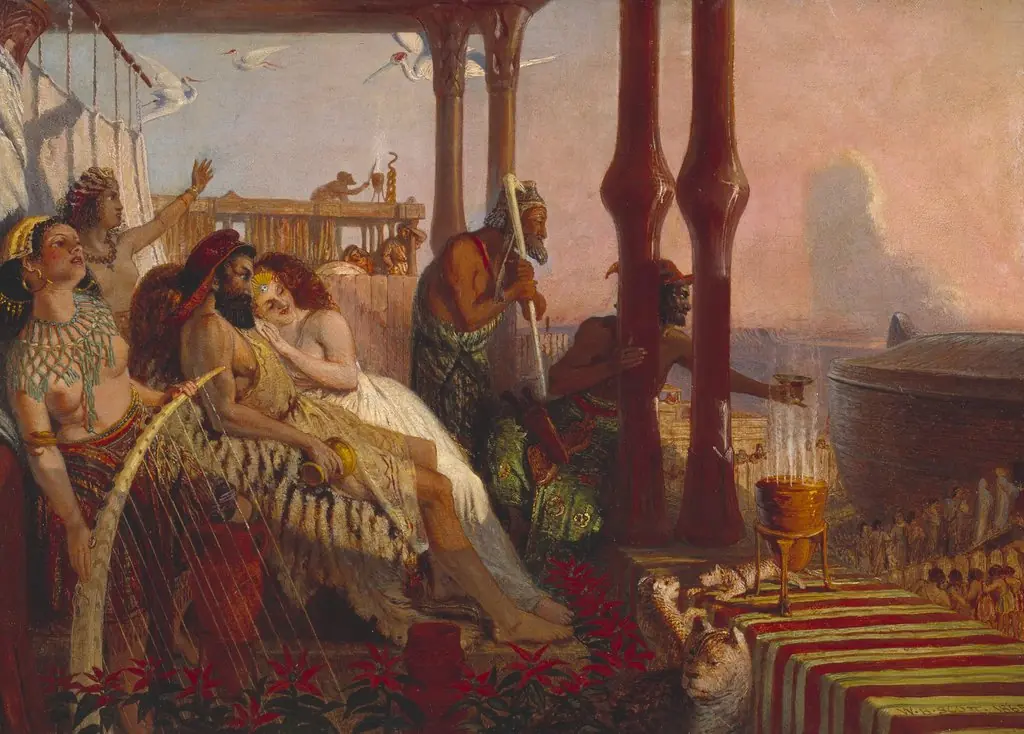
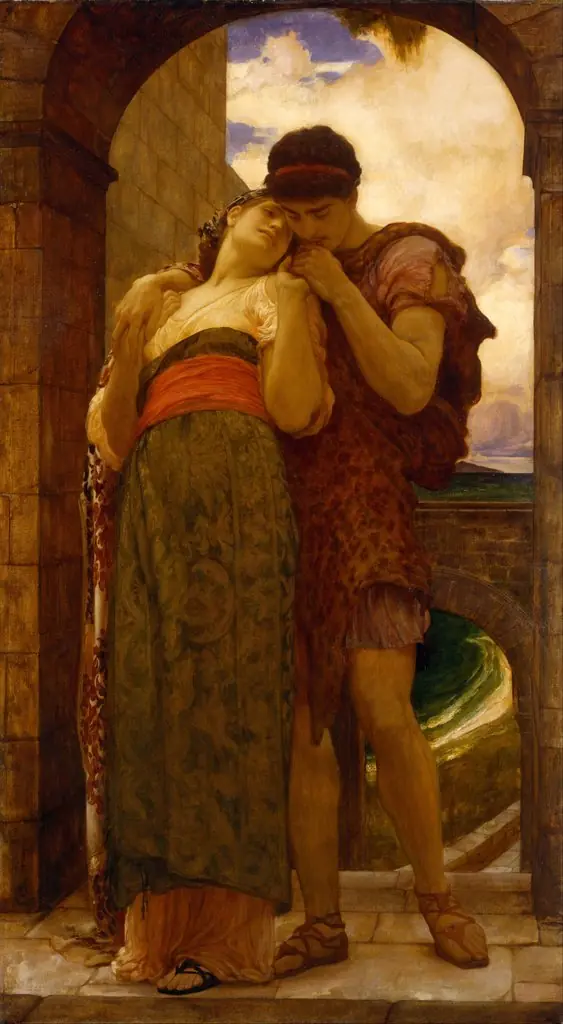
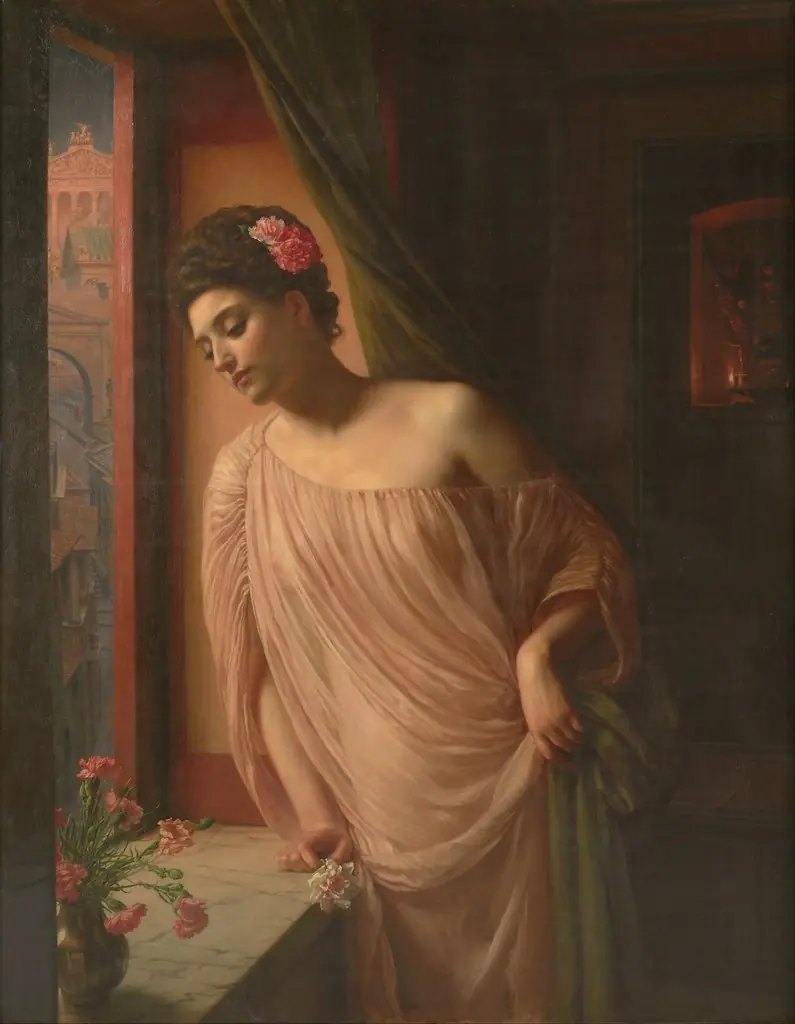
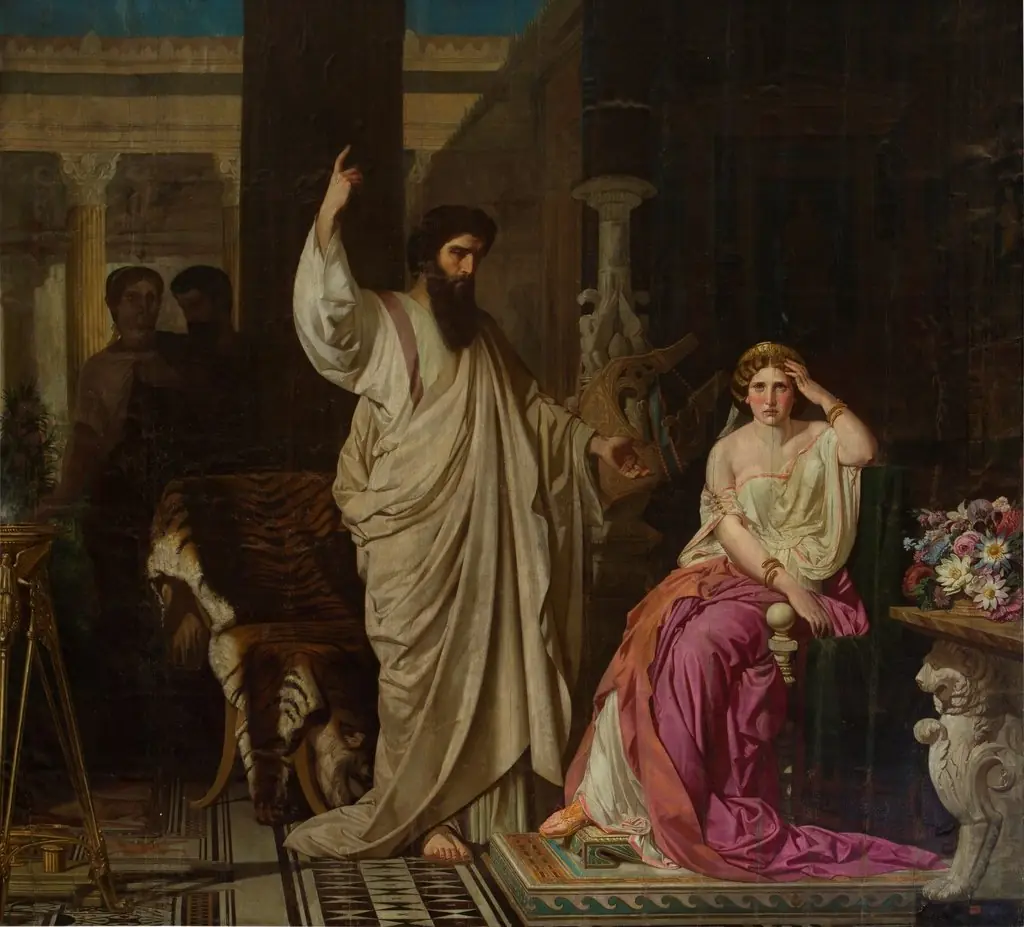
A rich woman in a red dress leans against a stone wall, her slave kneeling at her feet. The scene looks like a quiet moment in ancient Rome, but the story is darker.
This painting shows Aglaida and Boniface before their lives changed. Both later became Christians and were killed for it. Cabanel painted them as if they were in a fancy salon, not a martyr’s tale. The smooth faces and perfect folds of fabric hide the violence to come.
To see more of this polished style, look up other works by Alexandre Cabanel (French, 1823–1889).
Overview
The French painter Alexandre Cabanel was a favorite of Emperor Napoleon III and a leader of the academic style that emphasized precise drawing and smoothly modeled forms. This painting depicts the wealthy Roman woman Aglaida and her concubine slave Boniface, here living as pagan sinners in Rome around 290 CE. On a trip to Tarsus on the Anatolian coast, Boniface converted to Christianity and was tortured and beheaded. Aglaida also converted to Christianity, gave all her possessions to the poor, and built a church for Boniface's relics.
Did you know?
Alexandre Cabanel was a leader of the academic artists who rejected the paintings of Édouard Manet and other "realists" from the Salon of 1863, producing a vast outcry that forced the government to organize the alternative Salon des Refusés.
Artist & collection
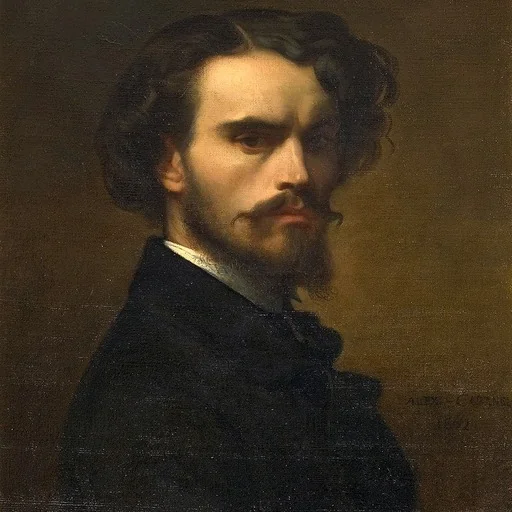
Artist
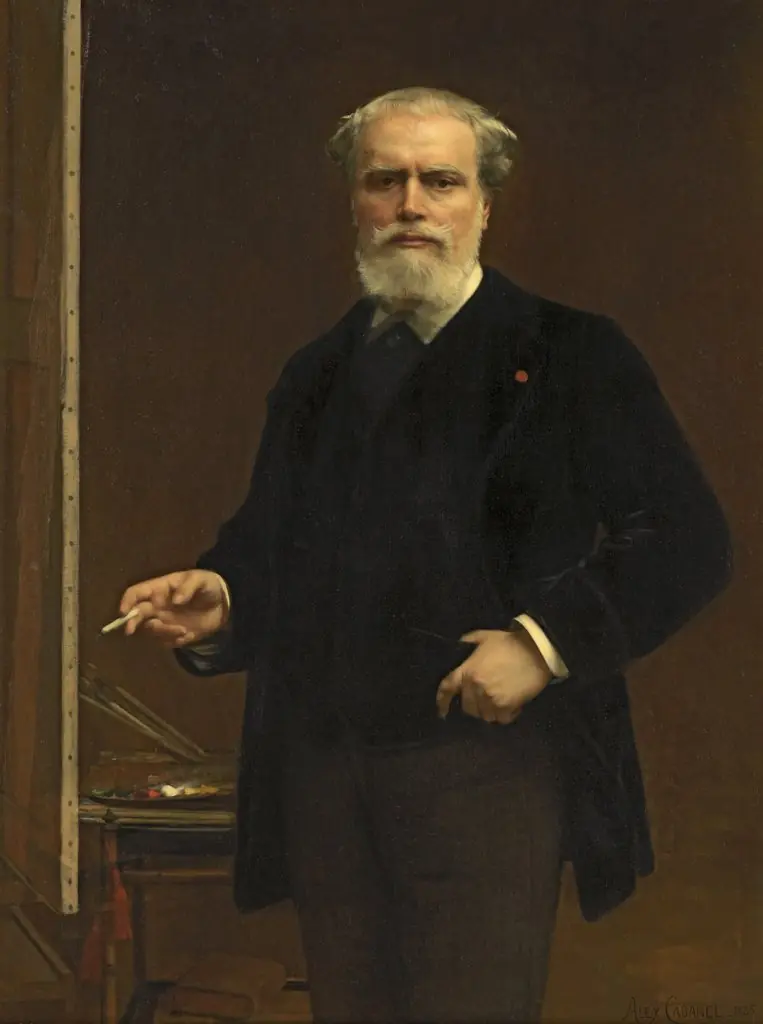
Alexandre Cabanel (French: ; 28 September 1823 – 23 January 1889) was a French painter.