Artwork
Self-portrait
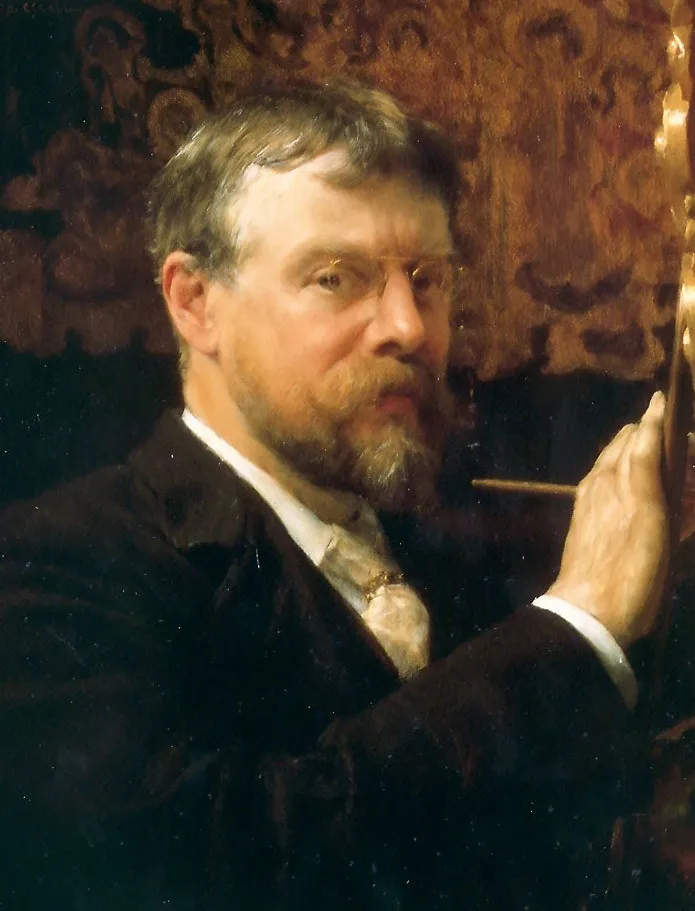
Self-portrait is an oil painting by the Impressionist artist Lawrence Alma-Tadema. It dates from 1898 and is held in the collection of the Uffizi Gallery.
About this work
Overview
Though associated with academic traditions, this work reflects a personal, introspective moment rather than his usual classical narratives.
Painted in 1898, this oil on canvas self-portrait captures Lawrence Alma-Tadema at the height of his career. Born in the Netherlands and based in London since 1870, he was known for meticulously rendered historical scenes. Though associated with academic traditions, this work reflects a personal, introspective moment rather than his usual classical narratives. It is currently held in the Uffizi Gallery’s collection.
Subject & Meaning
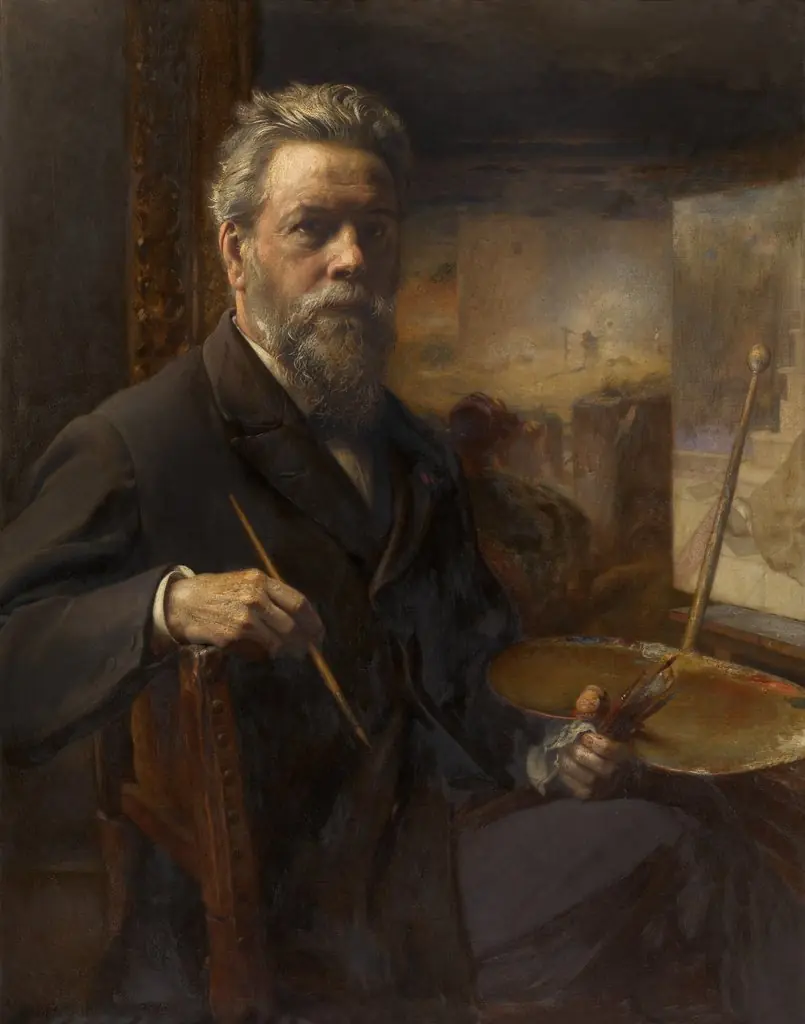
Alma-Tadema depicts himself in formal attire—a black jacket, white shirt, and tie—engaged in the act of painting. The brush in his right hand, poised near an unseen canvas, suggests continuity between artist and creation. The dark, subtly patterned background focuses attention on his figure and tools, emphasizing identity as a professional painter rather than a historical storyteller.
Technique & Style
The painting employs controlled brushwork and muted tonal contrasts to convey texture and presence. Light falls gently on the artist’s face and hands, defining form without dramatic chiaroscuro. The rendering of fabric and brush handles reveals his precision, rooted in academic training. The background’s faint pattern adds depth without distraction, reinforcing the portrait’s quiet dignity.
History & Provenance
Created in 1898, the portrait was likely painted for personal or professional reflection, not public display. It entered the Uffizi Gallery’s collection in the 20th century, possibly through acquisition or donation. Its presence in a major Italian institution underscores its recognition beyond British academic circles, despite Alma-Tadema’s association with Victorian England.
Context
While Alma-Tadema was celebrated for scenes of Roman antiquity, this self-portrait diverges from his typical subject matter. It aligns with a late-19th-century trend among artists to assert their identity through self-representation, even as Impressionism and modernism gained ground. His choice of formal dress and studio setting reflects a commitment to tradition amid shifting artistic currents.
Legacy
The portrait stands as a quiet testament to Alma-Tadema’s self-perception as a craftsman. Though overshadowed in later decades by avant-garde movements, it preserves a moment of personal reflection from a painter who valued technical mastery. Its inclusion in the Uffizi affirms its status as a significant record of an artist’s identity within the broader European tradition.
Artist & collection
Artist
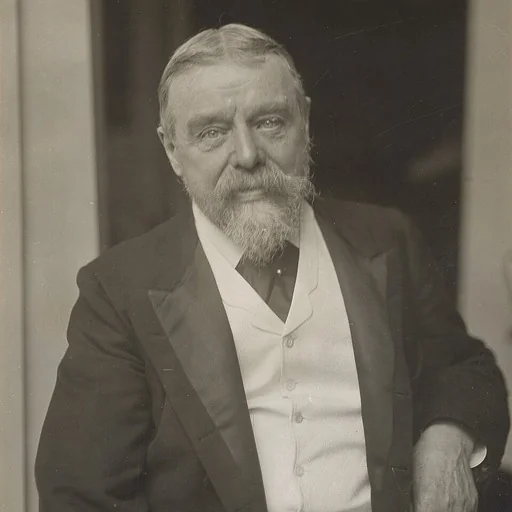
Sir Lawrence Alma-Tadema ( AL-mə TAD-ay-mə; born Lourens Alma Tadema, Dutch: ; 8 January 1836 – 25 June 1912) was a Dutch painter who later settled in the United Kingdom, becoming the last officially recognised denizen in 1873.

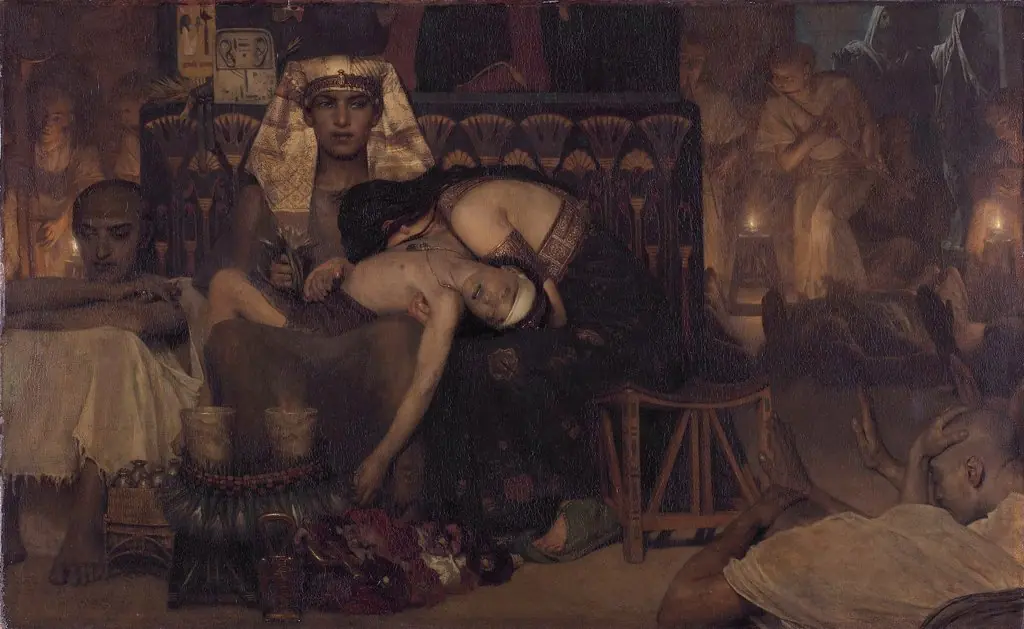
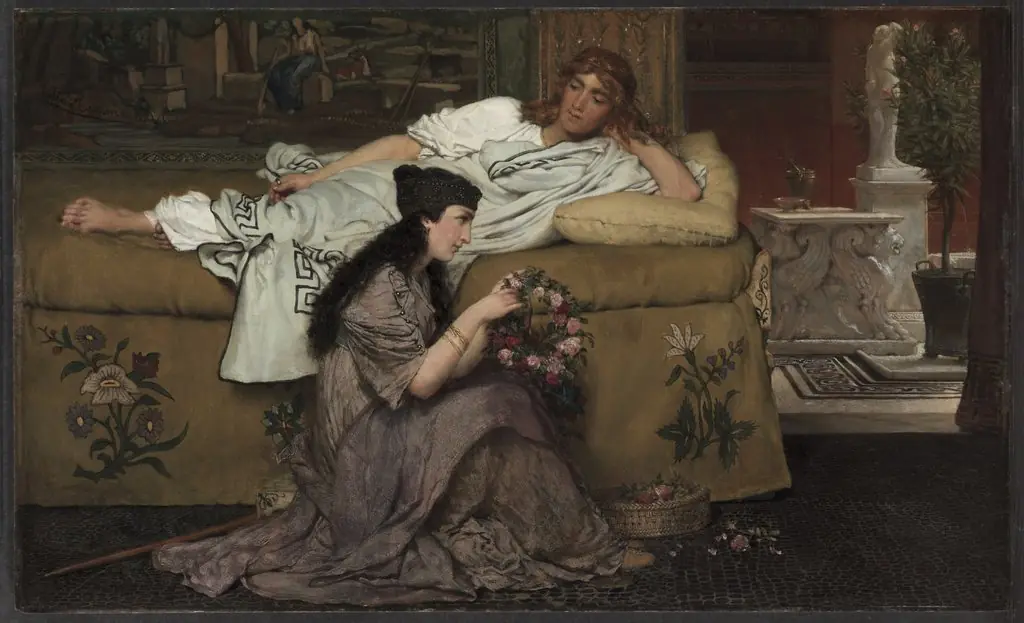
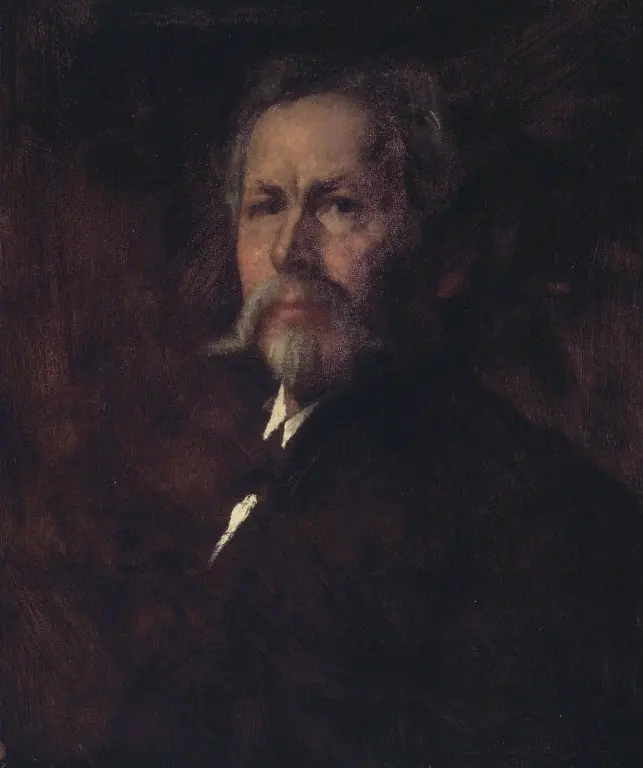 Self-portrait
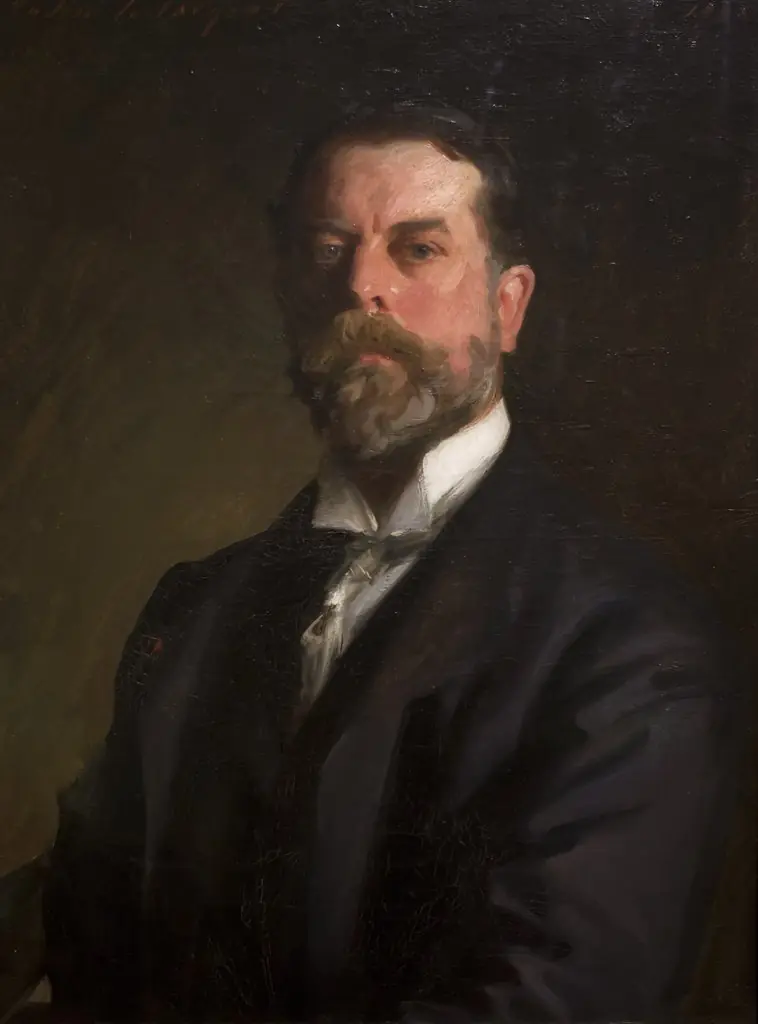 Self-portrait
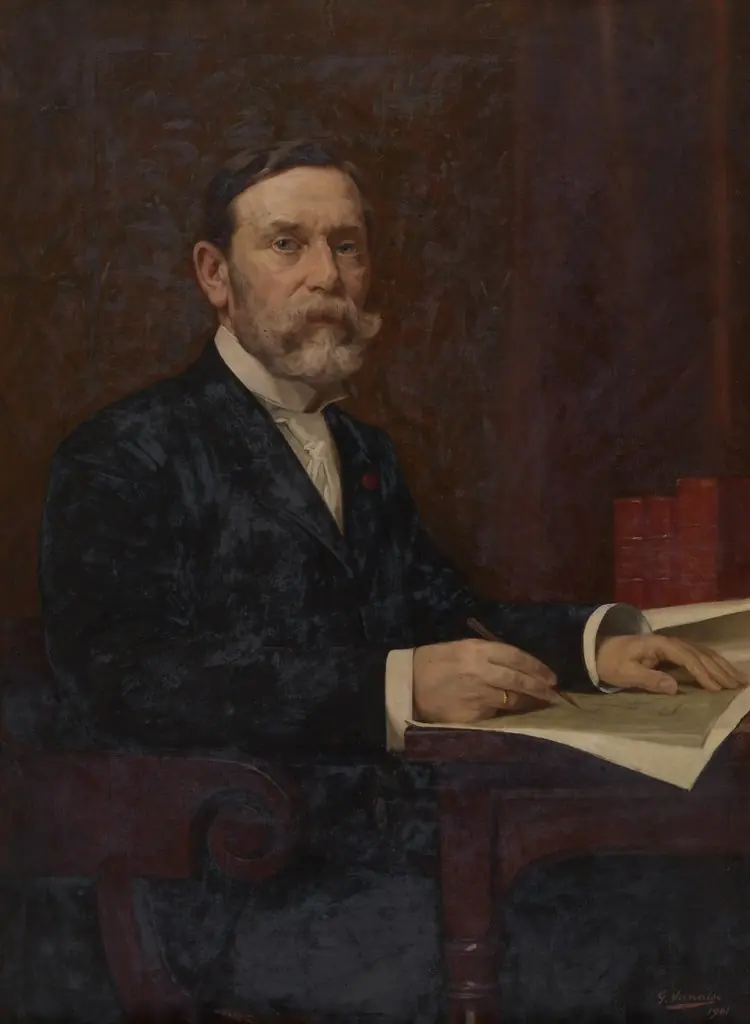 The Architect Leonard Blomme
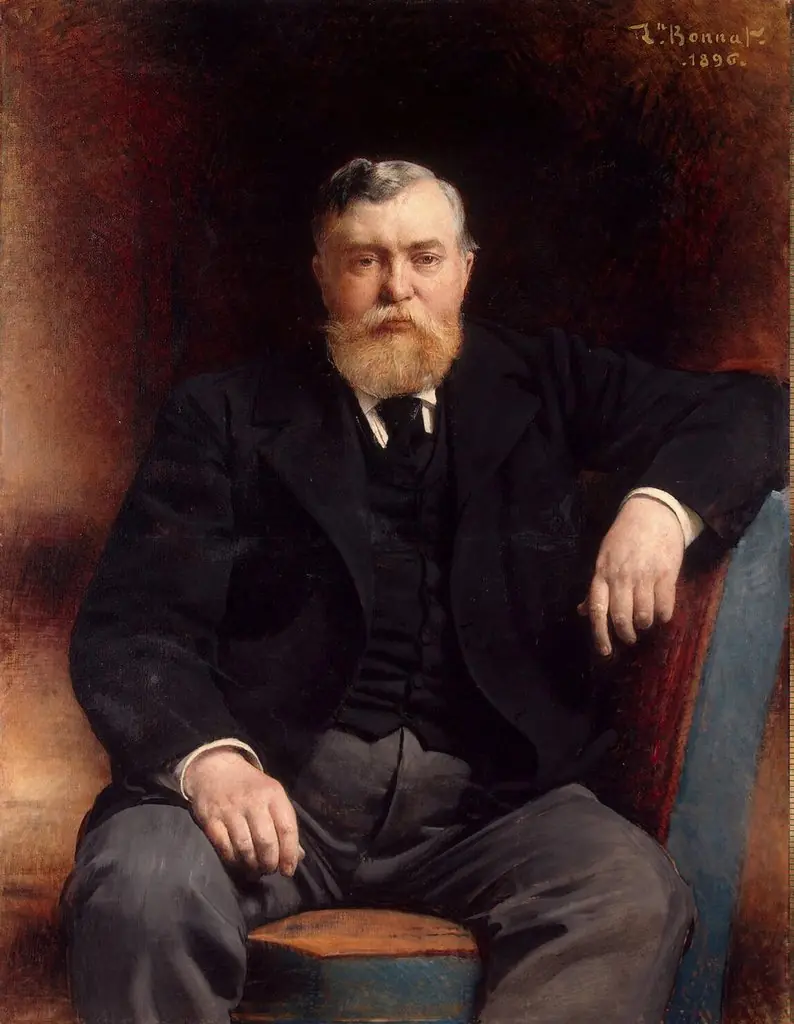 Portrait of Prince Vyacheslav Tenishev
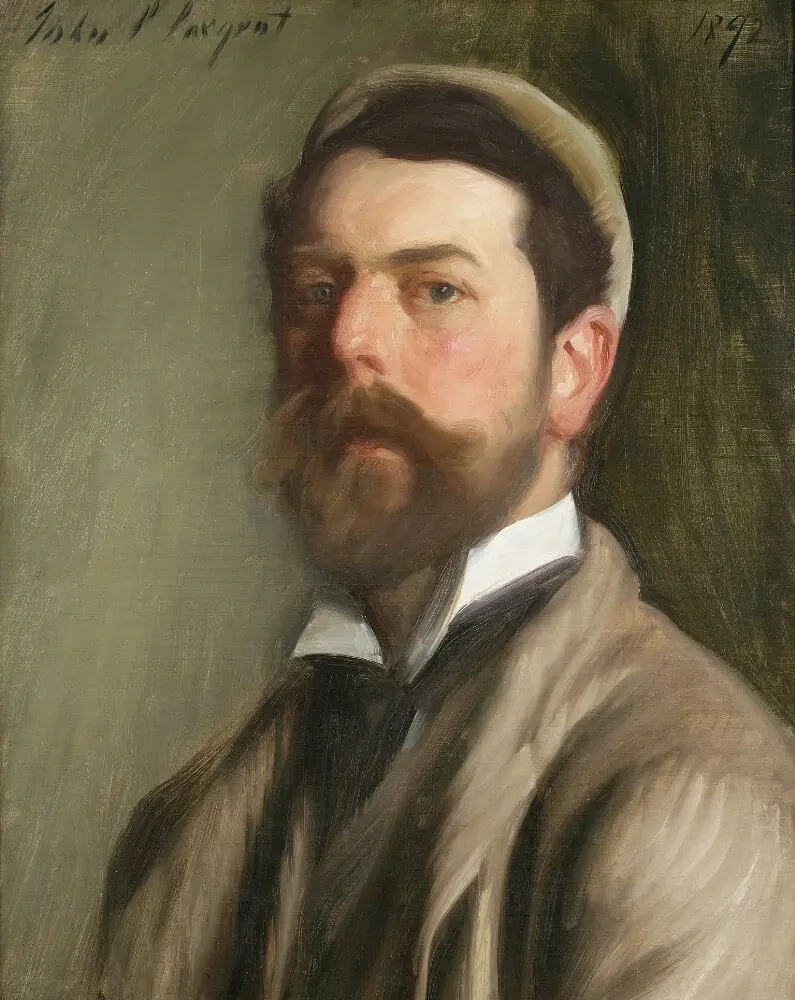 Self-Portrait
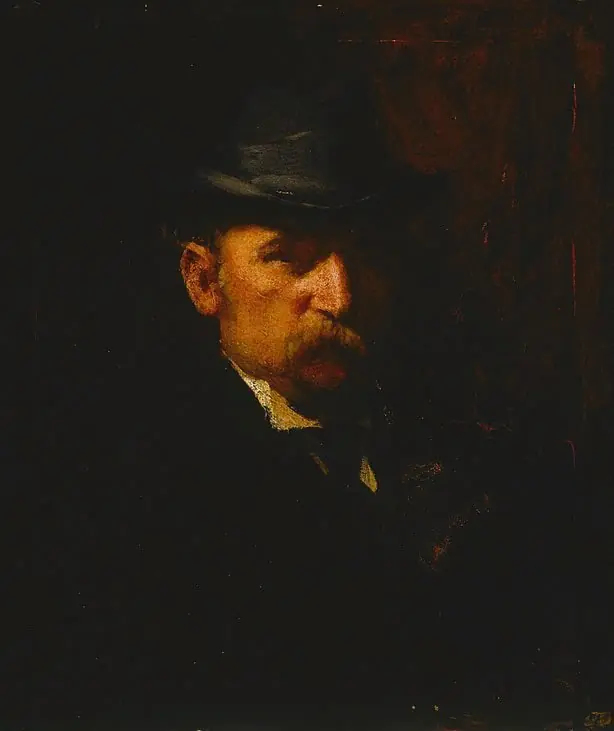 Portrait of John Ford Paterson
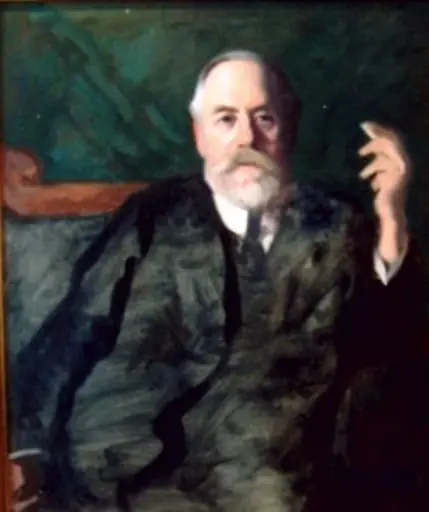 Pictorul Szinyeu
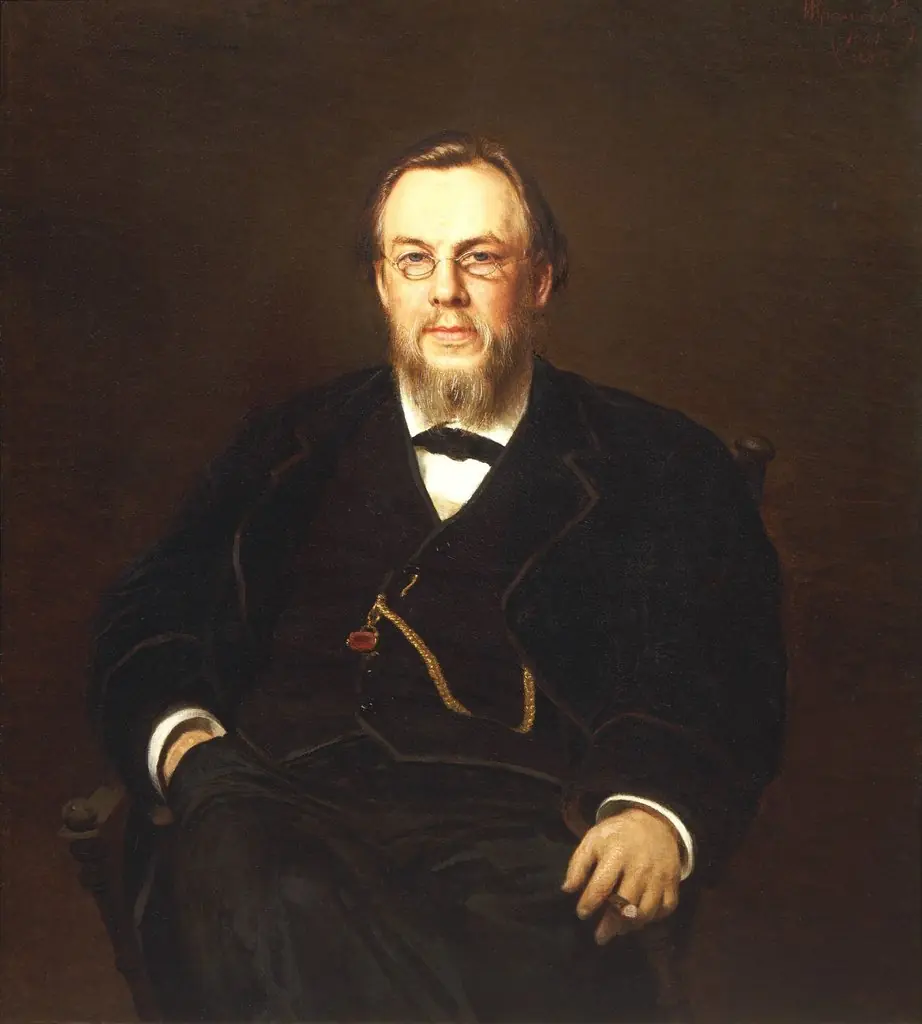 Sergey Botkin
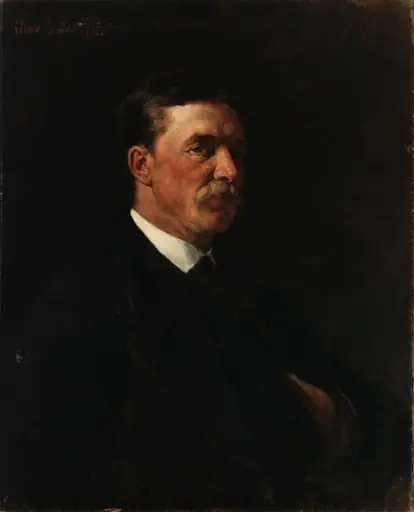 Hjalmar Munsterhjelmin muotokuva
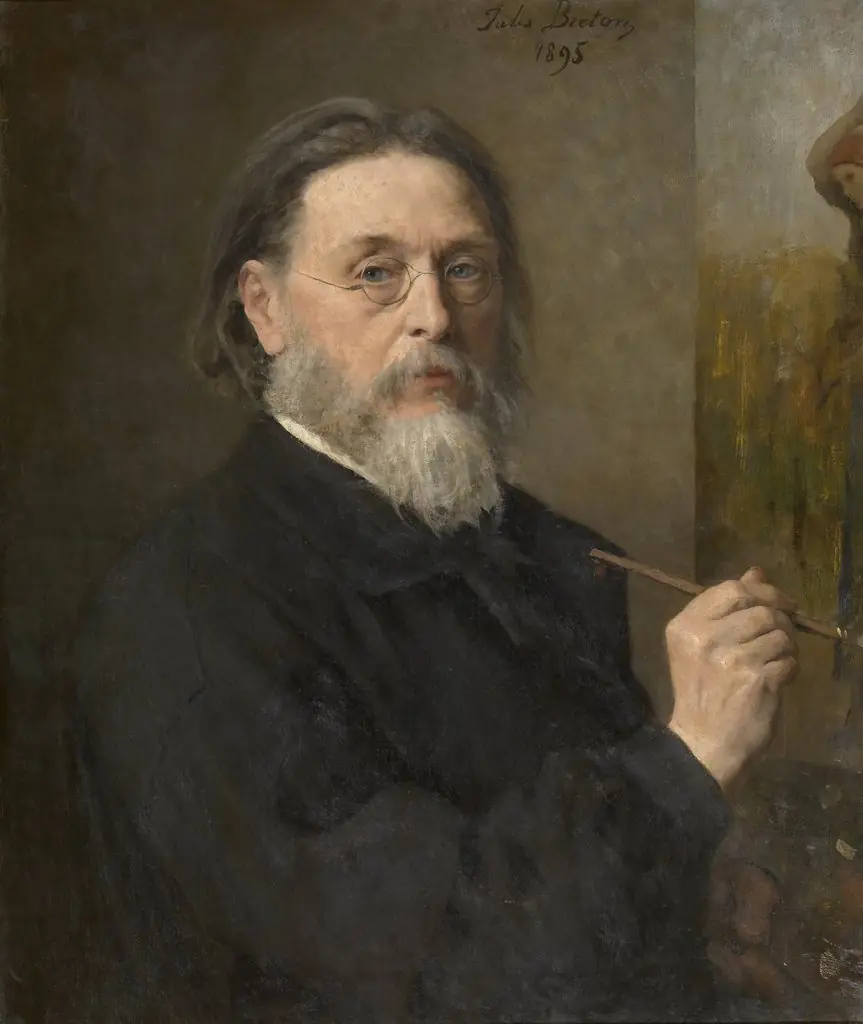 Self-portrait
 Portrait of T.P. Gill, Journalist, Secretary, Department of Agriculture and Technical Instruction
 Self Portrait