Artwork
Sir Henry Thompson, Bart (1878)
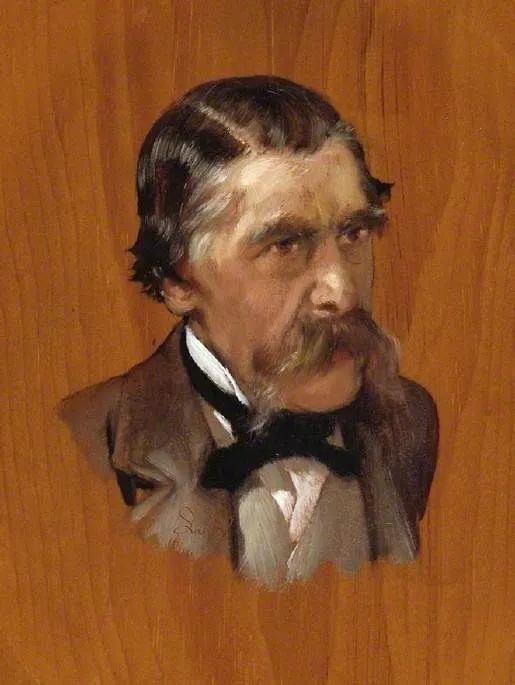
Sir Henry Thompson, Bart (1878) is an oil painting by the Impressionist artist Lawrence Alma-Tadema. It dates from 1890 and is held in the collection of the Fitzwilliam Museum.
About this work
Overview
Though Alma-Tadema is best known for his meticulously detailed classical scenes, this work represents a departure into portraiture.
Painted in 1878, this oil portrait depicts Sir Henry Thompson, 1st Baronet, by the Dutch-born artist Lawrence Alma-Tadema. Though Alma-Tadema is best known for his meticulously detailed classical scenes, this work represents a departure into portraiture. Executed with refined technique, it captures a prominent Victorian figure in a restrained, dignified manner, reflecting the artist’s adaptability beyond historical subjects.
Subject & Meaning
Sir Henry Thompson was a respected English surgeon and medical reformer, later honored with a baronetcy. The portrait presents him not as a public icon but as a private individual—composed, thoughtful, and quietly authoritative. His calm expression and formal attire suggest professionalism and restraint, aligning with the values of the Victorian elite. The absence of symbolic elements emphasizes his personal stature over institutional identity.
Technique & Style
Alma-Tadema employed soft, blended brushwork to render the sitter’s features with subtle realism. The warm, neutral background isolates the figure, drawing attention to the texture of his coat, the sheen of his bow tie, and the fine detail of his mustache and hair. Unlike his elaborate historical compositions, this portrait favors simplicity and tonal harmony, showcasing his command of light and surface without ornamental distraction.
History & Provenance
The painting entered the collection of the Fitzwilliam Museum in Cambridge, where it remains today. Its acquisition reflects the museum’s interest in Victorian portraiture and the work of Anglo-Dutch artists. Though not widely exhibited, it has been consistently cataloged as a significant example of Alma-Tadema’s lesser-known figurative work, preserving the likeness of a notable medical figure of the era.
Context
In the late 19th century, British society valued portraiture as a marker of social standing and intellectual achievement. While Alma-Tadema was celebrated for ancient Roman scenes, he also received commissions from the professional class. This portrait aligns with a broader trend among artists to document the emerging elite—scientists, doctors, and industrialists—whose influence rivaled that of the aristocracy.
Legacy
Though overshadowed by Alma-Tadema’s grand historical paintings, this portrait endures as a quiet testament to his versatility. It offers insight into how a painter known for opulent antiquity could adapt his skill to convey the dignity of contemporary life. The work contributes to the understanding of Victorian portraiture beyond formal aristocratic commissions, capturing the ethos of a professional class in transition.
Artist & collection
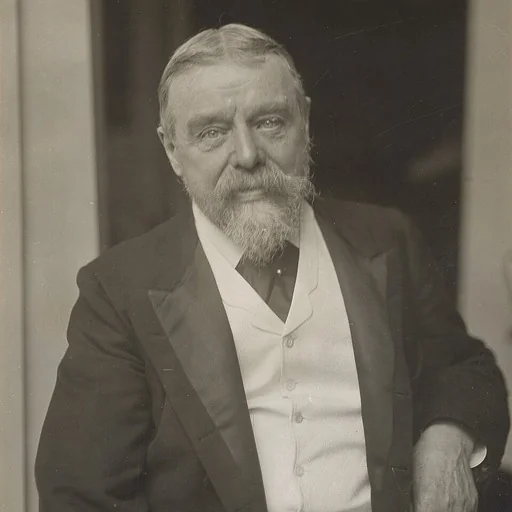
Artist
Sir Lawrence Alma-Tadema ( AL-mə TAD-ay-mə; born Lourens Alma Tadema, Dutch: ; 8 January 1836 – 25 June 1912) was a Dutch painter who later settled in the United Kingdom, becoming the last officially recognised denizen in 1873.

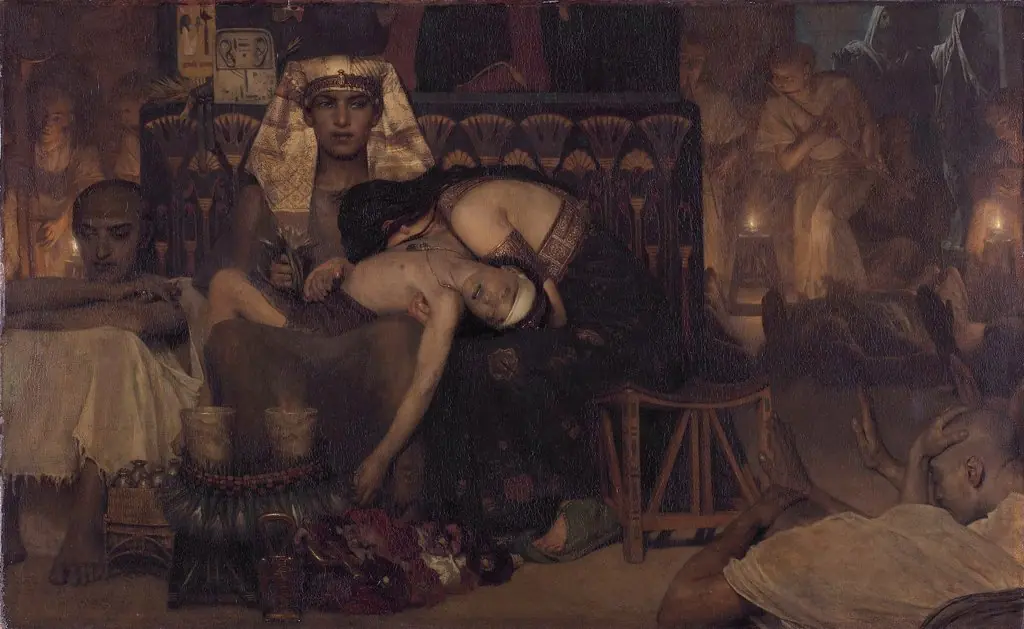
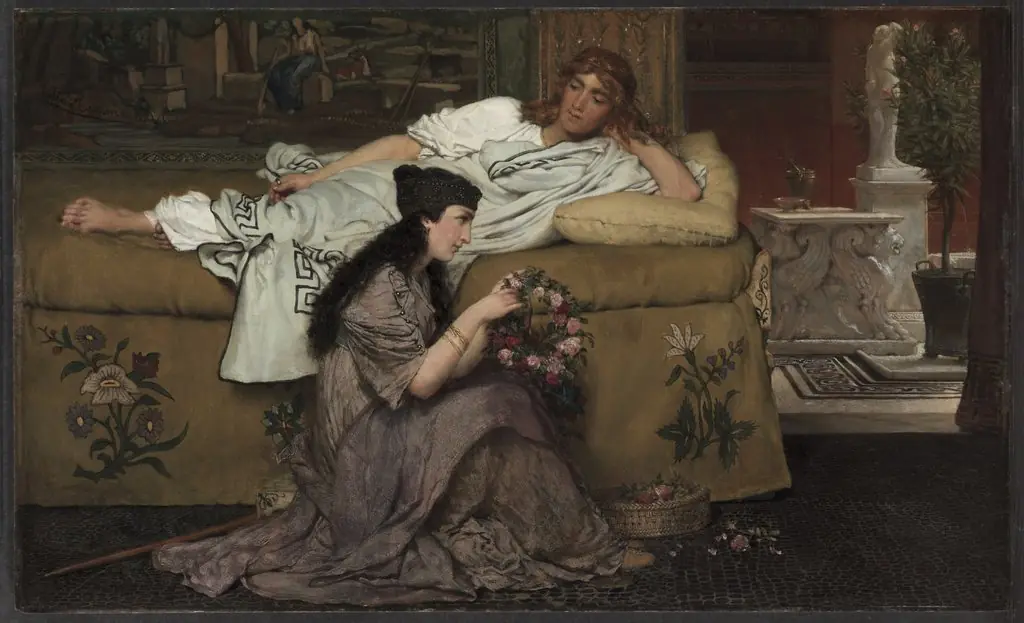
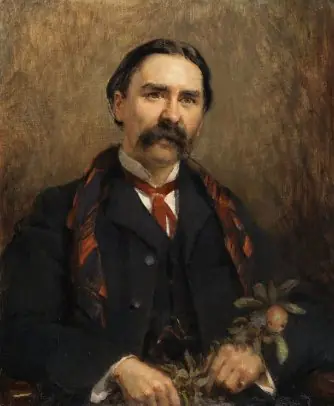 Portrait of Dr Douglas Hyde (1860-1949), Poet, Scholar and First President of Ireland
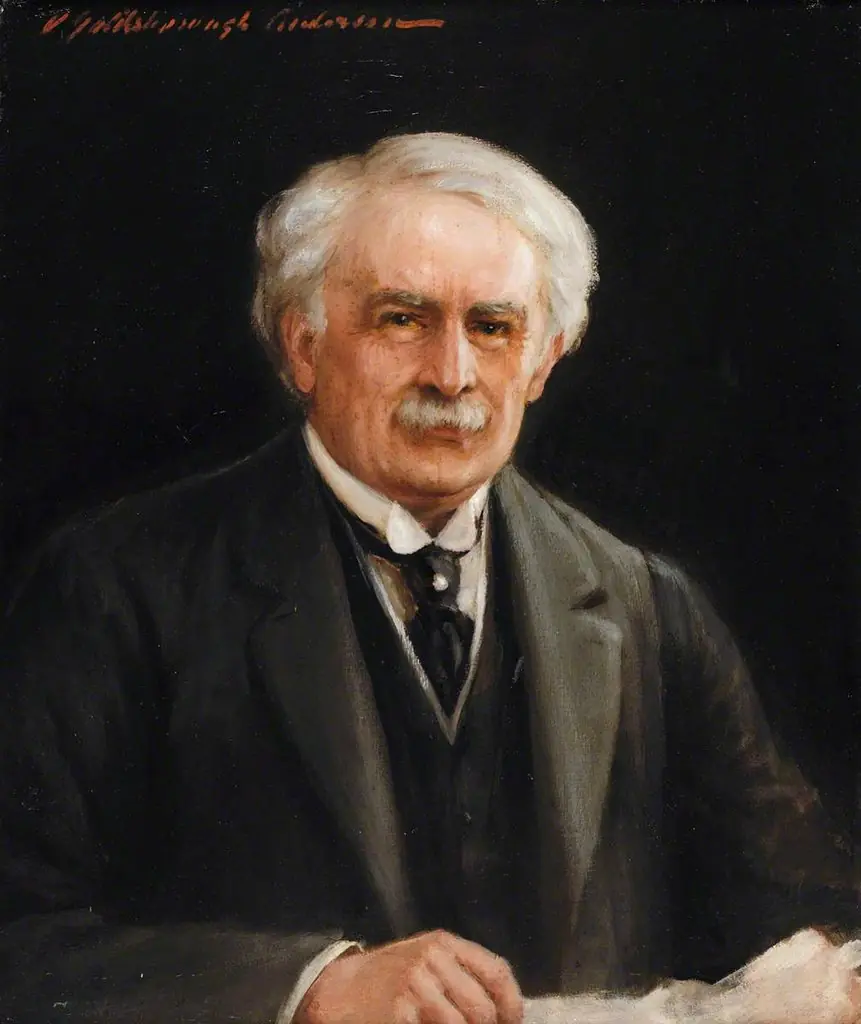 David Lloyd George (1863–1945)
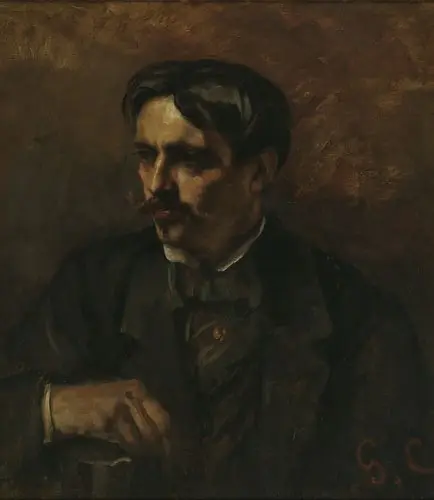 Portrait of the painter Alfred Stevens
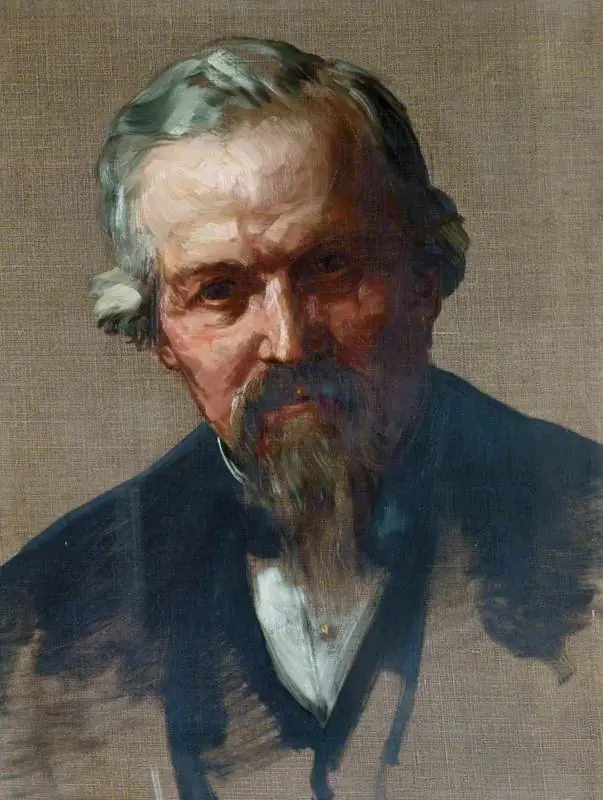 Professor John Marshall (1818–1891), FRS, Surgeon
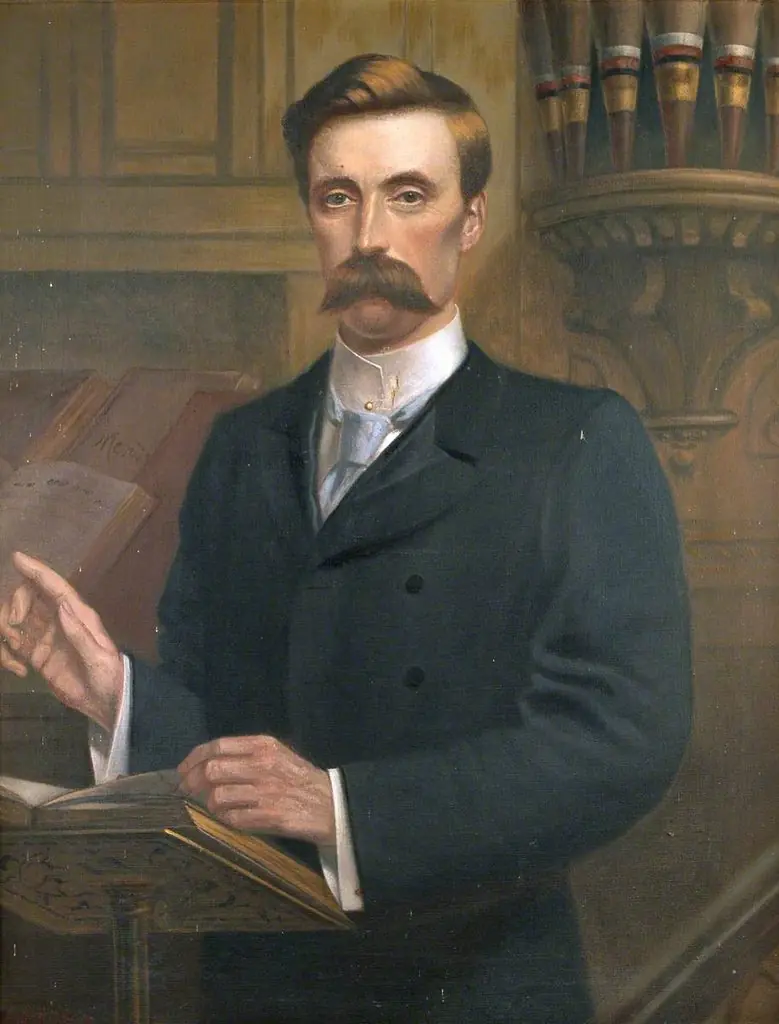 Mr John Thomas Edwards (c.1869–1943)
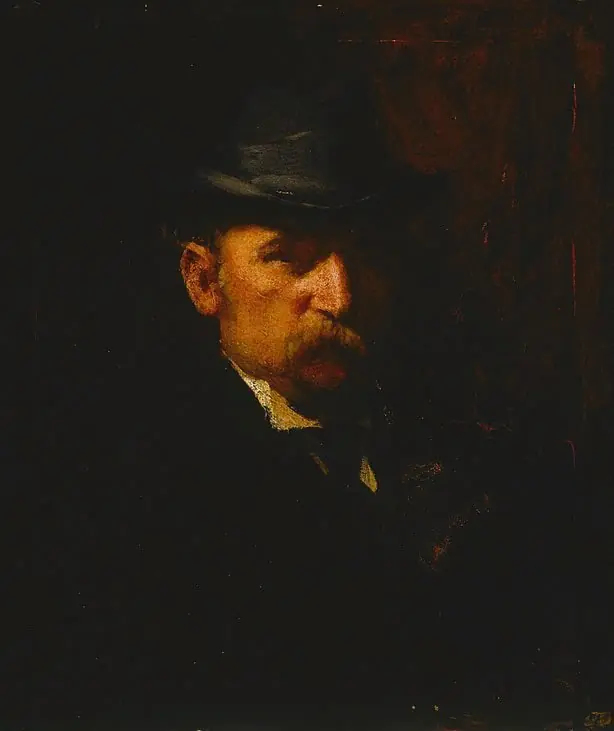 Portrait of John Ford Paterson
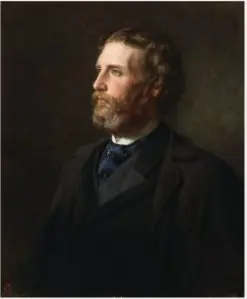 Portrait of Frederic William Burton (1816-1900), Artist and Director of the National Gallery, London
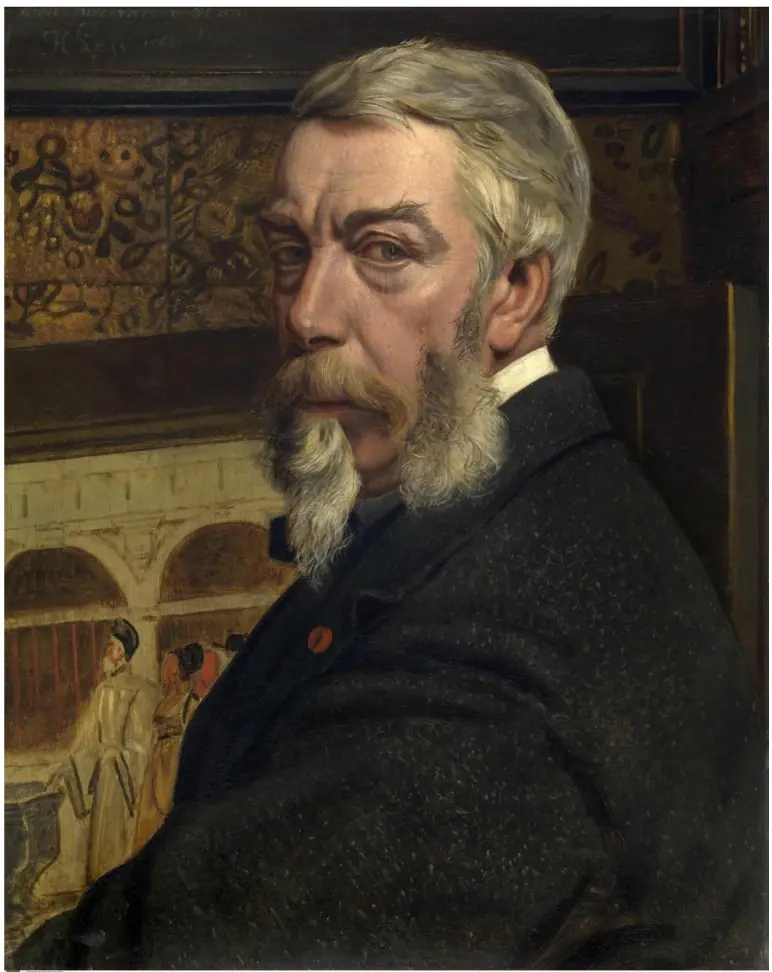 Self-portrait
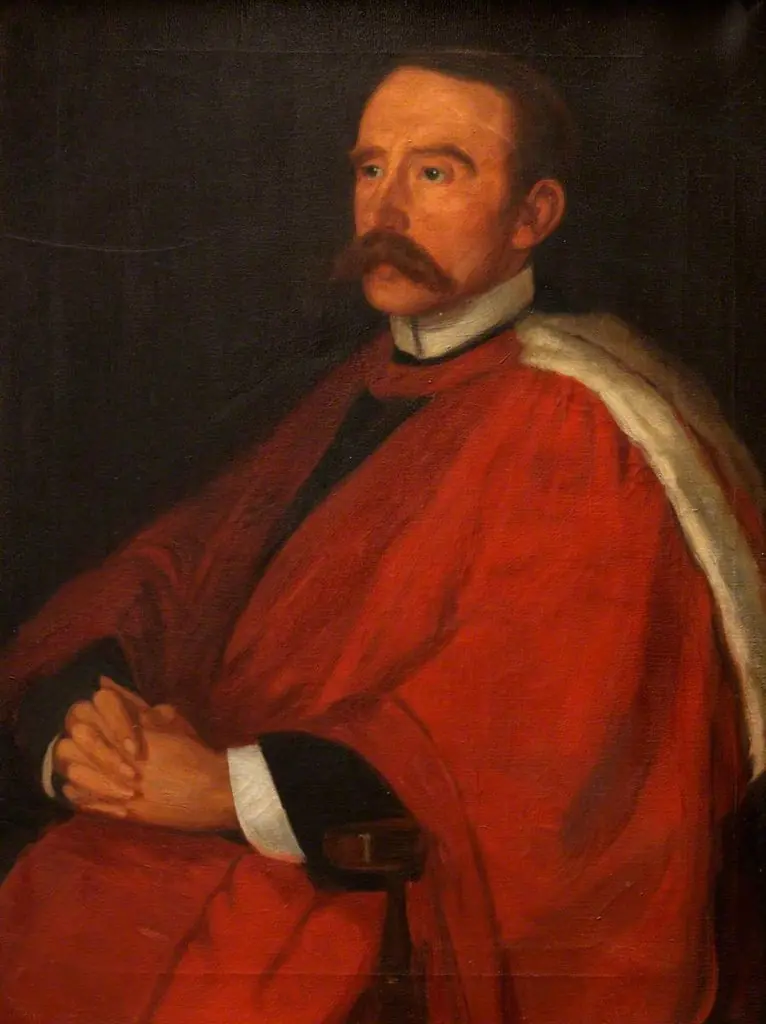 Dr T. F. Roberts (1860–1919), MA, LLD, Principal of University of Wales, Aberystwyth (1892–1919)
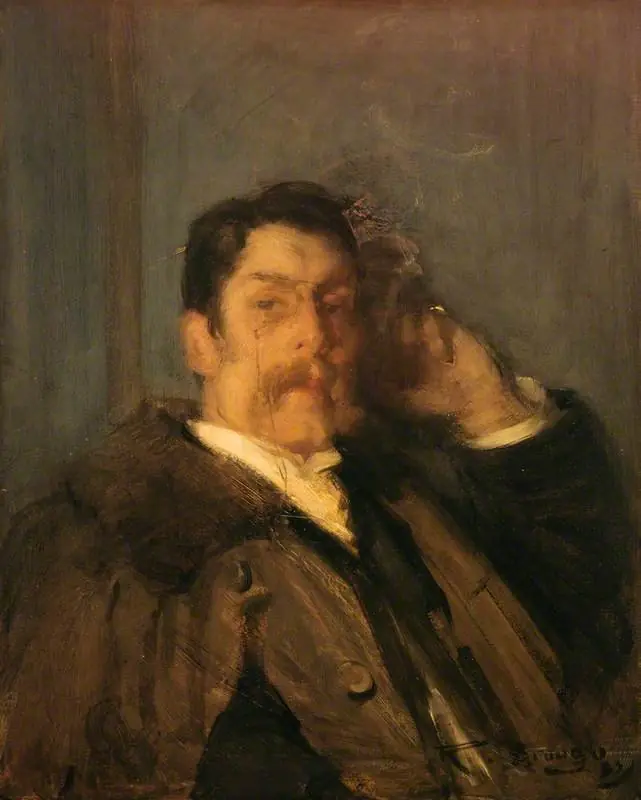 William Dallas Ross (died 1931)
 Self-Portrait
 Edward Robert Bulwer Lytton (1831–1891), 1st Earl Lytton