Artwork
The Blind Beggar
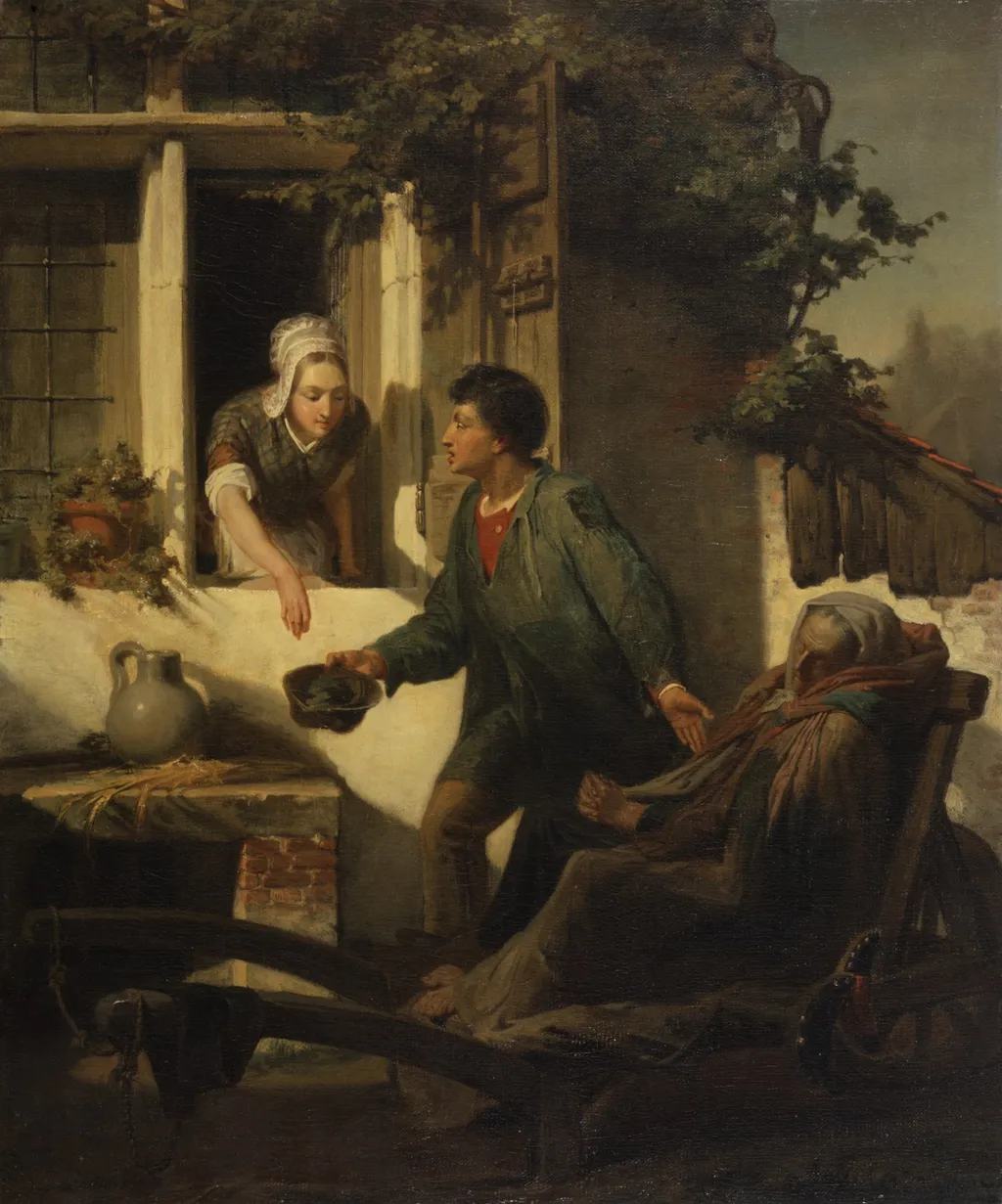
The Blind Beggar is an oil painting by the Realist artist Lawrence Alma-Tadema. It dates from 1856 and is held in the collection of the Walters Art Museum.
About this work
Overview
Painted in 1856 by Dutch artist Lawrence Alma-Tadema, *The Blind Beggar* is an early work created before his shift toward classical antiquity.
Painted in 1856 by Dutch artist Lawrence Alma-Tadema, *The Blind Beggar* is an early work created before his shift toward classical antiquity. Executed in oil on canvas, it reflects the Realist emphasis on unembellished depictions of ordinary life. Alma-Tadema, then a student at the Royal Academy of Antwerp, focused on contemporary urban scenes rather than historical themes. The painting is now part of the Walters Art Museum’s collection, offering insight into his formative years as an artist.
Subject & Meaning
The scene centers on a blind man seated on a simple chair, his eyes covered by a white cloth, suggesting vulnerability and isolation. Two figures stand nearby: a man holding a hat, possibly collecting alms, and a woman observing silently from behind. Their stillness and muted gestures convey a quiet dignity rather than pity. The composition avoids melodrama, aligning with Realist principles that sought to portray social conditions without sentimentality or moralizing.
Technique & Style
Alma-Tadema employs chiaroscuro to model the figures with subtle gradations of light and shadow, lending volume and spatial depth. The beggar’s dark clothing contrasts with the brighter tones of the onlookers’ garments, directing attention to the central figure. Brushwork is restrained and precise, avoiding theatricality. Background elements—a windowsill with plants, a building facade—are rendered with quiet detail, reinforcing the scene’s domestic realism without distraction.
History & Provenance
Created during Alma-Tadema’s training in Antwerp, the painting predates his later fame for Roman interiors and classical narratives. It remained in private hands until entering the Walters Art Museum’s collection, where it has been preserved as an example of early European Realism. Its survival offers a rare glimpse into the artist’s development before he embraced historical subjects, making it a significant marker in his artistic trajectory.
Context
In mid-19th-century Europe, Realism emerged as a reaction against Romantic idealism, emphasizing everyday subjects and social observation. Artists like Courbet and Millet influenced this shift, and Alma-Tadema, though later known for antiquity, initially engaged with contemporary urban life. *The Blind Beggar* reflects this broader movement, capturing a moment of quiet human interaction in a cityscape that acknowledges poverty without exploitation.
Legacy
Though Alma-Tadema’s later works overshadowed this early piece, *The Blind Beggar* remains a testament to his foundational skills and engagement with social realism. It demonstrates his capacity for nuanced observation before he turned to grand historical themes. As one of his few surviving genre scenes from this period, it contributes to understanding the breadth of his artistic beginnings and the wider Realist context in which he trained.
Own this work as a print
Artist & collection
Artist
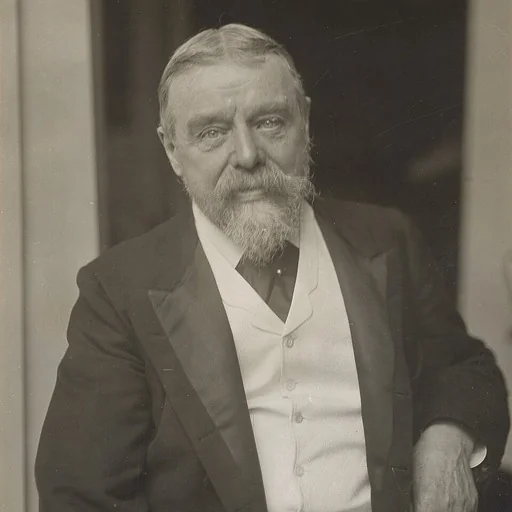
Sir Lawrence Alma-Tadema ( AL-mə TAD-ay-mə; born Lourens Alma Tadema, Dutch: ; 8 January 1836 – 25 June 1912) was a Dutch painter who later settled in the United Kingdom, becoming the last officially recognised denizen in 1873.

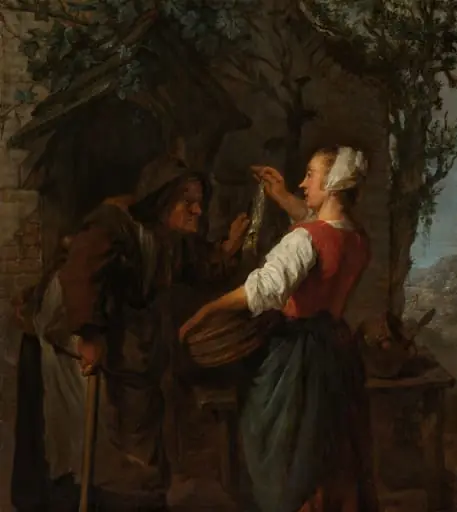 De haringkoopvrouw
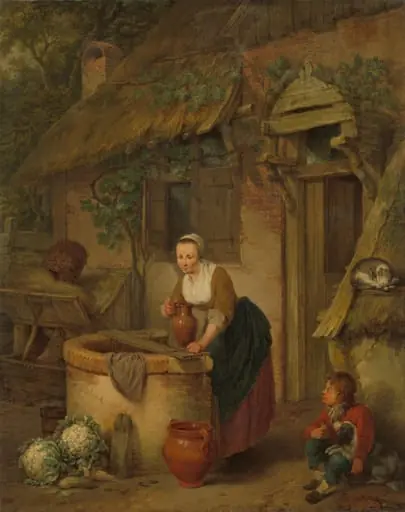 Woman Drawing Water from a Well
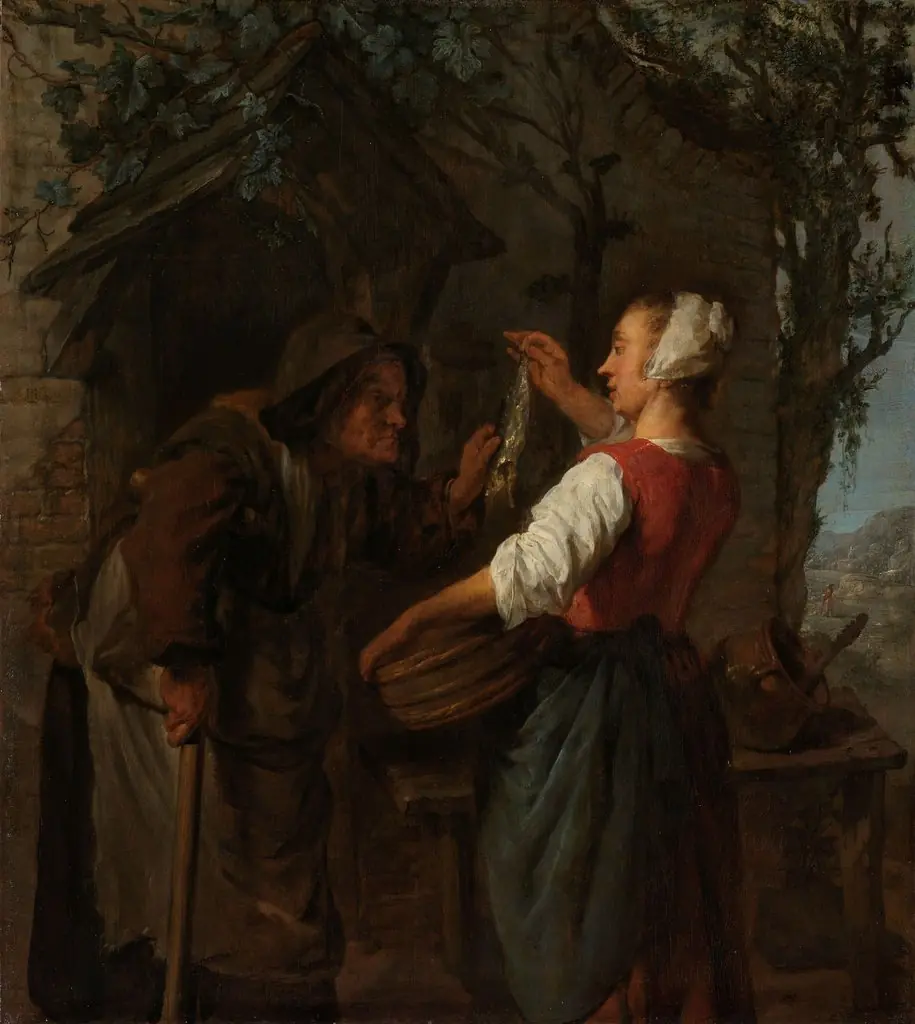 Woman selling herring
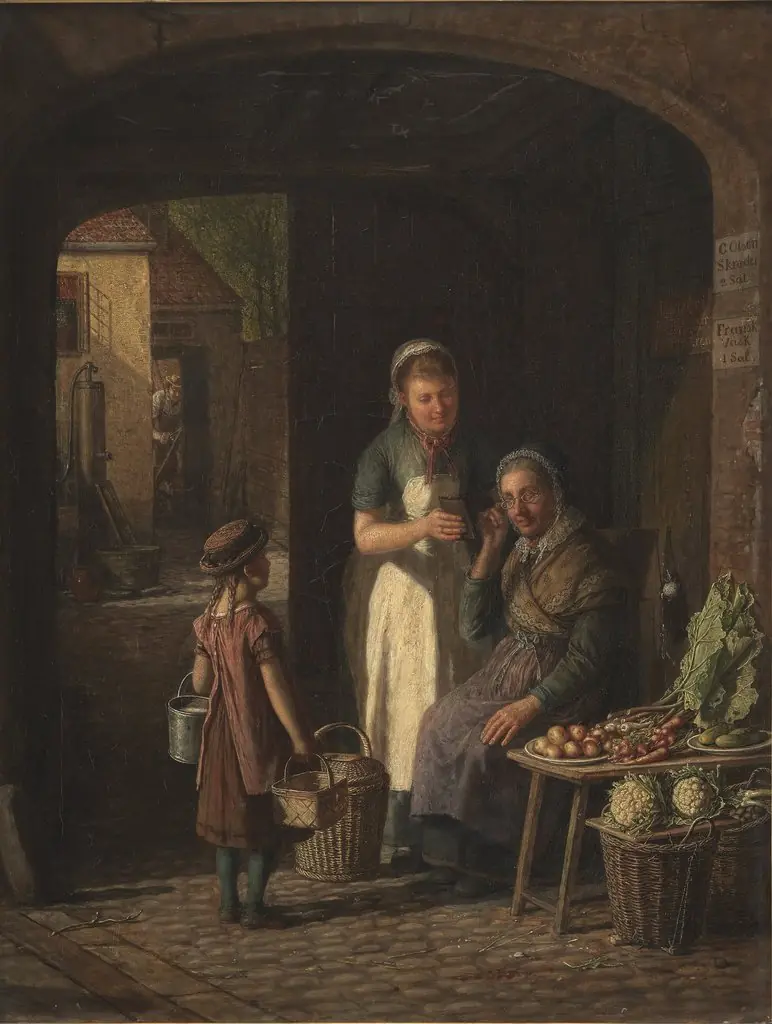 En tjenestepige viser sin kærestes portræt til en grønthandlerske
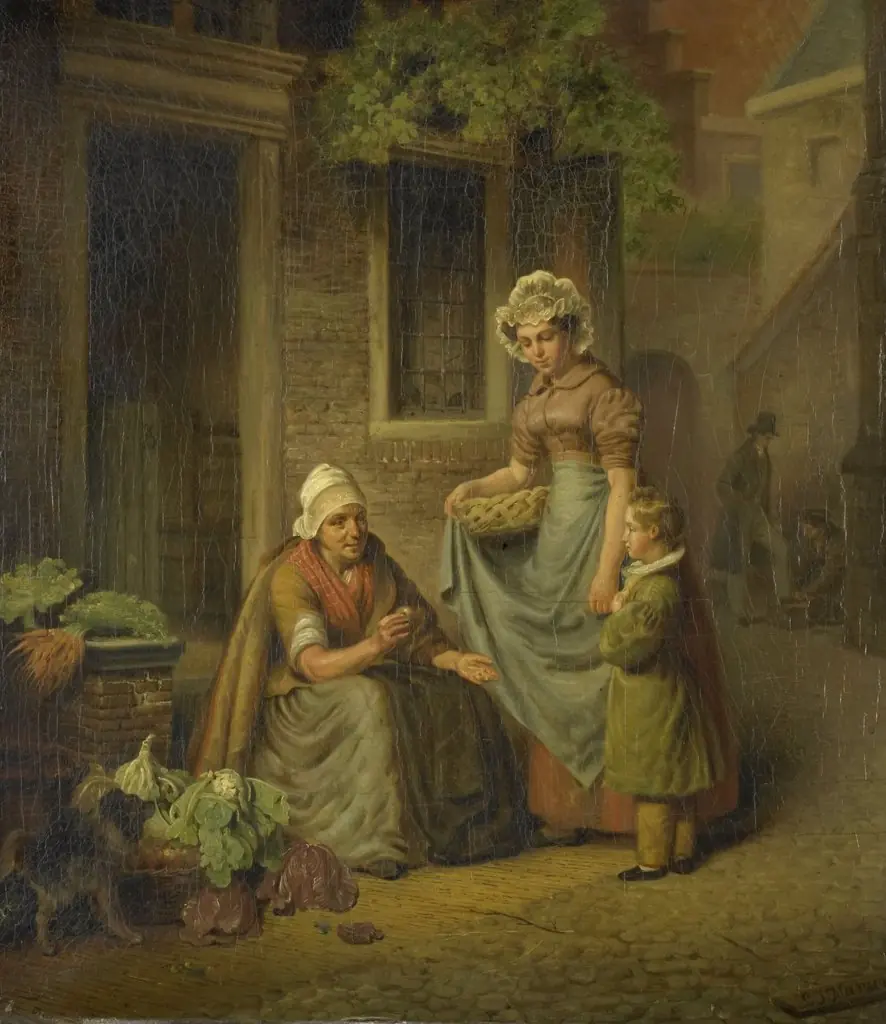 Woman Selling Vegetables
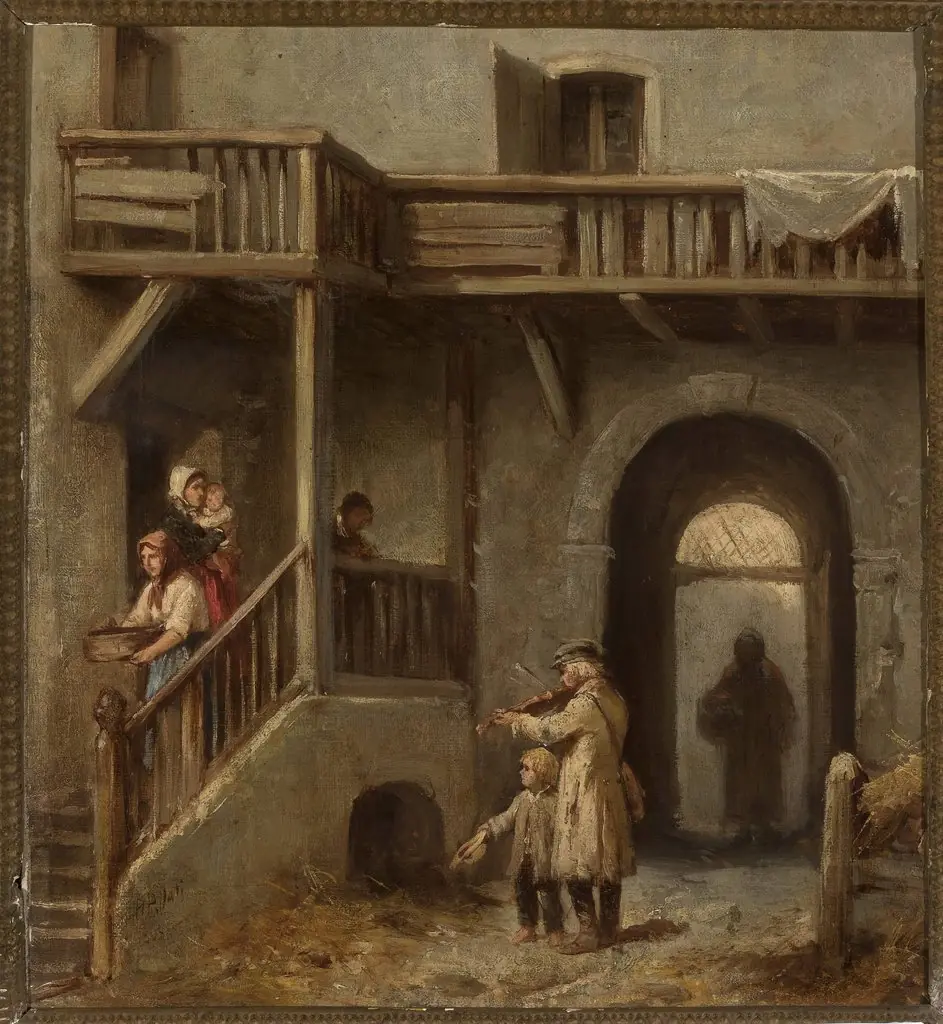 Street fiddler
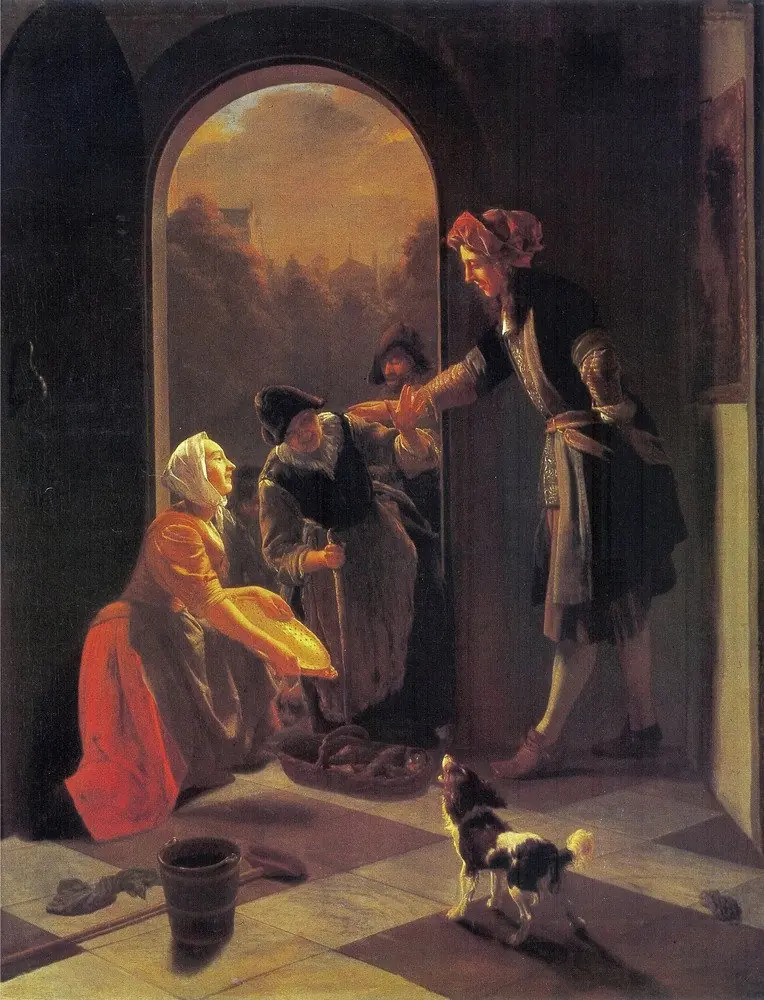 Woman selling fish at the door of a house
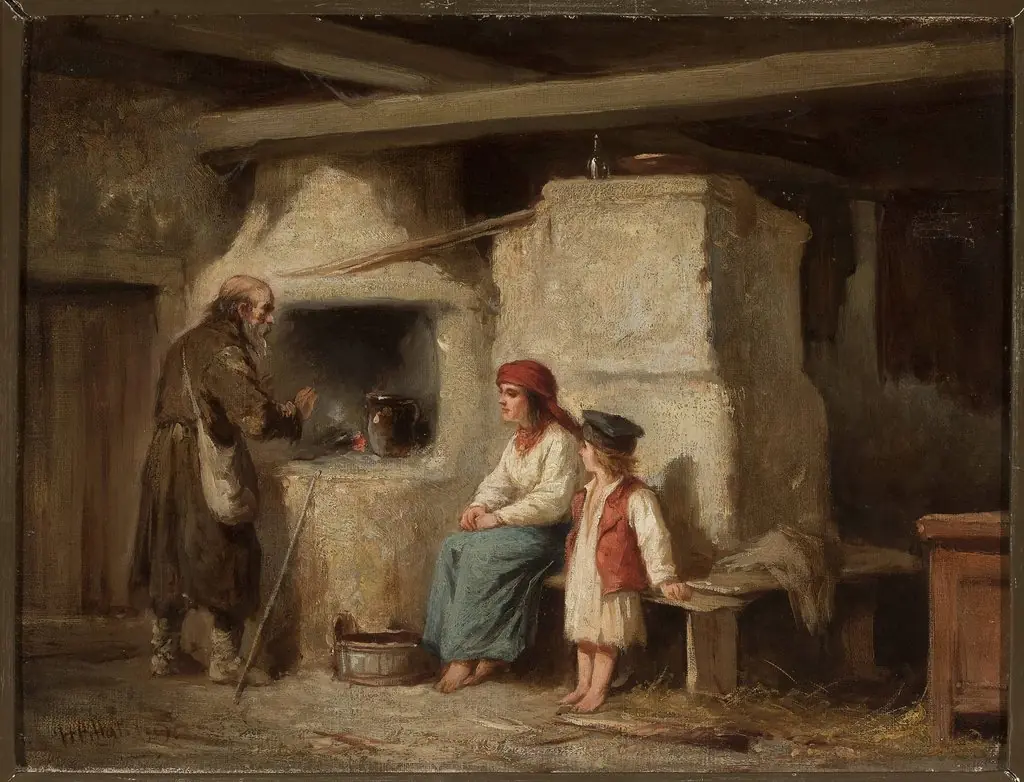 In a peasant cottage
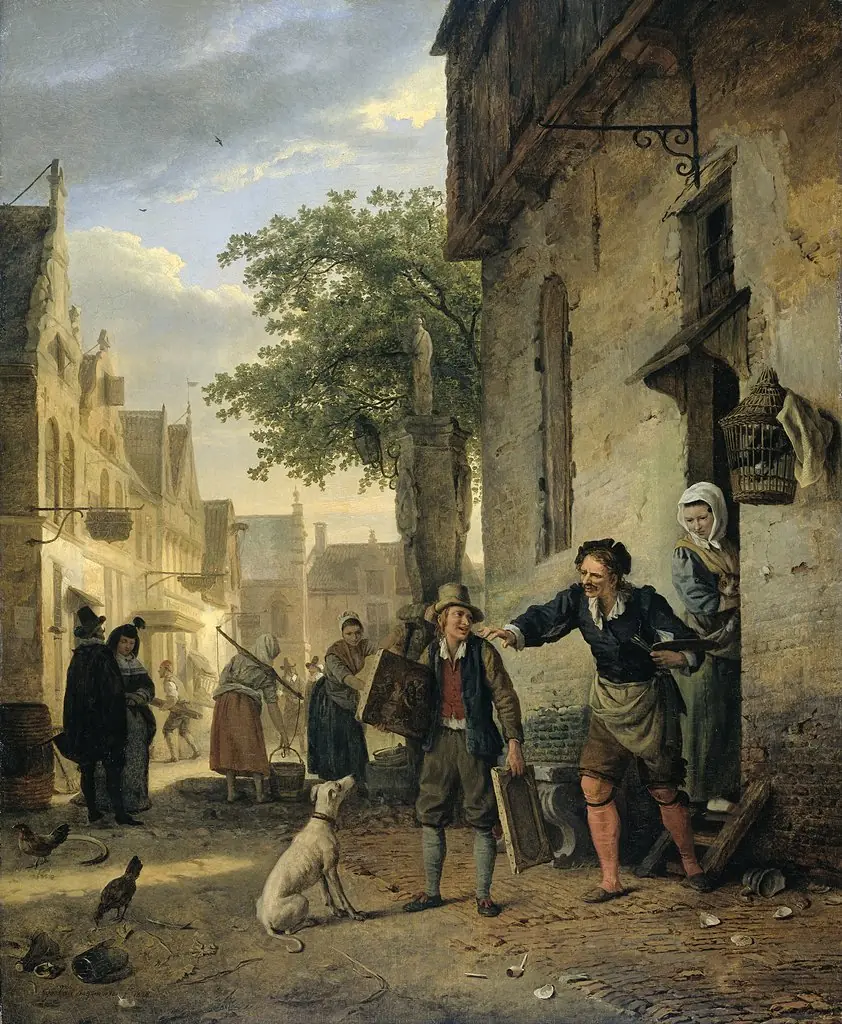 Jan Steen Sends his Son to the Streets to Exchange Paintings for Beer and Wine
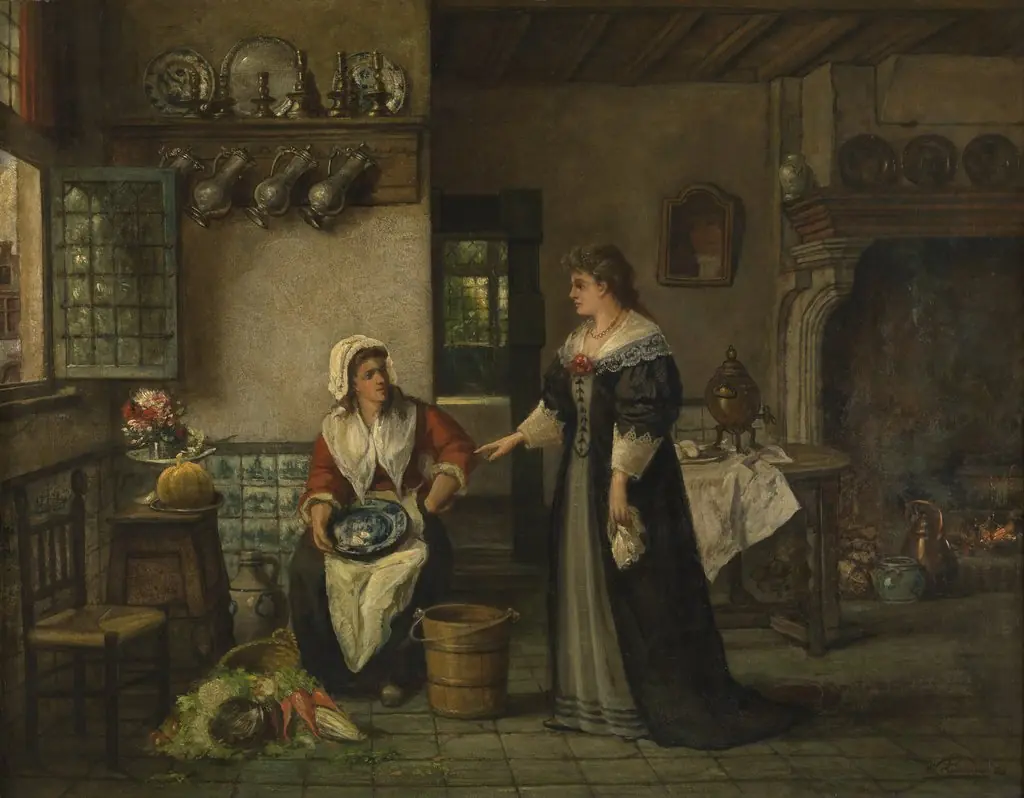 Kitchen
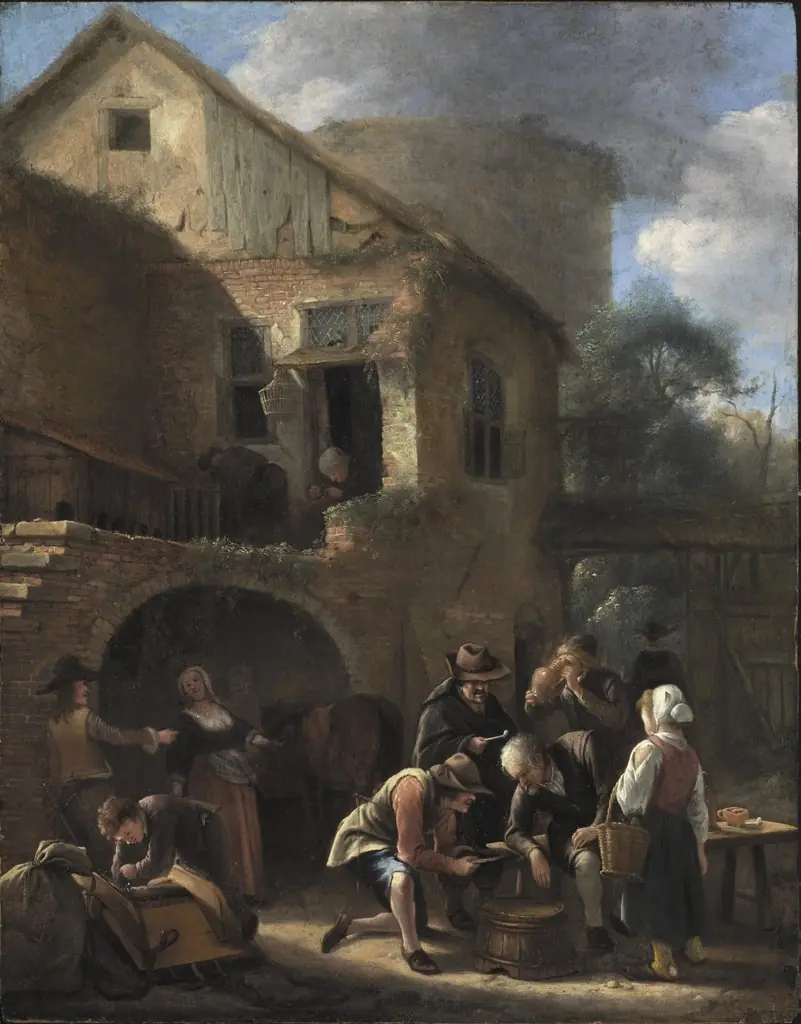 A Party of Peasants
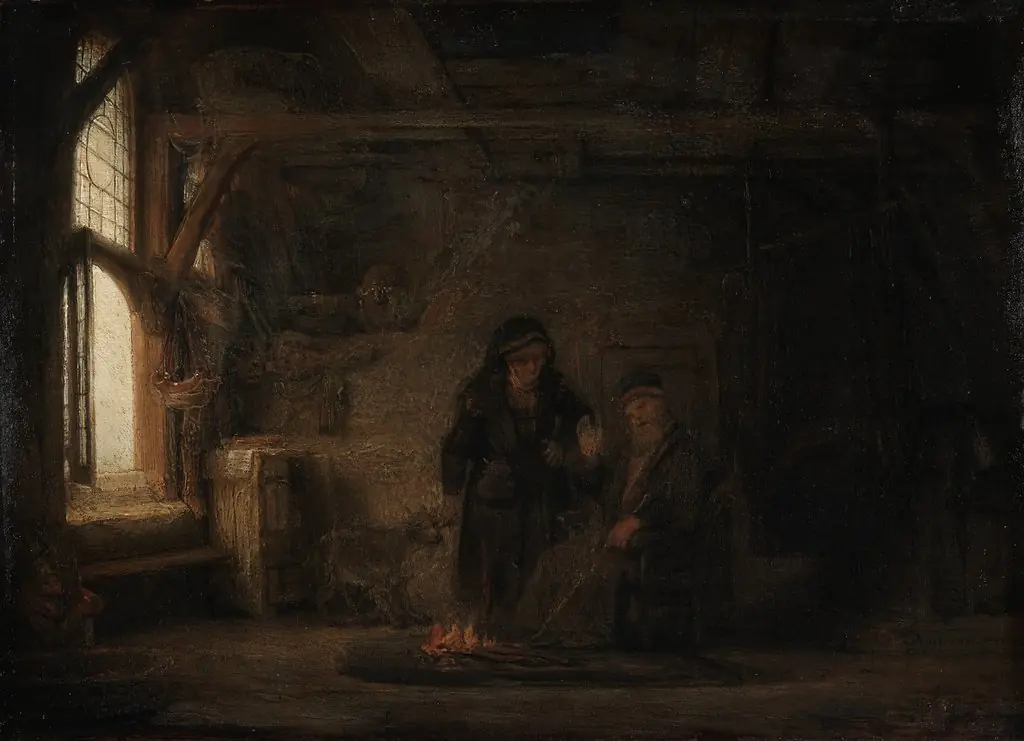 Tobit and Anna with the Kid