Artwork
Seated Boy
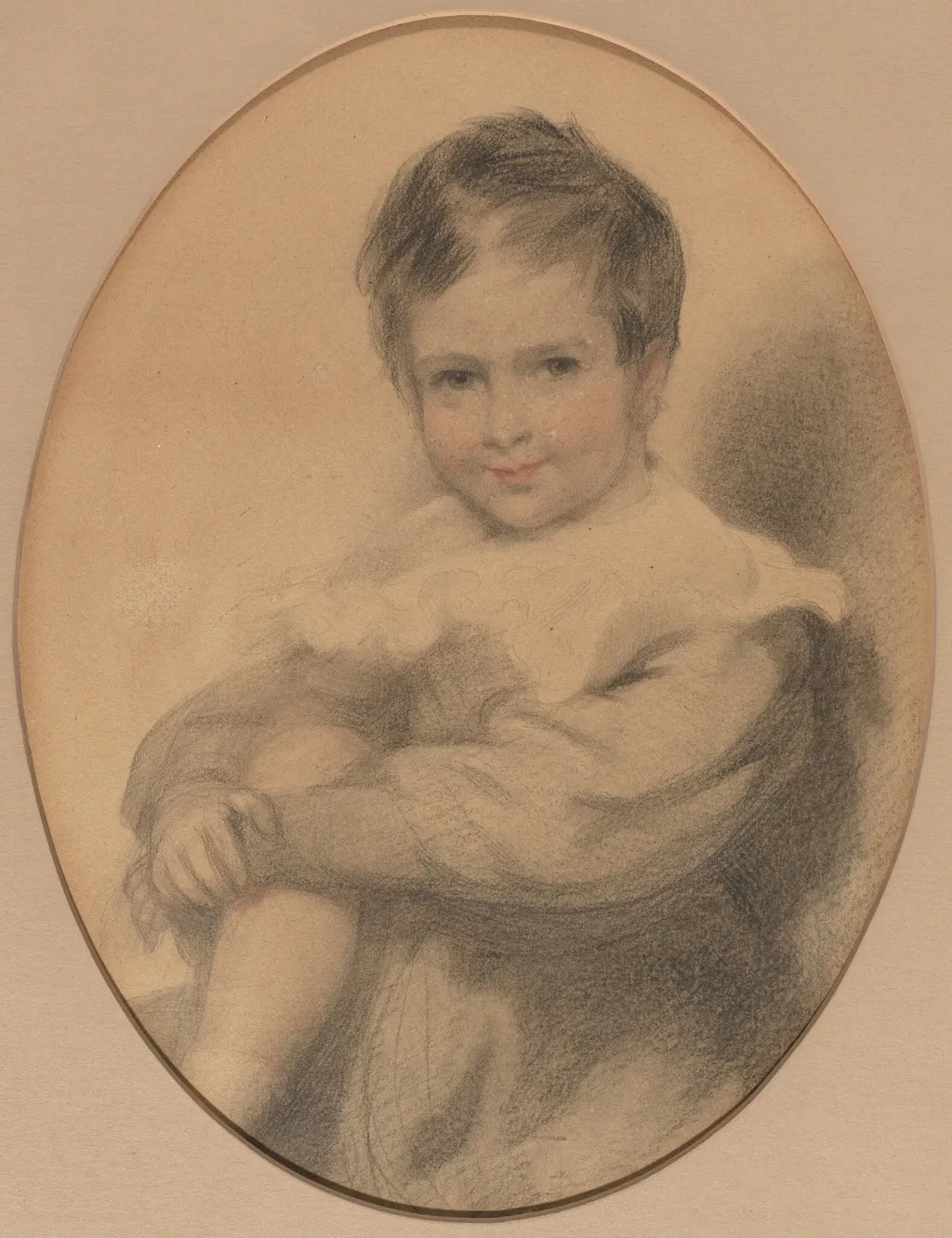
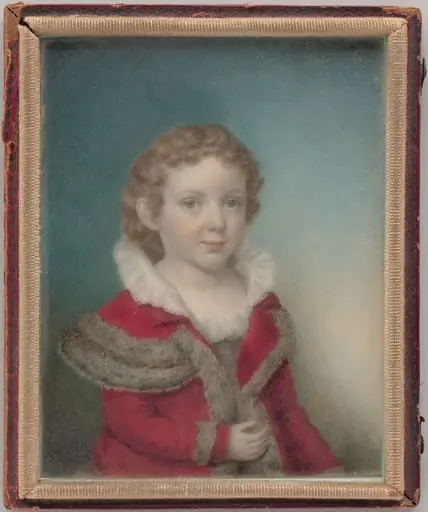
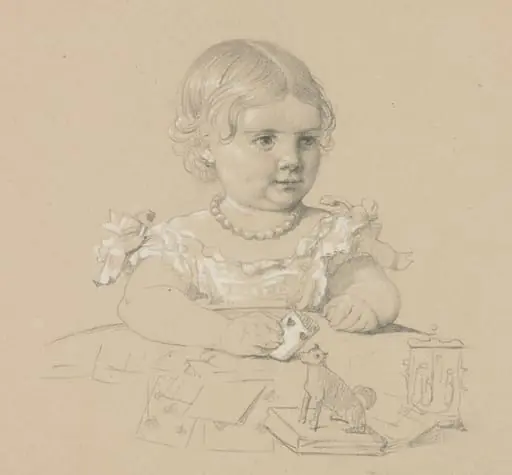
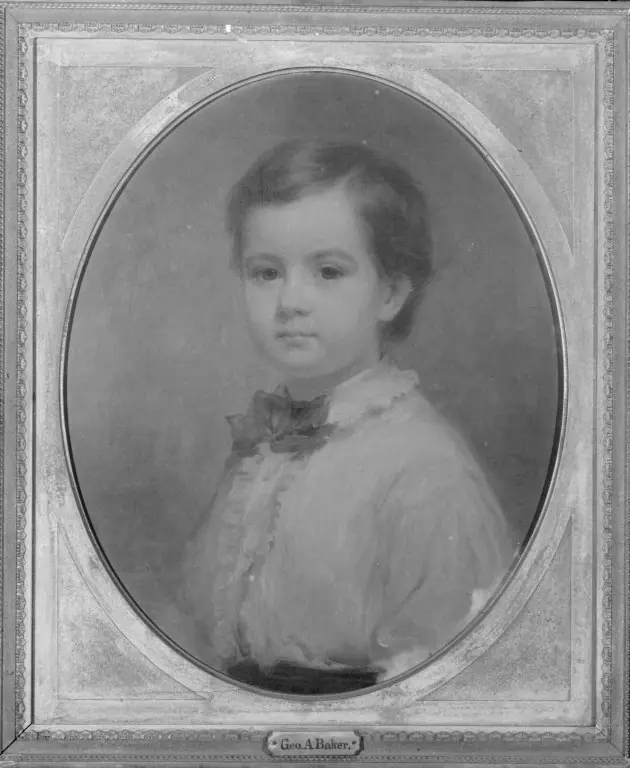
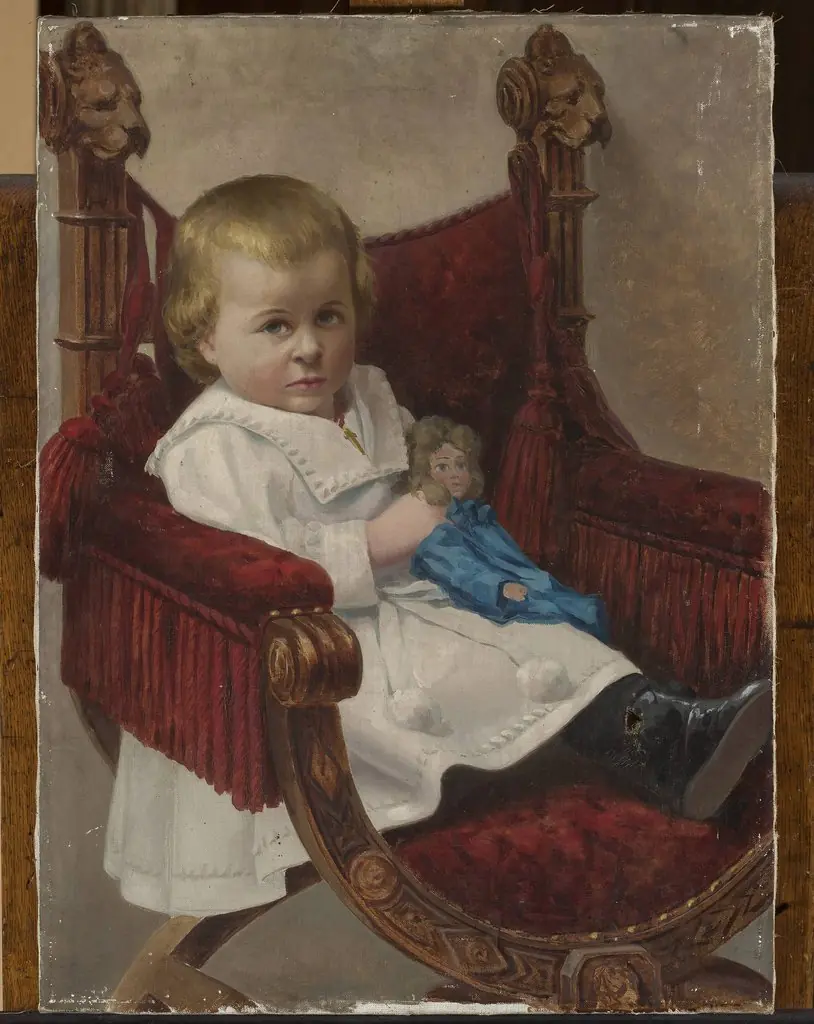
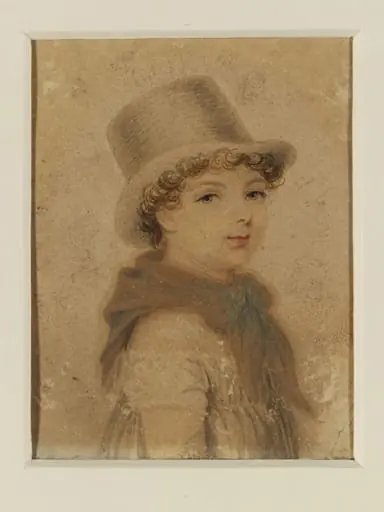
Seated Boy is a graphite drawing by the Romanticist artist Thomas, Sir Lawrence. It dates from 1800 and is held in the collection of the National Gallery of Art. Created around 1800 by Sir Thomas Lawrence, this drawing depicts a young boy seated in quiet repose.
About this work
Overview
Created around 1800 by Sir Thomas Lawrence, this drawing depicts a young boy seated in quiet repose. Executed in black and red chalk with graphite on cardboard, the work captures a moment of stillness with minimal yet deliberate marks. The medium’s softness enhances the intimacy of the portrait, suggesting a private observation rather than a formal commission.
Subject & Meaning
The boy, dressed in a light garment and shawl, gazes directly at the viewer with a composed expression. His neat hair and relaxed posture convey a sense of calm dignity. Though unidentified, his presence evokes themes of childhood innocence and quiet introspection, common in early 19th-century portraiture that valued emotional subtlety over grandeur.
Technique & Style
Lawrence employed a restrained palette of chalk and graphite, blending tones gently to model the boy’s form without sharp contours. Deliberate smudging softens edges, particularly around the shoulders and face, creating a tender, atmospheric effect. The technique prioritizes mood over precision, reflecting a shift toward expressive immediacy in drawing during the period.
History & Provenance
The drawing is part of Lawrence’s extensive body of portrait studies, likely made as a preparatory sketch or independent work. It entered institutional collections in the 20th century, preserved for its insight into his approach to informal portraiture. No definitive record of its original commission exists, suggesting it may have been a personal or experimental piece.
Context
In the early 1800s, British artists increasingly turned to intimate, emotionally resonant subjects. Lawrence’s focus on a child’s quiet presence aligns with broader Romantic interests in individual feeling and natural simplicity. While he was known for grand royal portraits, this drawing reveals his sensitivity to unposed, everyday moments.
Legacy
This drawing exemplifies how portraiture evolved beyond formal representation to capture psychological nuance. Though not widely exhibited, it remains a quiet testament to Lawrence’s skill in conveying presence through understated means. It contributes to the understanding of how Romantic ideals permeated even the most modest artistic exercises of the era.
Artist & collection