Artwork
A member of the Ackland family
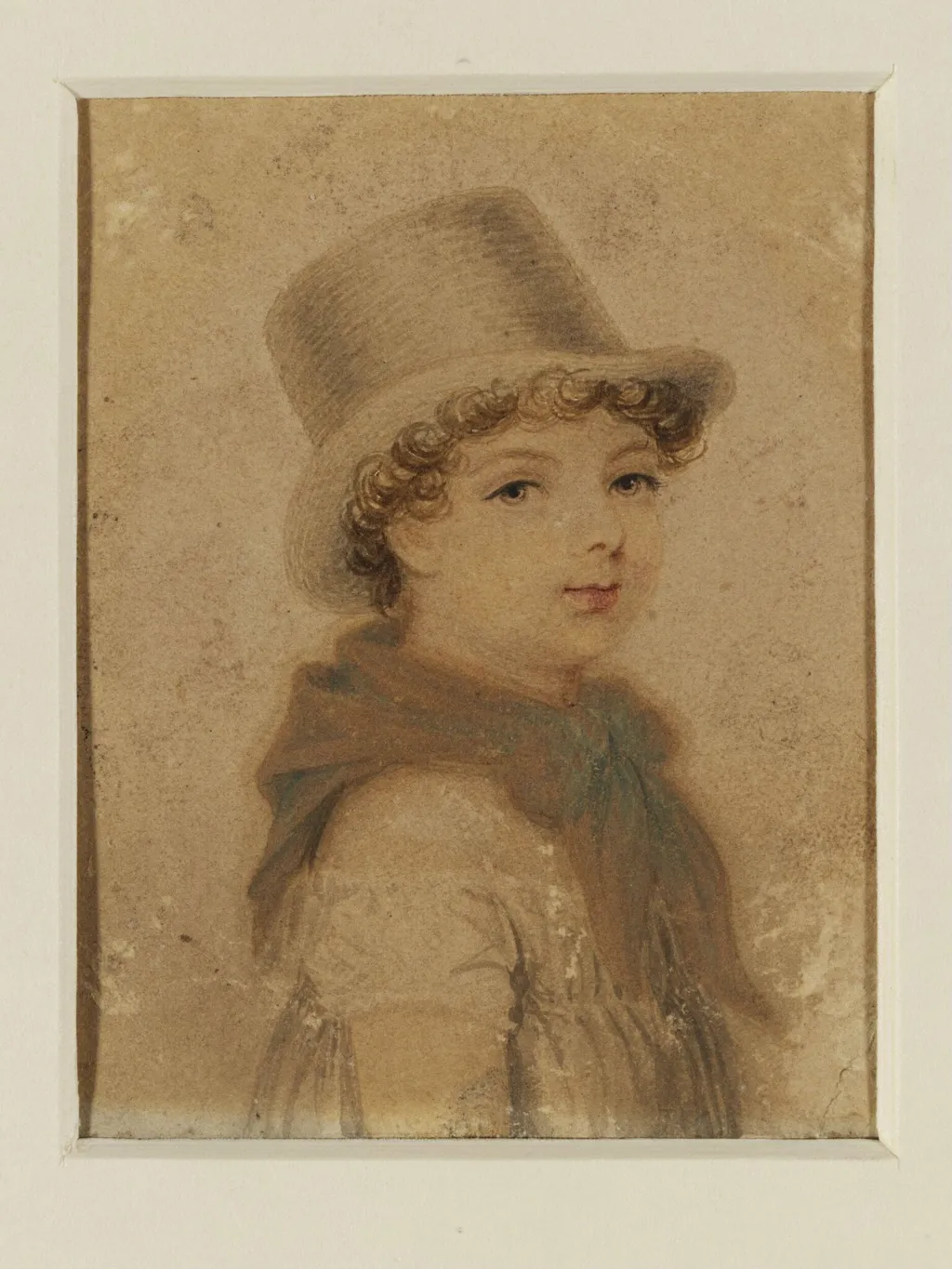
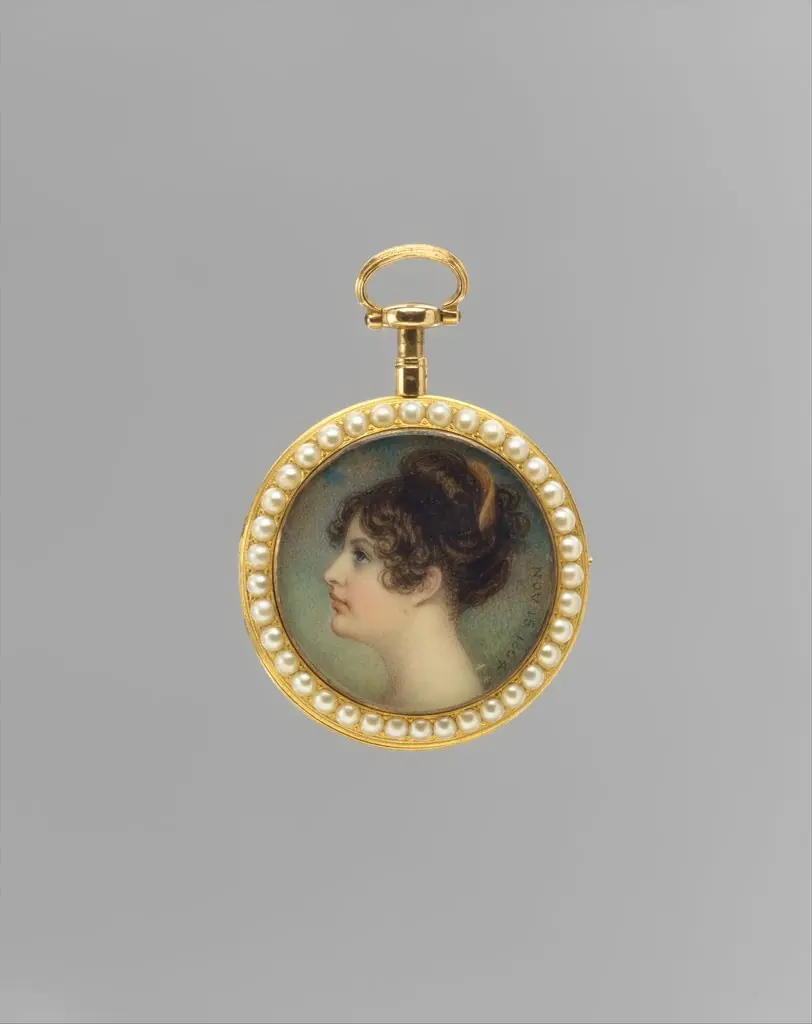
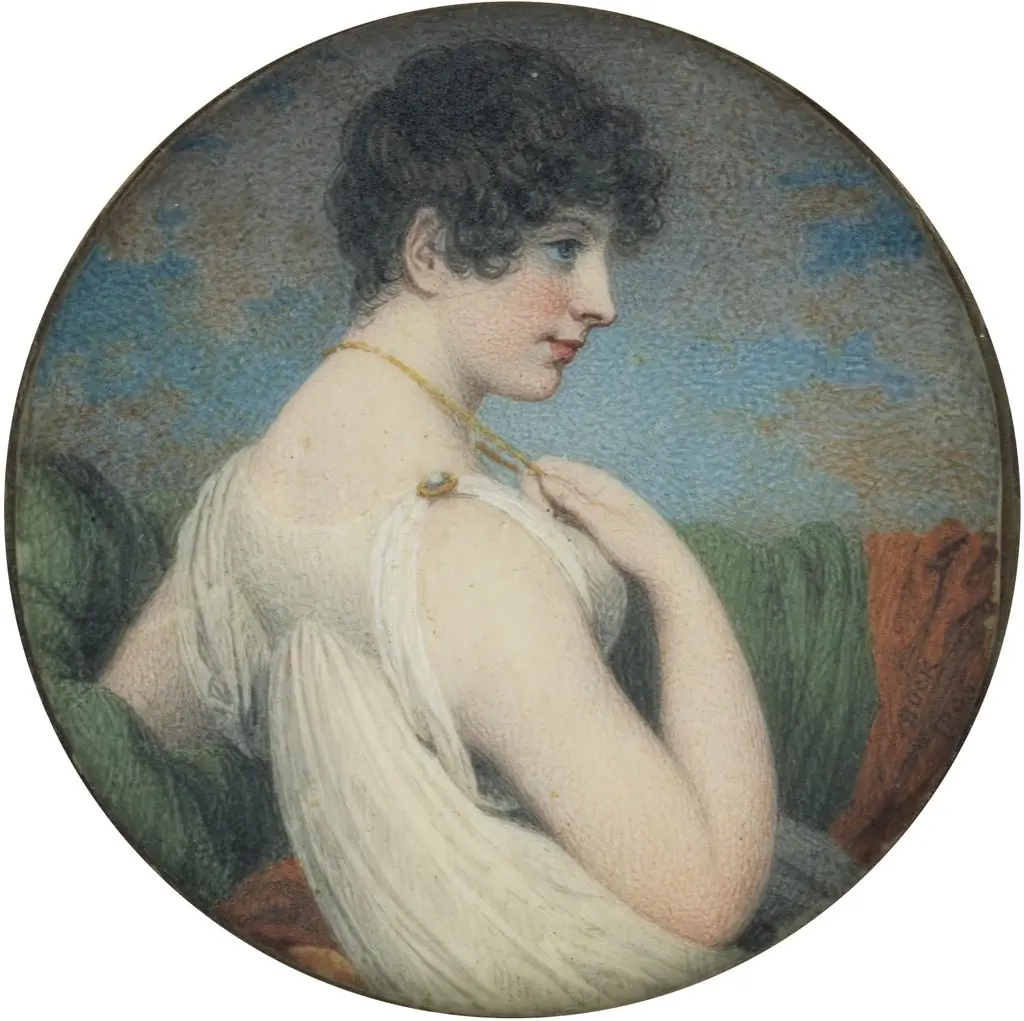
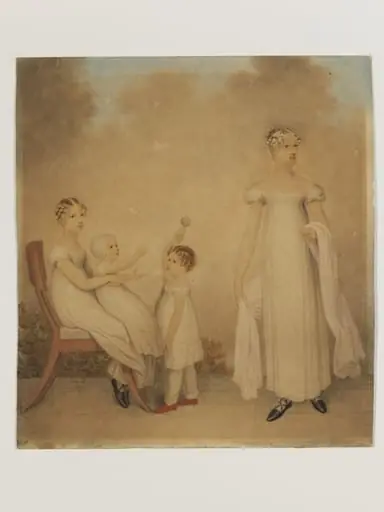
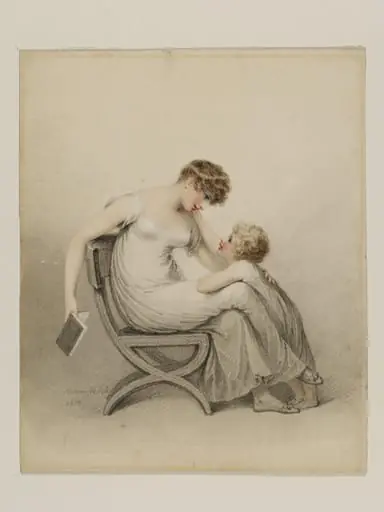
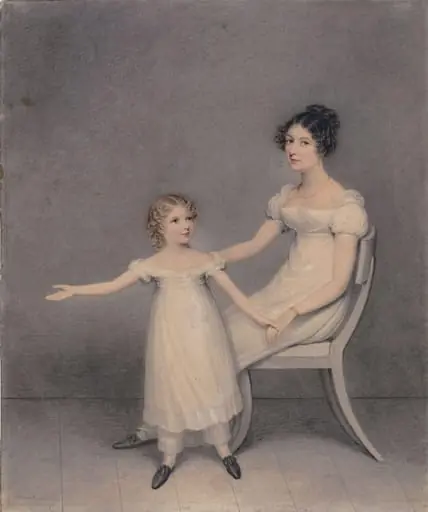
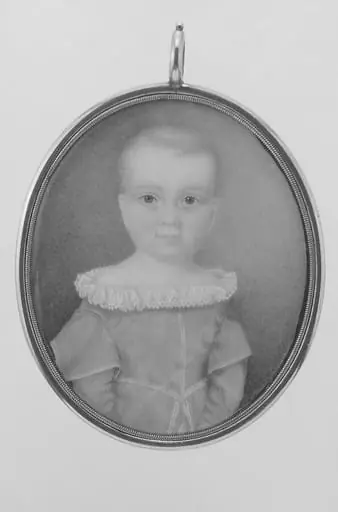
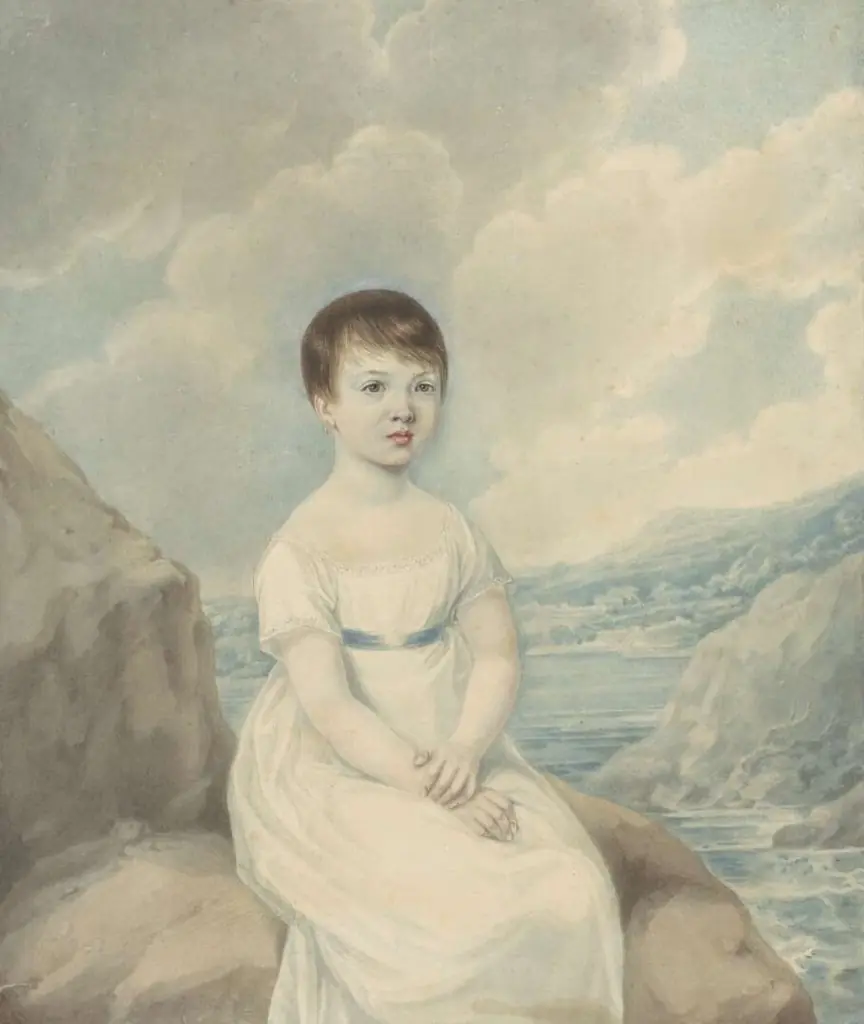
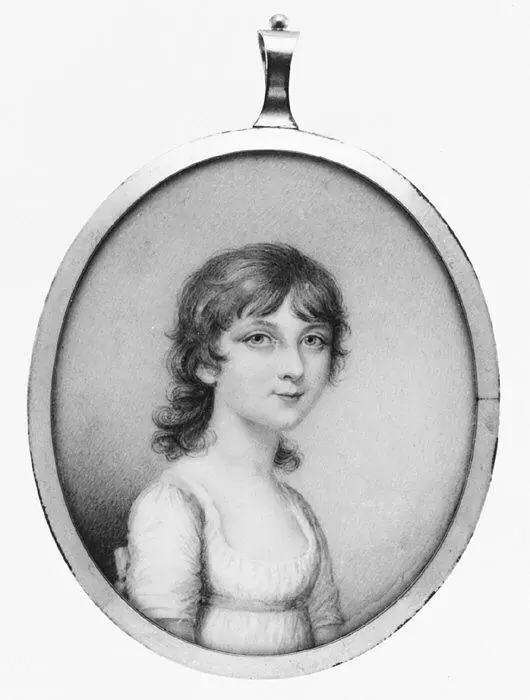
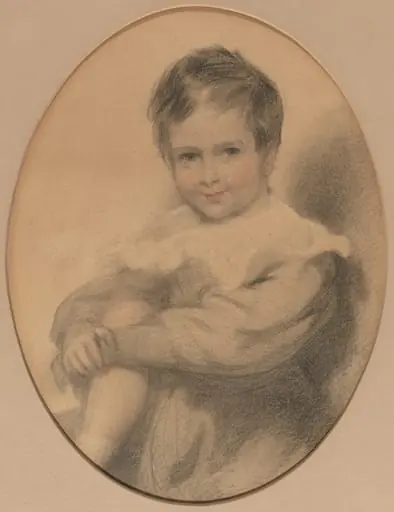
A member of the Ackland family is a watercolor work on paper by the British Romanticist artist Adam Buck. It dates from 1817 and is held in the collection of the Victoria and Albert Museum.
About this work
Overview
Executed in delicate washes, it exemplifies Buck’s specialization in intimate portrait studies during the British Romantic era.
Painted around 1817, this watercolour by Adam Buck depicts an unidentified young woman from the Ackland family. Executed in delicate washes, it exemplifies Buck’s specialization in intimate portrait studies during the British Romantic era. The work is part of the Victoria and Albert Museum’s collection, reflecting his reputation as a skilled miniaturist and portraitist active in both Dublin and London.
Subject & Meaning
The sitter, likely a member of the Ackland family, is portrayed with quiet dignity, her gaze direct yet unassuming. Her attire—a light dress and fur shawl—suggests modest affluence and seasonal dress, while the wide-brimmed hat implies an outdoor setting or fashionable leisure. The absence of context or symbolism points to a personal, rather than ceremonial, portrait, emphasizing individual presence over social status.
Technique & Style
Buck employed loose, fluid watercolour strokes to render the sitter’s features with immediacy. The soft gradations of tone model her skin with a luminous quality, while the fur shawl is suggested through textured, economical brushwork. The plain background isolates the figure, focusing attention on subtle facial expression and the interplay of light on fabric, characteristic of his neoclassical-influenced portraiture.
History & Provenance
Adam Buck, born in Ireland in 1759, established a career in portrait miniatures and engravings across Dublin and London. This watercolour, dated circa 1817, aligns with his later period when he increasingly worked in watercolour for private commissions. It entered the Victoria and Albert Museum’s collection as part of its broader acquisition of 18th- and early 19th-century British decorative and fine arts.
Context
During the early 19th century, watercolour portraiture gained popularity among the British middle and upper classes for its affordability and intimacy. Buck’s style, blending neoclassical restraint with Romantic sensitivity, responded to this demand. His works, though less monumental than oil portraits, captured personal presence with a quiet elegance suited to domestic display.
Legacy
Buck’s watercolours, including this portrait, represent a shift toward informal, emotionally resonant portraiture in the Romantic period. While not widely celebrated in his time, his technique influenced later artists working in transparent media. The work endures as an example of how private commissions contributed to the evolution of British portrait practice beyond grand formal traditions.
Artist & collection
Artist
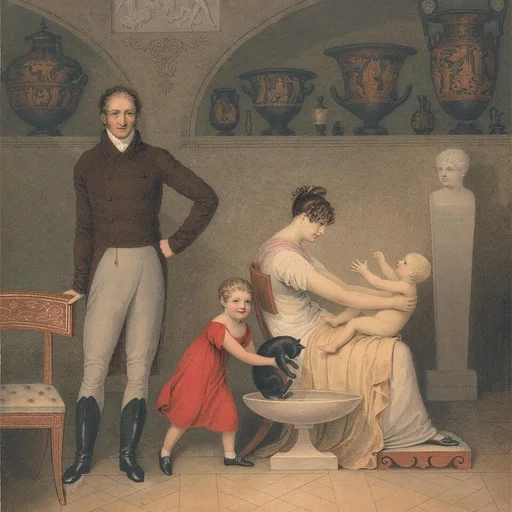
Adam Buck (1759 – August 1833) was an Irish artist who specialised in neoclassical portraits, including portrait miniatures, and engravings. He was principally active in Dublin and London.