Artwork
H Beard Print Collection
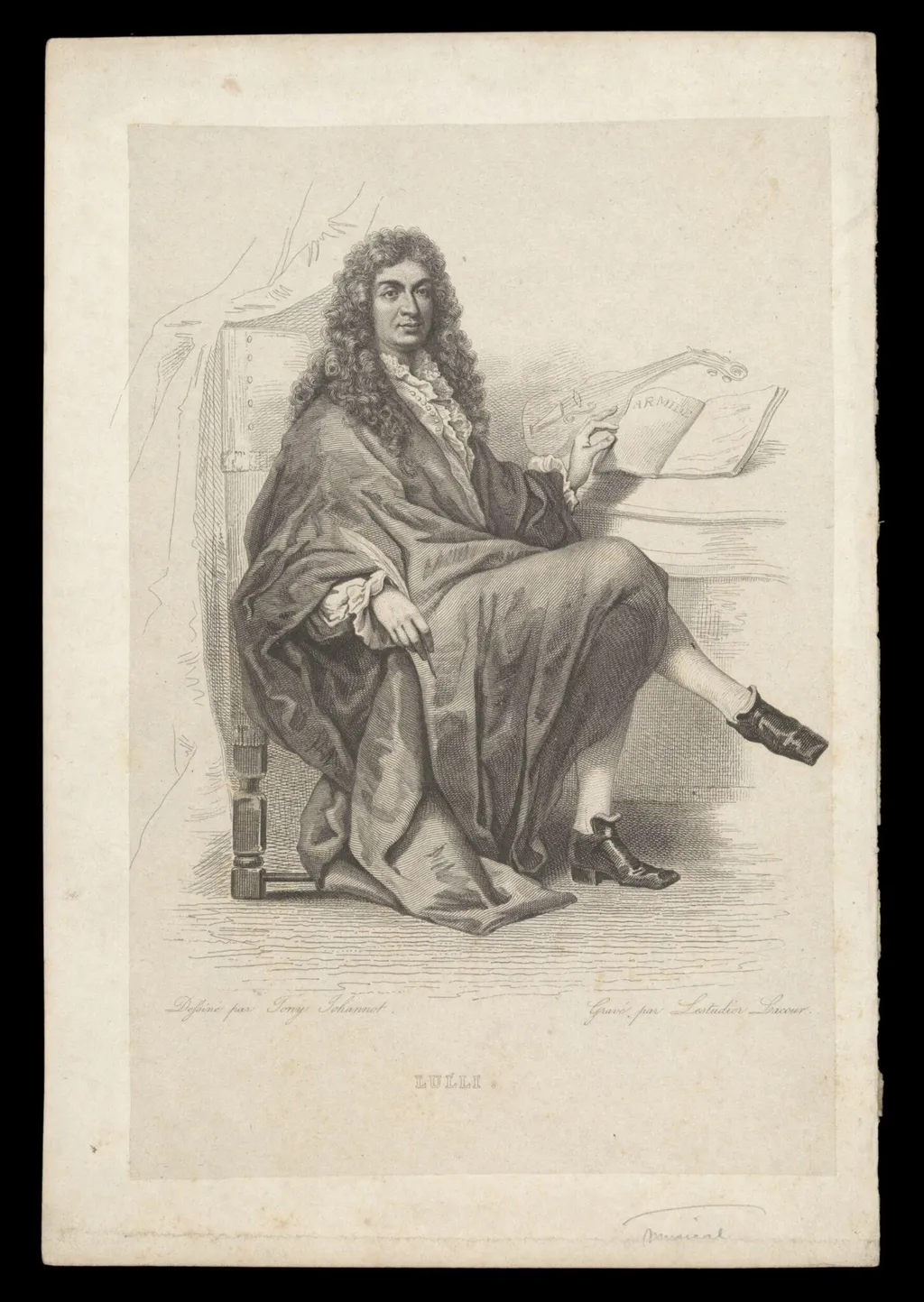
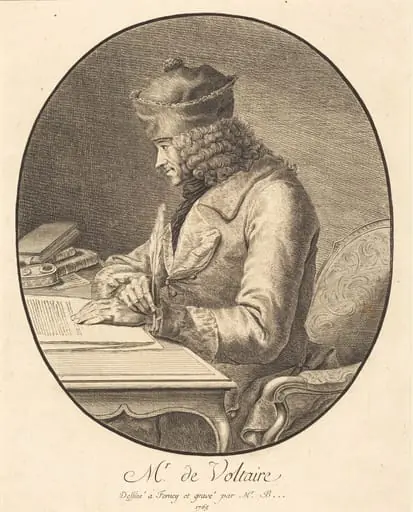
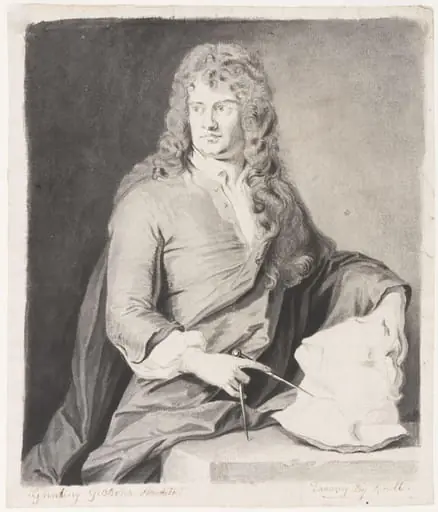
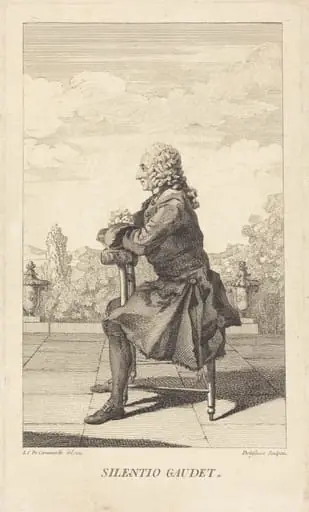
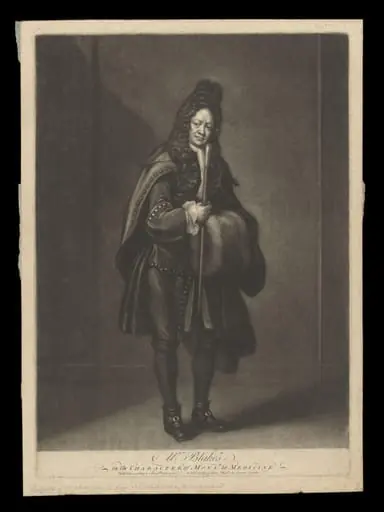
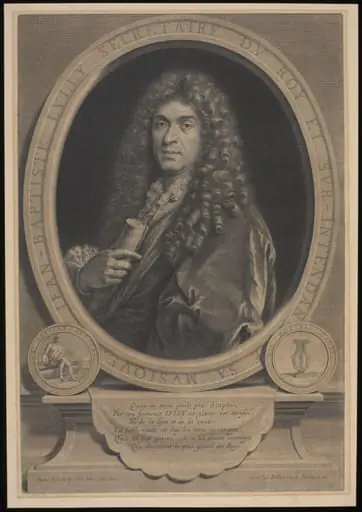
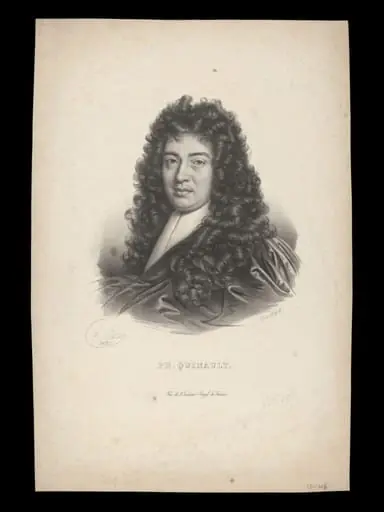
H Beard Print Collection is a print by the Romanticist artist Lestudier Leacour. It dates from 1803 and is held in the collection of the Victoria and Albert Museum. This etching is a portrait of the composer Jean-Baptiste Lully, produced in the early 19th century.
About this work
This print shows a portrait of Lulli from the early 1800s. It’s an etching, a kind of print made with acid on metal. The artists, Leacour and Lestudier, worked after 1803.
Etchings let artists draw on a metal plate before printing. This one focuses on Lulli’s face and clothes. It’s part of a larger collection.
Check out the Victoria and Albert Museum.
Overview
The image is rendered using the etching technique, in which lines are incised into a metal plate with acid before inked and pressed onto paper.
This etching is a portrait of the composer Jean-Baptiste Lully, produced in the early 19th century. Created by artists Leacour and Lestudier, it belongs to the H. Beard Print Collection. The image is rendered using the etching technique, in which lines are incised into a metal plate with acid before inked and pressed onto paper. The composition centers on Lully’s facial features and attire, emphasizing his identity as a cultural figure.
Subject & Meaning
The portrait depicts Jean-Baptiste Lully, a dominant musical figure in the court of Louis XIV. Though created decades after his death, the image reflects his enduring association with French Baroque music and royal patronage. His formal attire and composed expression convey authority and refinement, aligning with his historical role as a court musician and composer. The portrait serves as a commemorative representation rather than a contemporary likeness.
Technique & Style
The image is an etching, a printmaking method involving a metal plate coated with wax, drawn upon with a needle, then submerged in acid to bite the exposed lines. Fine, controlled strokes define Lully’s facial contours and elaborate clothing, typical of 19th-century reproductive prints. The style prioritizes clarity and detail over expressive brushwork, reflecting its function as a documented likeness rather than an original artistic interpretation.
History & Provenance
Produced after 1803 by Leacour and Lestudier, the print was made during a period of renewed interest in historical French cultural figures. It was later incorporated into the H. Beard Print Collection, a curated assembly of theatrical and musical portraiture. The print’s survival and cataloging suggest its value as a historical record, now preserved within institutional archives such as the Victoria and Albert Museum.
Context
In the early 1800s, Europe saw a surge in collecting and reproducing portraits of notable historical figures, especially those tied to music and theater. Lully, though deceased for over a century, remained a symbol of French artistic prestige. This etching emerged amid broader efforts to preserve and disseminate cultural memory through printed media, catering to an educated public with growing interest in national heritage.
Legacy
As part of the H. Beard Collection, this etching contributes to the documentation of musical portraiture in the 19th century. It offers insight into how historical figures were visually reconstructed for later audiences, often blending fact with idealized representation. Its preservation in major institutions ensures continued access for researchers studying the intersection of print culture and musical history.
Artist & collection
Artist
This Parisian printmaker spent his days hunched over copper plates, ears stuffed with wax to block the clatter of the workshop outside.