Artwork
January
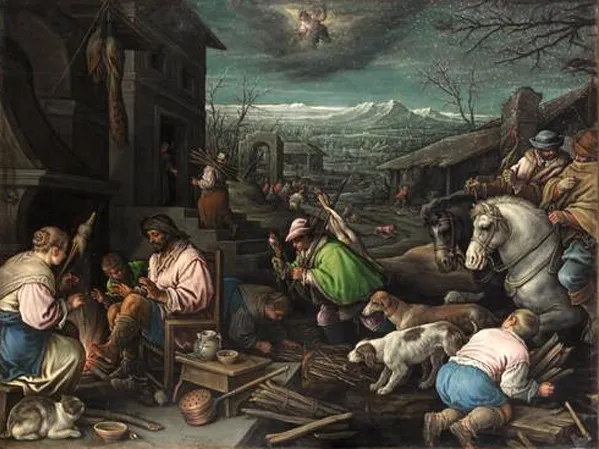
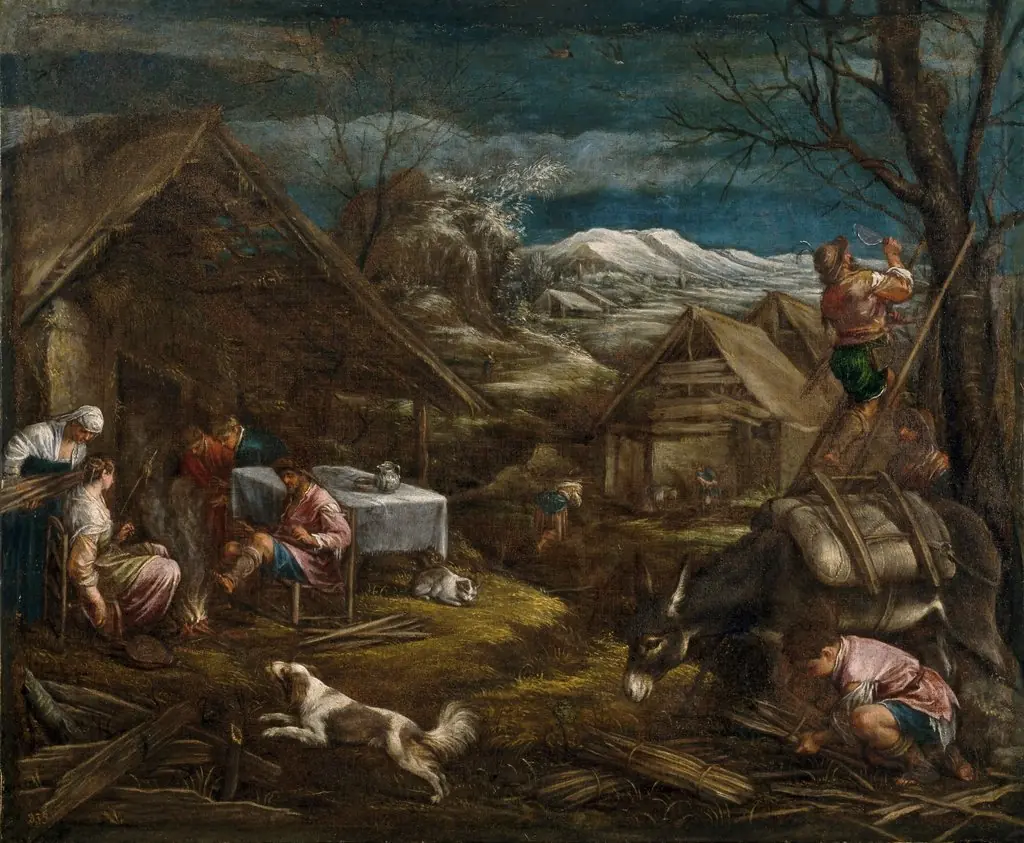
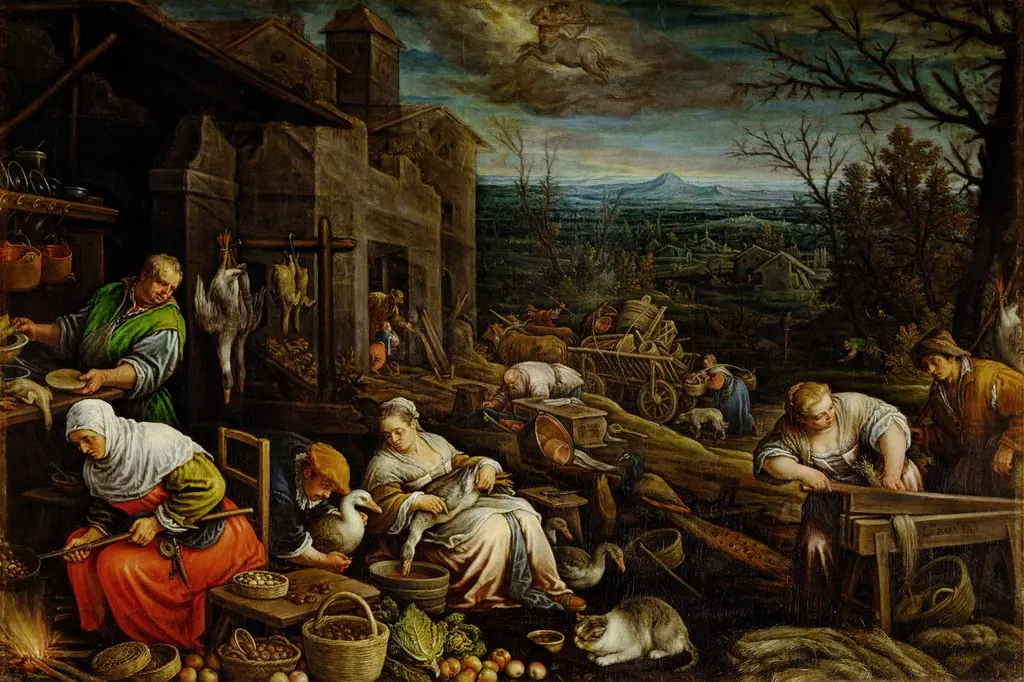
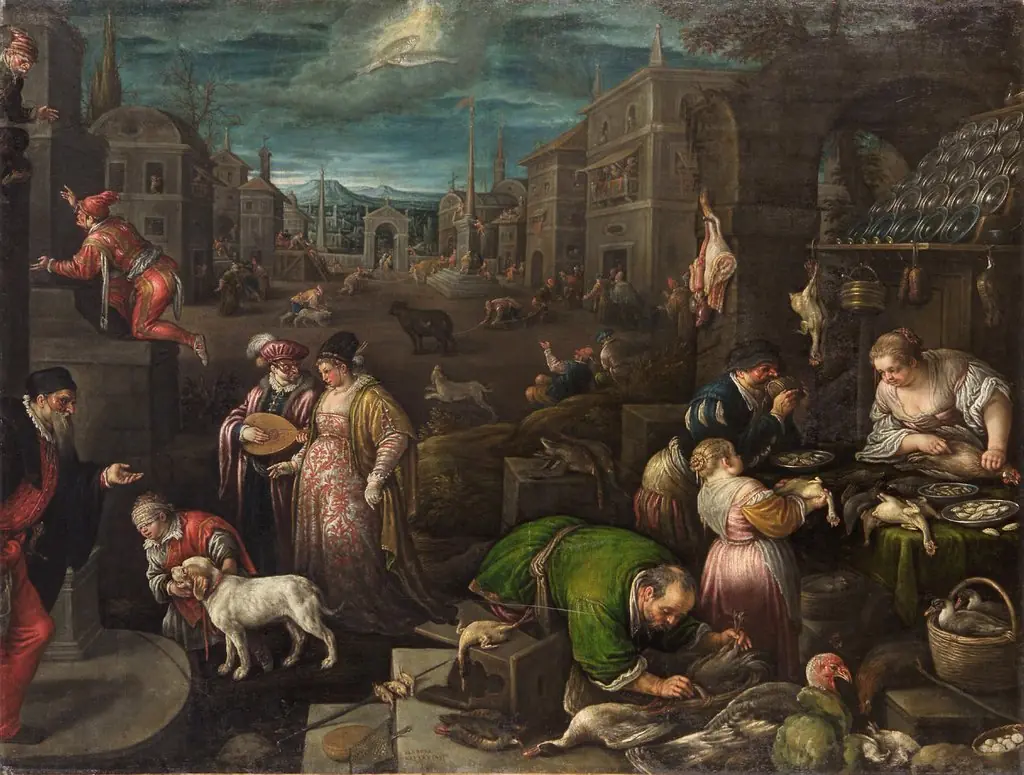
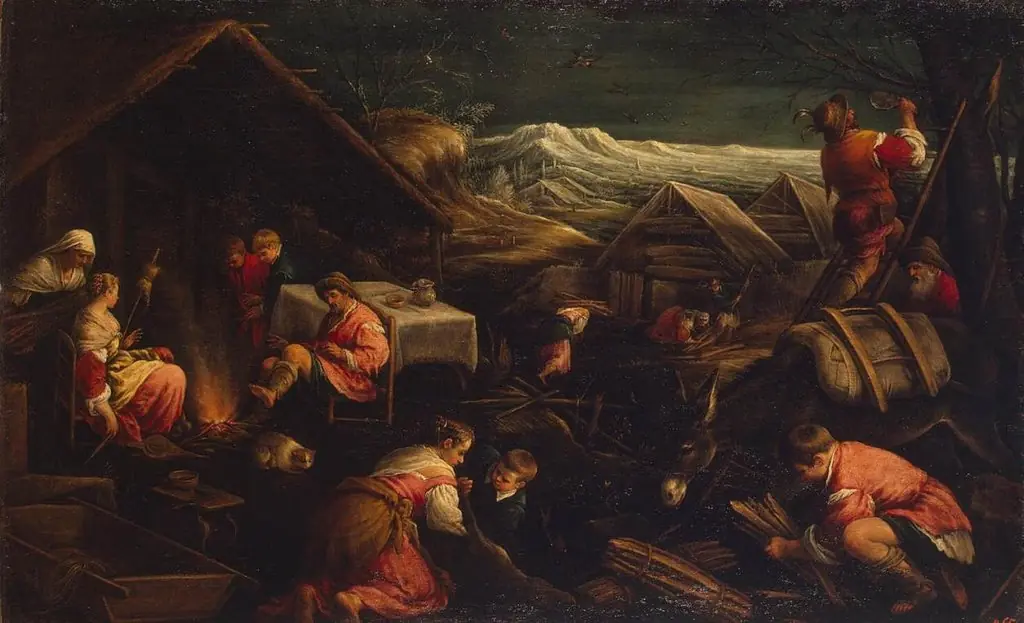
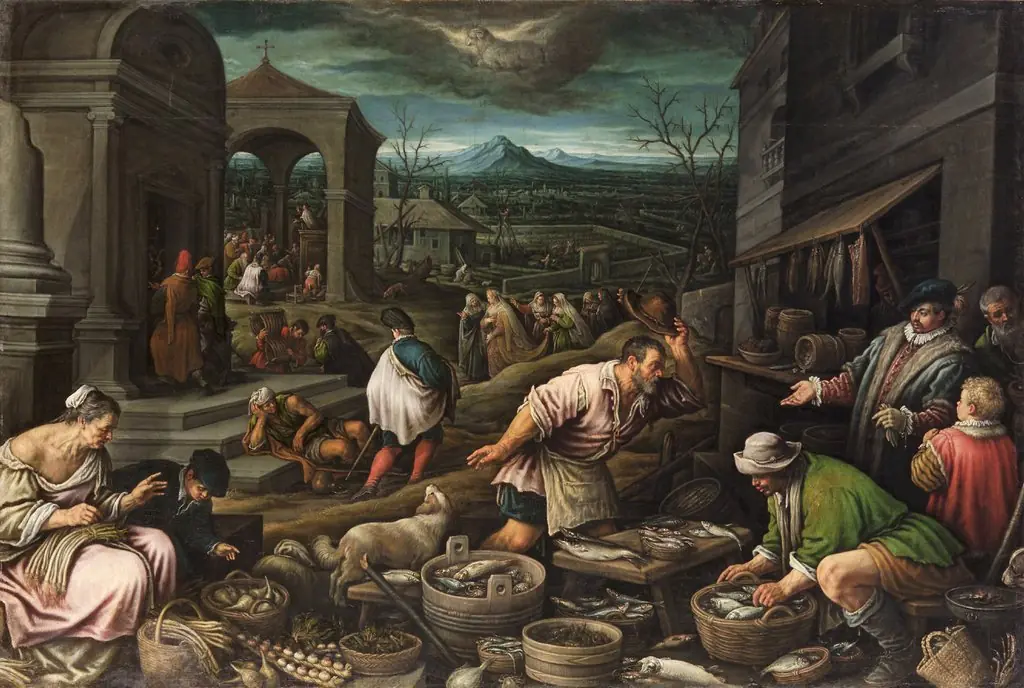
January is an unspecified painting by the Early Baroque Italian artist Leandro Bassano. It dates from 1596 and is held in the collection of the Kunsthistorisches Museum.
About this work
Overview
The work is held in the Kunsthistorisches Museum in Vienna, part of a broader collection of Northern Italian genre scenes from the late 16th century.
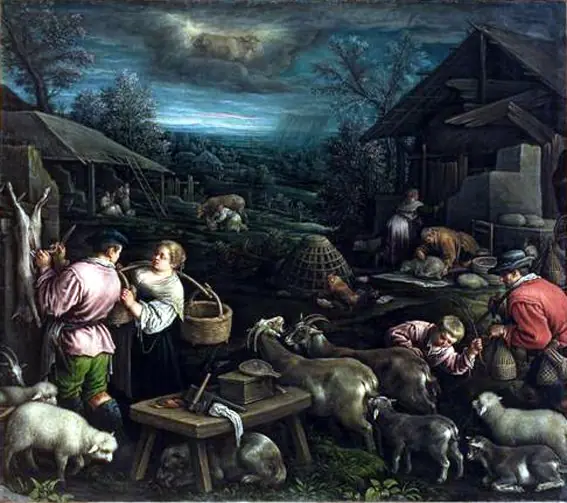
Painted in 1596 by Leandro Bassano, *January* is one of a series depicting the months of the year. Created during the transition from Renaissance to Baroque styles, it reflects the artist’s focus on everyday rural life. Bassano, trained in his father Jacopo’s workshop, brought a keen eye for detail and naturalism to seasonal themes. The work is held in the Kunsthistorisches Museum in Vienna, part of a broader collection of Northern Italian genre scenes from the late 16th century.
Subject & Meaning
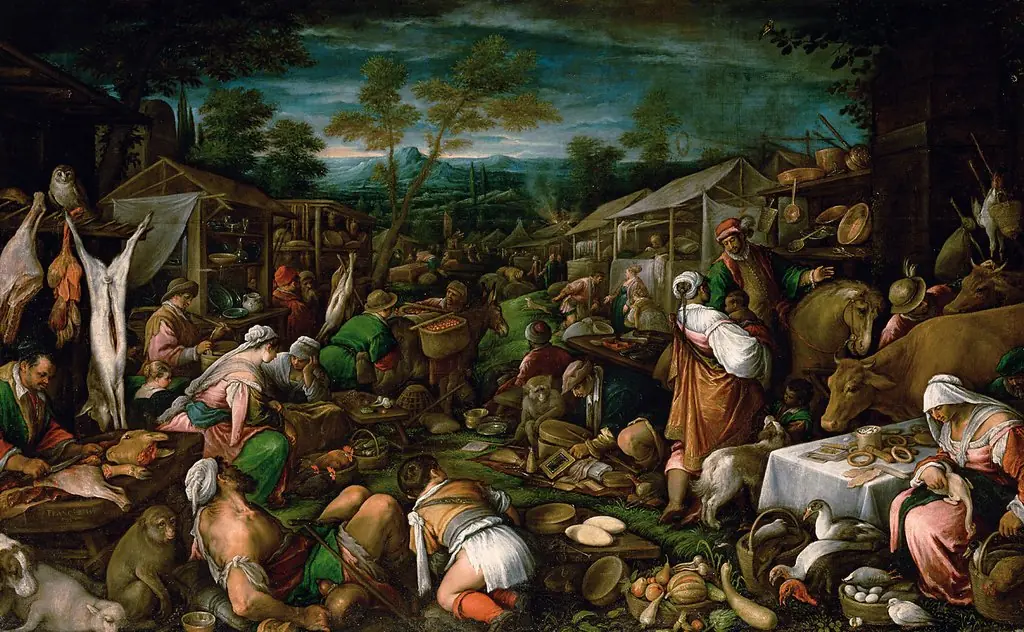
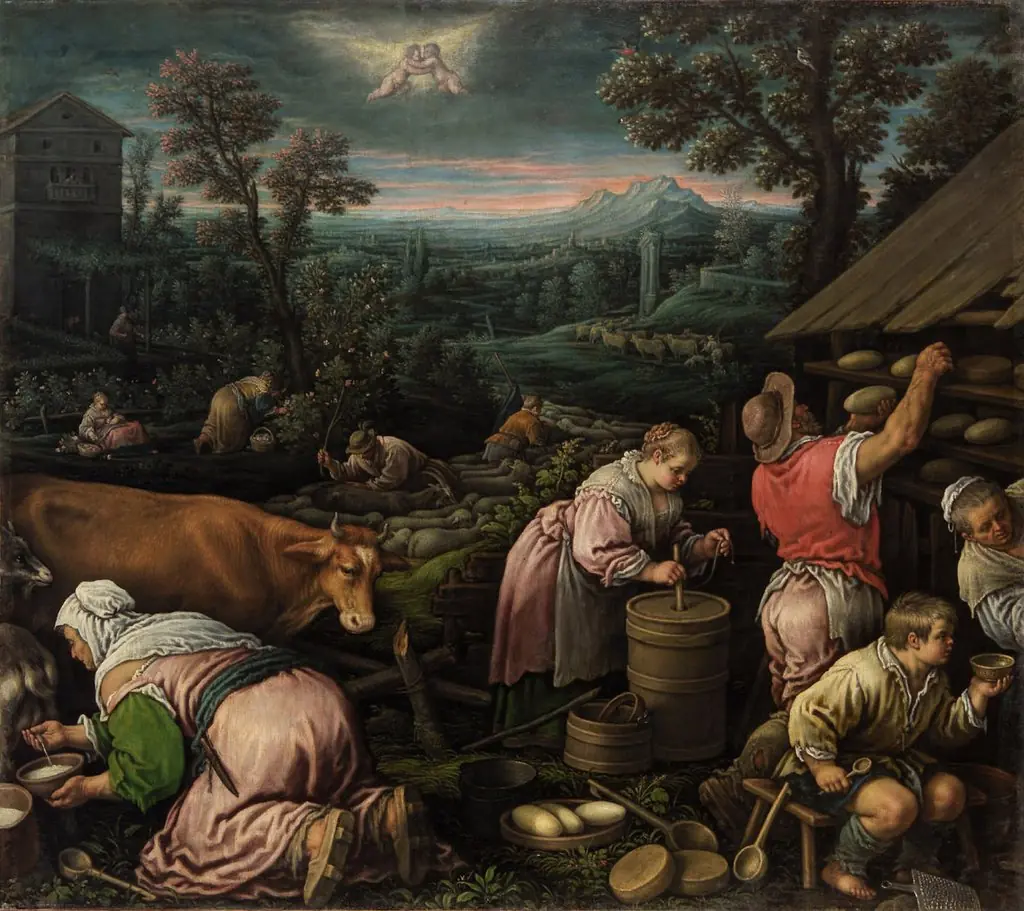
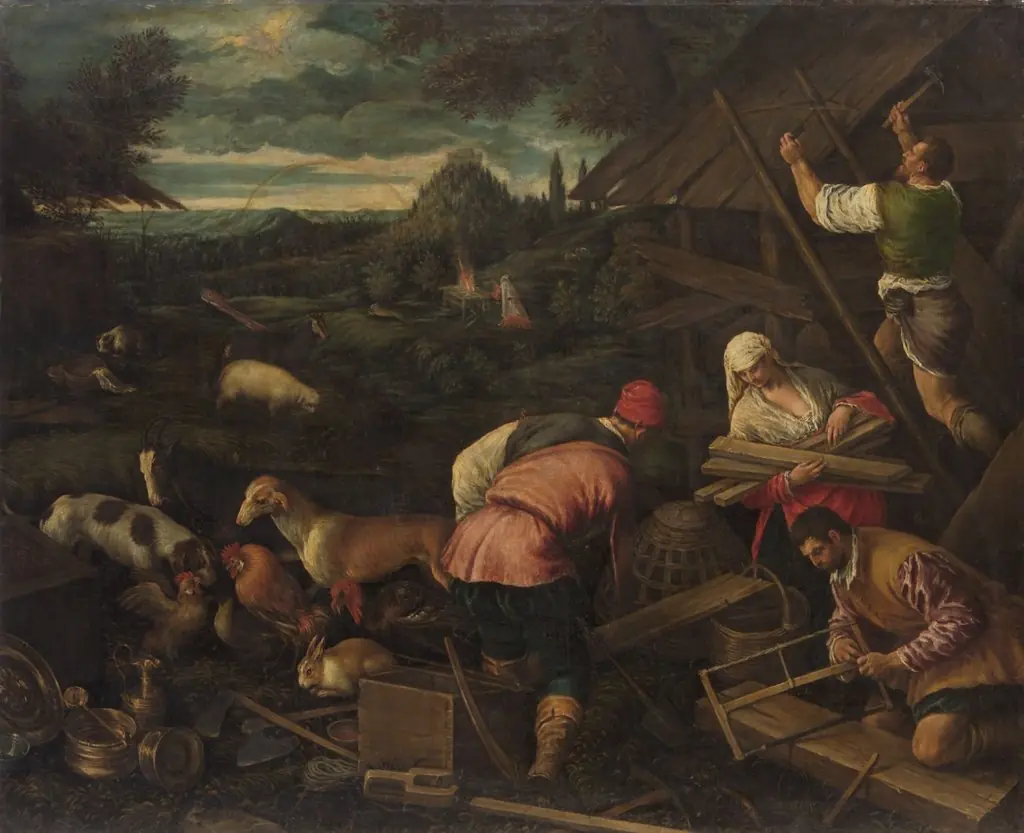
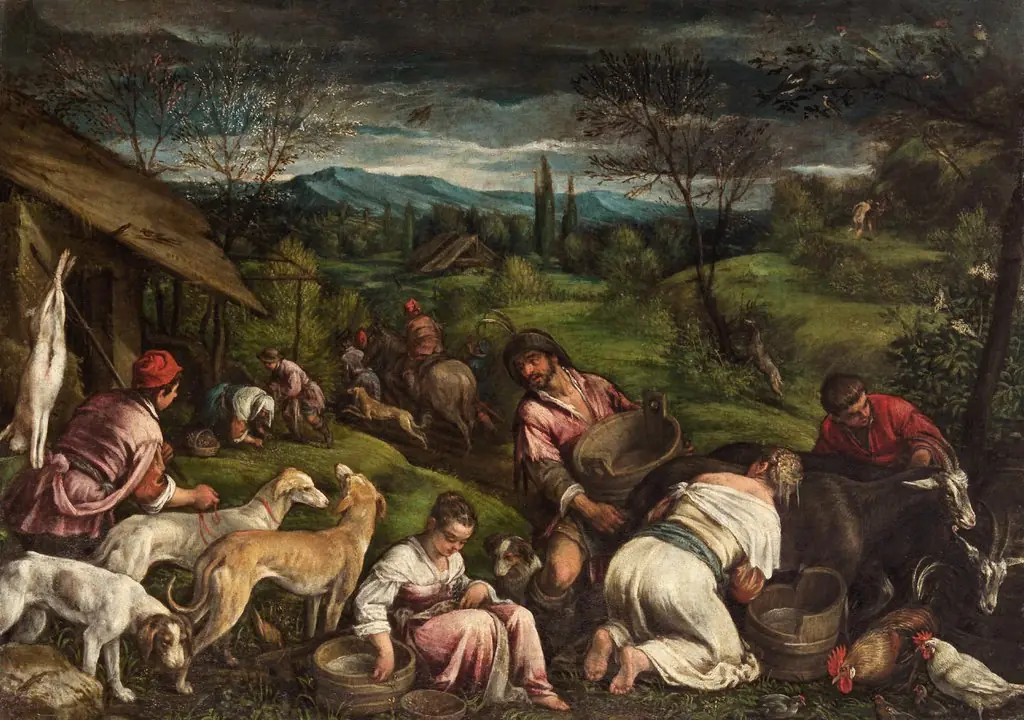
The painting captures a winter day in a northern Italian village, where labor and survival dominate the scene. Figures gather around a substantial stone structure, engaged in tasks like hammering and carrying goods, while animals—horses and dogs—move among them. The absence of festive imagery suggests a focus on endurance rather than celebration. The scene conveys the quiet resilience of rural communities during harsh weather, grounded in observation rather than idealization.
Technique & Style
Bassano employed a muted palette of browns, grays, and muted ochres to evoke the cold, overcast atmosphere. Textures are rendered with precision: the roughness of stone walls, the thick fur of animals, and the layered fabrics of clothing are all carefully distinguished. Brushwork is detailed but not ornate, favoring naturalism over dramatic lighting. The composition balances foreground activity with a distant, storm-lit landscape, creating depth without theatricality.
History & Provenance
Commissioned as part of a seasonal cycle, *January* entered the Habsburg collections in the late 16th or early 17th century, likely through diplomatic or artistic channels from Venice. Leandro Bassano, knighted by the Doge of Venice, enjoyed regional prestige, which may have facilitated the painting’s acquisition by imperial patrons. It has remained in the Kunsthistorisches Museum since at least the 18th century, with no documented changes in ownership since.
Context
In late 16th-century Italy, genre scenes of rural life gained traction among patrons interested in the tangible realities of the seasons and labor. Bassano’s work aligns with Venetian traditions of naturalistic observation, influenced by his father Jacopo’s interest in light and atmosphere. Unlike Northern European winter scenes, which often emphasized allegory or moralizing, Bassano’s approach remains observational, rooted in the rhythms of daily existence in the Veneto region.
Legacy
Though less widely known than his father’s works, Leandro Bassano’s *January* exemplifies the quiet shift toward secular, everyday subjects in late Renaissance painting. Its detailed realism and restrained tone influenced later Venetian genre painters and contributed to the development of observational art in the early Baroque period. The painting remains a reference point for studies of seasonal representation and rural life in Italian art.
Artist & collection
Artist
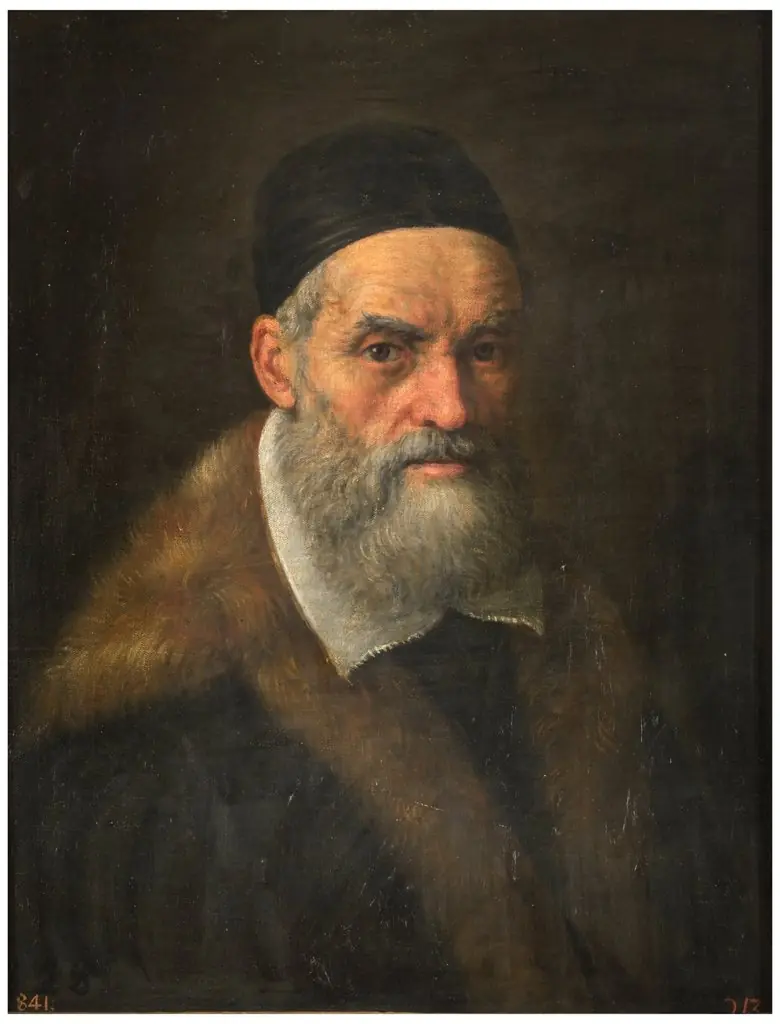
Leandro Bassano (10 June 1557 – 15 April 1622), also called Leandro dal Ponte, was an Italian Renaissance painter from Bassano del Grappa who was awarded a knighthood by the Doge of Venice.