Artwork
Collioure
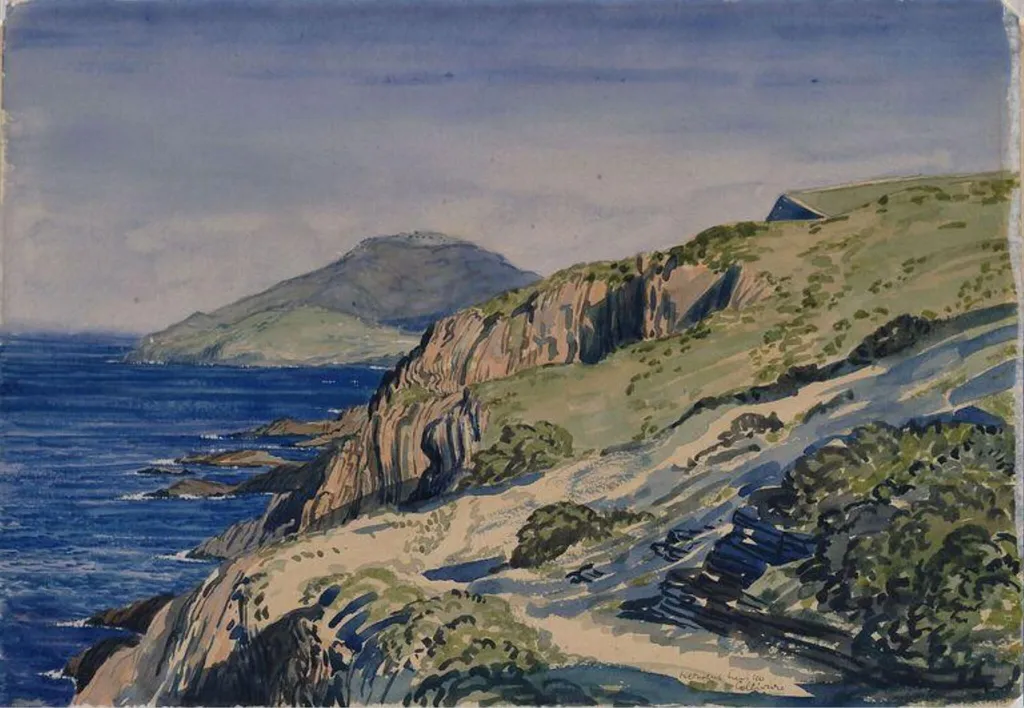
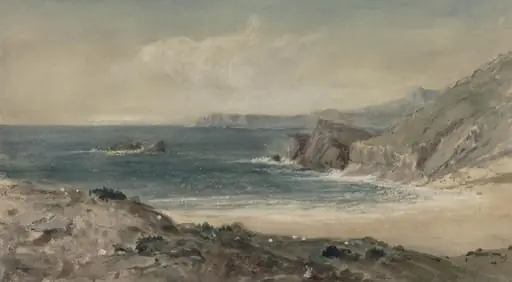
Collioure is a watercolor work on paper by the Post-Impressionist artist Derwent Lees. It dates from 1915 and is held in the collection of the Victoria and Albert Museum.
About this work
Overview
Collioure is a watercolour painting by Derwent Lees, dating to around 1915, and is part of the Victoria and Albert Museum's collection.
Subject & Meaning
The painting depicts a Mediterranean coastal scene, featuring steep cliffs, rocky shoreline, and a quiet bay with a small boat in the distance. The composition includes a winding path, green bushes, and bare rock, set against a pale sky.
Technique & Style
Characterized by loose and quick brushstrokes, the work imparts a rough texture to the water and cliffs. Lees employed light colours to capture the effect of sunlight on the waves and rocky terrain.
History & Provenance
Created circa 1915 by Derwent Lees, the painting is now held in the collection of the Victoria and Albert Museum.
Context
Collioure reflects early 20th-century watercolour practices, likely influenced by the artist's observations of Mediterranean landscapes, possibly inspired by the actual town of Collioure in France, a popular destination for artists at the time.
Legacy
As part of the Victoria and Albert Museum's collection, Collioure contributes to the institution's representation of early 20th-century watercolour art, offering insights into Derwent Lees's contribution to the medium.
Artist & collection
Artist
Derwent Lees painted quiet watercolours of sunlit southern European coasts around 1910-1930.

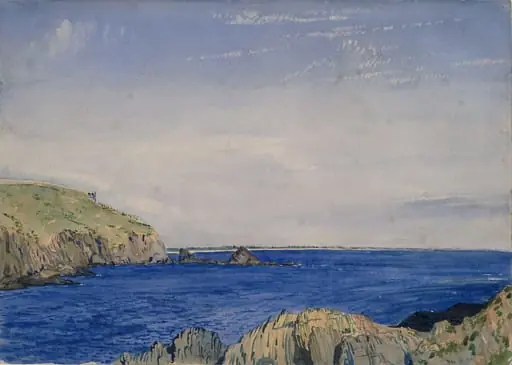 Mediterranean Scene
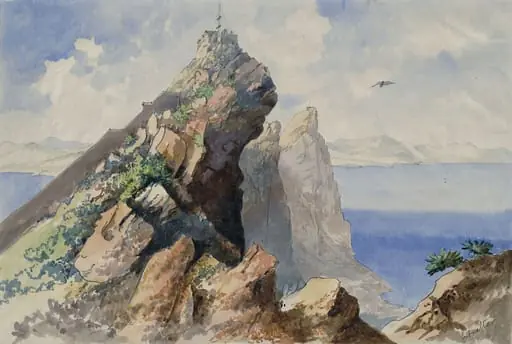 Top of the Rock, Gibraltar
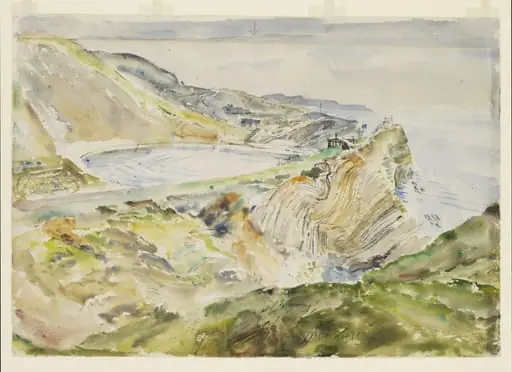 Stair Hole, Lulworth Cove, Dorset
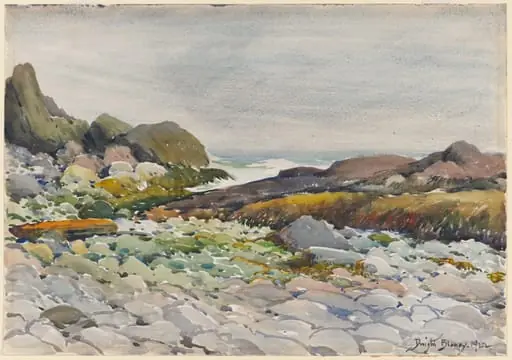 Over the Ledges
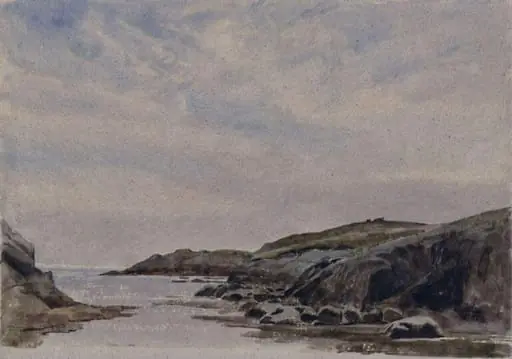 Rhoscolyn, Anglesey
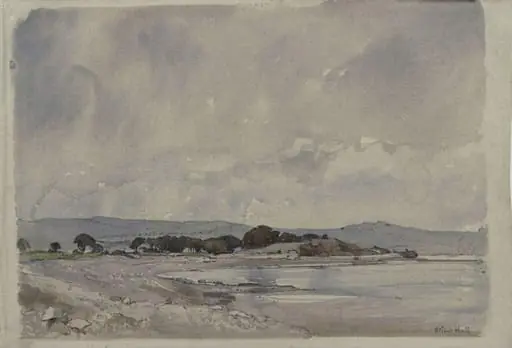 Wad-head, Bardsea
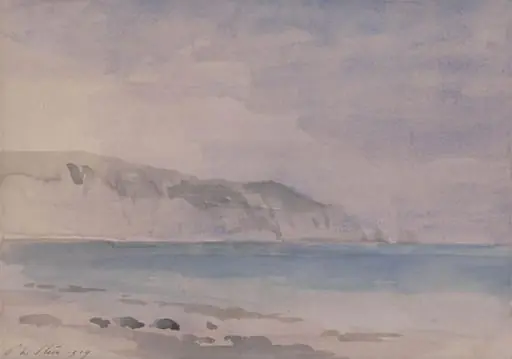 The Needles on a grey day
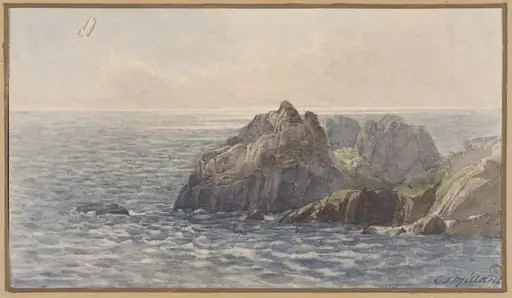 Sea Piece - Twilight
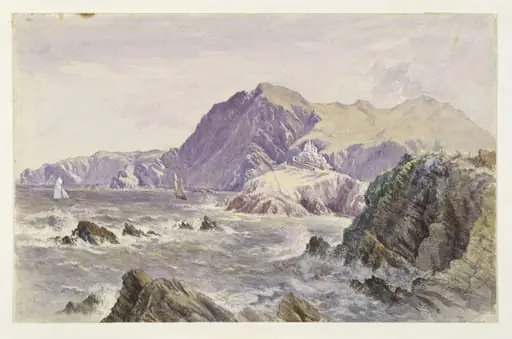 Hillsborough, from the Capstone, Ilfracombe
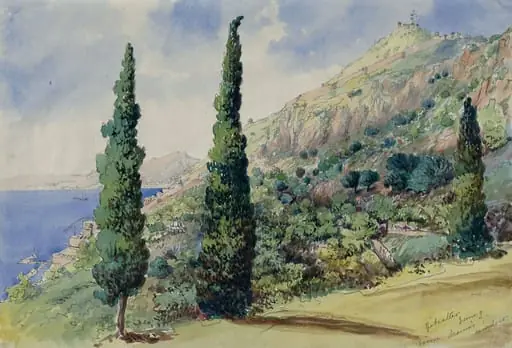 From a window, Gibraltar
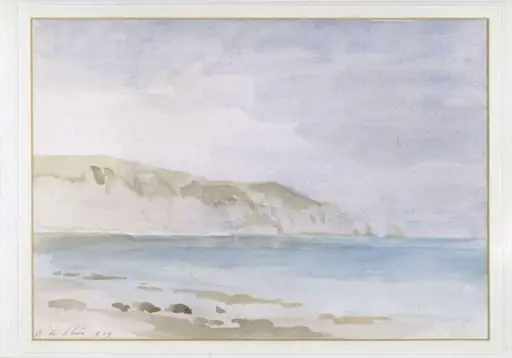 A Grey Day; or A Calm Day: Dover Harbour
 St. David's Head, St. Bride's Bay