Artwork
Richmond Slave Market Auction
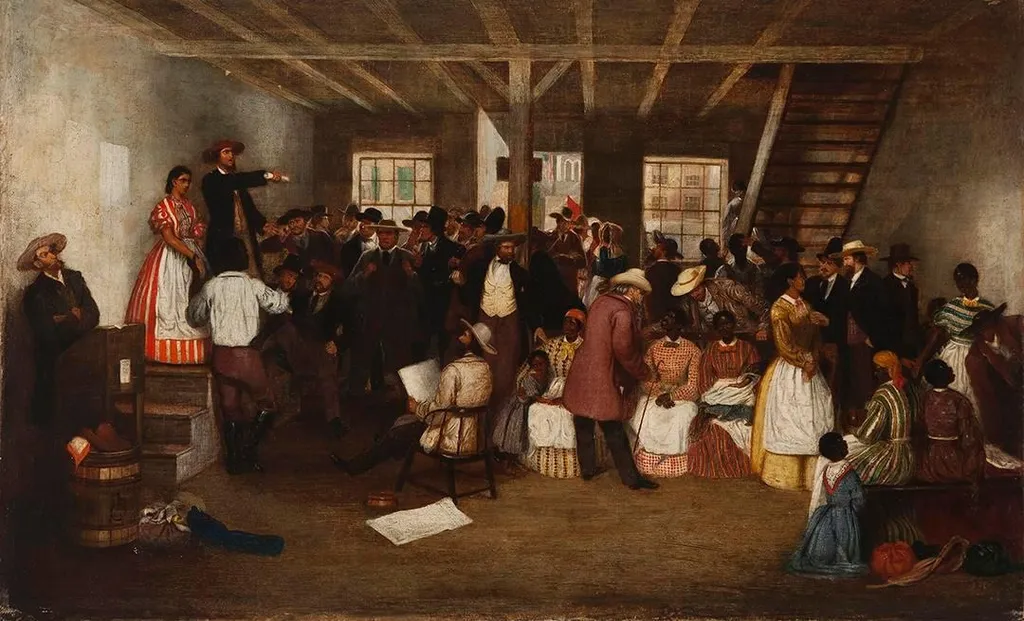
Richmond Slave Market Auction is an oil painting by Lefevre James Cranstone. It dates from 1862 and is held in the collection of the Crystal Bridges Museum of American Art.
About this work
The artist's use of chiaroscuro creates a sense of depth and volume in the scene, drawing the viewer's eye to the central figure.
This painting depicts a crowded room with people gathered around a central figure, possibly an auctioneer. The room is filled with individuals of various ages and genders, all dressed in clothing from the 19th century. The atmosphere appears tense, with some people looking on with concern or sadness.
In the foreground, a group of people are seated on the floor, while others stand around them. The room is dimly lit, with only a few windows allowing natural light to enter. The overall mood of the painting is one of solemnity and gravity.
The artist's use of chiaroscuro creates a sense of depth and volume in the scene, drawing the viewer's eye to the central figure. The painting is a powerful depiction of a historical event, and its use of light and shadow adds to its emotional impact. You might want to look up more paintings by Lefevre James Cranstone.
Overview
Painted in 1862 by English artist Lefevre James Cranstone, this oil work captures a slave auction in Richmond, Virginia. Cranstone, known for genre scenes and landscapes, produced this piece during a period of travel in the United States before settling in Australia. The painting’s somber tone and detailed interior reflect his engagement with social realities, rendered through careful observation rather than idealization.
Subject & Meaning
The scene centers on an auction block surrounded by a crowd of onlookers, including enslavers, buyers, and the enslaved—some seated on the floor, others standing in quiet distress. Facial expressions and body language convey unease and sorrow, particularly among those bound by circumstance. The composition avoids spectacle, instead emphasizing the quiet brutality of the transaction, inviting reflection on human dignity under systemic oppression.
Technique & Style
Cranstone employs chiaroscuro to model forms and direct attention toward the central figures, using muted tones and limited natural light from high windows to enhance the room’s oppressive atmosphere. Figures are rendered with restrained detail, avoiding melodrama; clothing and posture suggest social distinctions without caricature. The brushwork is precise yet unobtrusive, supporting the painting’s documentary intent.
History & Provenance
Cranstone painted this work during a stay in the American South, likely informed by firsthand observation or contemporary accounts. After returning to England, he later emigrated to Australia, where he continued painting. The painting’s early history is undocumented, but it entered institutional collections in the 20th century, preserved as a rare European depiction of American slavery.
Context
Created during the American Civil War, the painting emerged amid growing abolitionist sentiment in Britain. While Cranstone was not an activist, his choice of subject aligned with international moral discourse on slavery. Unlike American artists who often avoided such scenes, Cranstone’s European perspective offered an outsider’s unvarnished view of a system many in Britain had long condemned.
Legacy
The painting remains a significant example of 19th-century European art engaging with American slavery, offering a visual record that predates widespread photographic documentation. It is studied for its restrained realism and its role in shaping transatlantic awareness of slavery’s human cost. Though not widely exhibited, it holds enduring value as a witness to a suppressed history.
Artist & collection

Artist
Lefevre James Cranstone (6 March 1822 – 22 June 1893) was an English artist known for his watercolor genre-style landscapes and oil paintings.

Museum
Crystal Bridges Museum of American Art
Continue through works from the same source collection.
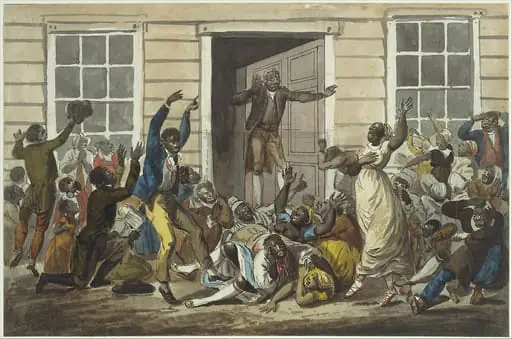 Black Methodists Holding a Prayer Meeting
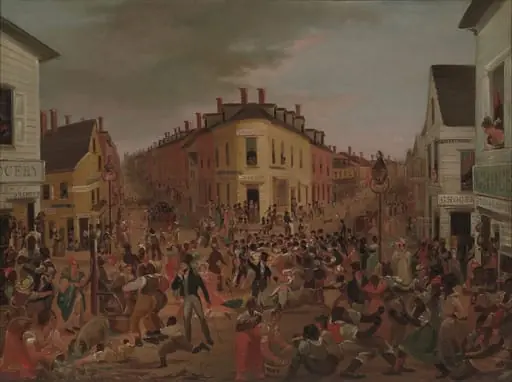 The Five Points
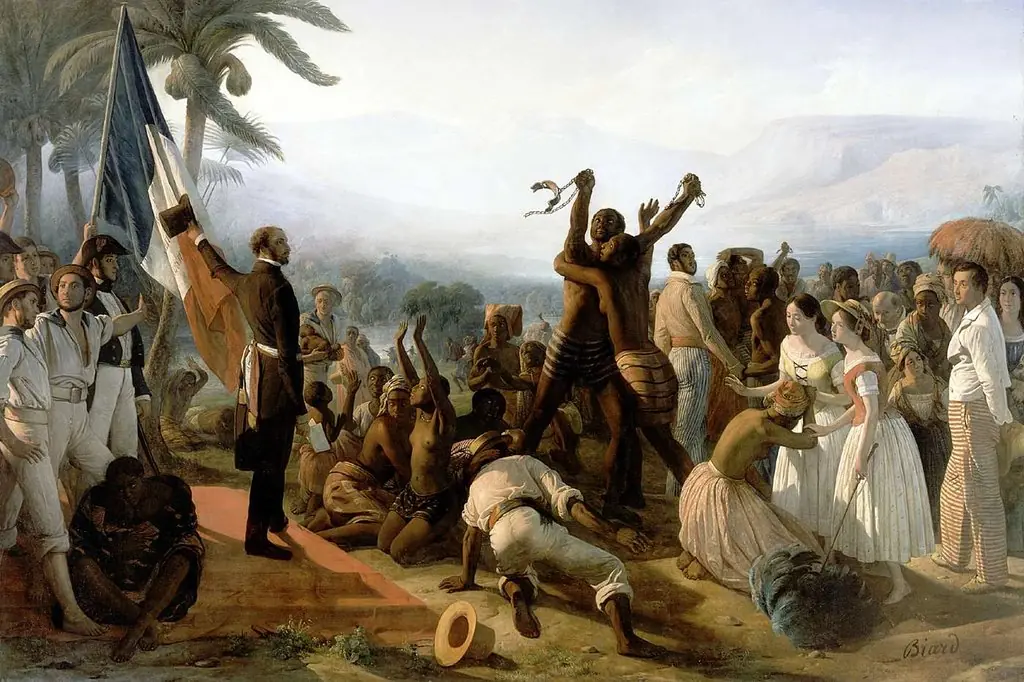 Proclamation of the Abolition of Slavery in the French Colonies, 27 April 1848
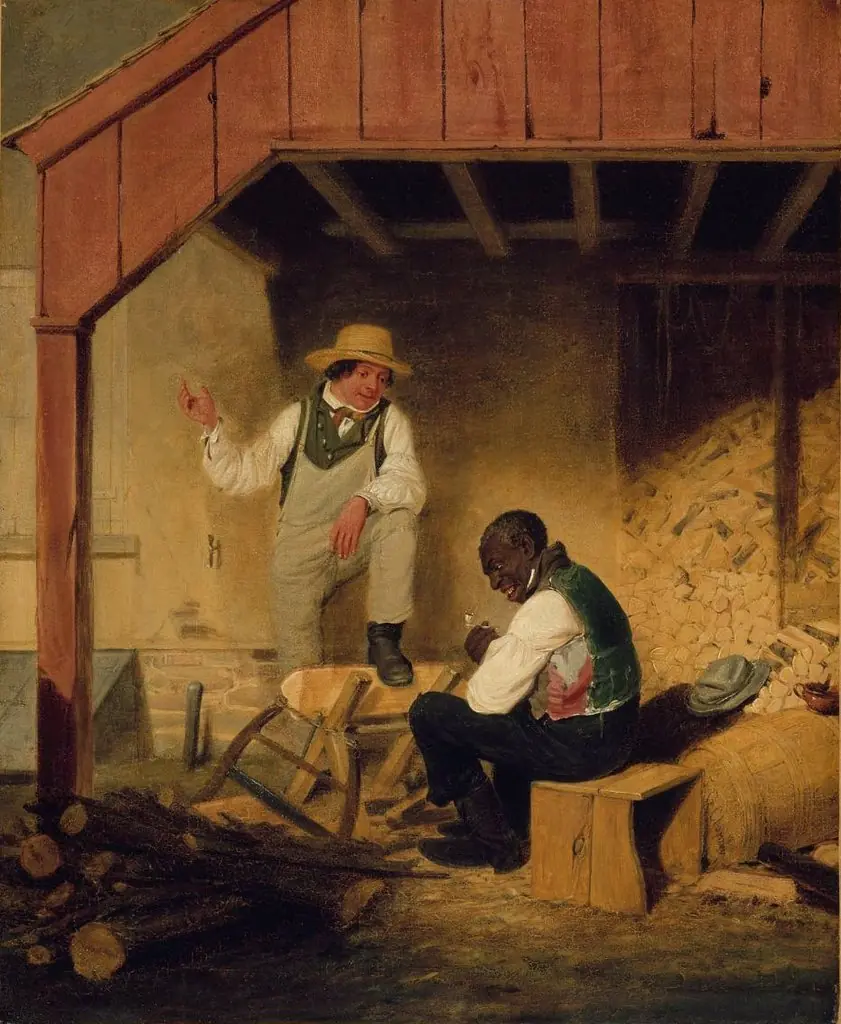 In the Woodshed
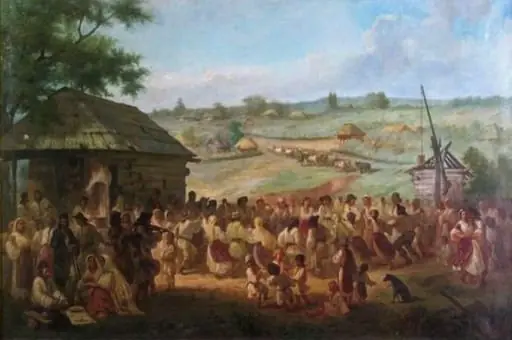 Hora peste Olt
 The Power of Music
 First State Election in Detroit, Michigan, 1837
 The County Election
 The Roll Call of the Last Victims of the Terror
 The Village Orphans
 Presbyterian Catechising
 Slave Trade