Artwork
Proclamation of the Abolition of Slavery in the French Colonies, 27 April 1848
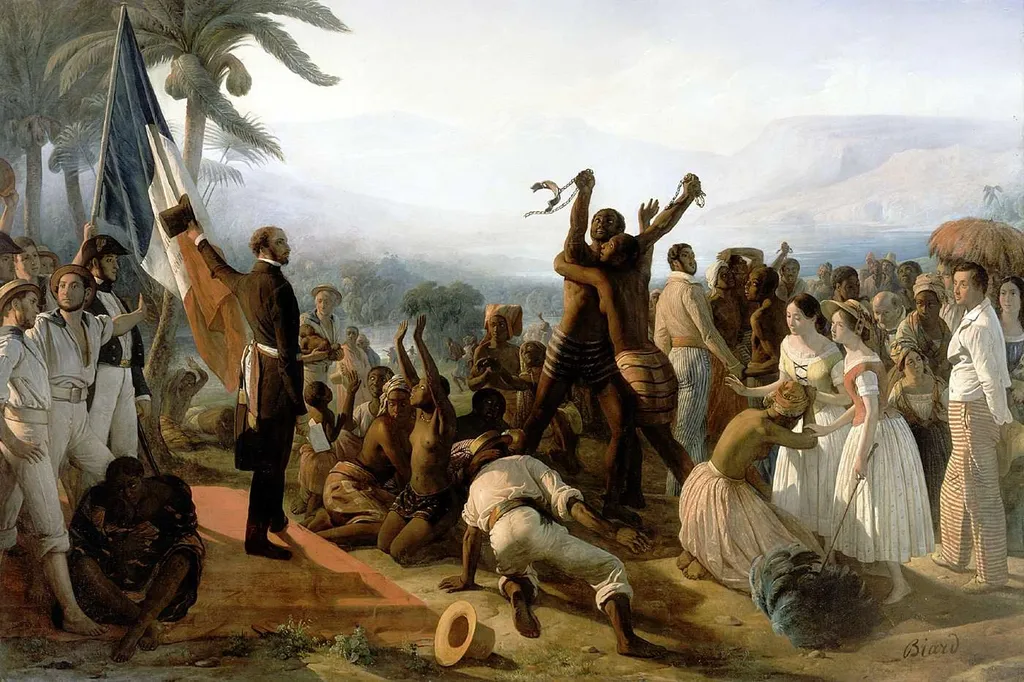
Proclamation of the Abolition of Slavery in the French Colonies, 27 April 1848 is an oil painting by François-Auguste Biard. It dates from 1848 and is held in the collection of the Museum of the History of France.
About this work
Overview
It now resides in the Palace of Versailles, where it serves as a state-sponsored visual record of a pivotal legal and moral shift in French colonial policy.
Painted in 1849 by François-Auguste Biard, this oil-on-canvas work commemorates the official end of slavery in French colonies, declared on April 27, 1848. Commissioned by the French government, the painting was displayed at the Paris Salon that same year. It now resides in the Palace of Versailles, where it serves as a state-sponsored visual record of a pivotal legal and moral shift in French colonial policy.
Subject & Meaning
The scene centers on a civil official in dark attire, standing atop a raised platform, unfurling the tricolor flag as he announces emancipation. Surrounding him are formerly enslaved people, some still in chains, their expressions ranging from disbelief to relief. The tropical setting—palm trees, open water—anchors the event in the Caribbean or Indian Ocean colonies. The composition frames the moment as both legal decree and collective revelation, emphasizing the transition from bondage to citizenship.
Technique & Style
Biard employs a theatrical realism, with careful attention to individual facial expressions and varied postures to convey emotional complexity. The lighting is dramatic but naturalistic, highlighting the central figure and the flag while softening the background. Rich, warm tones in the skin and foliage contrast with the cool blues and whites of the flag and uniforms, reinforcing the symbolic weight of the moment without overt sentimentality.
History & Provenance
Commissioned by the Second Republic shortly after the abolition decree, the painting was intended for public display to legitimize the new policy. It was first shown at the 1849 Salon in the Tuileries Palace, then transferred to Versailles, where it remains in state custody. Its placement in a royal residence underscores the government’s effort to align republican values with national heritage, even as it repurposed monarchical spaces for new ideological narratives.
Context
The painting emerged during a brief period of radical reform in France, following the February 1848 revolution that overthrew the monarchy. Abolition was one of the most consequential acts of the provisional government, affecting over 260,000 people across Martinique, Guadeloupe, Réunion, and other territories. Biard’s work reflects the state’s desire to visually cement this reform as a moral triumph, even as colonial economic structures remained largely intact.
Legacy
Though not widely reproduced in popular memory, the painting remains a key artifact of France’s official reckoning with slavery. It documents the moment emancipation was formally announced, capturing the tension between legal declaration and lived reality. Its presence in Versailles ensures its continued visibility, serving as a quiet counterpoint to the palace’s royal past and a reminder of the state’s evolving relationship with liberty and equality.
Artist & collection
Artist
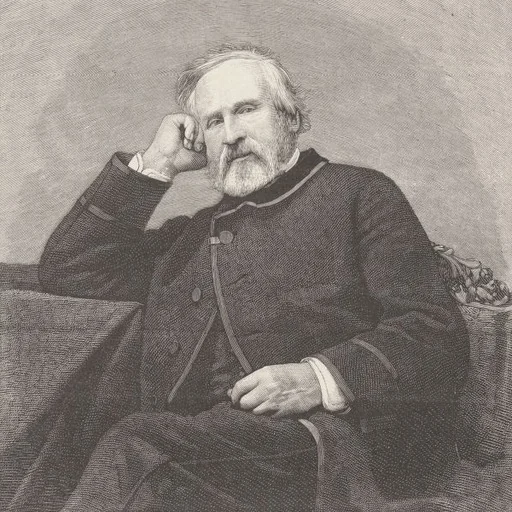
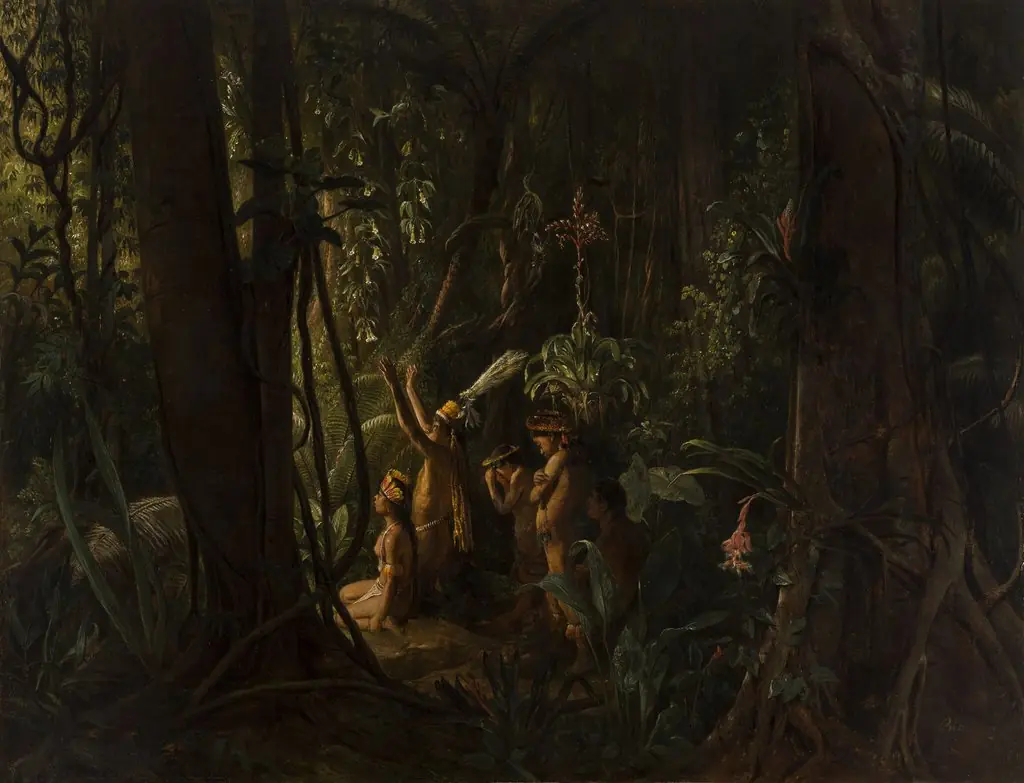
François-Auguste Biard, born François Thérèse Biard (29 June 1799 – 20 June 1882) was a French painter, known for his adventurous travels and the works depicting his experiences.

![Flore Gisclon, wife François-Auguste Biard [formerly identified as Léonie Thévenot d'Aunet], by François-Auguste Biard](https://artifactworldgallery.com/img/francois-auguste-biard--flore-gisclon-wife-francois-auguste-biard-formerly-identifie--9743e0897d3e5947-w320.webp)