Artwork
Slave Trade
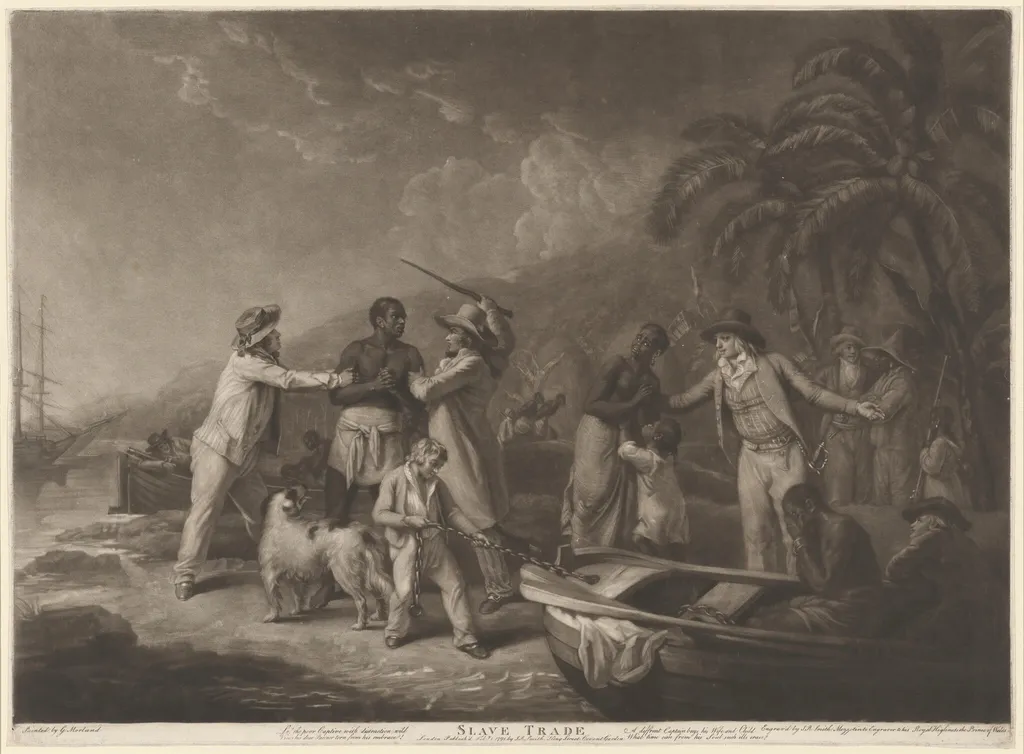
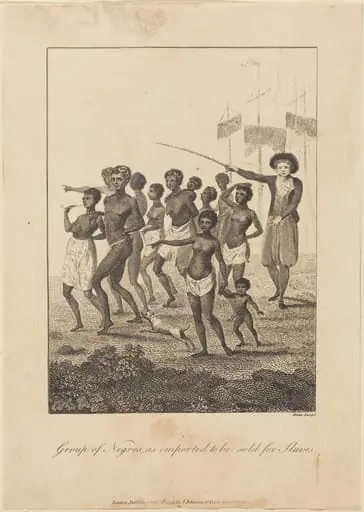
Slave Trade is an ink print by the Romanticist artist John Raphael Smith. It dates from 1791 and is held in the collection of the National Gallery of Art.
About this work
The figures are dressed in clothing from the 18th century, with some wearing hats and others carrying objects such as a sword or a dog on a leash.
In the painting, a group of people are gathered on a beach, with a boat in the foreground. The scene is set against a backdrop of palm trees and a cloudy sky. The figures are dressed in clothing from the 18th century, with some wearing hats and others carrying objects such as a sword or a dog on a leash.
The painting depicts a dramatic scene, with one figure holding a sword and another figure cowering in fear. The use of chiaroscuro creates a sense of tension and drama, with strong contrasts between light and dark.
The painting is a powerful commentary on the slave trade, highlighting the brutality and exploitation of enslaved people. To learn more about the artist's use of chiaroscuro, look up the technique next.
Overview
John Raphael Smith’s 1791 mezzotint, titled *Slave Trade*, presents a coastal tableau that references the transatlantic slave market. Executed on laid paper, the image captures a group of 18th‑century figures gathered on a beach, with a small vessel positioned in the foreground and palm trees framing a cloud‑filled sky.
Subject & Meaning
The composition foregrounds a tense encounter: a man brandishes a sword while another figure recoils, suggesting coercion and fear. By juxtaposing armed authority with vulnerable individuals, the print comments on the violence and exploitation inherent in the slave trade.
Technique & Style
Smith employed the mezzotint process, a British favorite for its capacity to render rich tonal gradations. Through careful manipulation of light and dark, the work achieves pronounced chiaroscuro, heightening the dramatic contrast between illuminated figures and shadowed surroundings.
History & Provenance
Born into a family of painters—son of landscape artist Thomas Smith and father of American painter John Rubens Smith—John Raphael Smith was active during a period when mezzotint served as a primary reproductive medium in Britain. The print was produced in 1791, amid growing public debate over the slave trade.
Context
The image emerges at a time when abolitionist sentiment was gaining momentum in Britain. Visual representations of the slave trade, such as Smith’s, contributed to public awareness by depicting the human cost of the commerce that linked European ports with African coasts.
Artist & collection
Artist
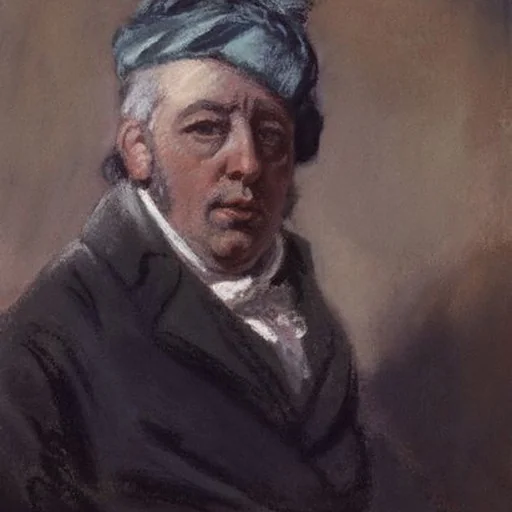
John Raphael Smith (25 May 1751 – 2 March 1812) was a British painter and mezzotinter. He was the son of the landscape painter Thomas Smith and the father of John Rubens Smith, a painter who emigrated to the United States.

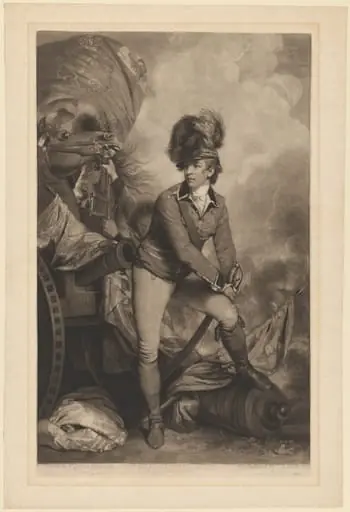
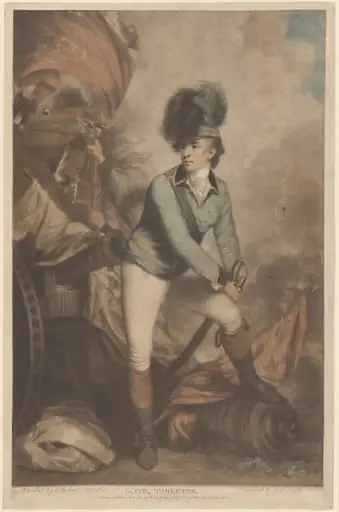
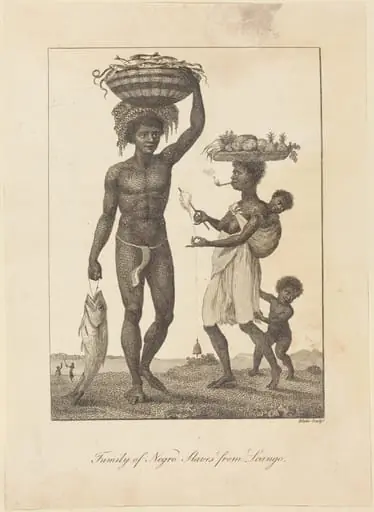 Family of Negro Slaves from Loango
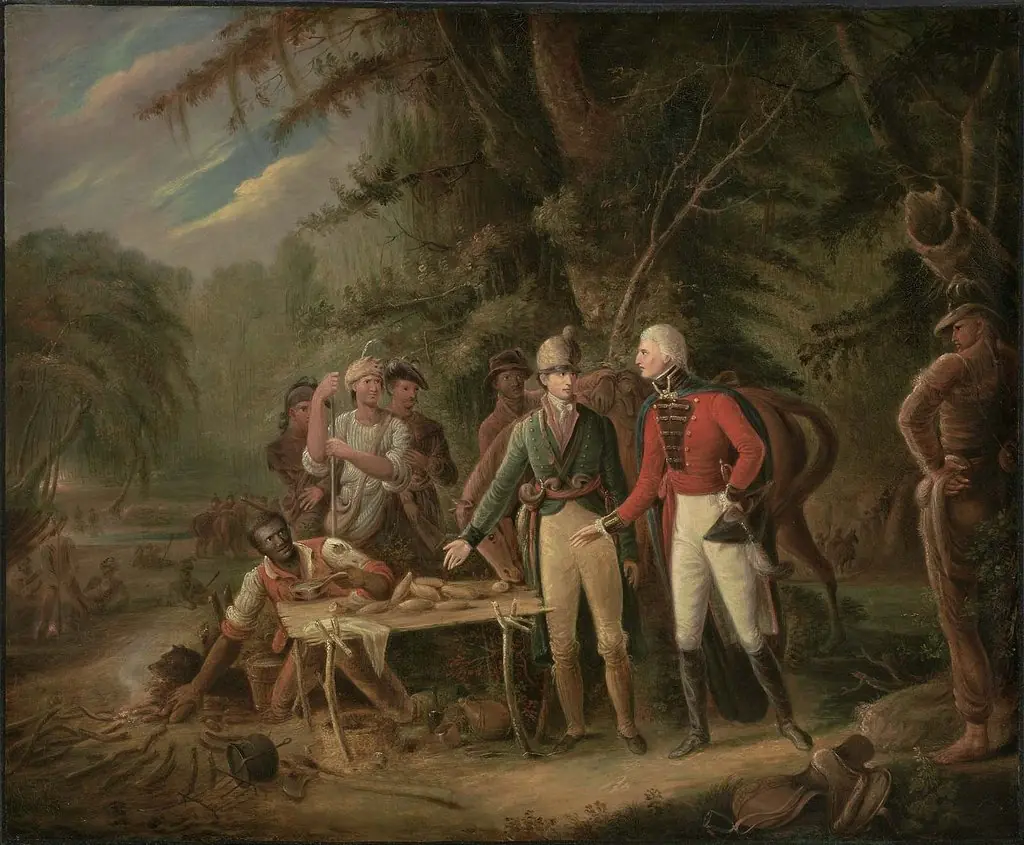 General Francis Marion Inviting A British Officer to Share His Meal or The Swamp Fox
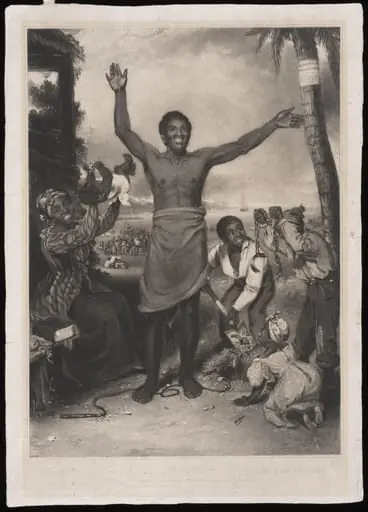 To the Friends of Negro Emancipation
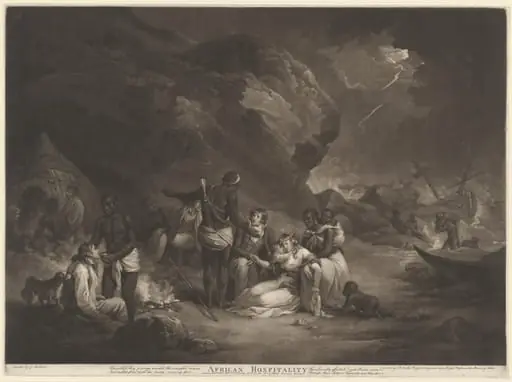 African Hospitality
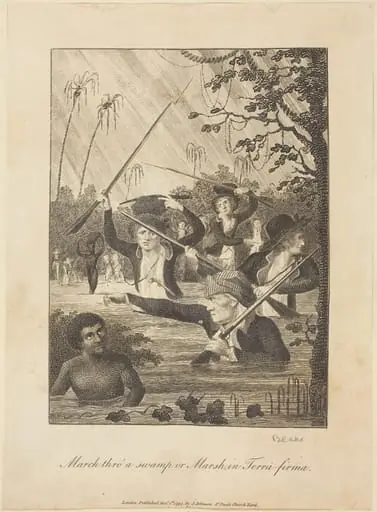 March thro' a swamp or Marsh in Terra-firma
![View of Mount Emo [Haemus] or Great Balkan in Bulgaria with guards assembled to collect a toll from travellers, by Luigi Mayer](https://artifactworldgallery.com/img/luigi-mayer--view-of-mount-emo-haemus-or-great-balkan-in-bulgaria-with-gu--689442e1e99001cb-w320.webp) View of Mount Emo [Haemus] or Great Balkan in Bulgaria with guards assembled to collect a toll from travellers
View of Mount Emo [Haemus] or Great Balkan in Bulgaria with guards assembled to collect a toll from travellers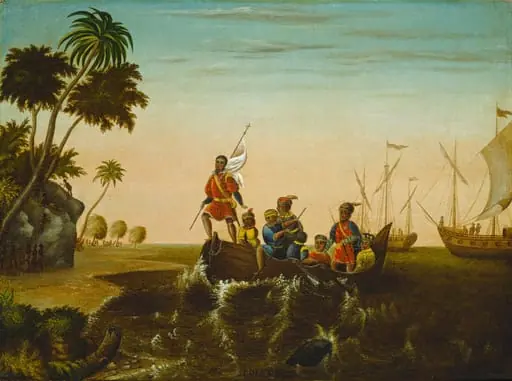 The Landing of Columbus
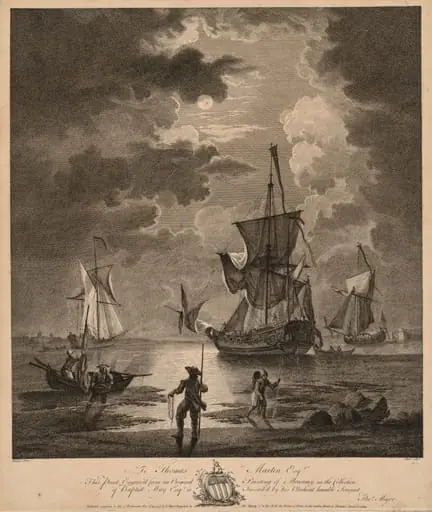 A View of the Sea by Moonlight
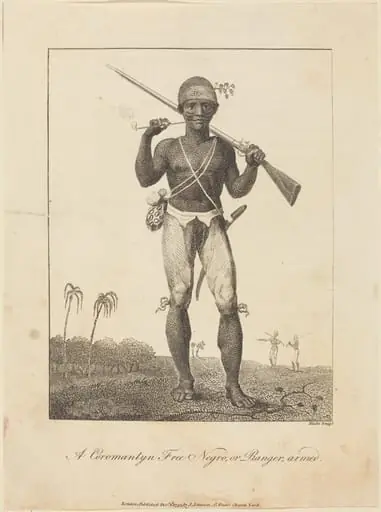 A Coromantyn Free Negro, or Ranger, armed
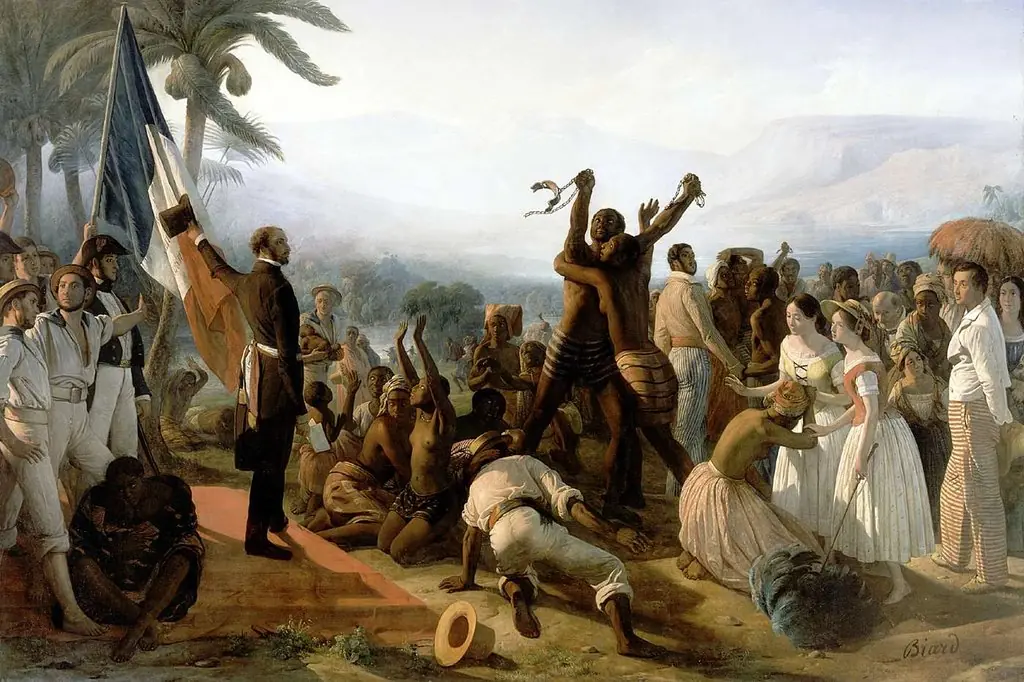 Proclamation of the Abolition of Slavery in the French Colonies, 27 April 1848
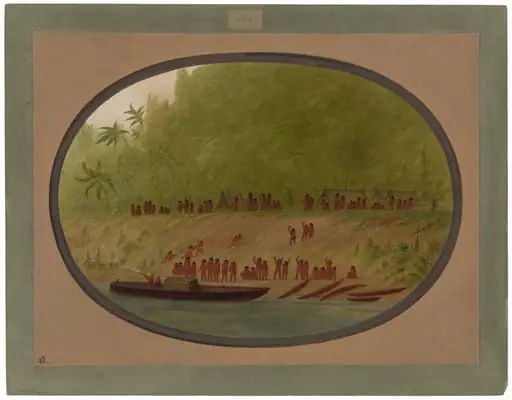 A Small Orejona Village
 Group of Negros, as imported to be sold for Slaves