Artwork
Head of a Horse from the Parthenon
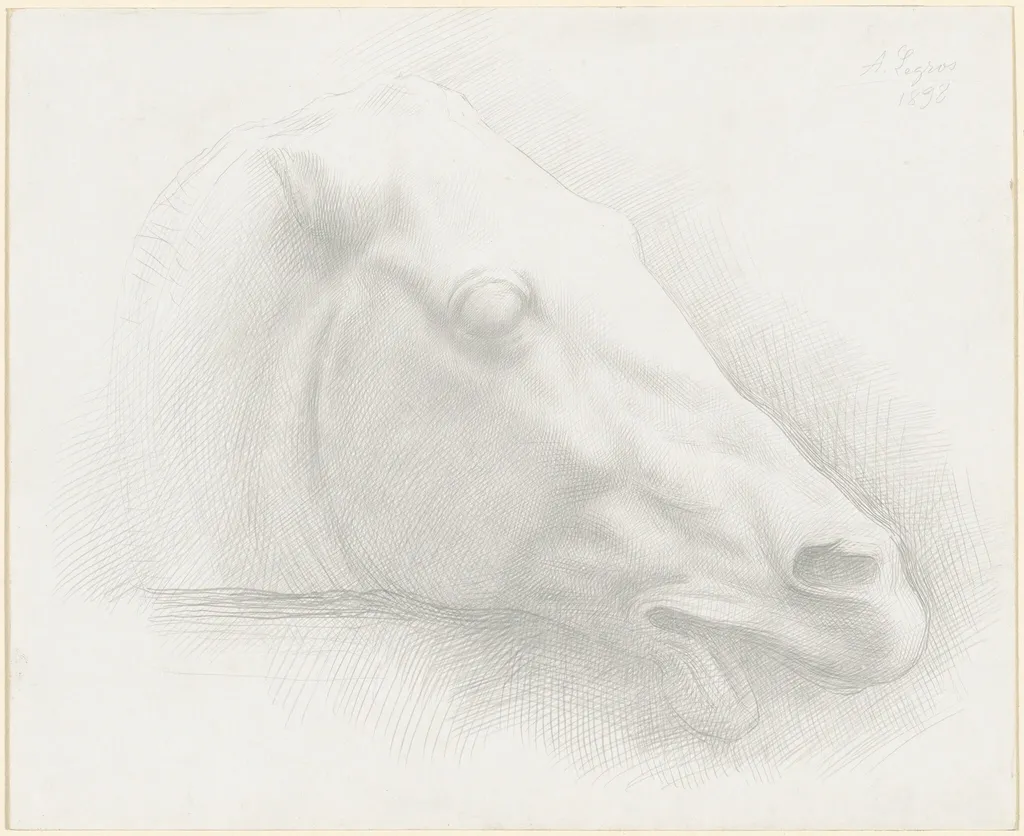
Head of a Horse from the Parthenon is a gold drawing by the Impressionist artist Alphonse Legros. It dates from 1898 and is held in the collection of the National Gallery of Art.
About this work
This painting is called Head of a Horse from the Parthenon.
It was created by Alphonse Legros in 1898.
The artist used a unique medium, goldpoint with scraping on white paper, which is interesting because it's not a common technique.
You can learn more about this style at the National Gallery of Art, Washington, or by exploring the movement: Realism.
Overview
Alphonse Legros’ 1898 drawing titled *Head of a Horse from the Parthenon* presents a single equine portrait rendered in goldpoint on a sheet of white, commercially prepared paper. The work measures only a modest size, yet its delicate surface treatment and precise line work give the image a luminous, almost sculptural presence.
Technique & Style
Legros employed goldpoint—a medium that deposits fine metallic particles onto paper—combined with a scraping technique that removes pigment to reveal highlights. This method, uncommon in the late nineteenth century, allowed him to achieve subtle tonal variations and a crisp delineation of the horse’s features, reflecting his mastery of drawing and his experimental approach to material.
Context
Having moved from France to London in 1863, Legros became an influential figure in the British etching revival, a movement that sought to re‑elevate printmaking and drawing as fine‑art practices. The *Head of a Horse* exemplifies his engagement with the revival’s emphasis on technical skill, direct observation, and the revival of classical subjects.
Subject & Meaning
The drawing references the celebrated Parthenon sculptures, specifically the equestrian fragment that once adorned the ancient Greek temple. By isolating the horse’s head, Legros highlights the enduring fascination with classical anatomy and the idealized form, inviting viewers to consider the continuity of artistic study across centuries.
History & Provenance
Created in 1898, the piece remained within Legros’ personal collection before entering the public domain through a series of private sales in the early twentieth century. It is now held by a major museum, where it contributes to the broader narrative of late‑Victorian drawing practices and the cross‑channel exchange of artistic ideas.
Artist & collection

Artist
Alphonse Legros (French pronunciation: ; 8 May 1837 – 8 December 1911) was a French, later British, painter, etcher, sculptor, and medallist.

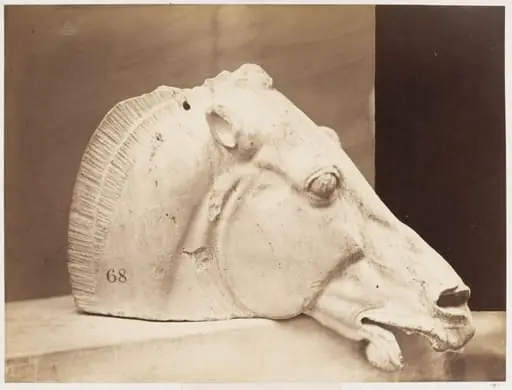
![The Horse of Selene from the Elgin Marbles [recto], by William Etty](https://artifactworldgallery.com/img/william-etty--the-horse-of-selene-from-the-elgin-marbles-recto--9ba6b2e51464c157-w320.webp)
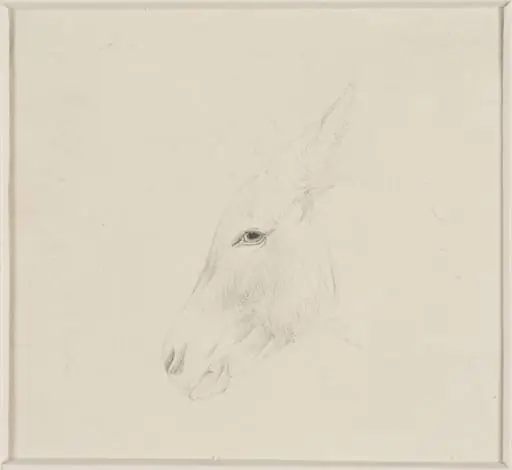
![Study of a Horse [verso], by William Etty](https://artifactworldgallery.com/img/william-etty--study-of-a-horse-verso--cb7cd0a7be190de2-w320.webp)