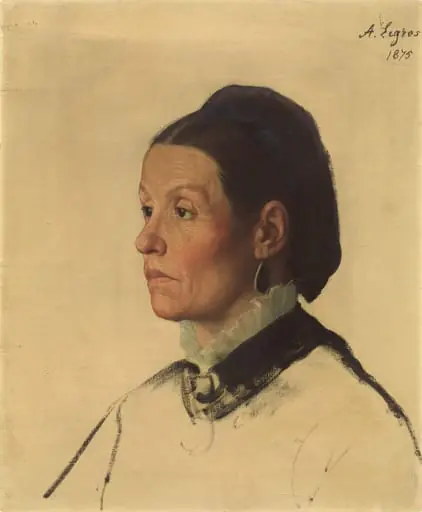
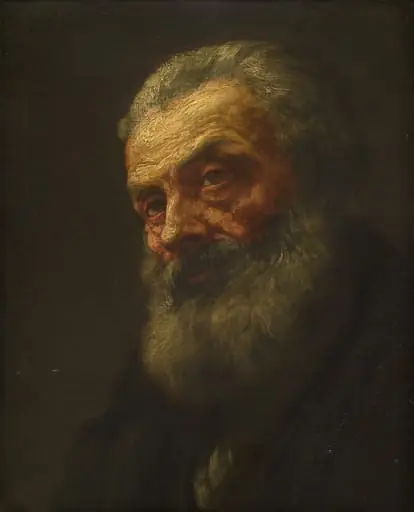
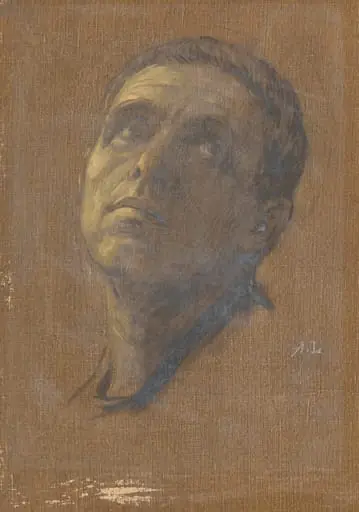
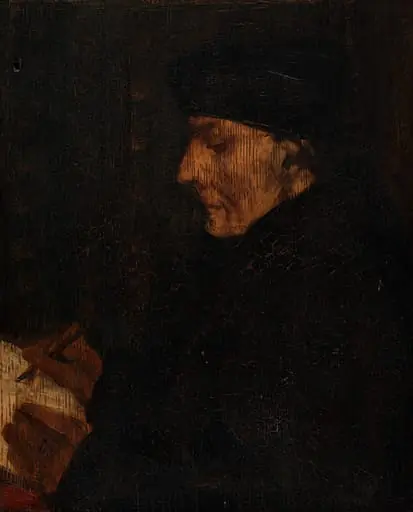
Artwork
The Triumph of Death: Proclamation (Le triomphe de la mort: La proclamation)
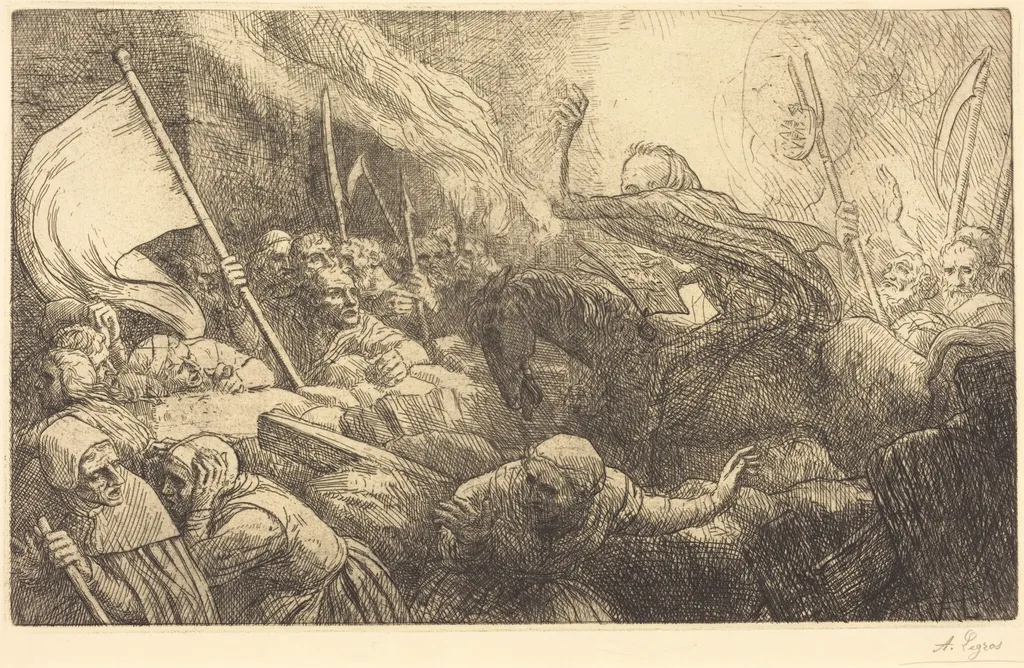
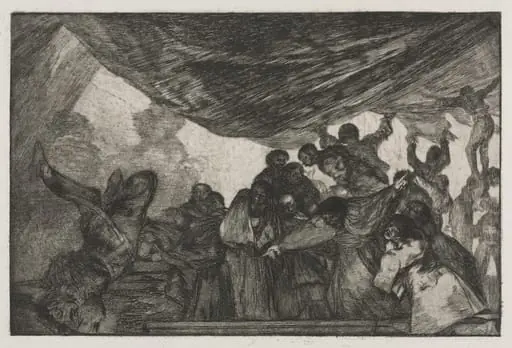
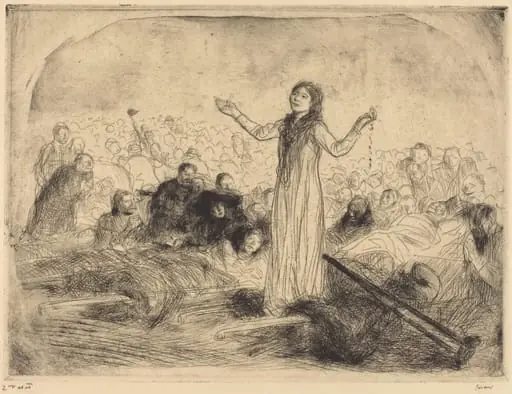
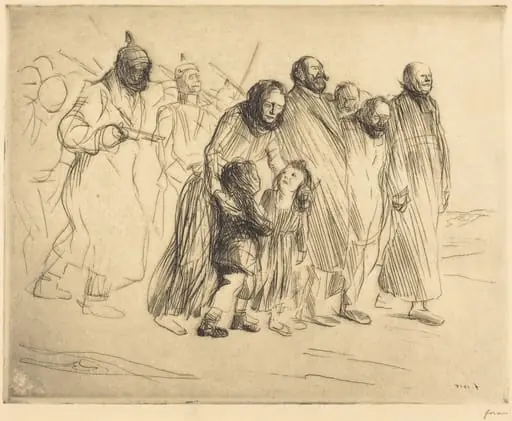
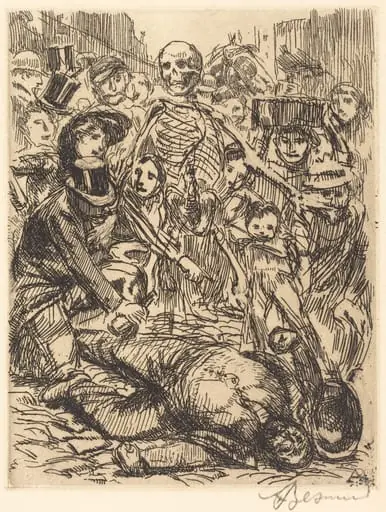
The Triumph of Death: Proclamation (Le triomphe de la mort: La proclamation) is an ink print by the Romanticist artist Alphonse Legros. It dates from 1874 and is held in the collection of the National Gallery of Art.
About this work
Overview
Unlike polished academic prints, this piece embraces a raw, gestural quality that aligns with late Romantic sensibilities.
Created in 1874 by French-born artist Alphonse Legros, this etching is part of a series titled *The Triumph of Death*. Legros, who moved to London in 1863, became a key figure in the British etching revival. The work exemplifies his mastery of the medium, using fine, expressive lines to convey emotional intensity. Unlike polished academic prints, this piece embraces a raw, gestural quality that aligns with late Romantic sensibilities.
Subject & Meaning
The scene portrays Death as an overwhelming force, not as a solitary figure but as an ambient presence that grips a disoriented crowd. Figures scramble in panic—some raise arms, others clutch weapons—suggesting futile resistance. The absence of clear narrative or hierarchy implies universal vulnerability. The title, *Proclamation*, frames death not as a quiet end but as a public, inescapable declaration, echoing medieval memento mori traditions through a modern lens.
Technique & Style
Legros employed loose, incised lines typical of etching to generate movement and chaos. The sky and ground are rendered with agitated, swirling strokes, dissolving boundaries between elements. Facial features are suggested rather than defined, enhancing the sense of collective hysteria. The lack of fine detail and emphasis on texture over precision reflect a deliberate departure from academic norms, favoring emotional immediacy over formal polish.
History & Provenance
The print was produced during Legros’s tenure at the Slade School of Art in London, where he influenced a generation of British artists. Though part of a larger series, *The Triumph of Death: Proclamation* was not widely exhibited in his lifetime. It entered institutional collections later, primarily through donations from students or patrons connected to the Slade, reflecting its niche appeal among print collectors rather than mainstream audiences.
Context
In the 1870s, European artists revisited themes of mortality amid industrialization and scientific skepticism. Legros’s work responds to this climate, drawing from Gothic imagery and Romantic drama while rejecting sentimentality. His etchings stood apart from the ornate styles of the time, aligning instead with a growing interest in psychological realism and the expressive potential of printmaking as a serious art form.
Legacy
Legros’s etching contributed to the redefinition of printmaking in Britain as a vehicle for personal expression rather than reproduction. Though less known today than his contemporaries, his emphasis on emotional texture and technical experimentation influenced later generations of printmakers. The work remains a quiet but potent example of how 19th-century artists used traditional media to confront existential themes with unflinching directness.
Artist & collection

Artist
Alphonse Legros (French pronunciation: ; 8 May 1837 – 8 December 1911) was a French, later British, painter, etcher, sculptor, and medallist.