Artwork
The Descent from the Cross by Torchlight
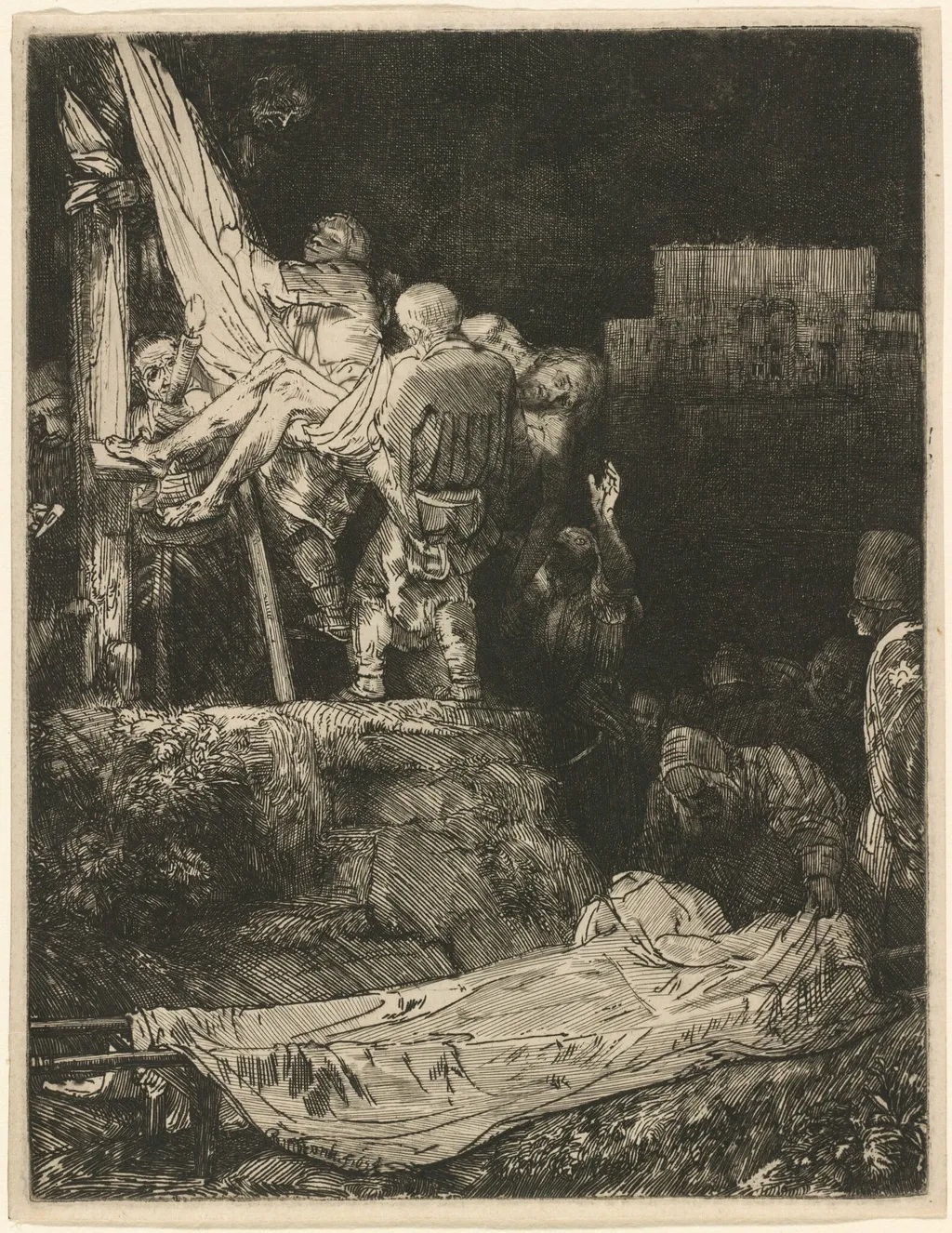
The Descent from the Cross by Torchlight is an ink print by the Baroque artist Rembrandt. It dates from 1654 and is held in the collection of the National Gallery of Art.
About this work
Overview
Created in 1654, this print by Rembrandt van Rijn depicts the moment Christ’s body is lowered from the cross under dim artificial light. Executed in etching and drypoint, it captures a quiet, intense moment of human labor and grief. The composition is dominated by shadow and texture, with minimal detail to focus attention on the physical effort and emotional weight of the act.
Subject & Meaning
The scene portrays a group of anonymous figures engaged in the solemn task of removing Christ’s body, emphasizing human vulnerability over divine spectacle. Faces are obscured, and gestures are strained, suggesting grief rendered in physical exertion rather than overt expression. The absence of clear identity shifts focus from individual roles to the universal weight of loss and care.
Technique & Style
Rembrandt employed etching for broad tonal areas and drypoint for dense, scratchy lines that create deep shadows and rough textures. The dark background is built with layered ink, enhancing the sense of enclosure. Deliberate blurring and uneven ink application give the figures a tactile, almost trembling presence, reinforcing the scene’s emotional gravity through material imperfection.
History & Provenance
The print was made during Rembrandt’s later years, a period marked by personal hardship and artistic experimentation. It was likely produced for a small circle of collectors rather than public display. Few impressions survive in pristine condition, and early copies were often reworked by the artist, reflecting his evolving approach to the medium.
Context
In mid-17th century Holland, religious imagery was less common in public art due to Protestant sensibilities, yet private devotional prints remained significant. Rembrandt’s focus on intimate, human moments within biblical narratives aligned with a growing interest in emotional realism, distinguishing his work from more formalized religious iconography of the time.
Legacy
This print influenced later artists through its use of chiaroscuro and expressive line work, demonstrating how printmaking could convey psychological depth without color or grandeur. Its emphasis on texture and mood over clarity became a touchstone for 19th-century etchers seeking to capture inner states through the medium’s inherent intimacy.
Artist & collection
Artist
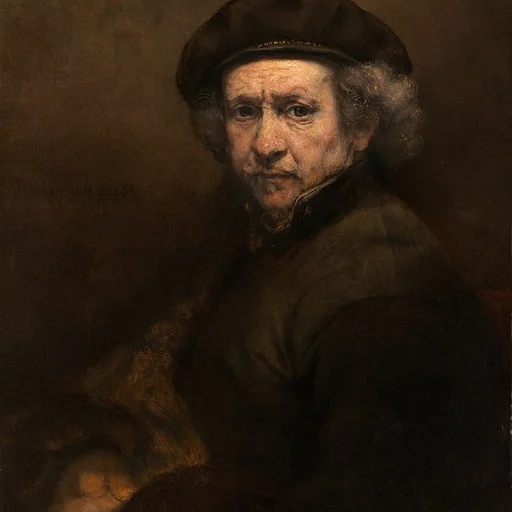
Rembrandt Harmenszoon van Rijn (15 July 1606 – 4 October 1669), known mononymously as Rembrandt, was a Dutch Golden Age painter, printmaker, and draughtsman.

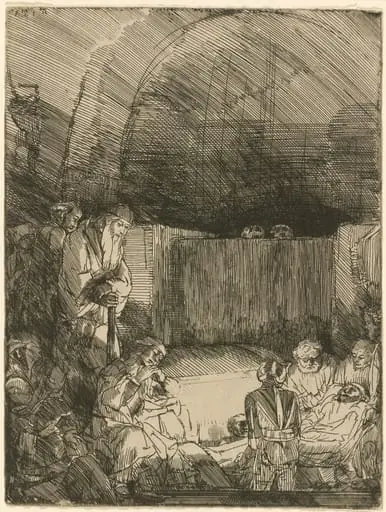 The Entombment
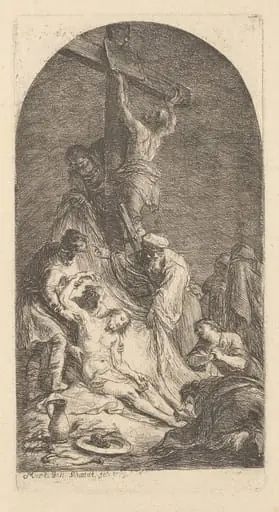 Descent from the Cross
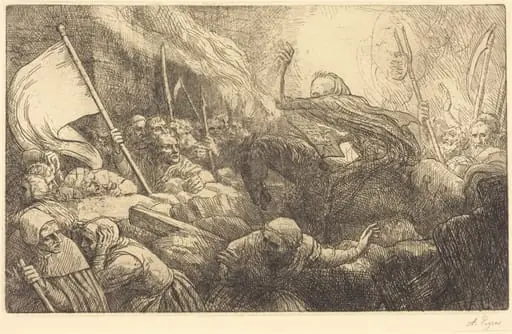 The Triumph of Death: Proclamation (Le triomphe de la mort: La proclamation)
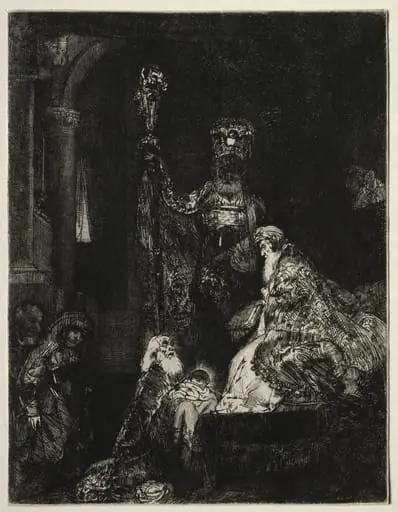 The Presentation in the Temple
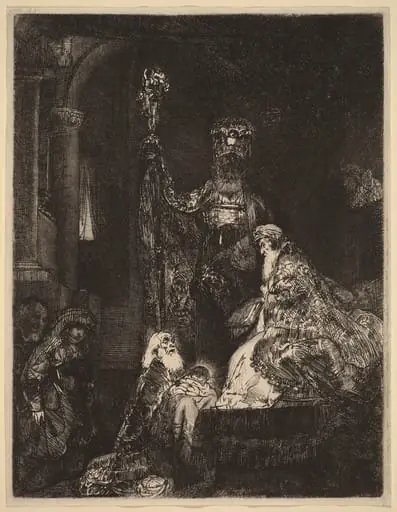 The Presentation in the Temple in the Dark Manner
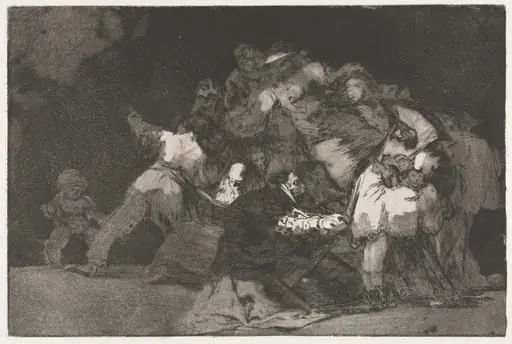 The Proverbs: General Folly
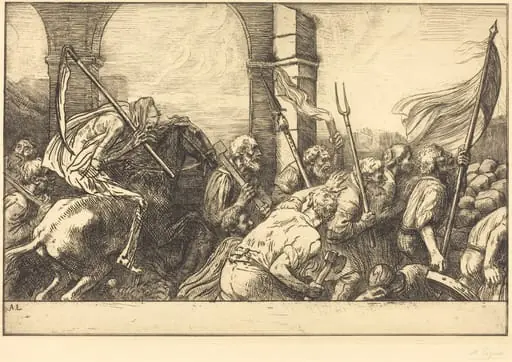 The Triumph of Death: Departure (Le triomphe de la mort: Le depart)
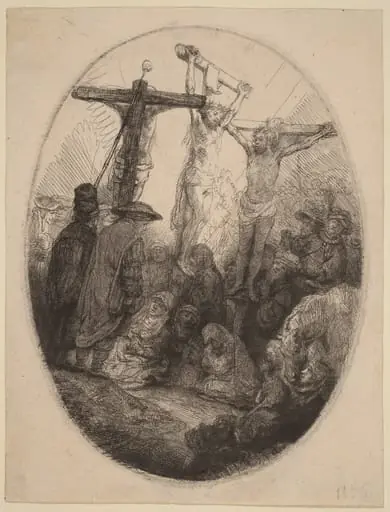 Christ Crucified between the Two Thieves: an Oval Plate
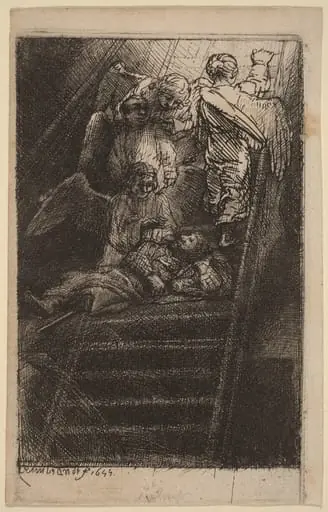 Jacob's Ladder
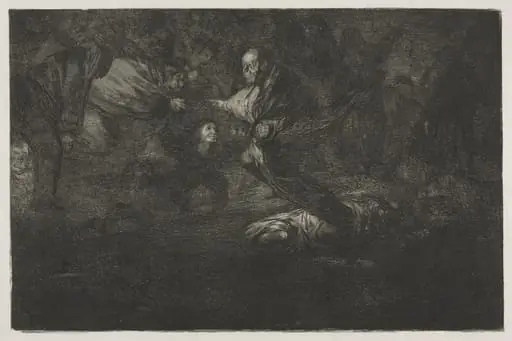 The Proverbs: God Creates Them and They Join Up Together
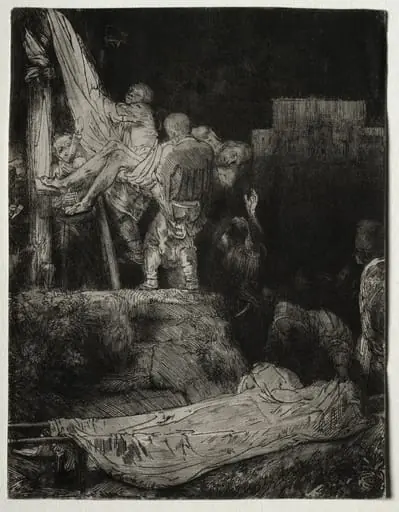 The Descent from the Cross by Torchlight
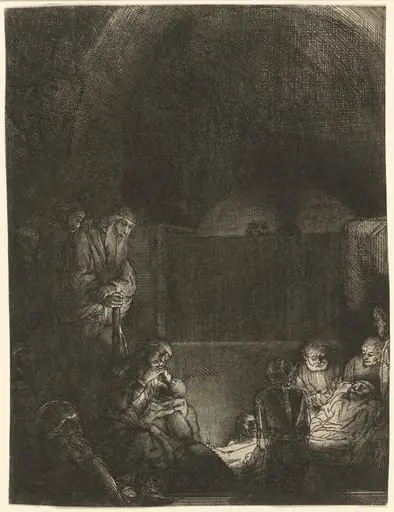 The Entombment