Artwork
Nicola Pisano: design for a mosaic in the Museum (the 'Kensington Valhalla')
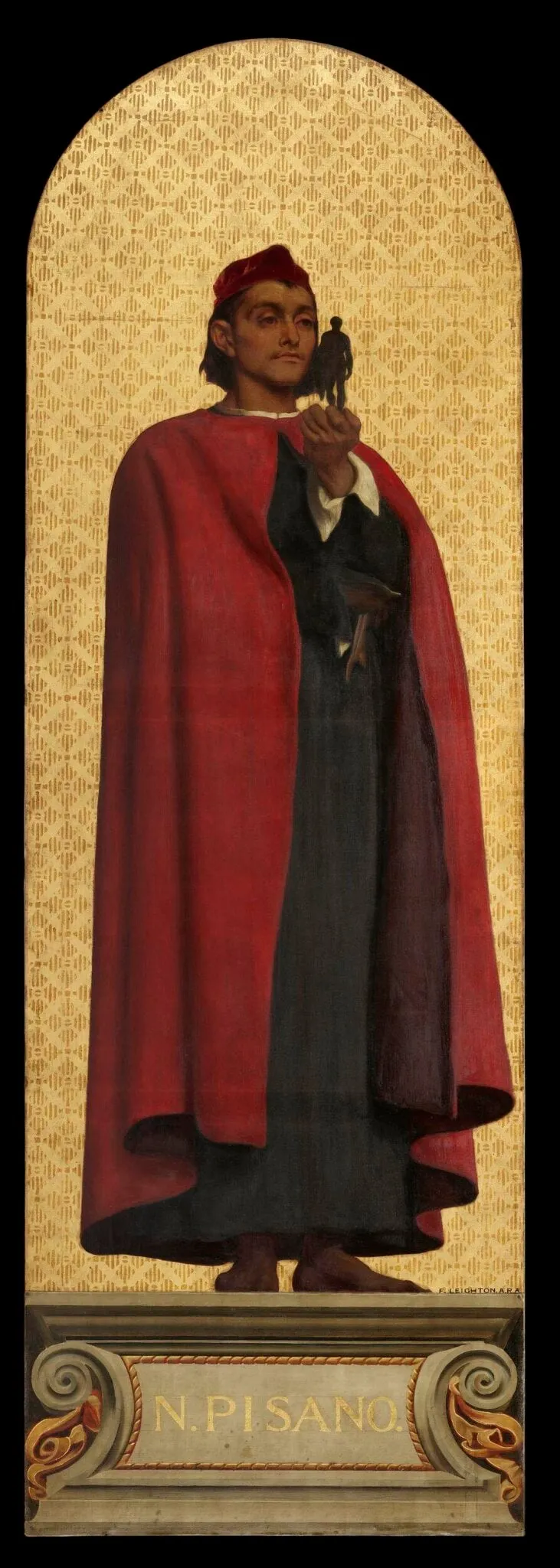
Nicola Pisano: design for a mosaic in the Museum (the 'Kensington Valhalla') is an oil painting by the Impressionist artist Frederic, Lord Leighton. It dates from 1868 and is held in the collection of the Victoria and Albert Museum.
About this work
Overview
The oil painting presents a full-length figure identified as Nicola Pisano, dressed in a vivid red cloak with a black underlayer and a matching cap. He stands before an arched, gold‑toned backdrop, holding a diminutive male statue in his right hand, and rests on a plinth decorated with Ionic scrolls that bear his name.
Subject & Meaning
The portrait emphasizes Pisano’s stature as a sculptor by juxtaposing his own likeness with a small figure, suggesting a link between the artist and his creations. The regal attire and the classical motifs of the plinth reinforce a sense of reverence for his contributions to Renaissance art.
Technique & Style
Executed in oil, the work employs a restrained palette dominated by reds and golds, drawing the eye to the central figure. The composition’s clarity and attention to realistic detail align it with mid‑nineteenth‑century Realist tendencies, which favored faithful representation of individuals and their surroundings.
History & Provenance
Created as part of the “Kensington Valhalla” project, the portrait was commissioned between 1862 and 1871 for the South Court arcade niches of the South Kensington Museum (now the Victoria and Albert Museum). The series aimed to honor artists from both fine and applied arts, expanding the museum’s canon of celebrated creators.
Context
The portrait reflects Victorian museum practice of celebrating artistic lineage through life‑size representations. By placing Pisano among a broader roster of creators, the project highlighted the museum’s ambition to present a comprehensive narrative of artistic achievement across disciplines.
Artist & collection


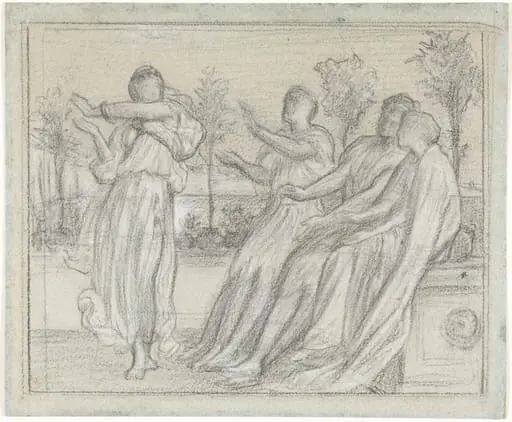 Study for "Greek Girl Dancing"
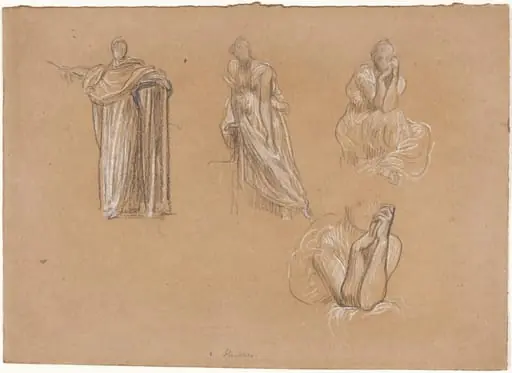 Figure Studies
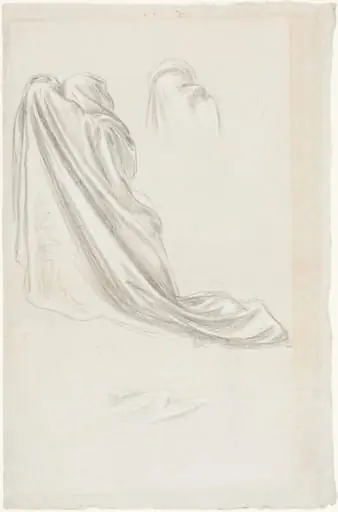 Study for "The Wise and Foolish Virgins"
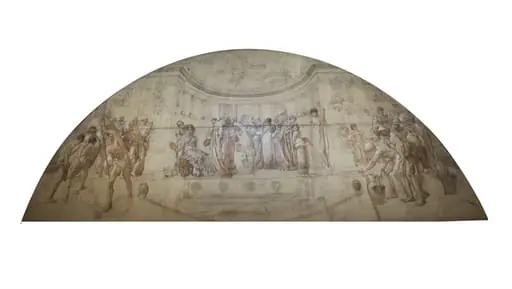 Full-scale monochrome cartoon for 'The Arts of Industry as Applied to Peace'
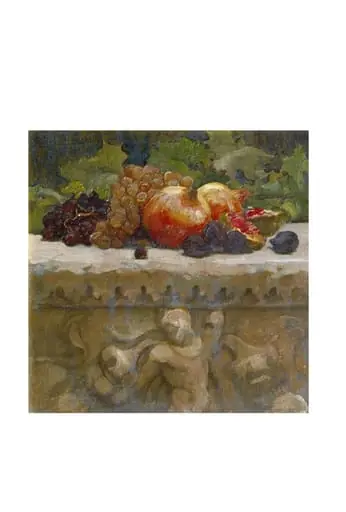 Still-life study of fruit on a marble sarcophagus, used as a preparatory study for <i>Clytie</i>
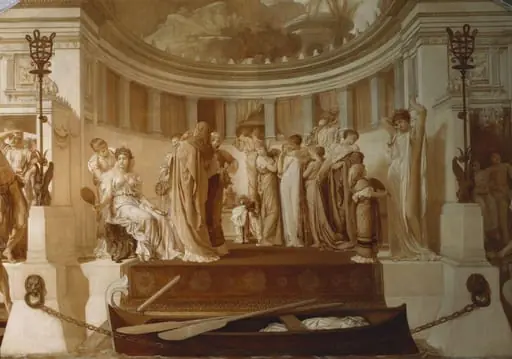 Half-size monochrome cartoon for the spirit fresco 'The Arts of Industry as Applied to Peace'
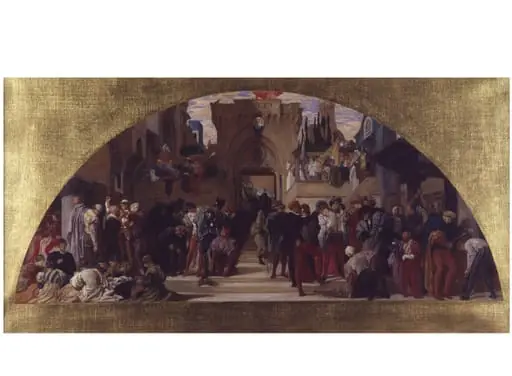 Colour sketch for spirit fresco 'The Arts of Industry as Applied to War'
 Lemon blossom. Capri
 Flügel eines Altares: Hl. Brigitta (abgesägte Rückseite von WAF 1205)
 Mater Dolorosa
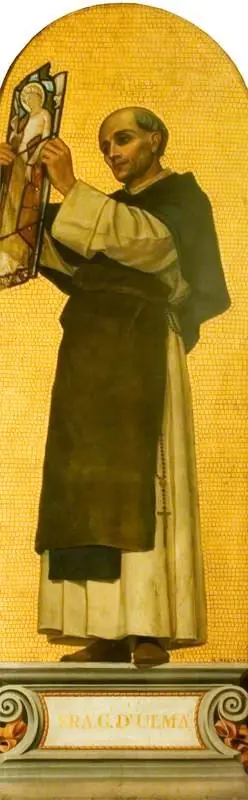 Fra Giacomo da Ulma (design for a mosaic in the Victoria and Albert Museum)
 Erzherzogin Helene von Österreich
 St Stanislaus (obverse); Archangel Gabriel from the Scene of the Annunciation (reverse). Wing of the altar retable from Snoza
 A Man Seen from Behind
 A Lady Seen from Behind
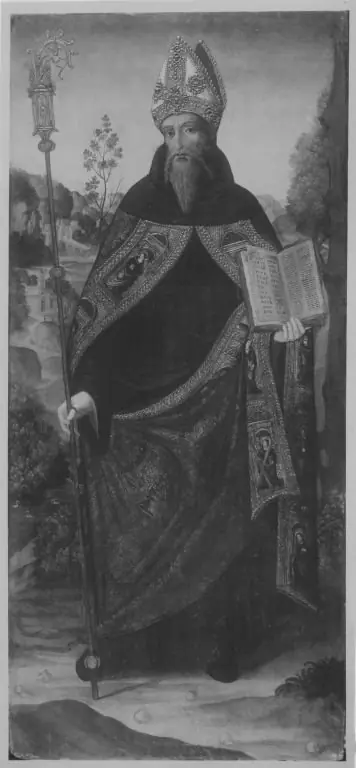 Hl. Augustinus, Bischof von Hippo (?)
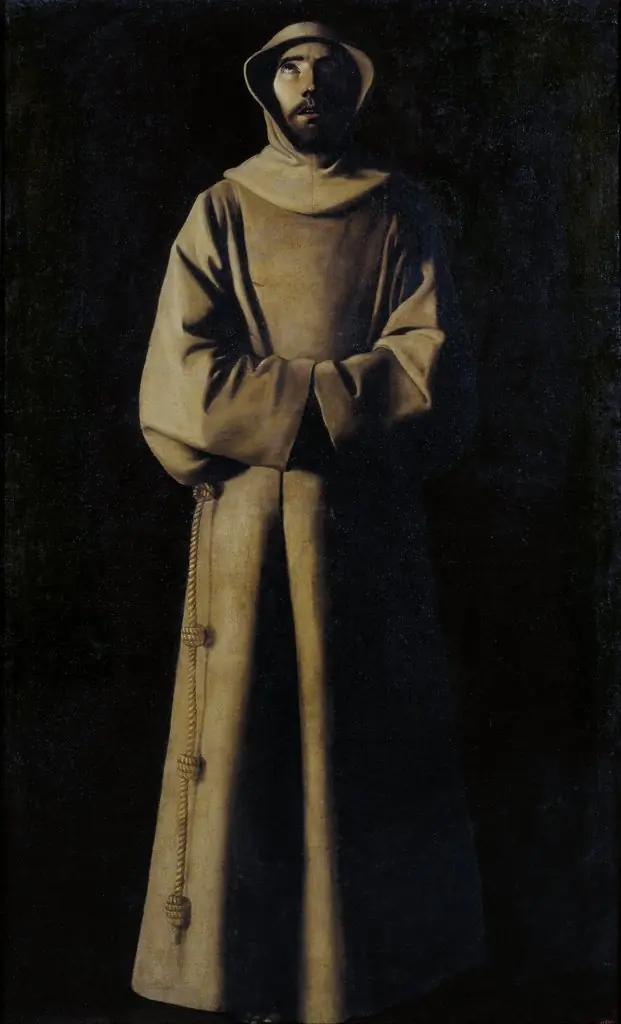 Saint Francis of Assisi according to Pope Nicholas V's Vision