Artwork
Fra Giacomo da Ulma (design for a mosaic in the Victoria and Albert Museum)
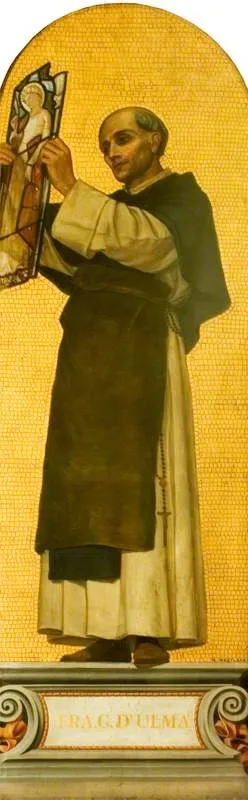
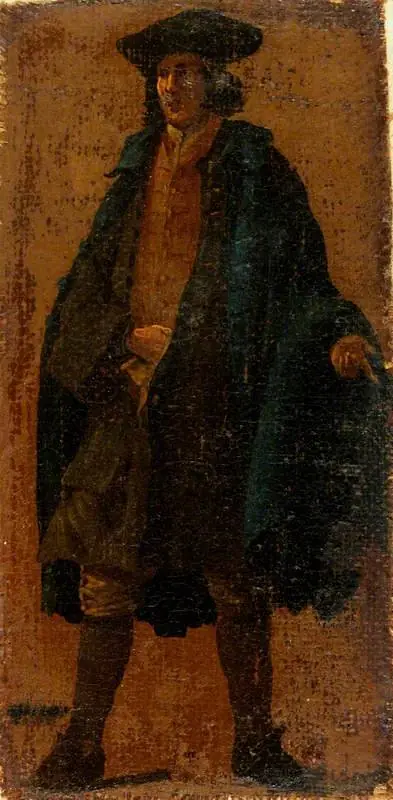
Fra Giacomo da Ulma (design for a mosaic in the Victoria and Albert Museum) is an oil painting by Nathaniel Westlake. It dates from 1868 and is held in the collection of the Victoria and Albert Museum.
About this work
Overview
The work reflects Westlake’s engagement with ecclesiastical decoration, translating architectural ornament into a portable medium for planning and presentation.
Created in 1868 by Nathaniel Westlake, this oil painting serves as a preparatory study for a mosaic design. It depicts a religious figure in monastic attire, holding a stained glass panel, and is part of the Victoria and Albert Museum’s collection. The work reflects Westlake’s engagement with ecclesiastical decoration, translating architectural ornament into a portable medium for planning and presentation.
Subject & Meaning
The figure, likely a monk or artisan, is shown in contemplative pose, cradling a fragment of stained glass. His dark robe and rosary signal monastic life, while the glass suggests his role in crafting sacred imagery. The composition implies a fusion of spiritual devotion and manual labor, common in medieval monastic traditions where artisans were seen as serving divine purpose through their craft.
Technique & Style
Westlake employs muted tones and controlled contrasts to evoke solemnity. The figure is rendered with soft modeling, and the yellow mosaic background provides a flat, decorative counterpoint to the three-dimensional form. Light falls gently across the robe and glass, suggesting chiaroscuro without dramatic intensity, aligning with the restrained aesthetic of Victorian ecclesiastical art.
History & Provenance
The painting was made as a design proposal for a mosaic, possibly for a church or chapel. It entered the Victoria and Albert Museum’s collection as part of its broader mission to document decorative arts. Its survival as a standalone work highlights the museum’s interest in the preparatory stages of artistic production, not just finished pieces.
Context
In the mid-19th century, the Gothic Revival movement revived interest in medieval craftsmanship. Westlake, a leading designer of ecclesiastical stained glass, created such studies to guide artisans. This painting reflects a broader cultural effort to reconnect modern religious art with pre-Reformation traditions, emphasizing handwork and symbolic imagery over industrial production.
Legacy
Though the mosaic it intended to inform may not have been executed, the painting endures as evidence of Victorian design practice. It illustrates how artists bridged fine and applied arts, preserving the conceptual integrity of religious decoration. Today, it remains a key reference for scholars studying the intersection of art, faith, and craft in 19th-century Britain.
Artist & collection

 Nicola Pisano (c.1220/1225–c.1284) (design for a mosaic in the Victoria and Albert Museum)
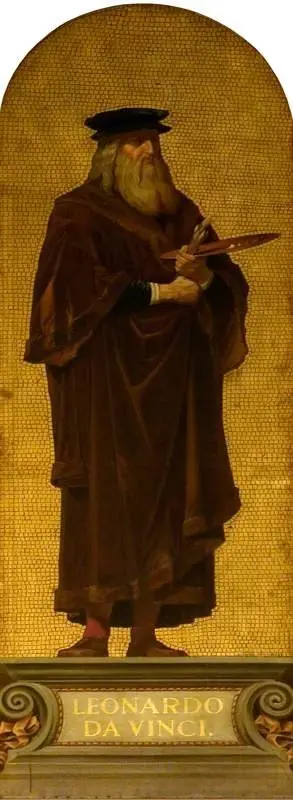 Leonardo da Vinci (1452–1519) (design for a mosaic in the Victoria and Albert Museum)
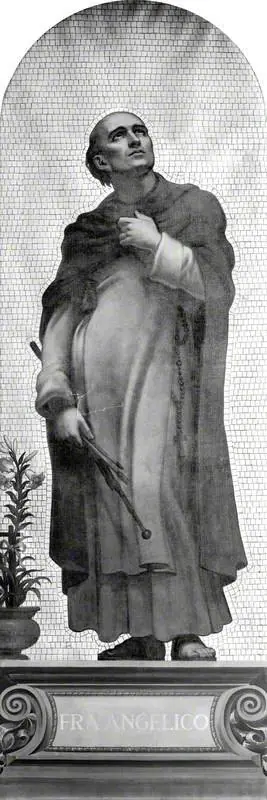 Fra Angelico (c.1395–1455) (design for a mosaic in the Victoria and Albert Museum)
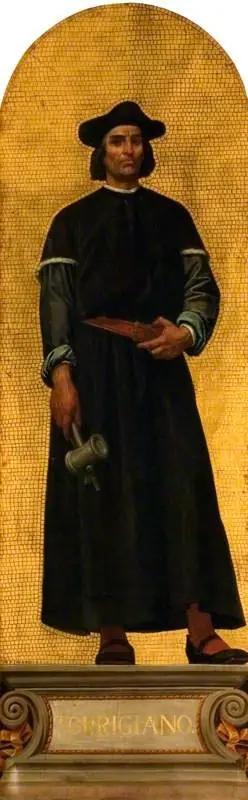 Pietro Torrigiano (1472–1522) (design for a mosaic in the Victoria and Albert Museum)
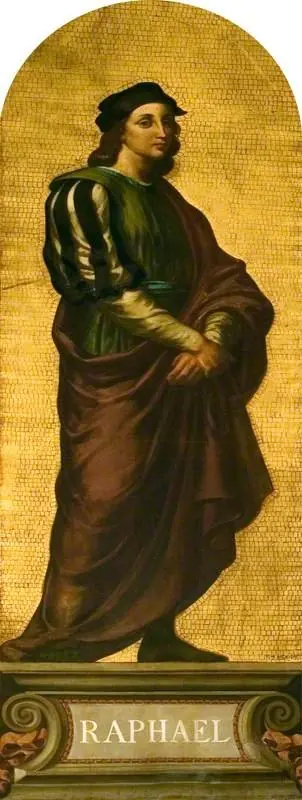 Raphael (1483–1520) (design for a mosaic in the Victoria and Albert Museum)
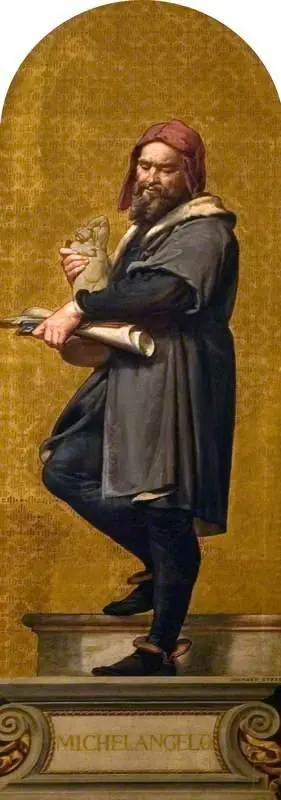 Michelangelo (1475–1564) (design for a mosaic in the Victoria and Albert Museum)
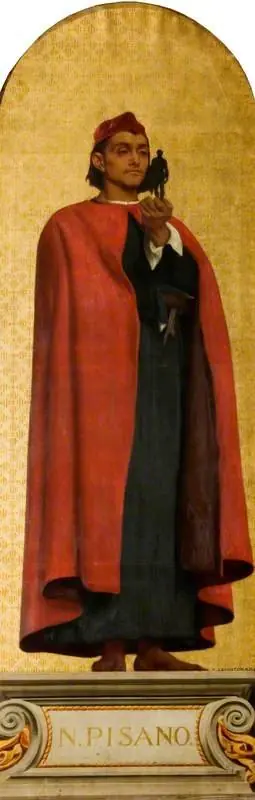 Nicola Pisano (c.1220/1225–c.1284) (design for a mosaic in the Victoria and Albert Museum)
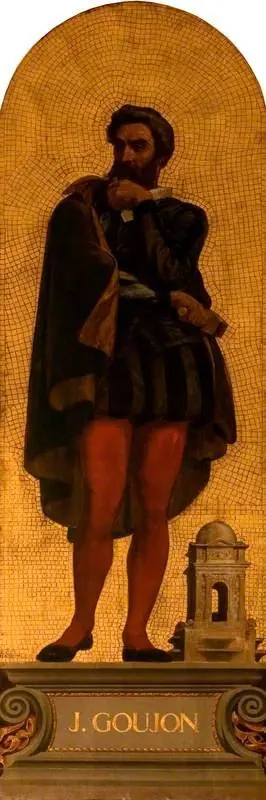 Jean Goujon (c.1510–1565) (design for a mosaic in the Victoria and Albert Museum)
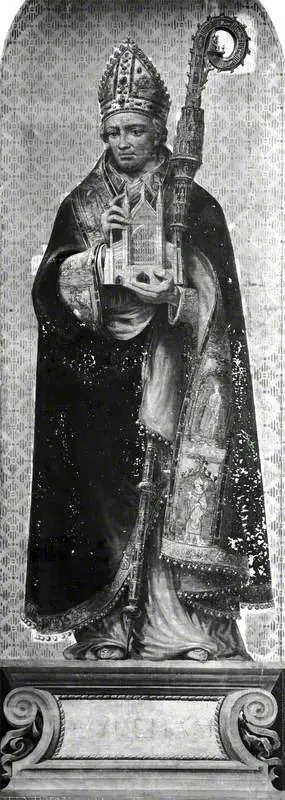 William of Wykeham (1320–1404) (design for a mosaic in the Victoria and Albert Museum)
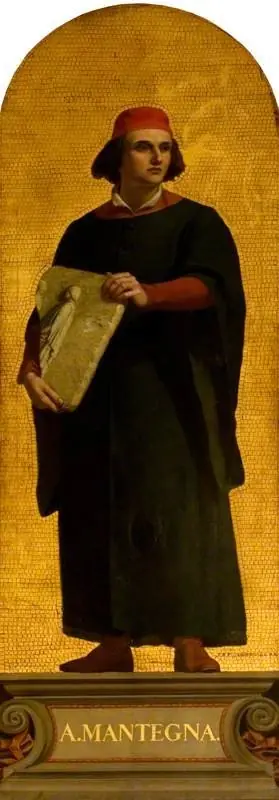 Andrea Mantegna (c.1431–1506) (design for a mosaic in the Victoria and Albert Museum)
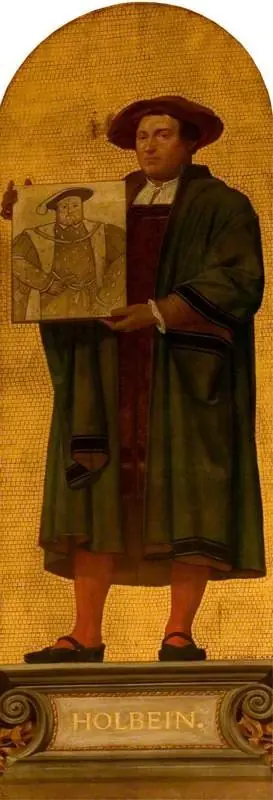 Hans Holbein (c.1497–1543) (design for a mosaic in the Victoria and Albert Museum)