Artwork
Self-Portrait
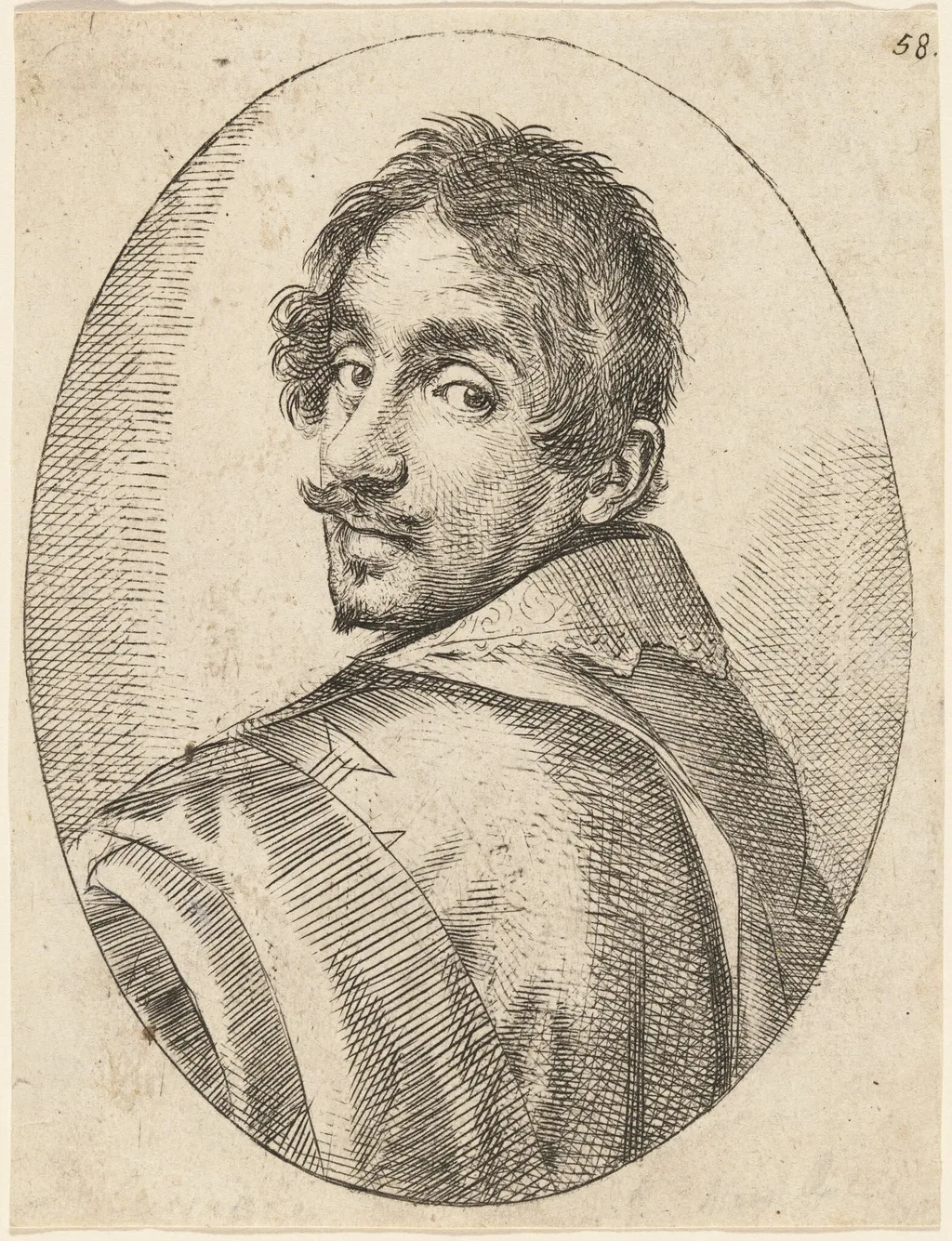
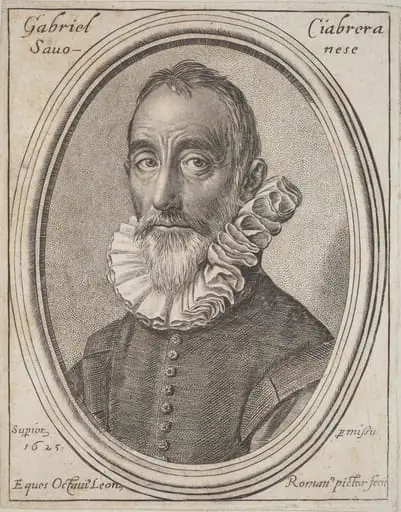
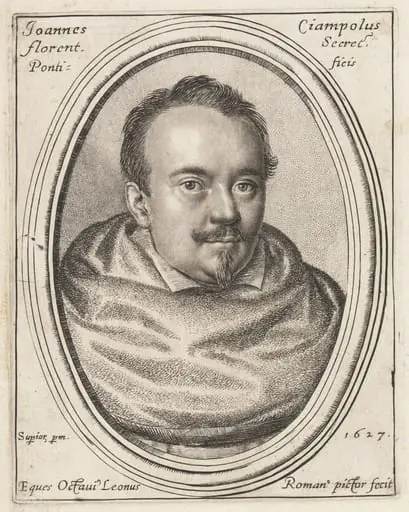
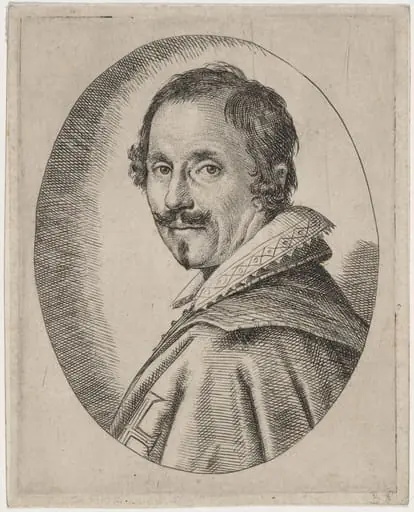
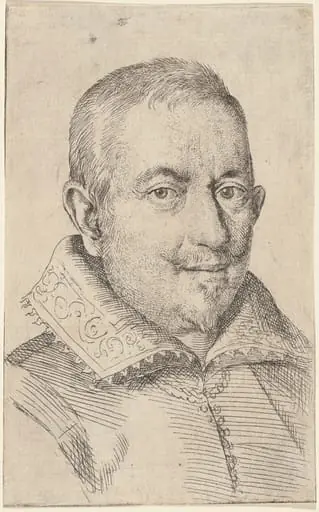
Self-Portrait is an ink print by the Renaissance artist Ottavio Leoni. It dates from 1604 and is held in the collection of the National Gallery of Art.
About this work
Overview
Ottavio Leoni’s 1604 self‑portrait is an engraved print that presents the artist’s head and shoulders within a circular frame. Executed in black and white, the image captures a direct gaze and a loosely draped neckline, offering a concise visual statement of the painter’s own likeness.
Subject & Meaning
The work functions as a straightforward representation of Leoni himself, emphasizing personal identity through the careful rendering of facial features, curly hair and moustache. The intimate scale and unembellished setting suggest a focus on the individual rather than allegorical or narrative content.
Technique & Style
Leoni employed fine cross‑hatching, layering intersecting lines to model light and shadow across the face and clothing. This meticulous approach creates a sense of volume on the flat paper surface, characteristic of early‑Baroque printmaking that sought realism through tonal gradation.
History & Provenance
Created in Rome during Leoni’s early career, the engraving reflects his dual practice as painter and printmaker. While specific ownership records are scarce, the piece is documented among his printed works and has been cited in early 17th‑century collections of Italian engravings.
Context
The self‑portrait aligns with a broader trend among Baroque artists who produced prints of themselves to assert professional status and circulate their image among patrons. Leoni’s choice of engraving, a reproducible medium, allowed wider dissemination than a painted portrait would have permitted.
Artist & collection
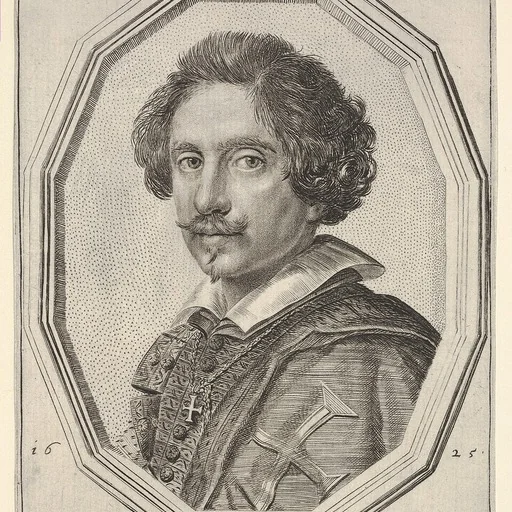
Artist
Ottavio Leoni (1578 – 4 September 1630) was an Italian painter and printmaker of the early-Baroque, active mainly in Rome.