Artwork
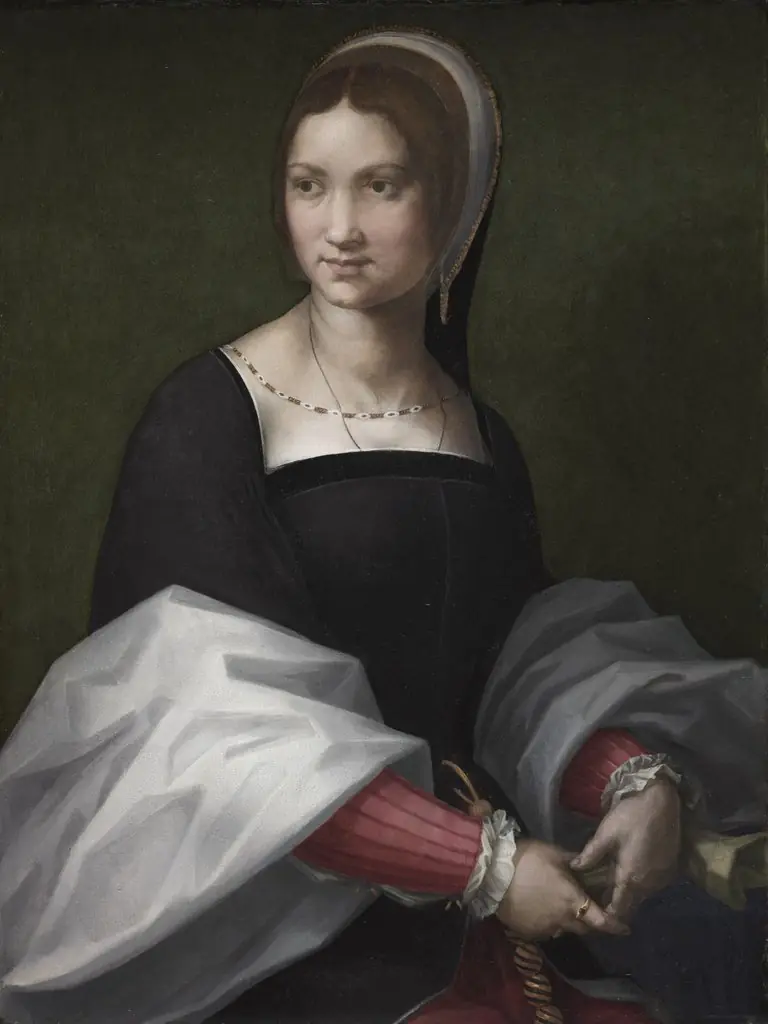
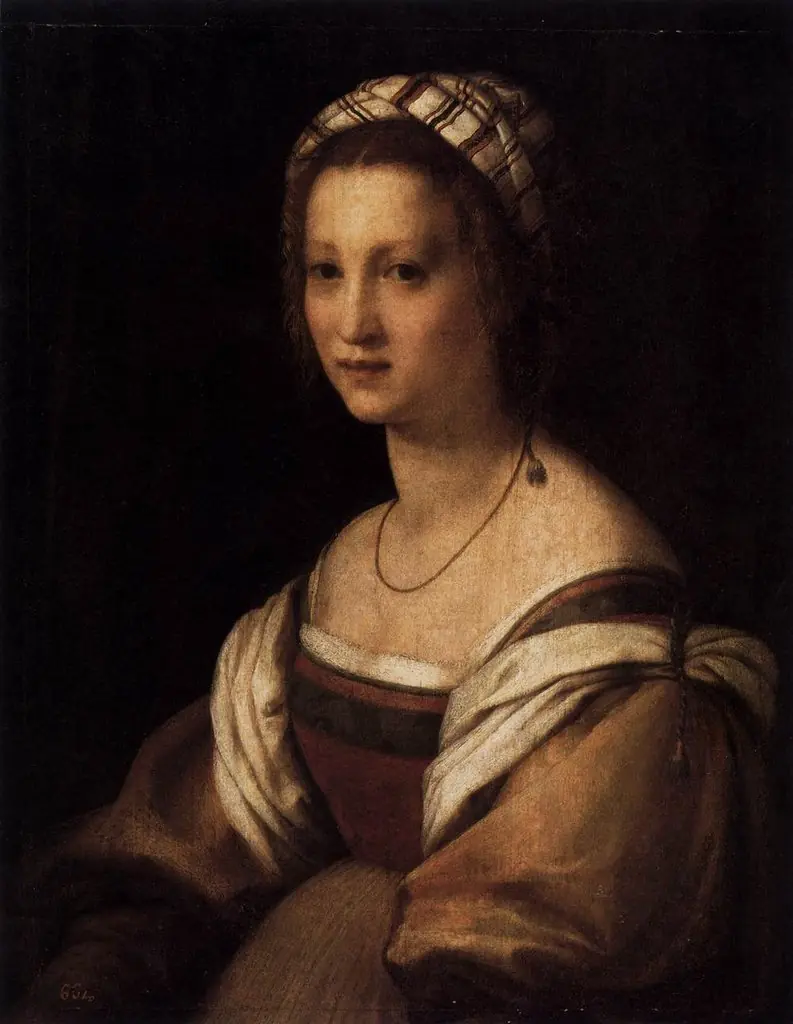
Head of a Woman
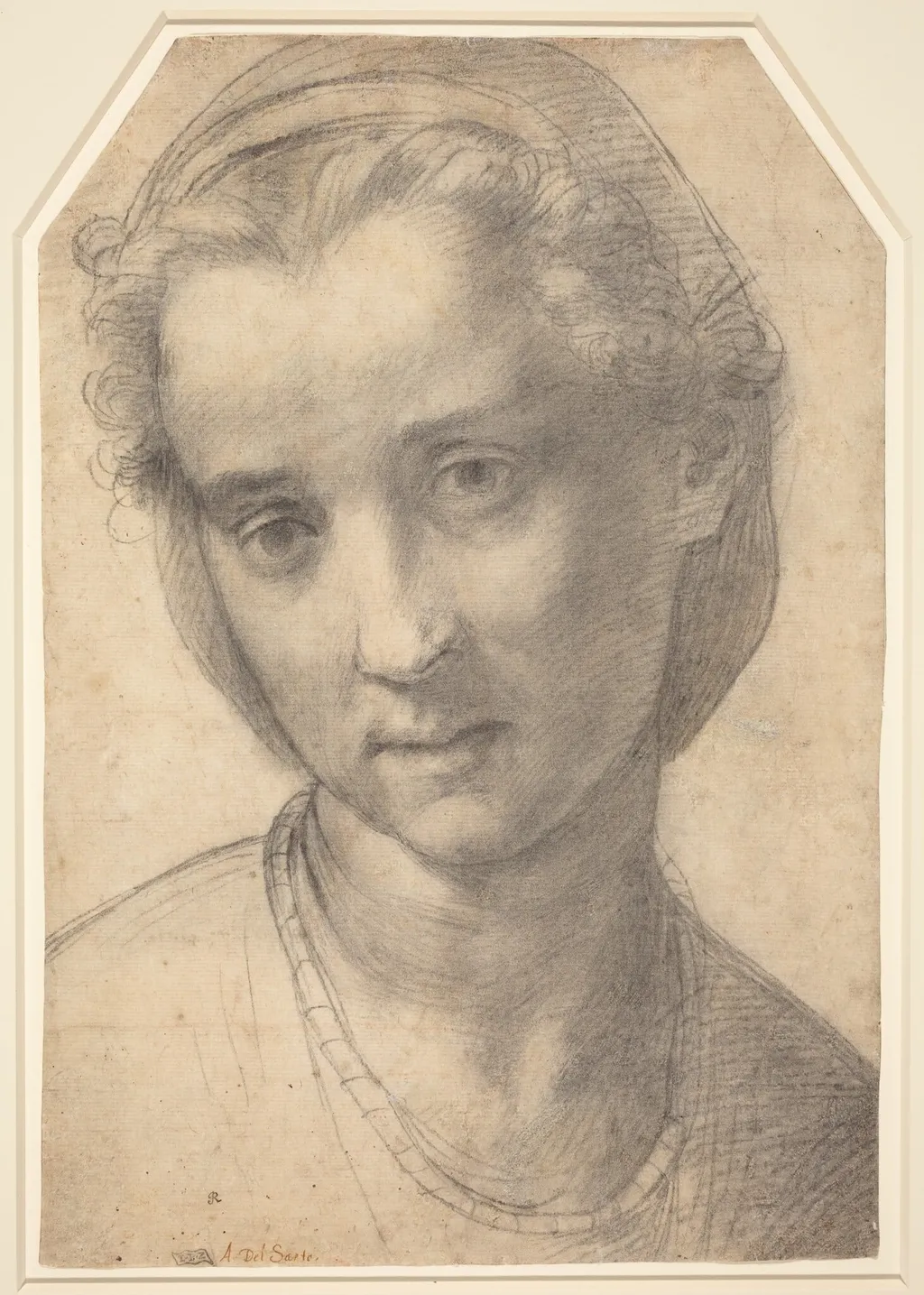
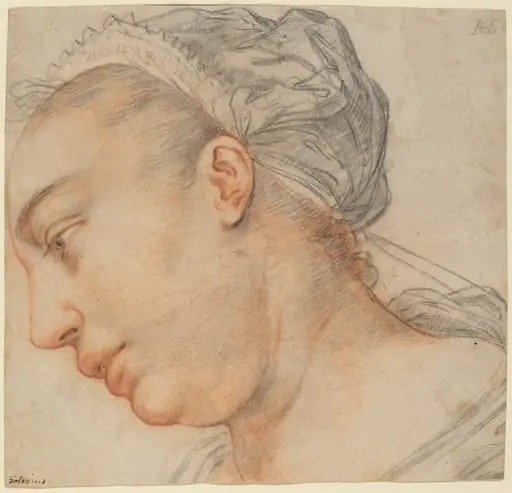
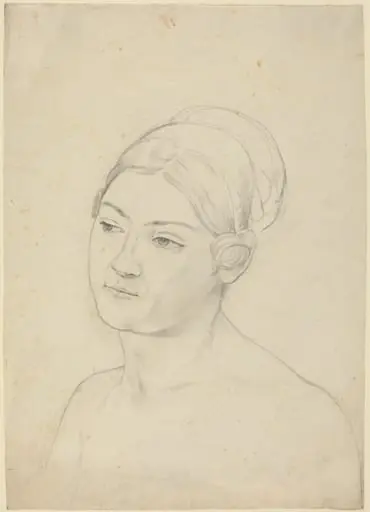
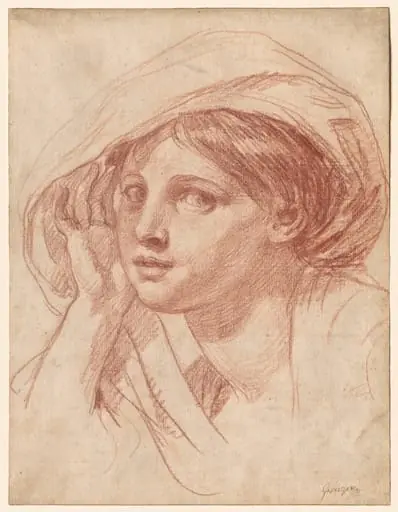
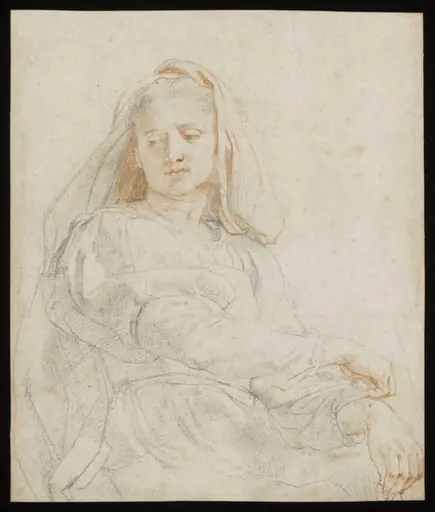
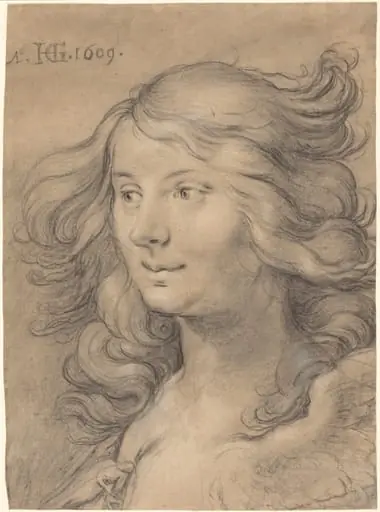
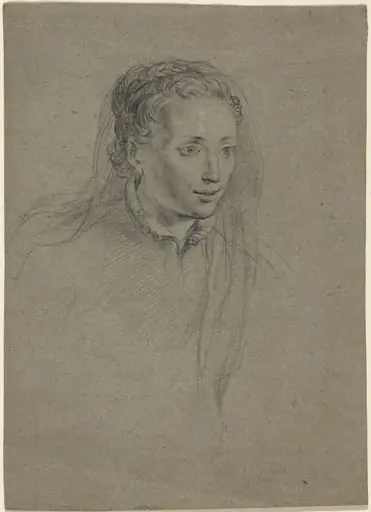
Head of a Woman is a chalk drawing by the Renaissance artist Andrea del Sarto. It dates from 1515 and is held in the collection of the National Gallery of Art.
About this work
Overview
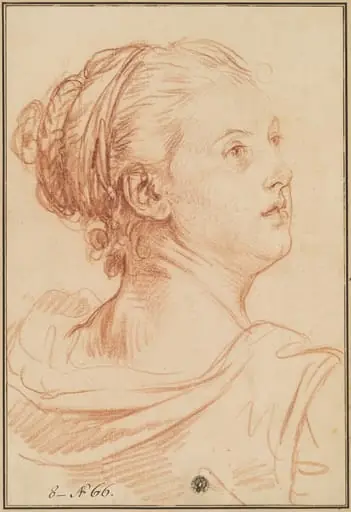
Andrea del Sarto’s *Head of a Woman* is a small-scale drawing executed in black chalk on laid paper around 1515. The work belongs to the transitional period between the High Renaissance and the early Mannerist tendencies that flourished in Florence. It serves as a study of a single figure, showcasing the artist’s reputation for flawless draftsmanship.
Subject & Meaning
The composition presents a woman turned slightly toward the viewer, her hair gathered back and a modest collar framing her shoulders. The pose is intimate yet restrained, suggesting a private study rather than a formal portrait. The subtle expression and smooth modeling convey a calm, dignified presence, typical of del Sarto’s approach to individual character.
Technique & Style
Del Sarto employs black chalk to render fine, controlled lines that outline the facial features and garment. Gradual hatching creates a soft transition between light and shadow, achieving a delicate modeling of the skin. The drawing demonstrates an early use of sfumato, where edges are blended to avoid harsh delineation, producing a naturalistic sense of volume.
History & Provenance
Created while del Sarto was active among Florentine peers such as Leonardo and Michelangelo, the drawing reflects his self‑described ideal of working *senza errori*—without mistakes. Though its original patron is unknown, the piece has survived as a testament to his skill as a draughtsman and continues to be cited in studies of Renaissance portrait drawing.
Artist & collection

Artist
Andrea del Sarto was an Italian painter from Florence, whose career flourished during the High Renaissance and early Mannerism.