Artwork
Moses, um den Sieg betend
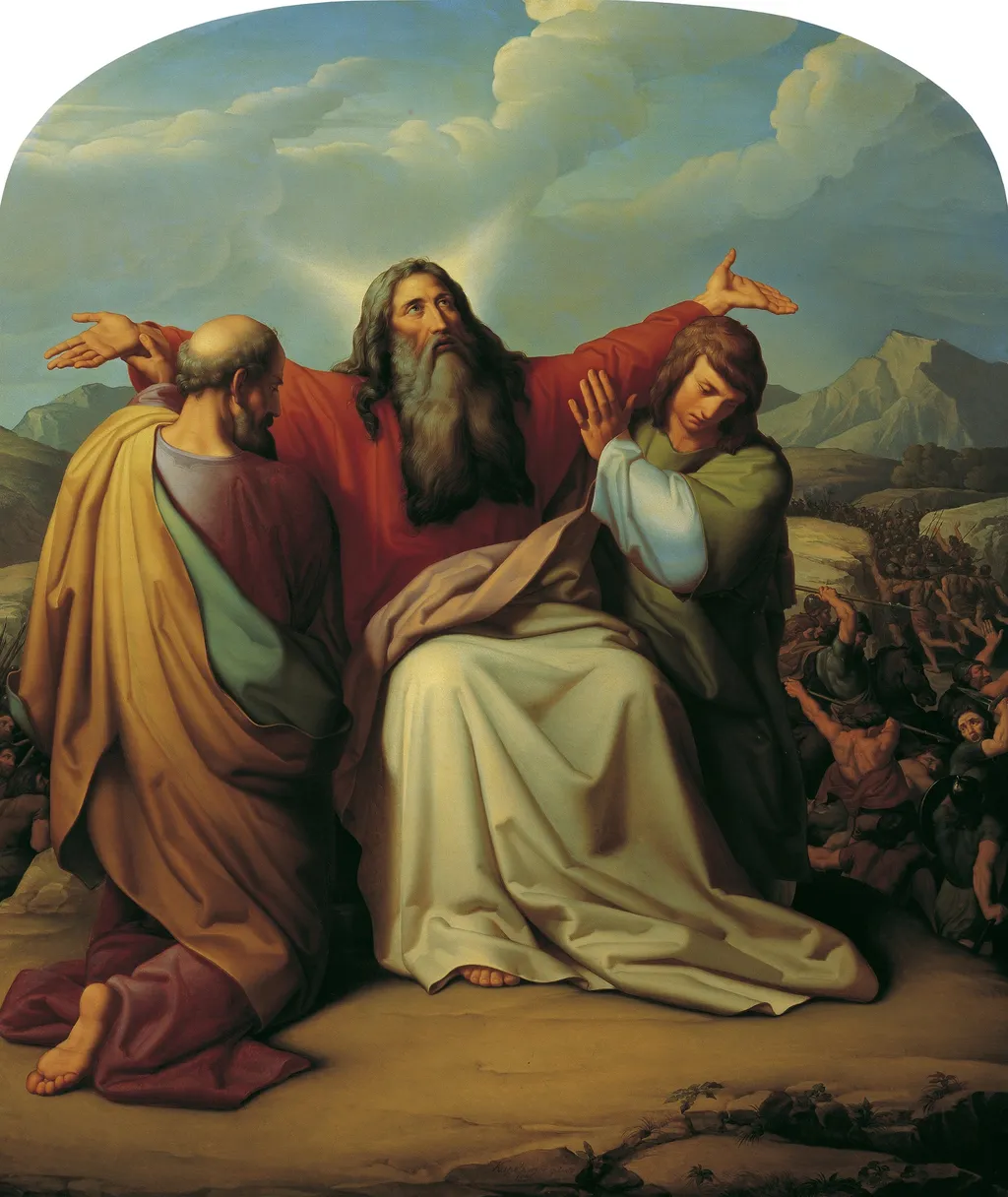
Moses, um den Sieg betend is an oil painting by the Biedermeier artist Leopold Kupelwieser. It dates from 1836 and is held in the collection of the Kunsthistorisches Museum.
About this work
Overview
It is part of the collection at the Kunsthistorisches Museum in Vienna.
Painted in 1836 by Austrian artist Leopold Kupelwieser, *Moses, um den Sieg betend* is an oil on canvas work associated with the Biedermeier era and the Nazarene movement. It is part of the collection at the Kunsthistorisches Museum in Vienna. The composition centers on a biblical moment of spiritual intercession, rendered with deliberate emotional gravity and structured composition typical of Kupelwieser’s approach to religious subjects.
Subject & Meaning
The painting illustrates the moment from Exodus when Moses, arms raised, prays for Israel’s victory in battle. His posture symbolizes divine reliance, while the figures beside him— one restrained, another observing—reflect the human dimensions of faith and action. The armed crowd below underscores the tension between earthly conflict and spiritual supplication, framing prayer as the decisive force in the narrative.
Technique & Style
Kupelwieser employs chiaroscuro to model forms and heighten emotional intensity, drawing attention to Moses’s illuminated figure against a dimmer background. The figures are arranged in a stable triangular composition, with flowing drapery and restrained gestures reflecting Nazarene ideals of clarity and moral seriousness. The landscape behind them, with distant mountains and soft clouds, provides a serene counterpoint to the human drama below.
History & Provenance
Completed in 1836, the painting entered the collection of the Kunsthistorisches Museum in Vienna, where it remains today. Kupelwieser, a key figure in Vienna’s artistic circles, produced this work during a period when religious themes were revived in Austrian art. Its acquisition by the museum reflects its recognition as a significant example of mid-19th-century Austrian religious painting.
Context
Created during the Biedermeier period, the painting aligns with a broader cultural turn toward introspection and moral clarity in post-Napoleonic Europe. While many artists focused on domestic scenes, Kupelwieser and the Nazarenes sought to revive spiritual narratives with historical fidelity. This work responds to a desire for art that conveyed ethical depth over ornamentation, rooted in both faith and classical tradition.
Legacy
Though not widely reproduced, the painting stands as a representative example of Austrian religious painting in the early 19th century. Kupelwieser’s synthesis of Nazarene ideals with Biedermeier restraint influenced later generations of Viennese artists. Its preservation in a major public collection ensures continued study of how faith was visually articulated in a secularizing age.
Artist & collection

Artist
Leopold Kupelwieser (17 October 1796, Markt Piesting – 17 November 1862, Vienna) was an Austrian painter, often associated with the Nazarene movement.

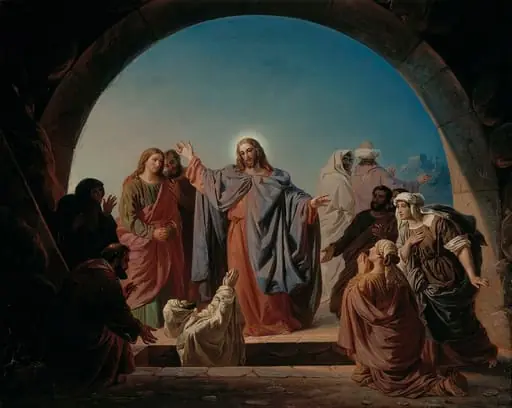 Jeesus herättää Lasaruksen, repliikki Turun Tuomiokirkon freskomaalauksesta
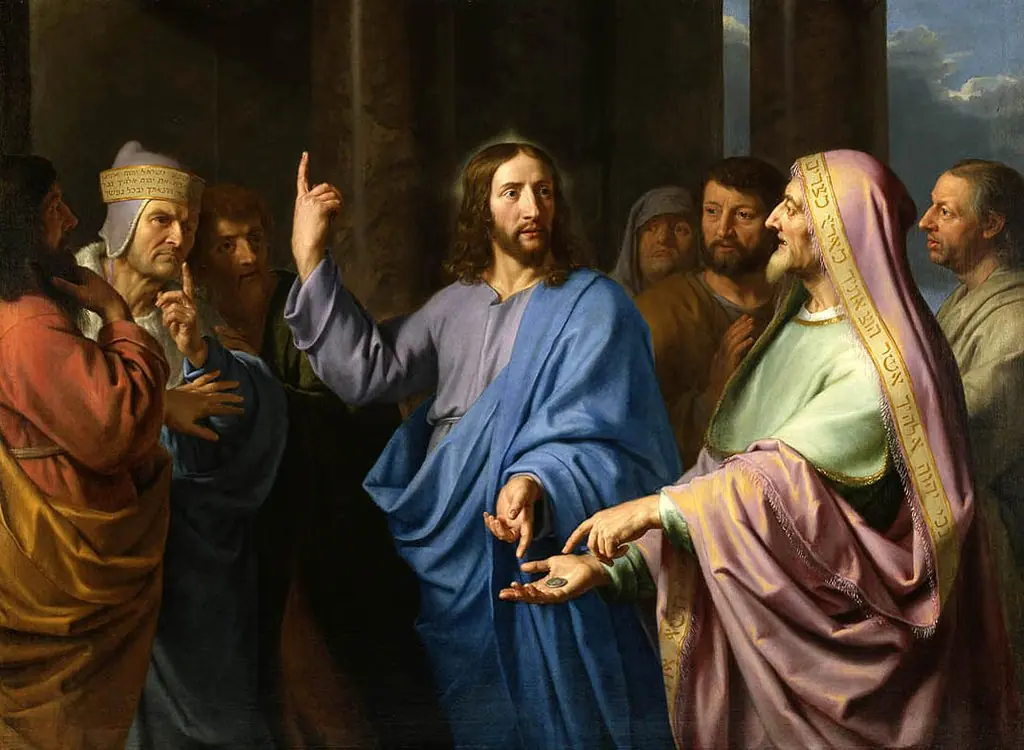 The Tribute Money
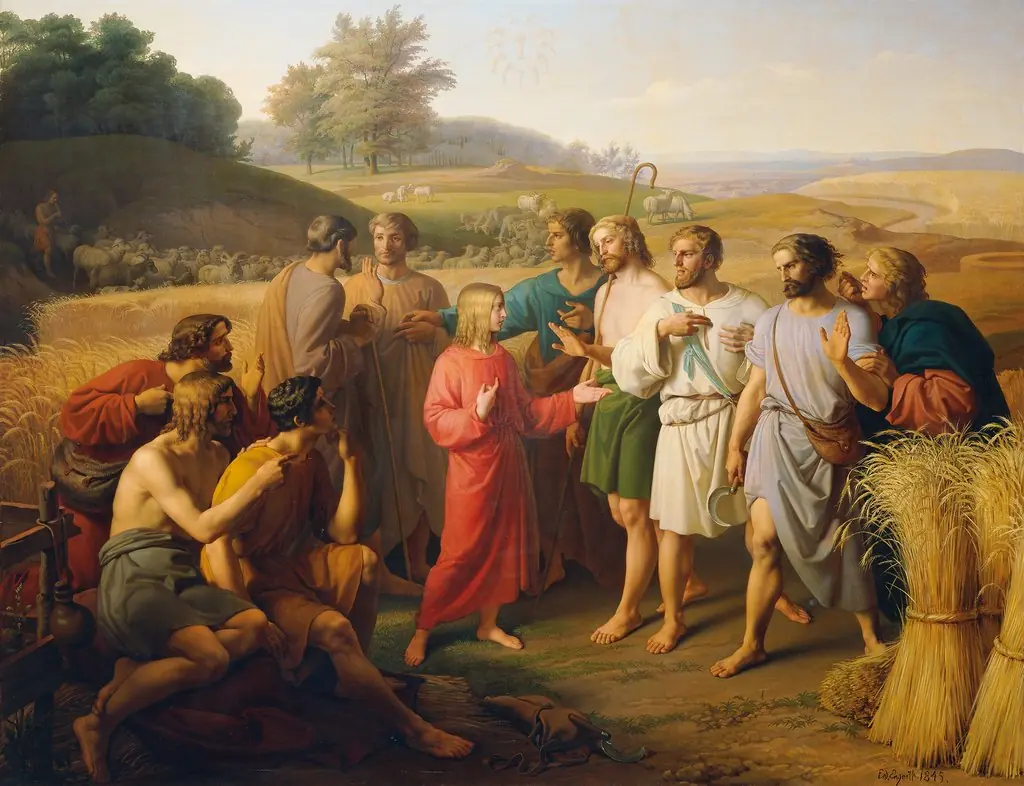 Josef erzählt seine Träume
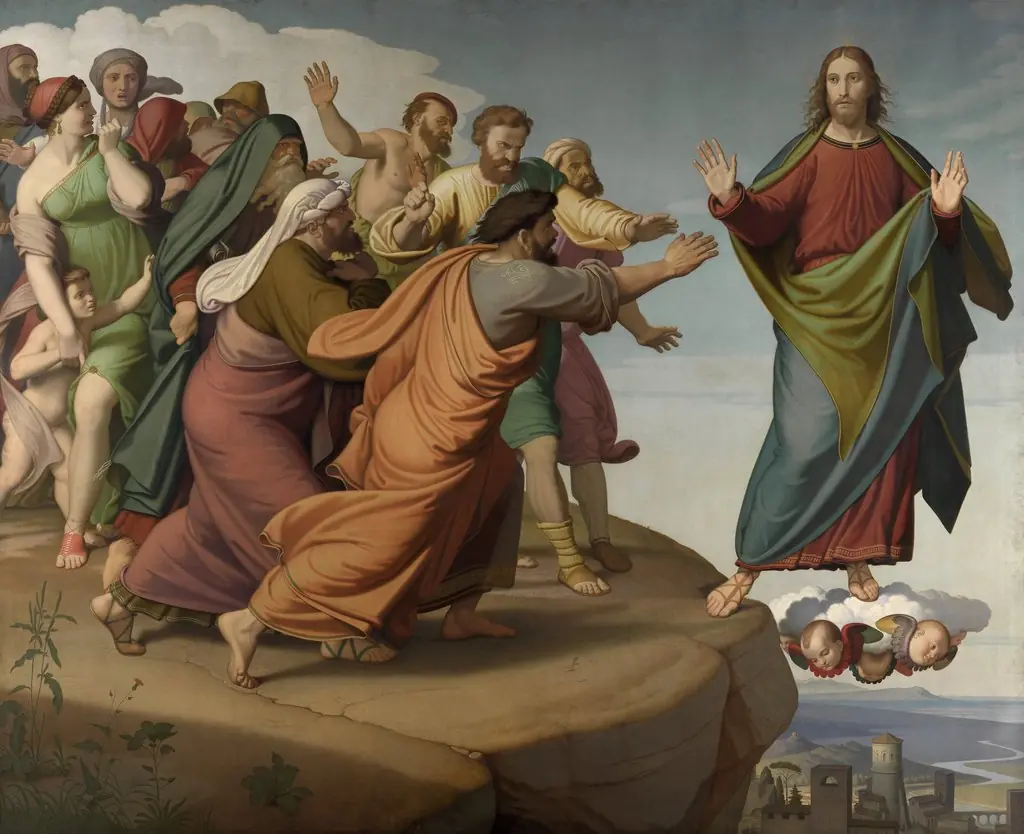 Christ Escapes the Pharisees
 Transfigurationen
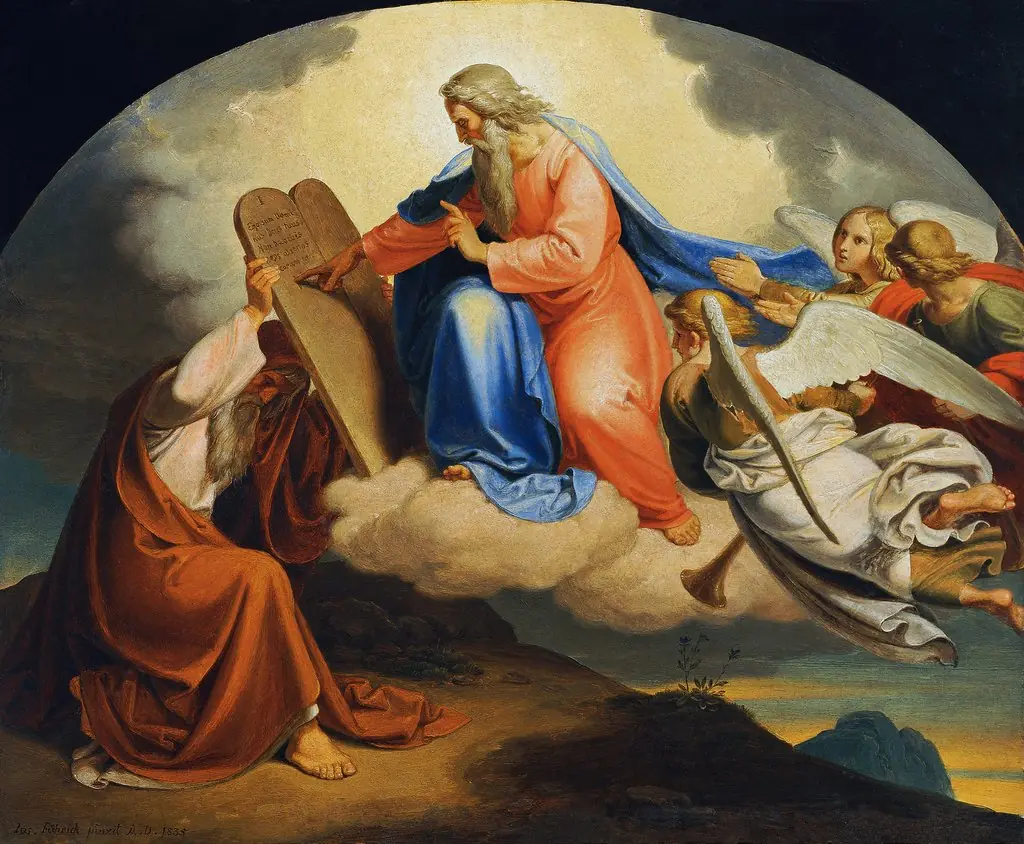 God Writes the Ten Commandments to Moses on Two Tablets of Stone on Mount Sinai
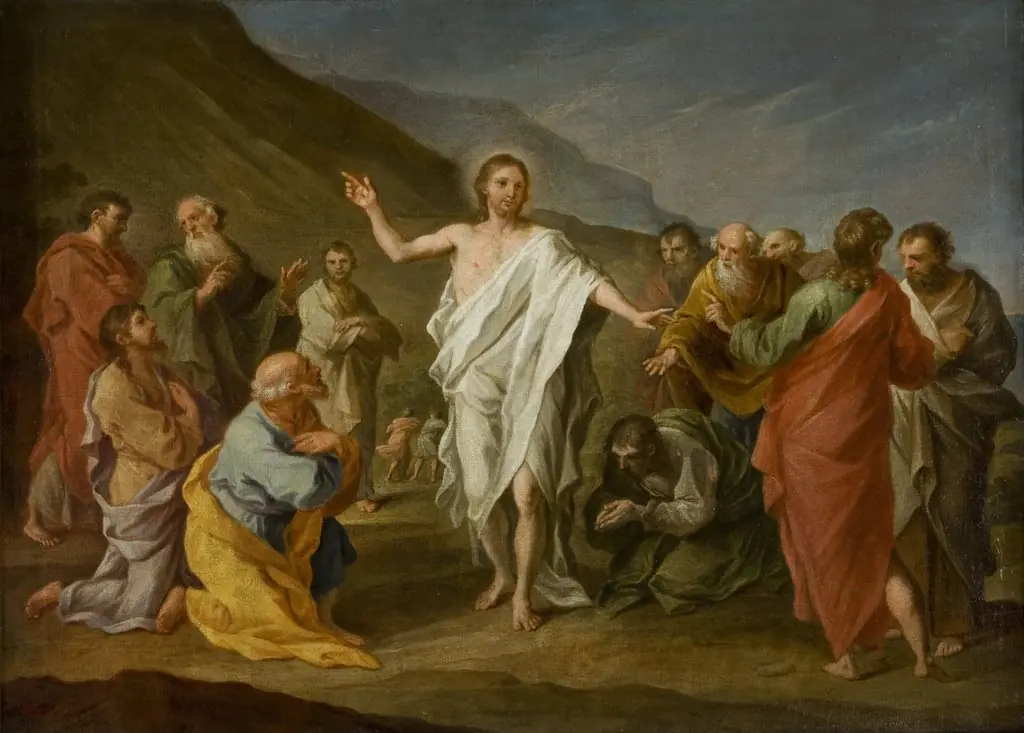 Christ Appearing to the Apostles after the Resurrection
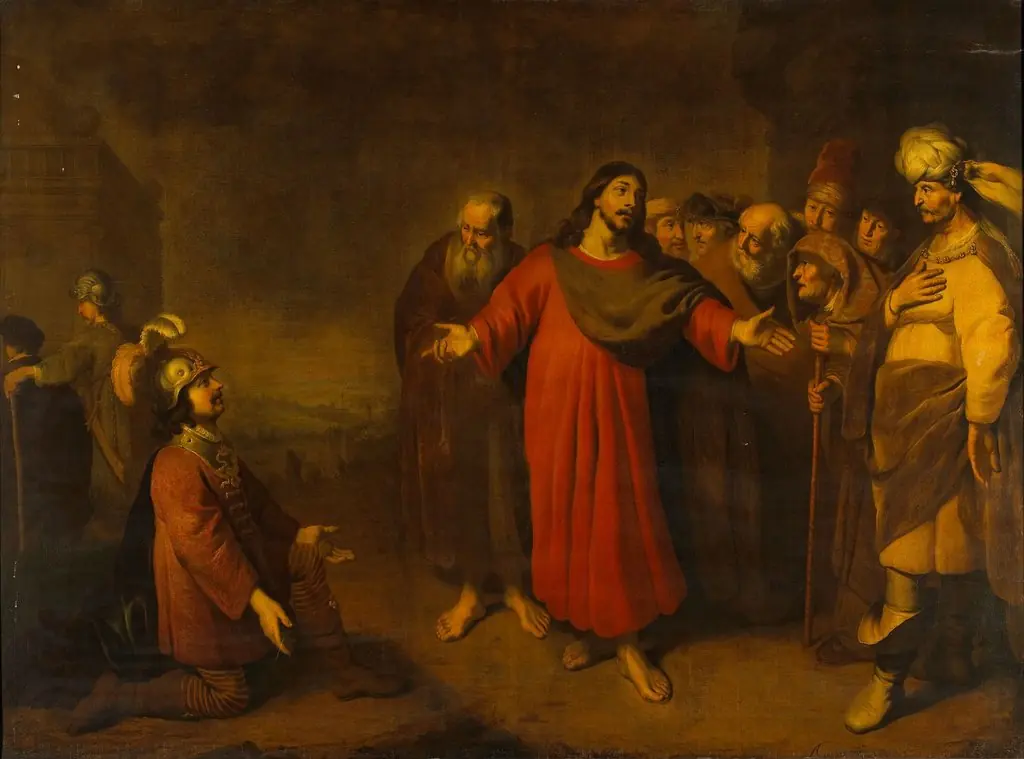 Christ and the Centurion
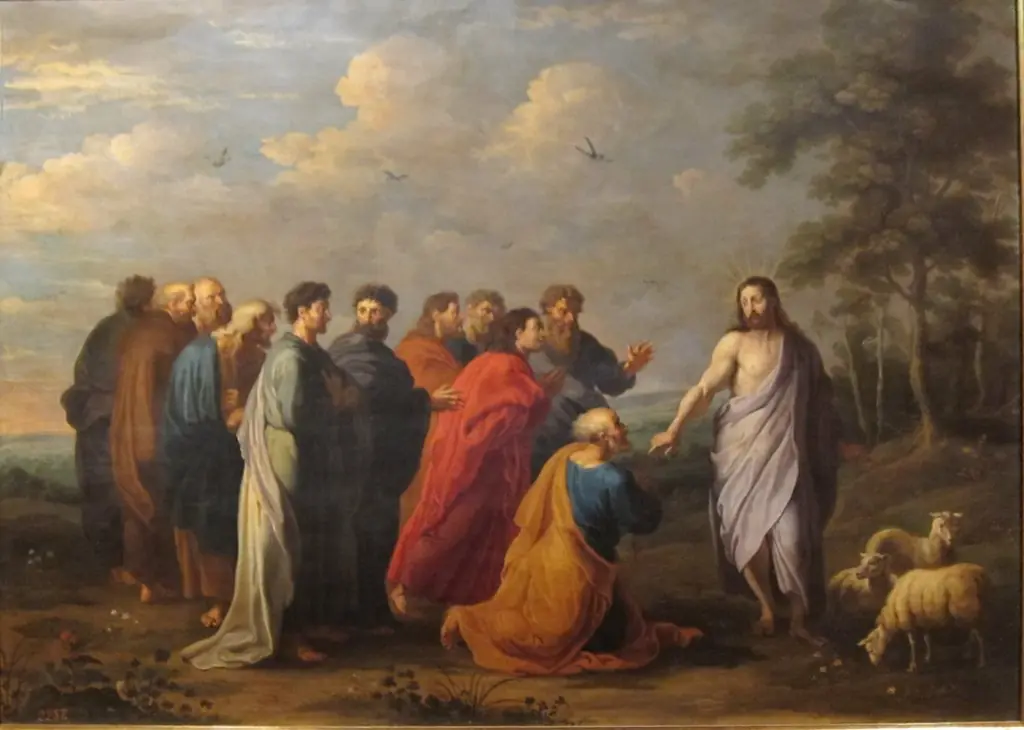 Jesucristo entregando las llaves a San Pedro
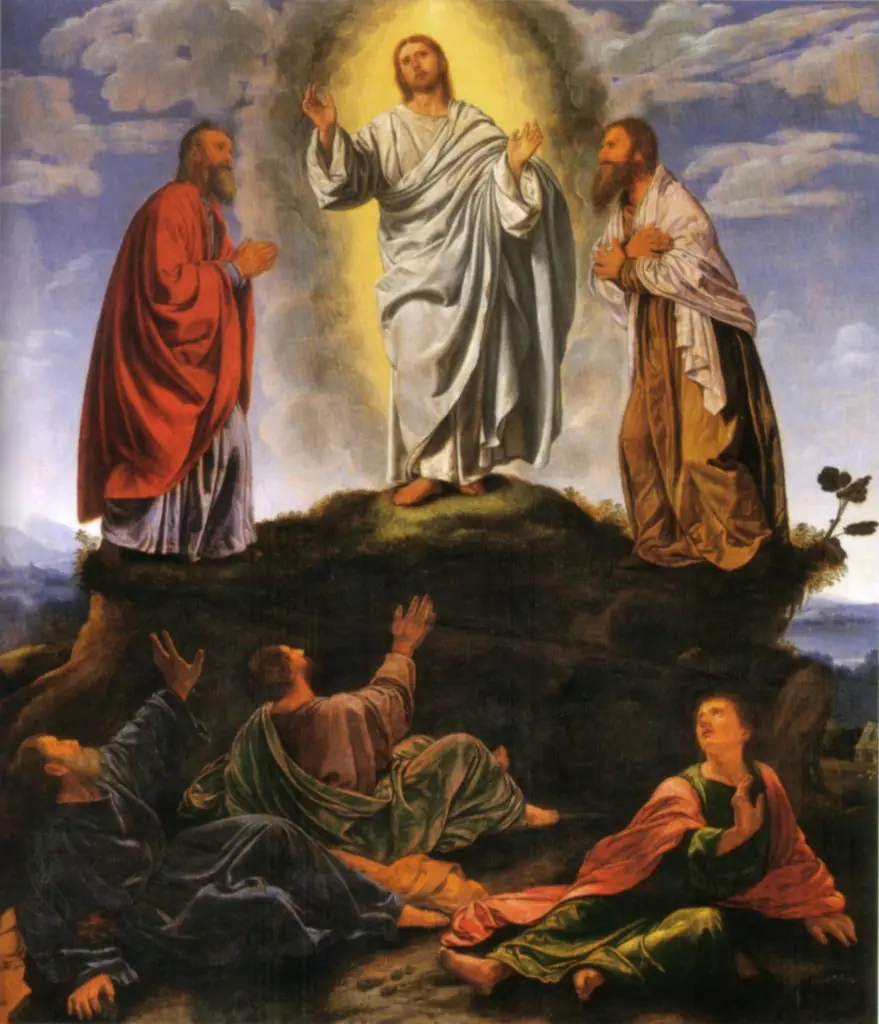 Transfiguration