Artwork
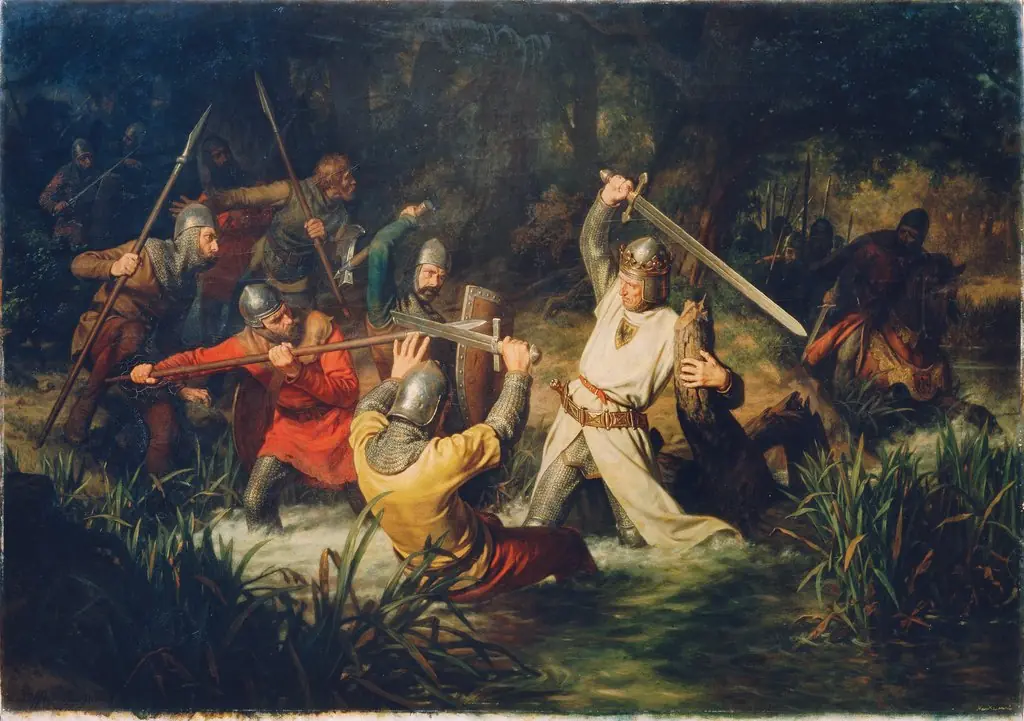
Emperor Rudolf I in the Battle of Marchfeld
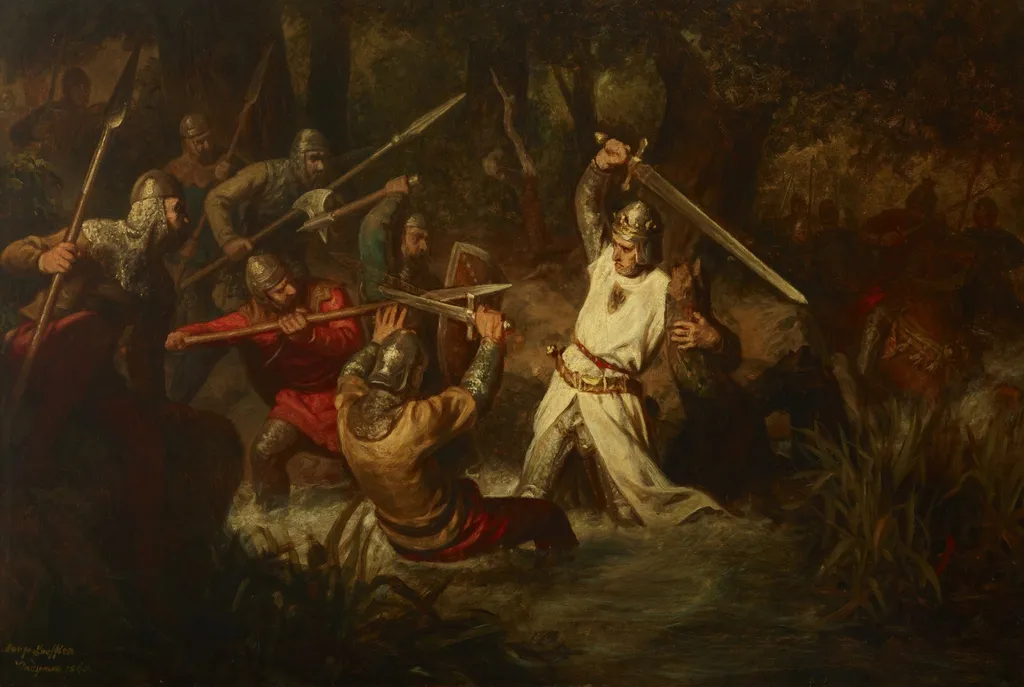
Emperor Rudolf I in the Battle of Marchfeld is an oil painting by Leopold Loeffler. It dates from 1860 and is held in the collection of the National Museum in Kraków.
About this work
Overview
Loeffler, a Polish artist working under foreign rule, specialized in historical narratives grounded in archival research.
Painted in 1860 by Leopold Loeffler, this oil-on-canvas work depicts a moment from the Battle of Marchfeld in 1278. Loeffler, a Polish artist working under foreign rule, specialized in historical narratives grounded in archival research. The painting is part of the National Museum in Kraków’s collection and reflects the 19th-century European trend of reviving medieval conflicts as subjects for national memory, even when the events themselves lay outside Poland’s direct history.
Subject & Meaning
The scene centers on Emperor Rudolf I of Habsburg, clad in white, engaged in combat amid a dense melee of armored knights. Though the battle was fought between Habsburg and Bohemian forces, Loeffler’s focus on Rudolf’s leadership evokes themes of sovereign authority and martial resolve. The lack of clear national identifiers in the figures allows the image to function as a generalized emblem of chivalric struggle, resonating with 19th-century audiences invested in ideals of heroism and order.
Technique & Style
Loeffler employed a restrained palette of browns, grays, and muted metallics to convey the grim atmosphere of medieval warfare. His use of chiaroscuro enhances the three-dimensionality of armor and fabric, with sharp contrasts between light and shadow defining muscle, folds, and surface texture. The background dissolves into indistinct foliage, directing focus to the central figures. The brushwork is precise, particularly in the rendering of chainmail and the intricate folds of the emperor’s garments.
History & Provenance
Completed in 1860, the painting entered the collection of the National Museum in Kraków shortly after its creation. Loeffler, then emerging as a significant figure in Central European historical painting, gained institutional recognition with his 1866 election to the Vienna Academy of Fine Arts. The work was likely exhibited in regional art societies and reproduced in illustrated journals, contributing to its circulation among educated audiences interested in medieval history and national identity.
Context
Painted during the Partitions of Poland, Loeffler’s choice of a non-Polish medieval battle reflects a broader cultural strategy: using historical combat to affirm values of leadership and sacrifice in the absence of political sovereignty. While the subject was not Polish, the depiction aligned with Romantic-era interests in chivalry and national mythmaking. Similar works by contemporaries in Austria and Germany sought to legitimize dynastic continuity through visual storytelling.
Legacy
Loeffler’s painting remains a representative example of 19th-century academic history painting in Central Europe. Though less widely known today than works by his Western European peers, it exemplifies the period’s commitment to archaeological accuracy and emotional restraint in depicting the past. Its presence in Kraków’s national collection underscores the role of art in preserving historical narratives during times of political fragmentation.
Own this work as a print
Artist & collection
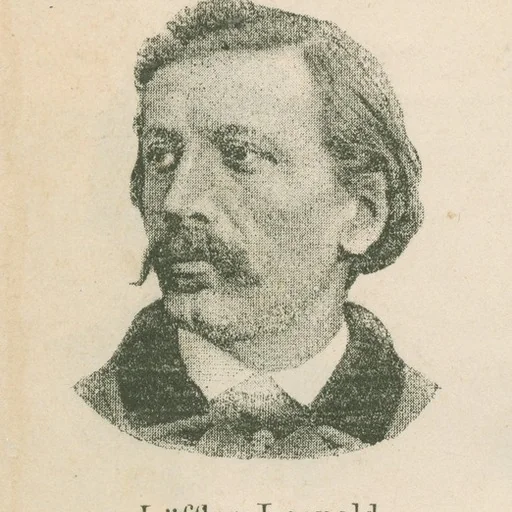
Artist
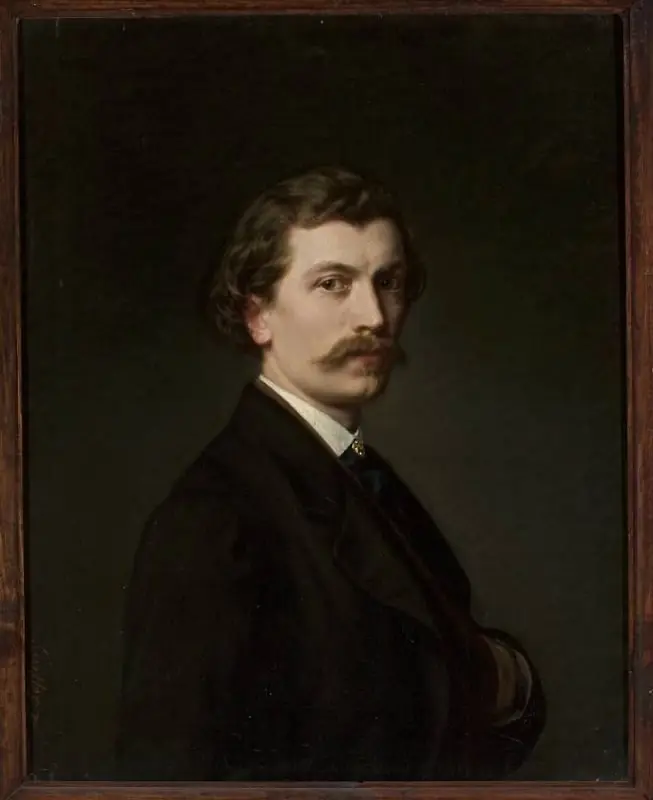
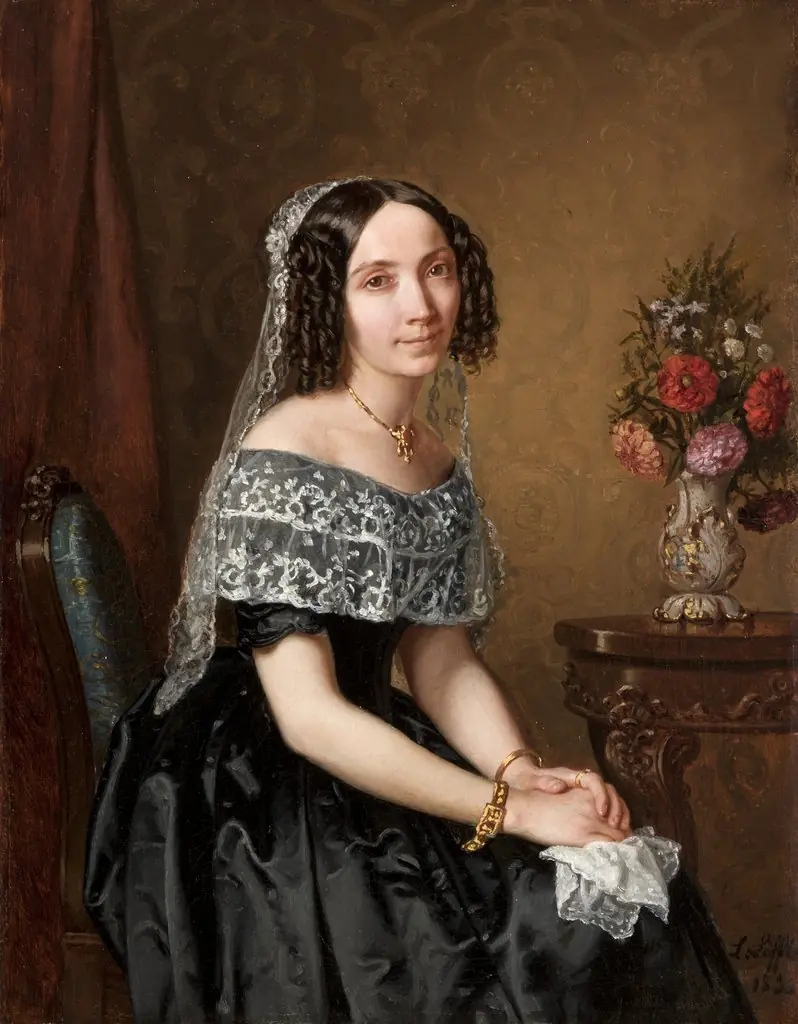
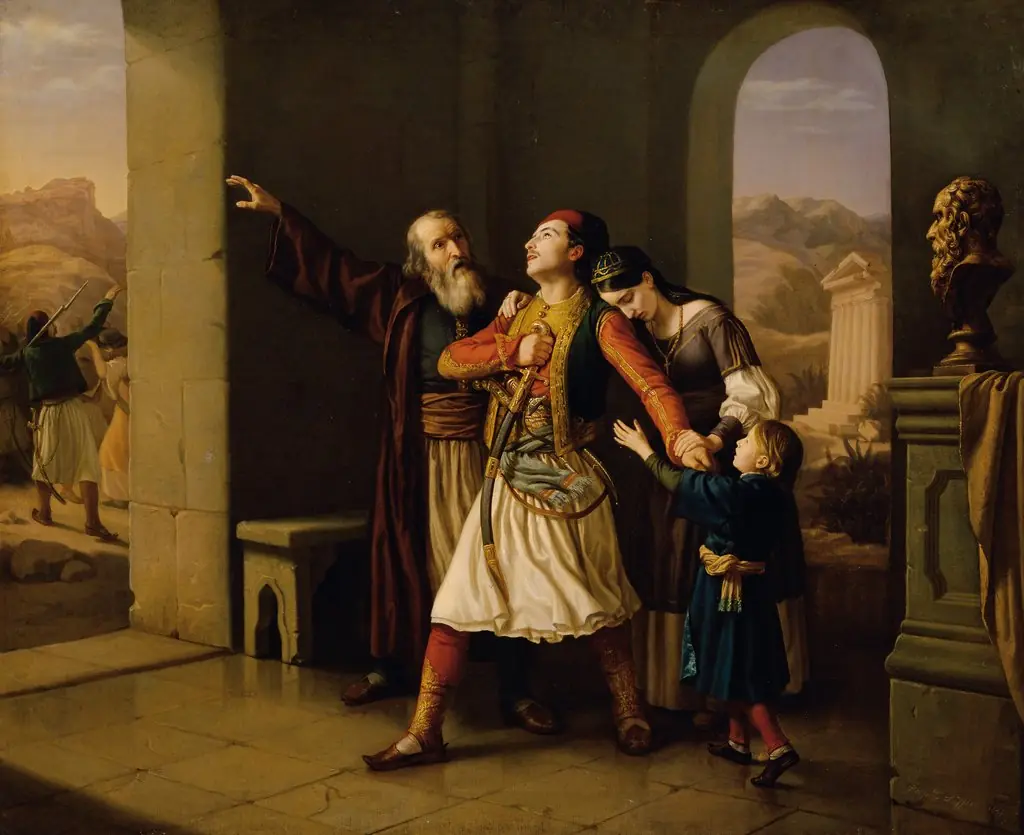
Leopold Loeffler, also spelled Löffler, (October 27, 1827 – February 6, 1898), was a Polish realist painter of the late Romantic period popular in the second half of the 19th century under the foreign partitions of Poland.

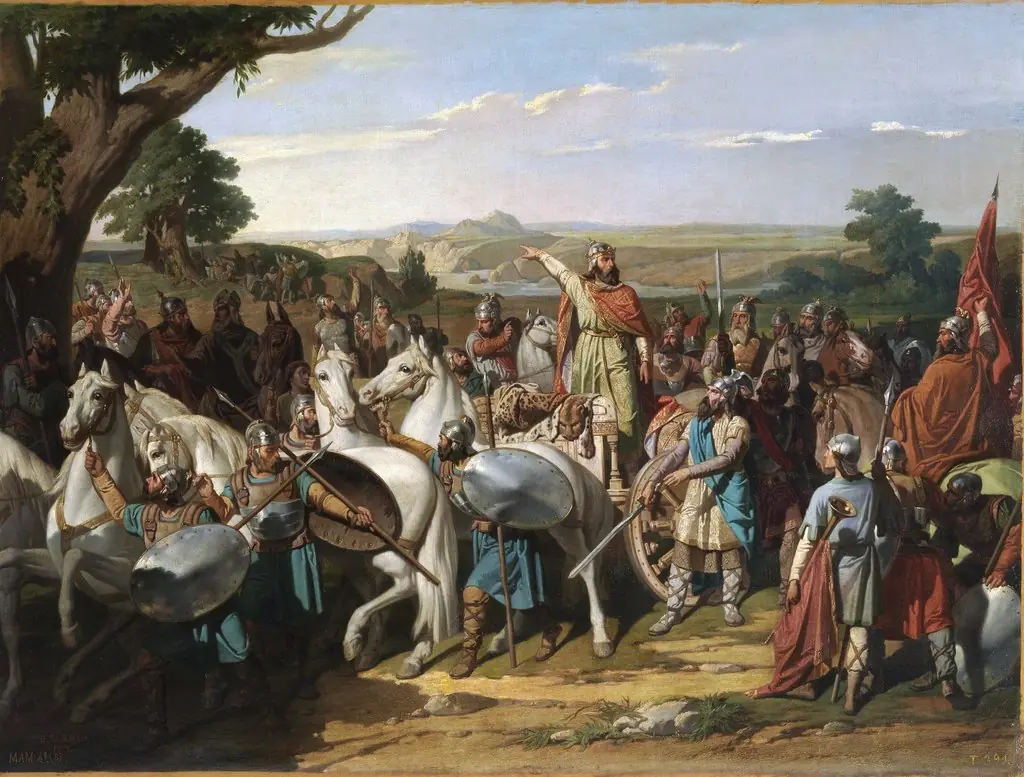 El rey don Rodrigo arengando a los jefes de su ejército antes de dar la batalla del Guadalete
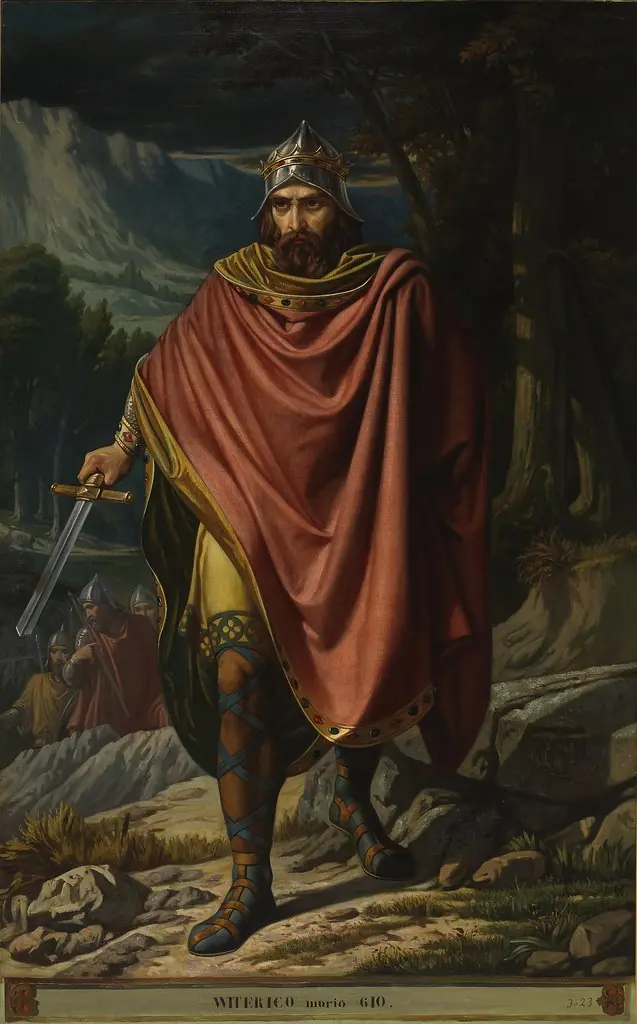 Witerico
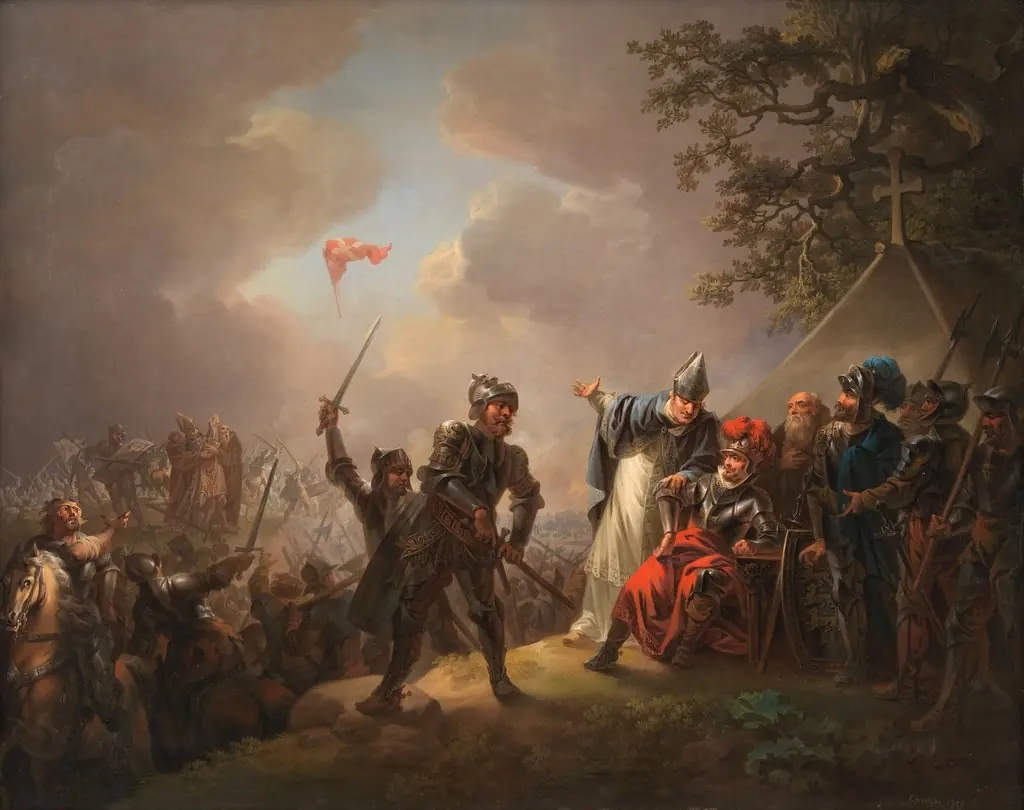 The Legend of the Danish Flag (the Dannebrog) Falling from the Heavens during the Battle of Lyndanise in Estonia in 1219
 Ulysses von Ithacia, II akt, 9. scene
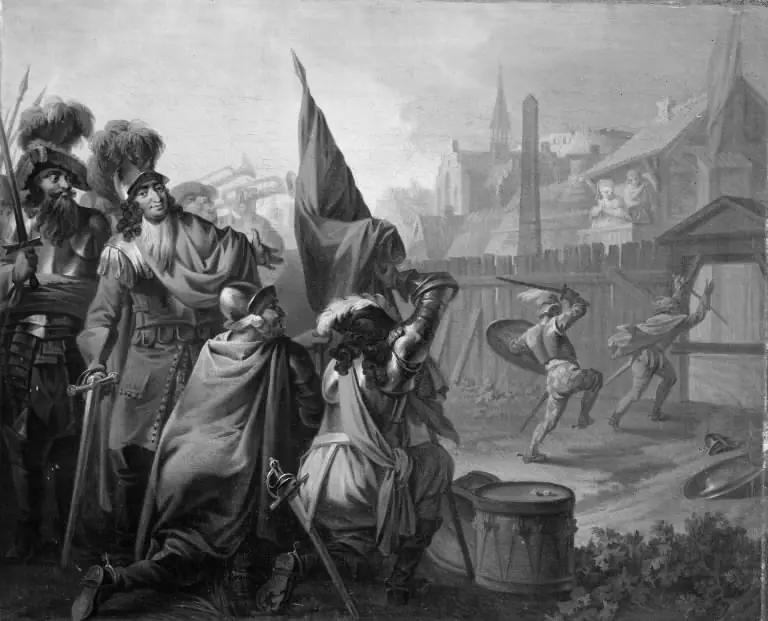 Ulysses von Ithacia, II akt, 9. scene
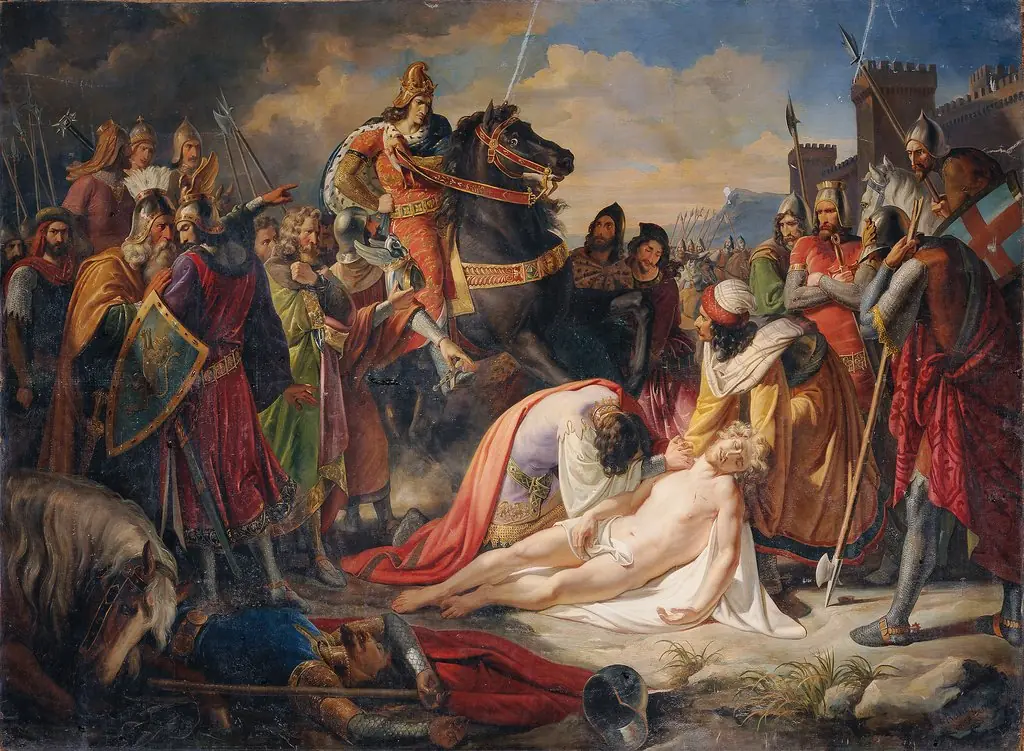 Karl I. von Anjou an der Leiche Manfreds nach der Schlacht von Benevent am 26. Februar 1266
 Осада Пскова польским королём Стефаном Баторием в 1581 году
 Gottfried von Bouillon und Kreuzfahrer
 The storming of Schweidnitz in 1761