Artwork
The storming of Schweidnitz in 1761
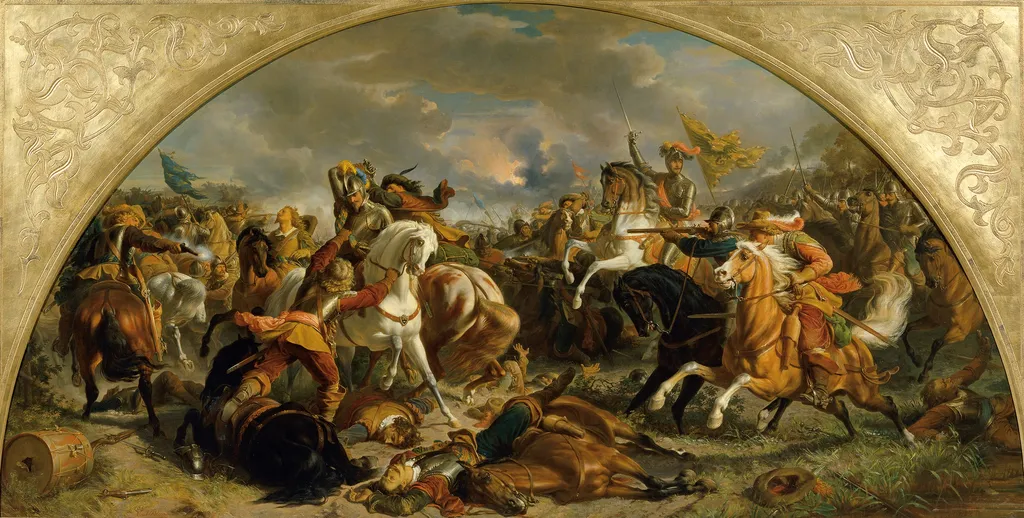
The storming of Schweidnitz in 1761 is an oil painting by Karl von Blaas. It dates from 1860 and is held in the collection of the Kunsthistorisches Museum.
About this work
Overview
Completed in 1860, this oil on canvas by Austrian artist Karl von Blaas portrays the 1761 assault on Schweidnitz, a notable episode of the Seven Years’ War. The work now belongs to the collection of Vienna’s Kunsthistorisches Museum, where it serves as a visual record of eighteenth‑century military conflict rendered through nineteenth‑century sensibilities.
Subject & Meaning
The composition centers on a tumultuous battlefield, crowded with cavalry and infantry amid billowing smoke and storm‑filled clouds. At its heart, an armored commander on horseback brandishes a sword, directing the charge. The scene emphasizes the chaos and fervor of siege warfare, inviting viewers to contemplate the human intensity behind historic conquest.
Technique & Style
Blaas employs a vigorous brushwork that captures movement, while a warm palette of golden and ochre tones heightens the drama. Detailed rendering of armor and facial expressions demonstrates his skill in observation, a trait also evident in his portraiture. The expressive handling of light and shadow contributes to a sense of immediacy within the large‑scale canvas.
History & Provenance
Although depicting an 18th‑century event, the painting was produced over a century later, reflecting 19th‑century Austrian interest in national military heritage. After its completion, the work entered the imperial collection and was eventually assigned to the Kunsthistorisches Museum, where it remains on public display as part of the museum’s holdings of historic genre paintings.
Artist & collection
Artist
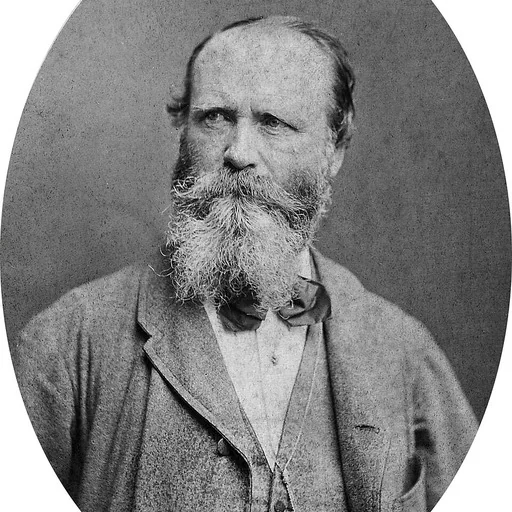
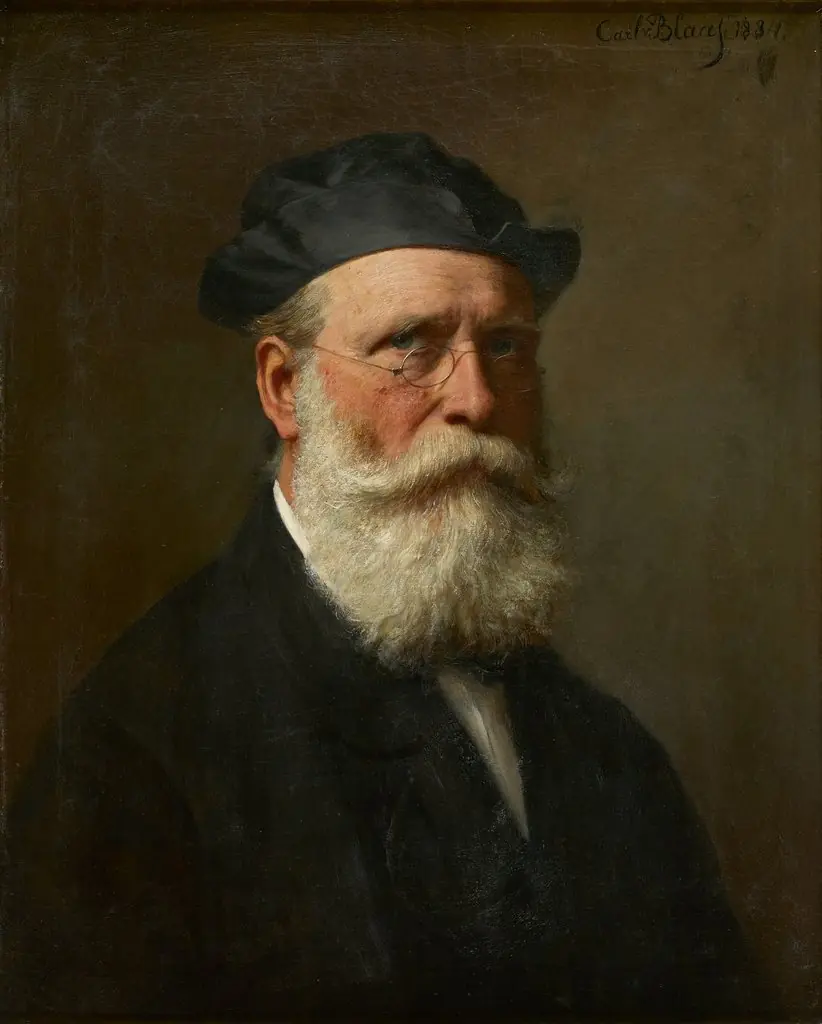
Karl von Blaas (28 April 1815 – 19 March 1894) was an Austrian painter known for his portraits and religious compositions executed on canvas as well as in the form of frescoes.

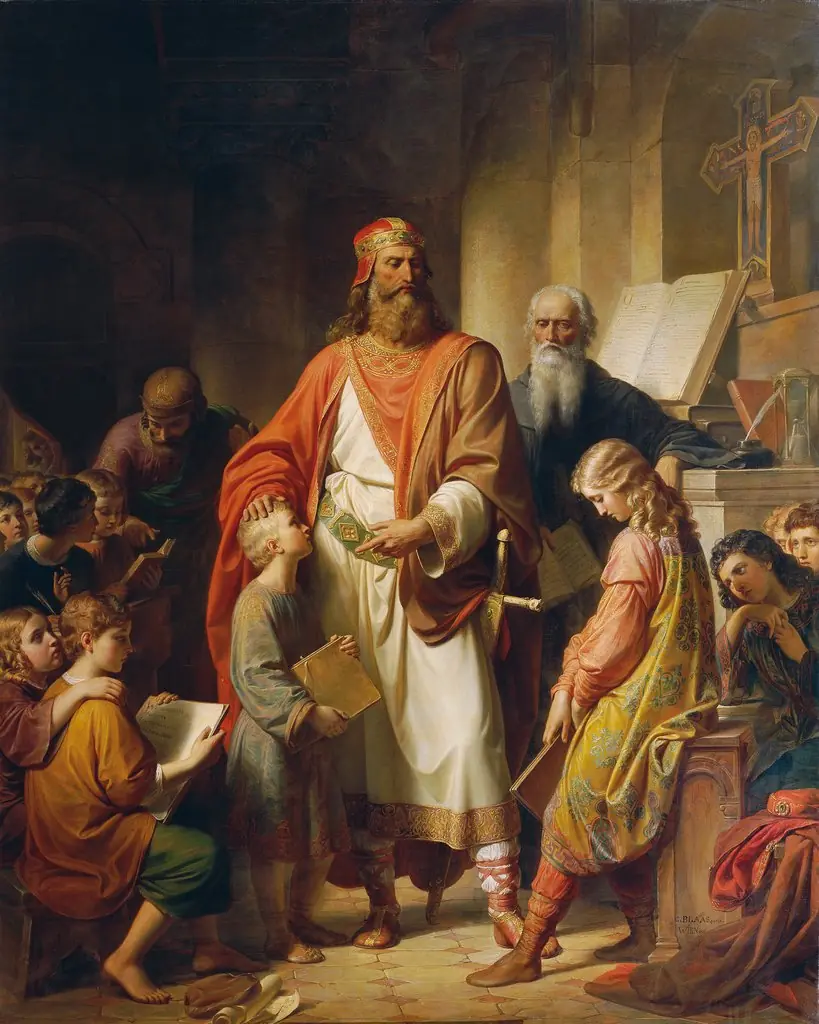
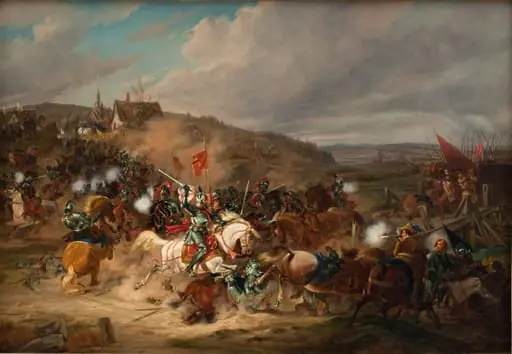 Daniel Rantzau bemægtiger sig Tureby Bro i Skåne under Syvårskrigen 1563-1570
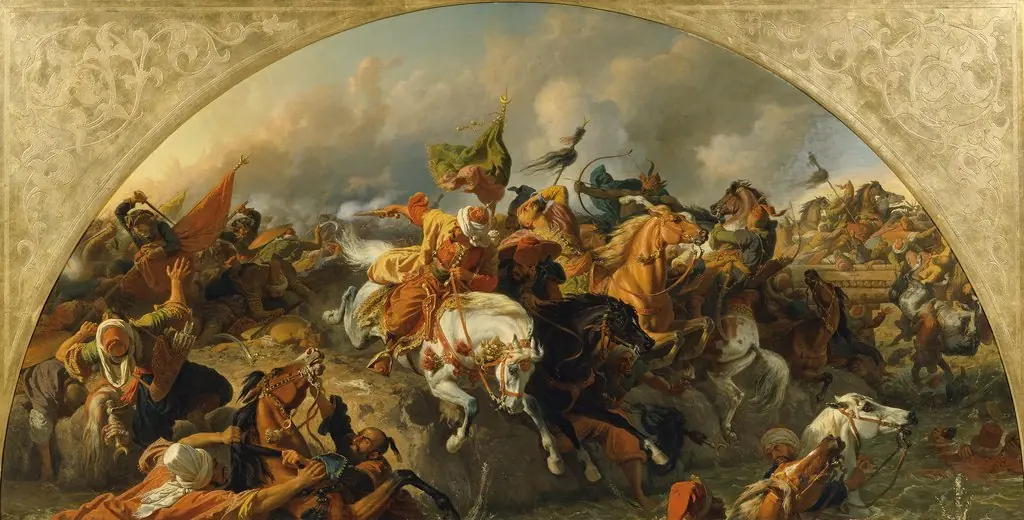 The Battle of Zenta in 1697
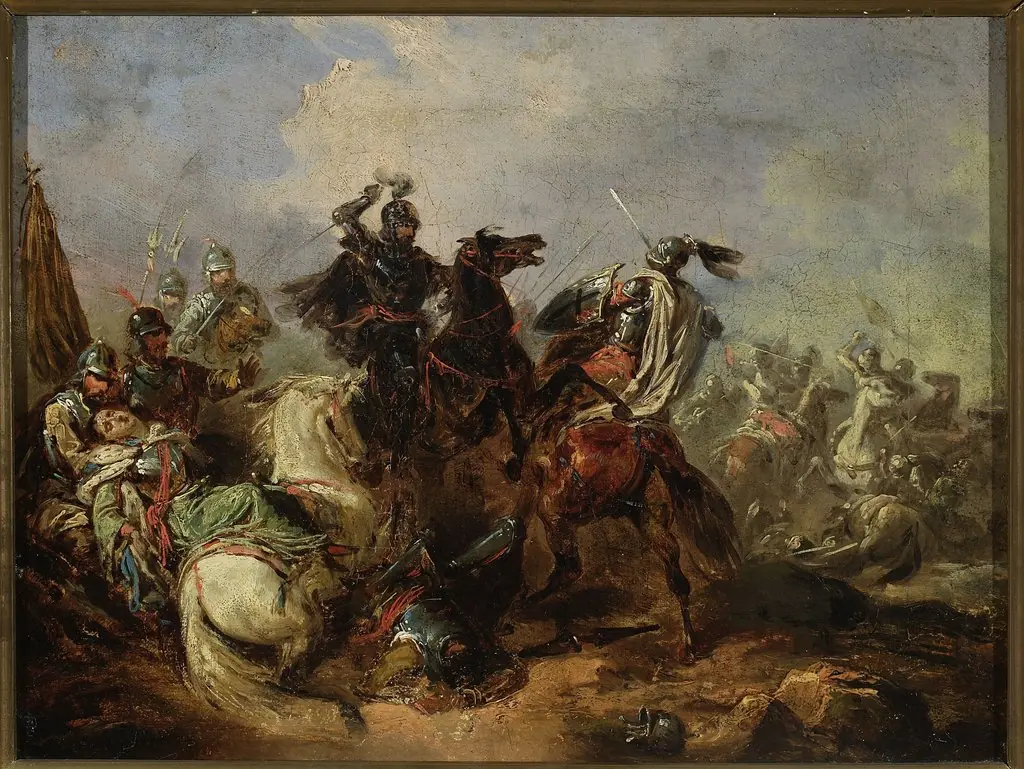 Battle of Lithuanians with the Teutonic knights
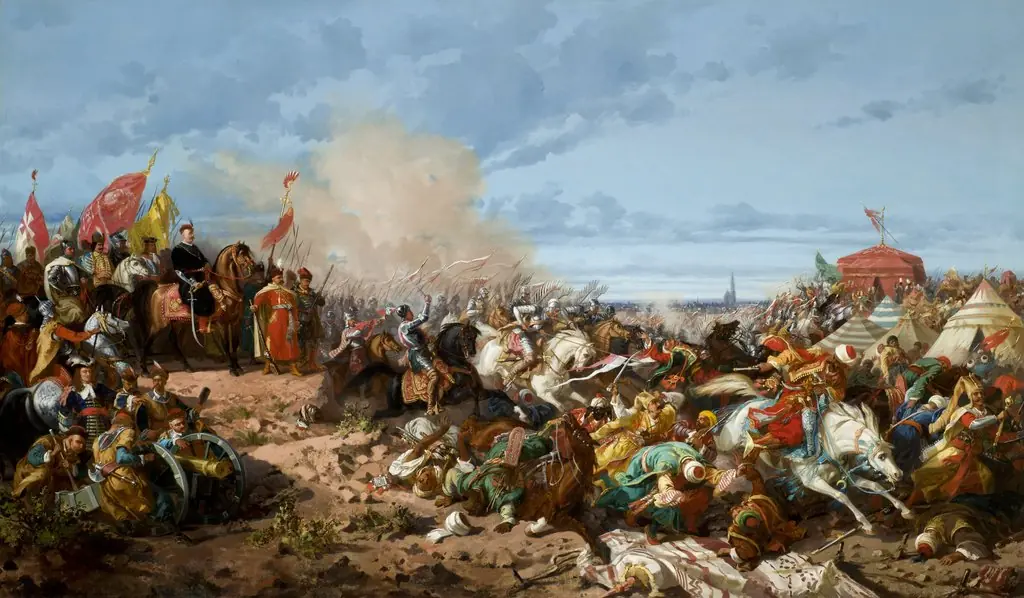 Sobieski at Vienna
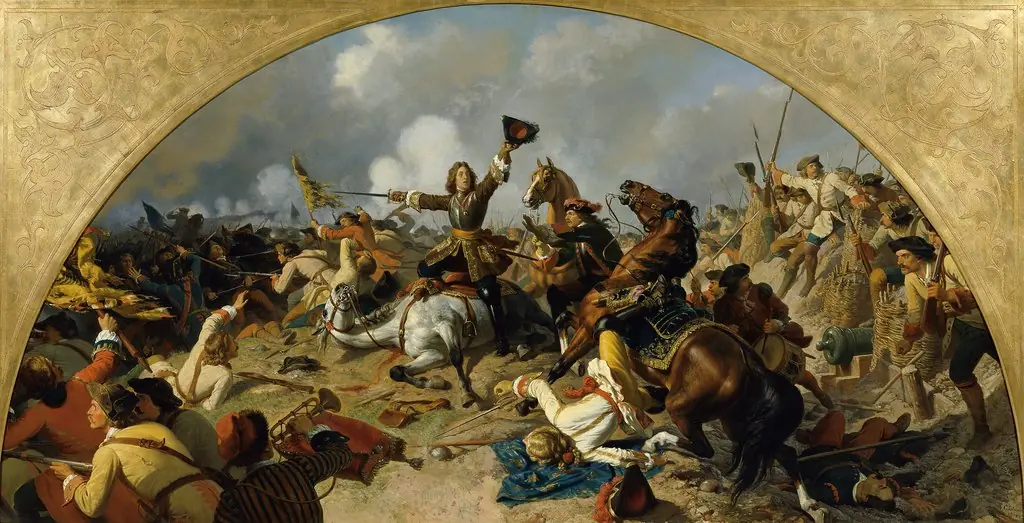 The Battle of Turin 1706
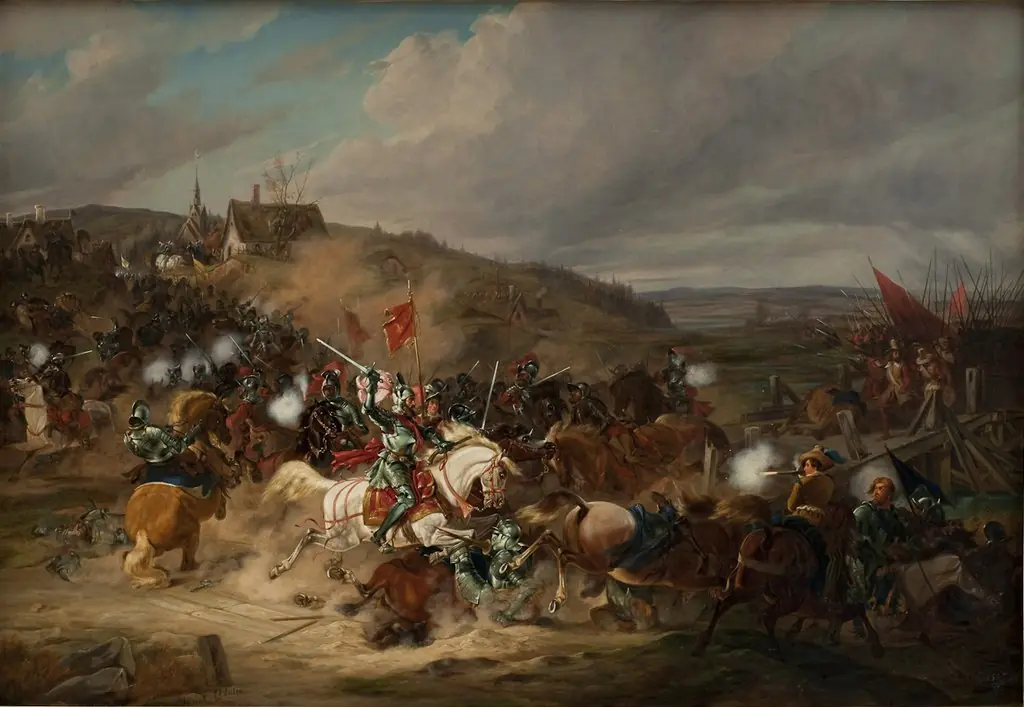 Daniel Rantzau bemægtiger sig Tureby Bro i Skåne under Syvårskrigen 1563-1570
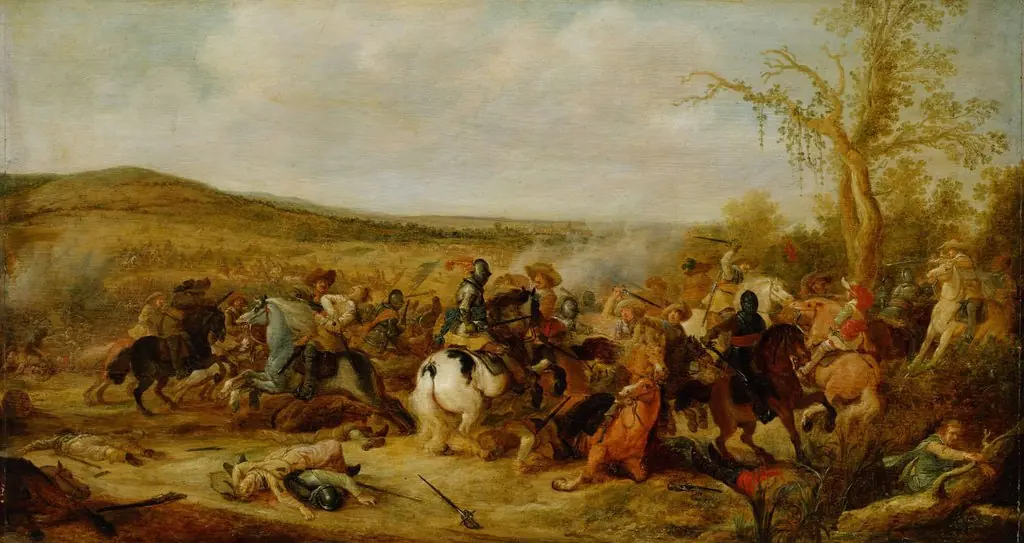 Reitergefecht
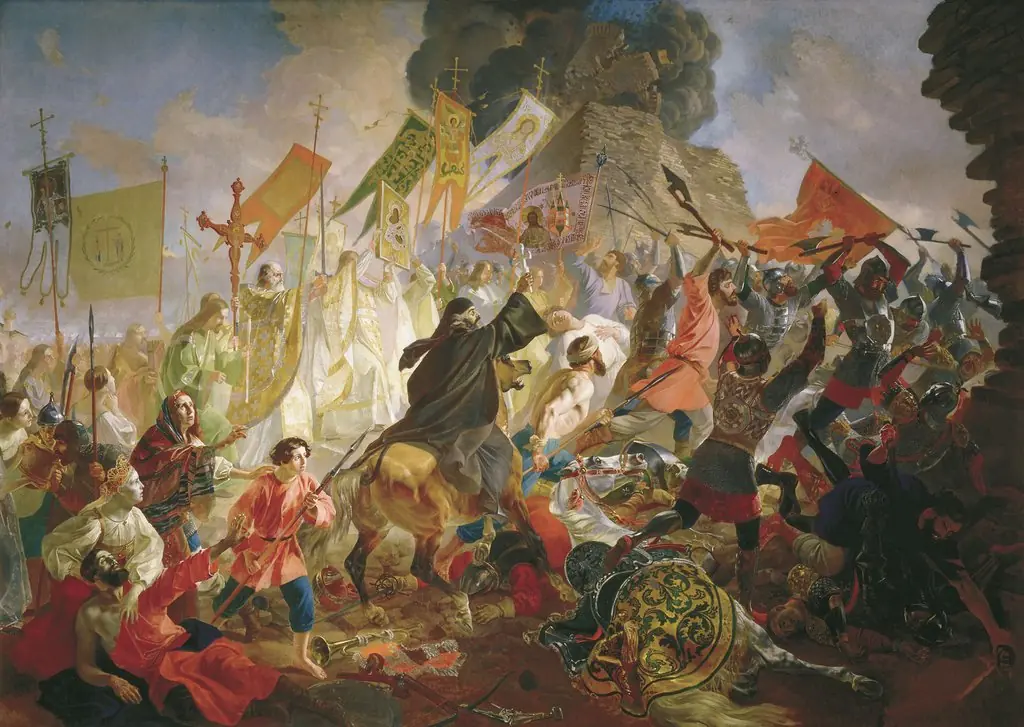 Осада Пскова польским королём Стефаном Баторием в 1581 году
 Battle Scene
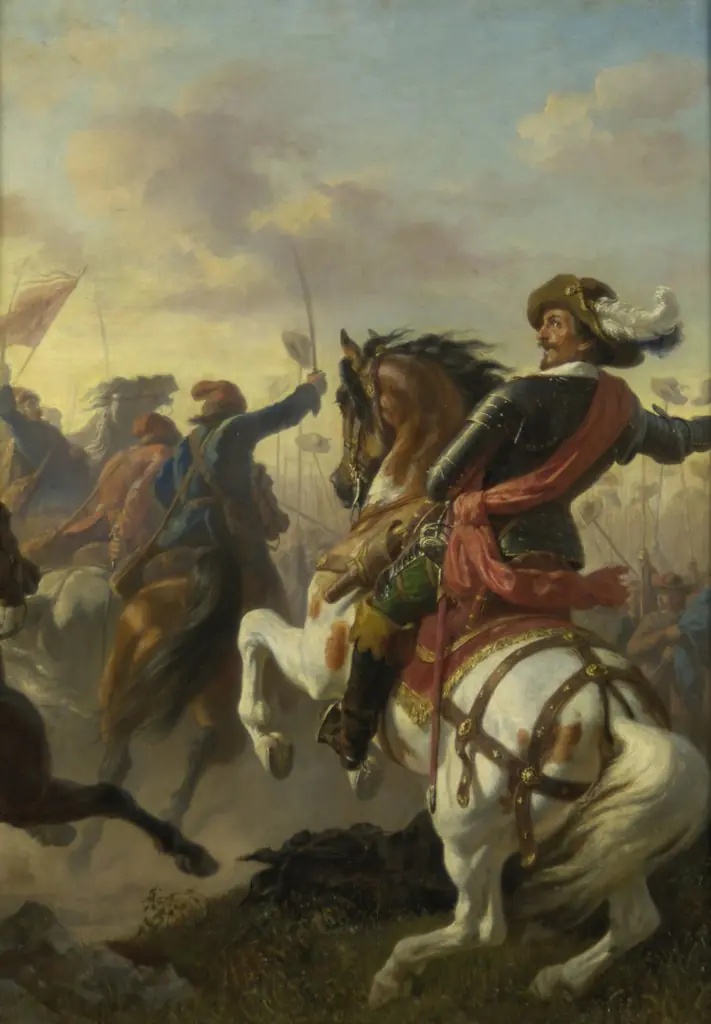 Boucquoi's victory at Zablat (Budweis) 1619
 Battle Scene
 The Battle of Kolin 1757