Artwork
Scene from Peregrine Pickle
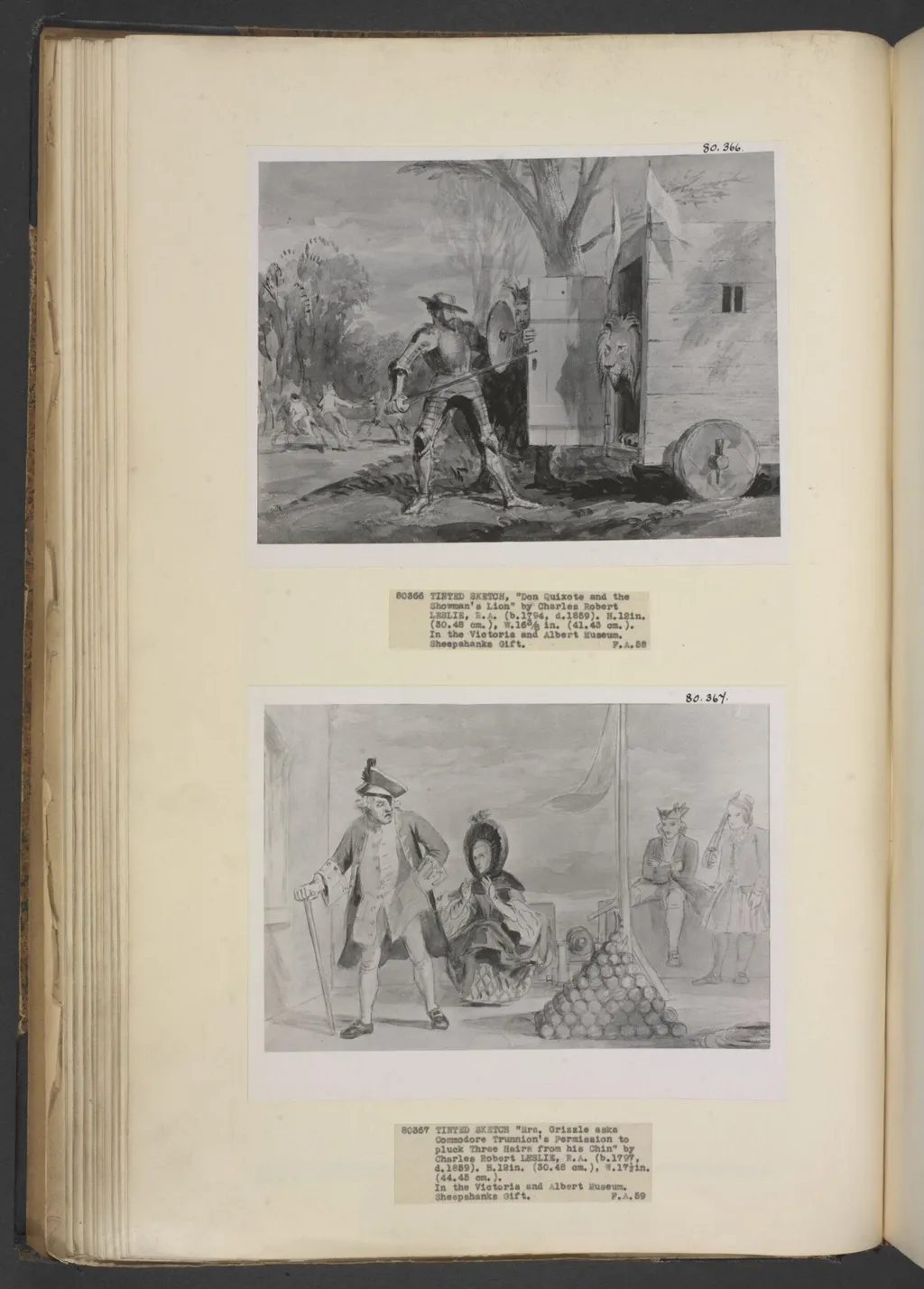
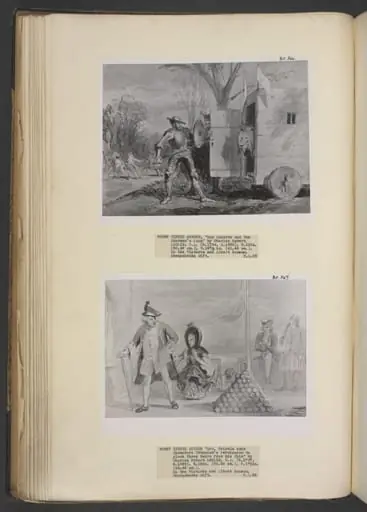
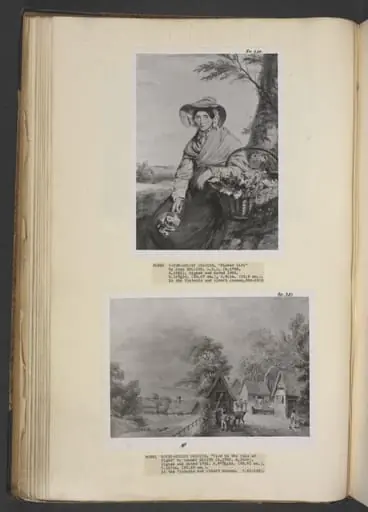
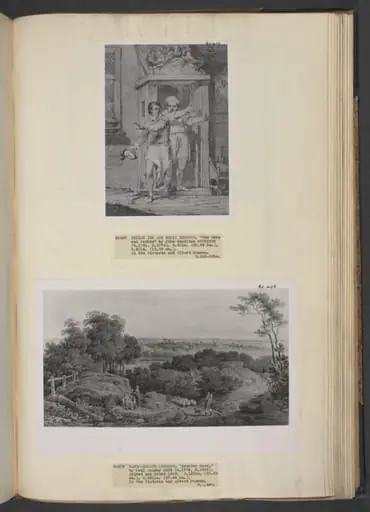
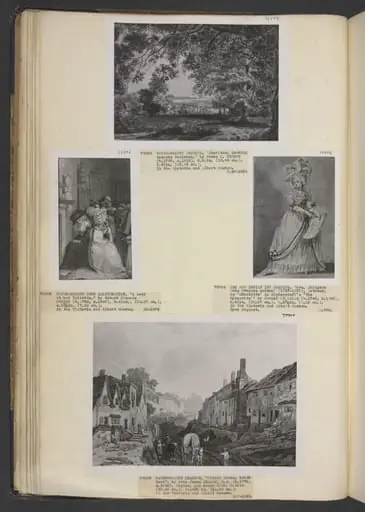
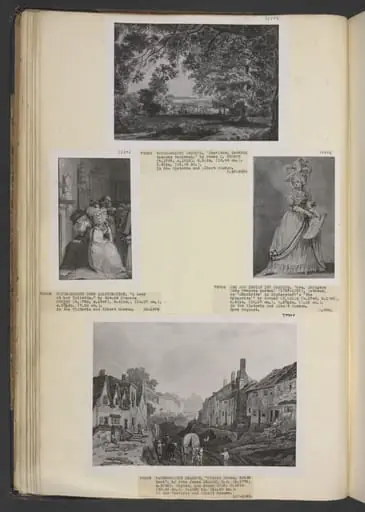
Scene from Peregrine Pickle is a drawing by Charles Robert Leslie. It dates from 1850 and is held in the collection of the Victoria and Albert Museum. This pencil drawing captures a moment from Tobias Smollett’s 1751 novel, *The Adventures of Peregrine Pickle*.
About this work
Overview
This pencil drawing captures a moment from Tobias Smollett’s 1751 novel, *The Adventures of Peregrine Pickle*. Rendered in delicate, light strokes, it portrays an intimate interaction within a domestic setting, emphasizing gesture and expression over detailed rendering. The composition suggests a quiet, elevated household scene, with figures arranged to convey subtle social dynamics.
Subject & Meaning
The grapes and refined attire hint at wealth, while the tension in posture reveals the underlying power dynamics of class and etiquette.
The scene illustrates Mrs. Grizzle seeking permission from Commodore Trunnion to pluck three hairs from his chin—a peculiar, humorous episode from the novel. The interaction, framed by the presence of a servant and child, underscores the absurdity of aristocratic rituals. The grapes and refined attire hint at wealth, while the tension in posture reveals the underlying power dynamics of class and etiquette.
Technique & Style
Executed in soft pencil, the drawing employs light, fluid lines to suggest form without heavy definition. Shading is minimal and atmospheric, focusing attention on the figures’ postures and facial expressions. The lack of fine detail reinforces the sketchlike quality, aligning with a tradition of observational drawing that prioritizes immediacy over finish.
History & Provenance
The work is attributed to Charles Robert Leslie, a 19th-century British artist known for illustrating literary scenes. Likely created as a study or personal interpretation, it reflects Leslie’s interest in narrative illustration drawn from contemporary novels. Its survival suggests it was valued within artistic circles, though its exact provenance remains undocumented.
Context
Leslie’s drawing emerges from a broader 19th-century trend of visualizing popular literature, particularly satirical novels like Smollett’s. Such illustrations served to extend the reach of texts beyond readership, translating verbal humor into visual form. The choice of this specific scene highlights the era’s fascination with social absurdity and class-bound manners.
Legacy
As a representative of literary illustration in the early Victorian period, this drawing exemplifies how artists engaged with prose to explore social commentary through quiet, domestic moments. Though not widely exhibited, it contributes to an understudied body of work that bridges literature and visual art, preserving the tone of Smollett’s satire in a visual idiom.
Artist & collection