Artwork
Portrait of James Northcote
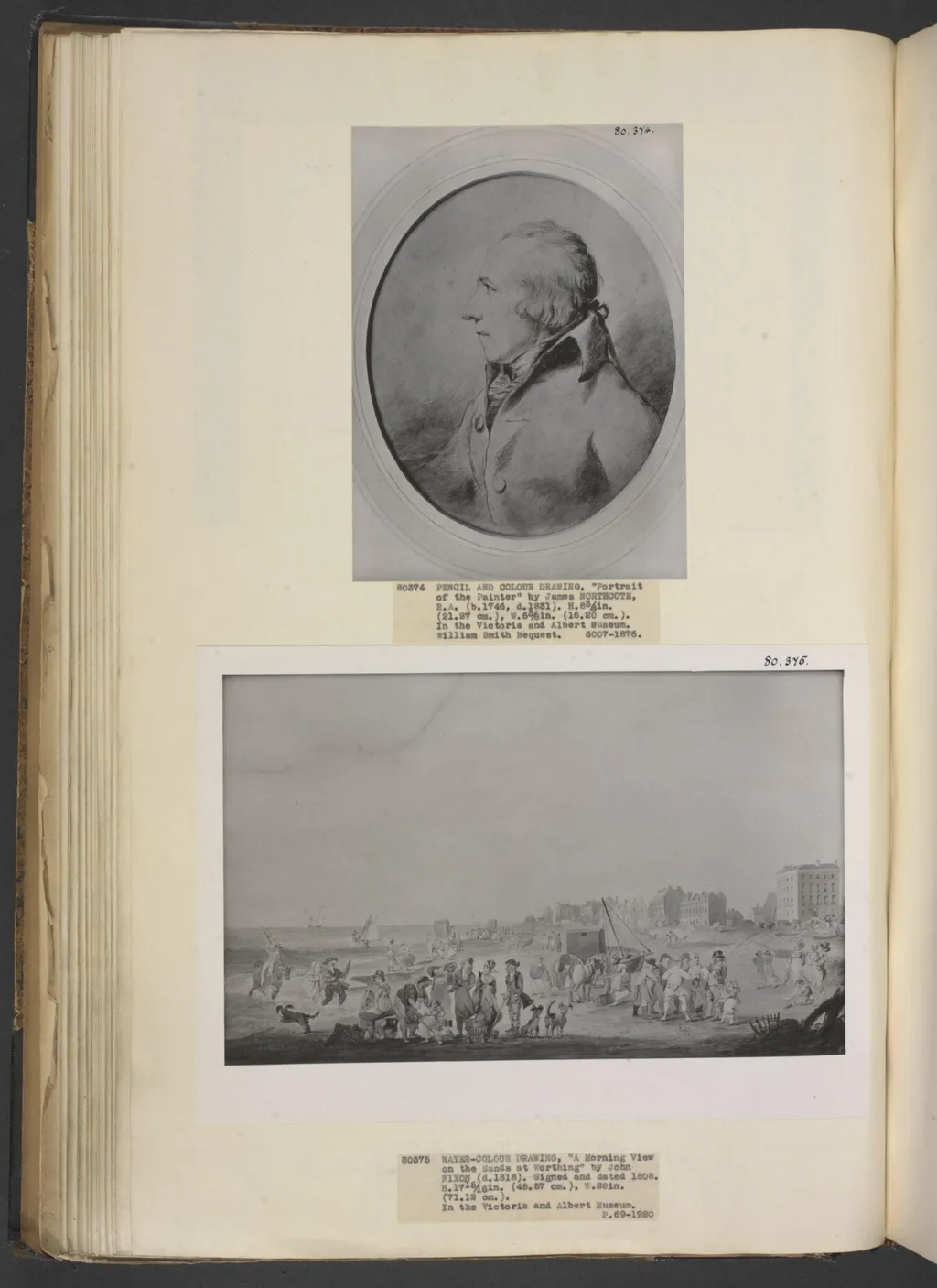
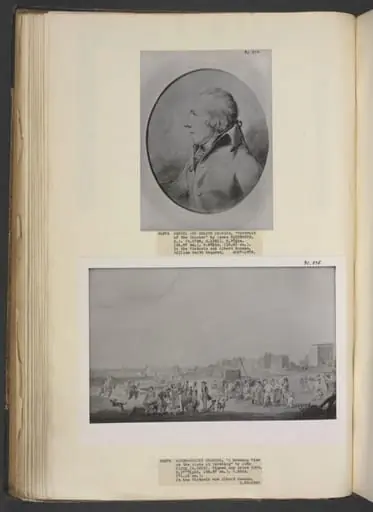
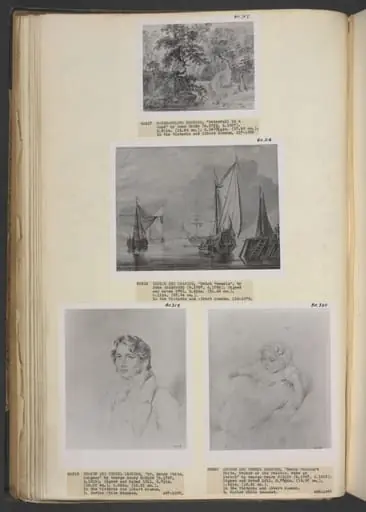
Portrait of James Northcote is a watercolor work on paper by the Rococo painting artist Dance. It dates from 1775 and is held in the collection of the Victoria and Albert Museum. This 1775 portrait depicts the English painter James Northcote in profile, rendered in pencil and watercolour on paper.
About this work
Overview
The composition is oval-shaped, framed by a broad border, and presents a restrained, intimate scale typical of private artistic studies.
This 1775 portrait depicts the English painter James Northcote in profile, rendered in pencil and watercolour on paper. The composition is oval-shaped, framed by a broad border, and presents a restrained, intimate scale typical of private artistic studies. The work is signed by the artist Dance, whose full name is not recorded in common sources, and reflects the modest format favored for personal likenesses in late 18th-century Britain.
Subject & Meaning
James Northcote, a Royal Academy member and biographer of Joshua Reynolds, is shown in quiet contemplation. His turned head and high collar suggest formality, perhaps indicating his professional identity as a painter. The calm expression and lack of embellishment convey dignity rather than grandeur, aligning with the era’s preference for understated portraiture among artists who valued intellectual presence over theatrical display.
Technique & Style
The artist employed fine pencil lines to define the contours of Northcote’s face and collar, with subtle watercolour washes adding tonal depth without saturation. The monochrome palette emphasizes texture and form over colour, a technique suited to studies intended for private circulation. The paper’s slight aging and the thick border frame the image as a deliberate, finished work rather than a sketch.
History & Provenance
The portrait was created in 1775, during Northcote’s early career in London. It likely served as a personal keepsake or an exchange among artistic peers. The work entered the Victoria and Albert Museum’s collection through documented acquisitions of 18th-century British drawings, preserving its connection to the Royal Academy’s network and the culture of artist portraiture in that period.
Context
In the 1770s, British artists often produced small-scale portraits of colleagues as tokens of professional respect. Watercolour and pencil were favored for their immediacy and portability. This portrait reflects a broader trend where artists documented each other’s likenesses, reinforcing networks within the Royal Academy and preserving the visual identity of a generation shaping British art.
Legacy
Though Dance’s name remains obscure, this portrait endures as a record of James Northcote’s presence in the artistic community. It contributes to the historical archive of artist portraiture, illustrating how informal works helped construct collective memory within the British art world. The piece continues to be referenced in studies of 18th-century artistic identity and practice.
Artist & collection
Artist
Dance hid in plain sight—while other painters chased grand oil skies, this English watercolourist sketched life in a pocket-sized square.