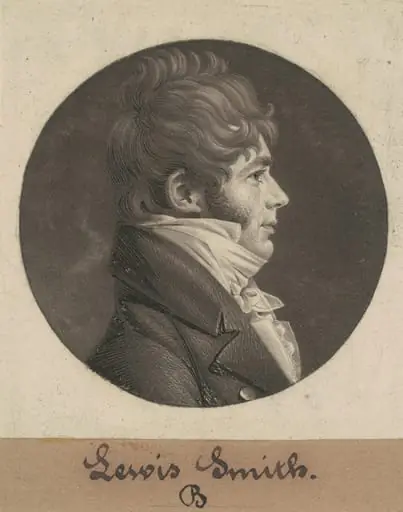
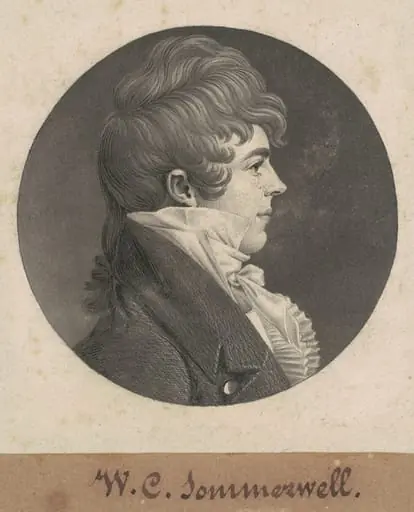
Artwork
John Hill Smith
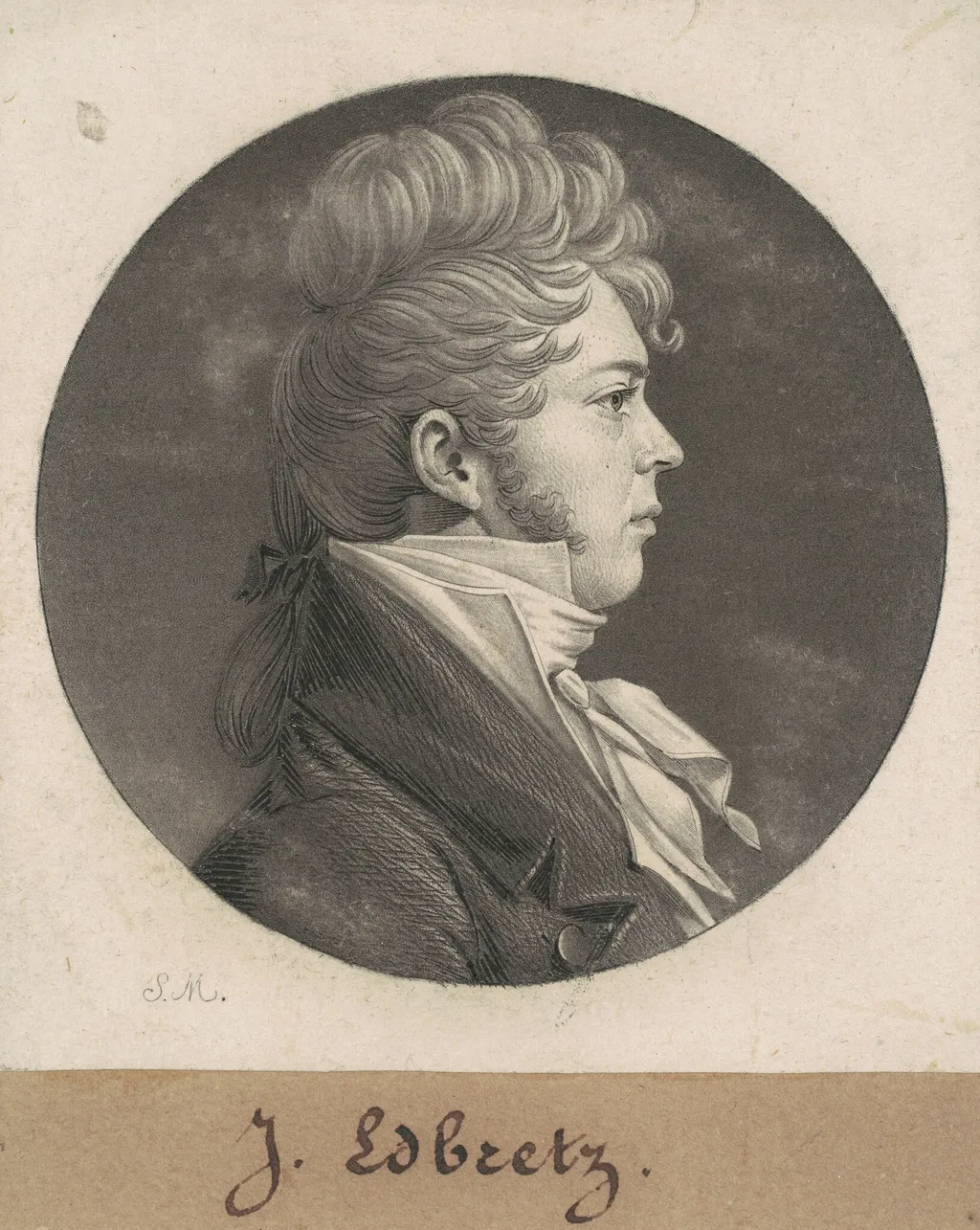
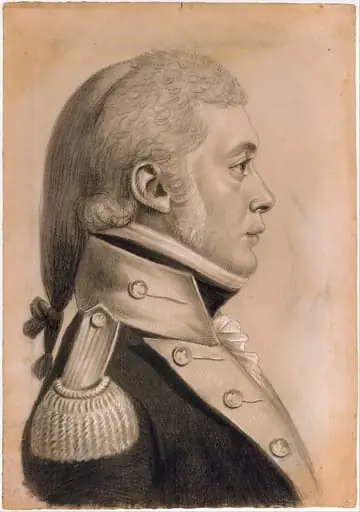
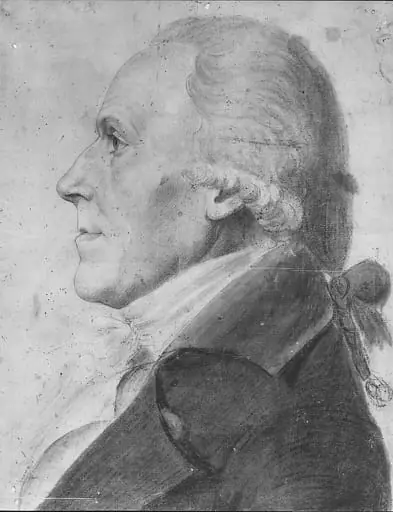
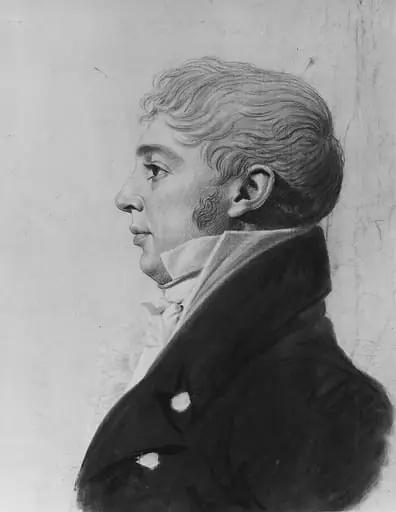
John Hill Smith is an ink print by the Romanticist artist Charles Balthazar Julien Févret de Saint-Mémin. It dates from 1808 and is held in the collection of the National Gallery of Art.
About this work
Overview
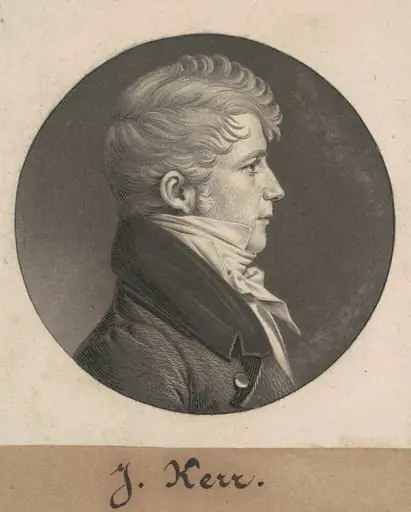
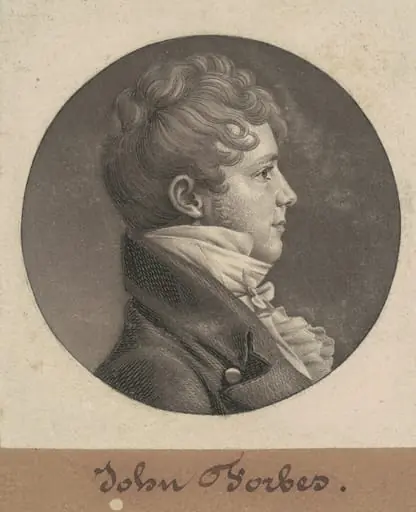
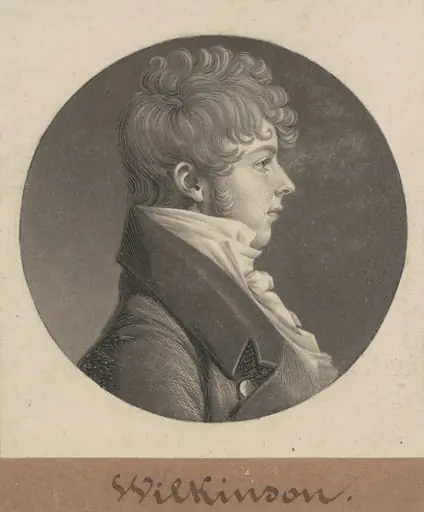
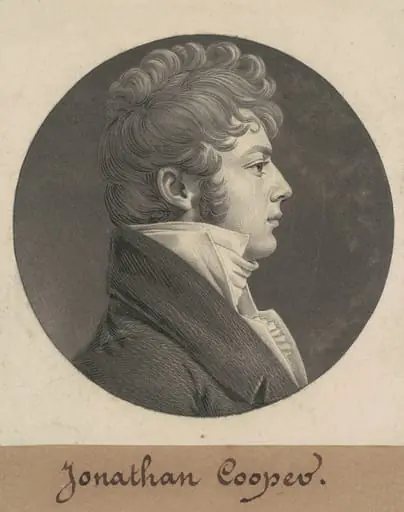
Created around 1805, this black-and-white print portrays John Hill Smith in a formal, high‑collared coat and cravat. Rendered in mezzotint and engraving on wove paper that has been mounted to a brown‑toned backing, the image is distinguished by a dark surrounding that accentuates the sitter’s face and attire. The artist’s signatures appear on the work, confirming its authorship.
Subject & Meaning
The portrait presents Smith as a gentleman of his era, his dignified posture and refined clothing reflecting the social standing associated with professional men of the early nineteenth century. The emphasis on facial features and the crisp rendering of the cravat and coat convey both individuality and the broader conventions of portraiture that aimed to communicate respectability and status.
Technique & Style
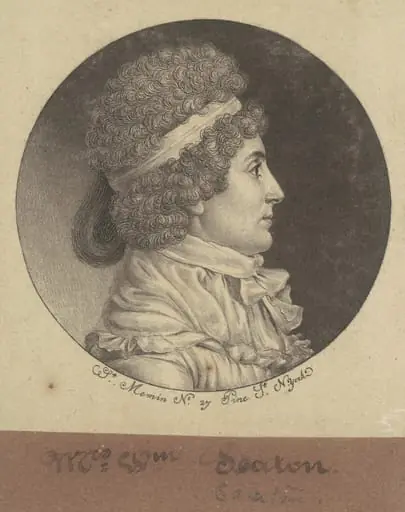
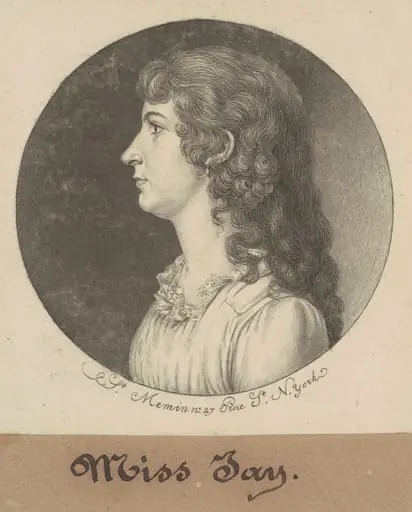
Executed through a combination of mezzotint and engraving, the print employs the tonal richness of mezzotint to model light and shadow, while the engraved lines define details such as the fabric folds and facial contours. The use of black ink on wove paper, later adhered to a brown support, enhances contrast and gives the image a subdued, atmospheric quality typical of Saint‑Mémin’s approach.
History & Provenance
The work is attributed to Charles B. J. Févret de Saint‑Mémin, a French artist known for his portrait prints of American figures. It forms part of a larger assemblage of Saint‑Mémin’s portraits, indicating it was likely produced for a series of commemorative images circulated among contemporaries. The print’s documented presence in the artist’s oeuvre situates it within his transatlantic career.
Context
During the early 1800s, printed portraiture served as a practical means of disseminating images of notable individuals across distances. Saint‑Mémin’s choice of mezzotint—a technique prized for its capacity to render subtle gradations—aligned with the period’s demand for realistic yet affordable likenesses, especially among the emerging professional class in the United States.
Artist & collection

Artist
Charles Balthazar Julien Févret de Saint-Mémin
Charles Balthazar Julien Févret de Saint-Mémin (French pronunciation: ; 1770–1852) was a French portrait painter and museum director.