Artwork
Untitled (image of sandwich and soda). Print from the suite 'Ten Works by Ten Painters.'
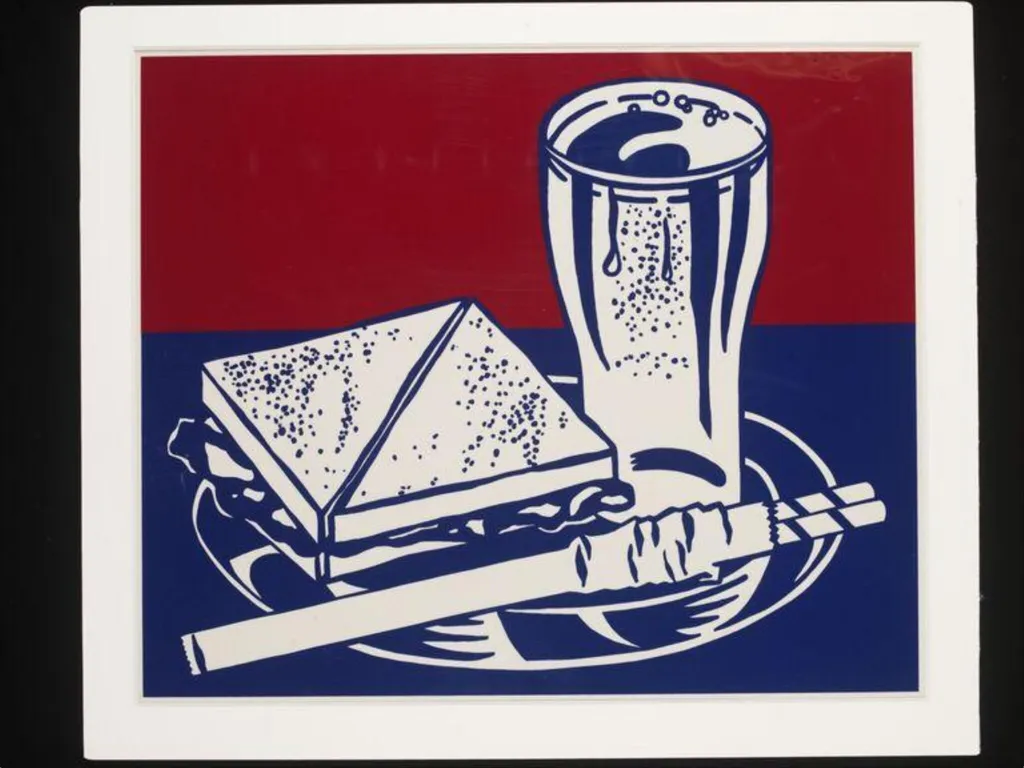
Untitled (image of sandwich and soda). Print from the suite 'Ten Works by Ten Painters.' is a print by Roy Lichtenstein. It dates from 1964 and is held in the collection of the Victoria and Albert Museum. This print is part of the 1964 suite 'Ten Works by Ten Painters,' a collaborative project featuring artists from the emerging Pop movement.
About this work
Overview
This print is part of the 1964 suite 'Ten Works by Ten Painters,' a collaborative project featuring artists from the emerging Pop movement. Roy Lichtenstein contributed this image of a sandwich and soda, transforming a mundane subject into a graphic composition. The work reflects his interest in elevating ordinary, mass-produced objects through the visual language of commercial printing.
Subject & Meaning
The subject—a simple lunch of a sandwich and soda—is rendered without narrative or emotional context. Lichtenstein strips away any sense of intimacy or tradition associated with still life, replacing it with the impersonal clarity of advertising imagery. The choice of such a banal object underscores Pop Art’s focus on the aesthetics of everyday consumer culture.
Technique & Style
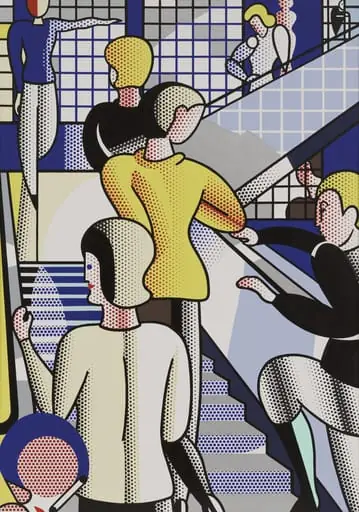
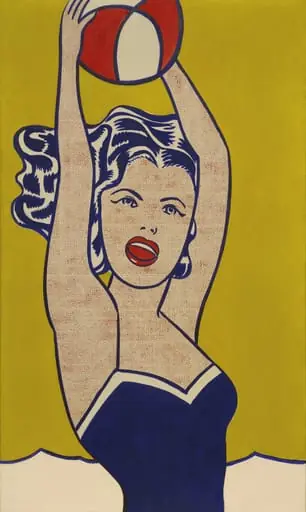
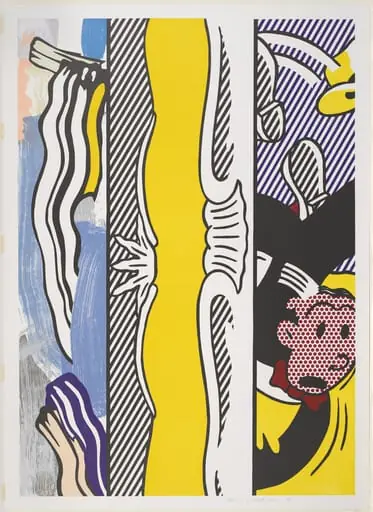
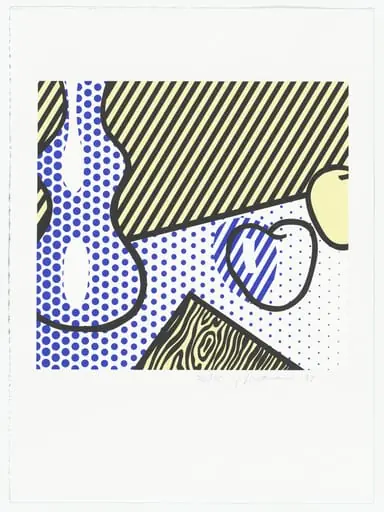
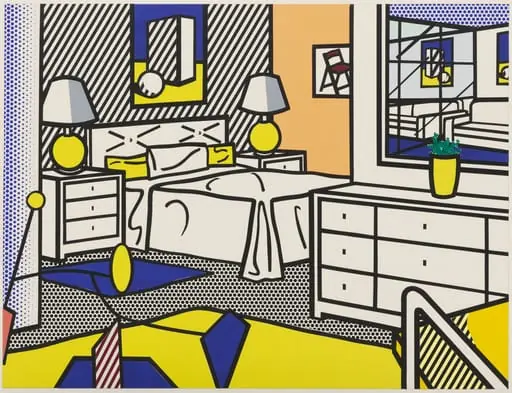
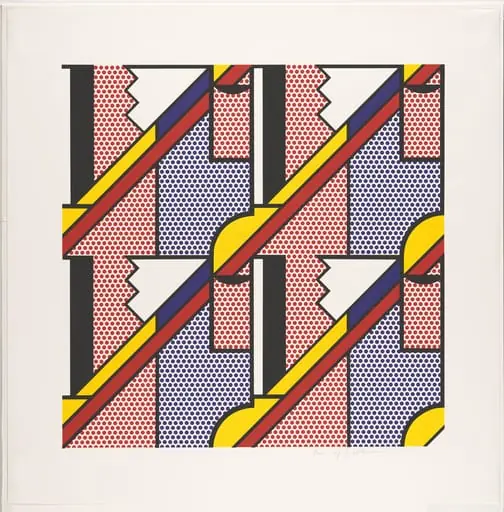
Lichtenstein employed Benday dots, a mechanical printing technique borrowed from commercial comics, to simulate tone and texture. These dots, arranged in precise grids, replace brushwork and create a flat, stylized surface. The bold outlines and limited color palette further mimic the look of mass-produced illustrations, distancing the image from handcrafted art traditions.
History & Provenance
It was distributed to collectors and institutions, with at least one other impression held in the Victoria and Albert Museum under the accession number Circ.
The print was produced in 1964 as part of a limited edition suite organized by the Leo Castelli Gallery. It was distributed to collectors and institutions, with at least one other impression held in the Victoria and Albert Museum under the accession number Circ.129-1969. The suite was intended to highlight divergent approaches within Pop Art, positioning Lichtenstein alongside peers like Warhol and Rauschenberg.
Context
In the early 1960s, American artists began redefining fine art by incorporating imagery from advertising, comics, and consumer goods. Lichtenstein’s work responded to a culture saturated with mass media. By applying comic aesthetics to a still life—a genre historically tied to European tradition—he challenged distinctions between high and low culture.
Legacy
This print exemplifies Lichtenstein’s role in redefining artistic subject matter and technique through mechanical reproduction. His use of Benday dots became emblematic of Pop Art’s engagement with industrial processes. While initially controversial, the work contributed to broader acceptance of everyday imagery as valid subject matter in contemporary art.
Artist & collection
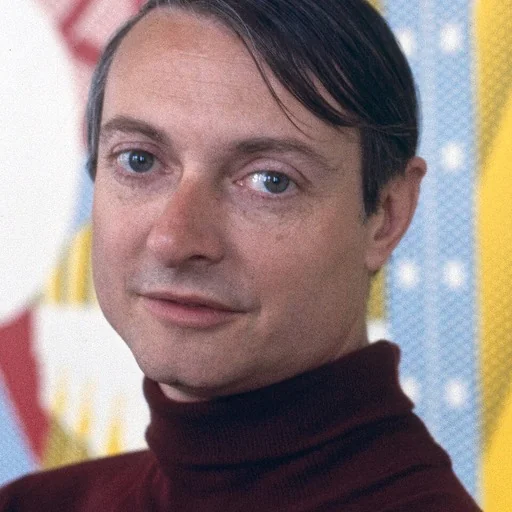
Artist
Roy Fox Lichtenstein was an American artist. A leading figure of the Pop Art movement, he is best known for his large-scale paintings inspired by comic books, advertisements, and mass-produced imagery. Lichtenstein's…