Artwork
Untitled
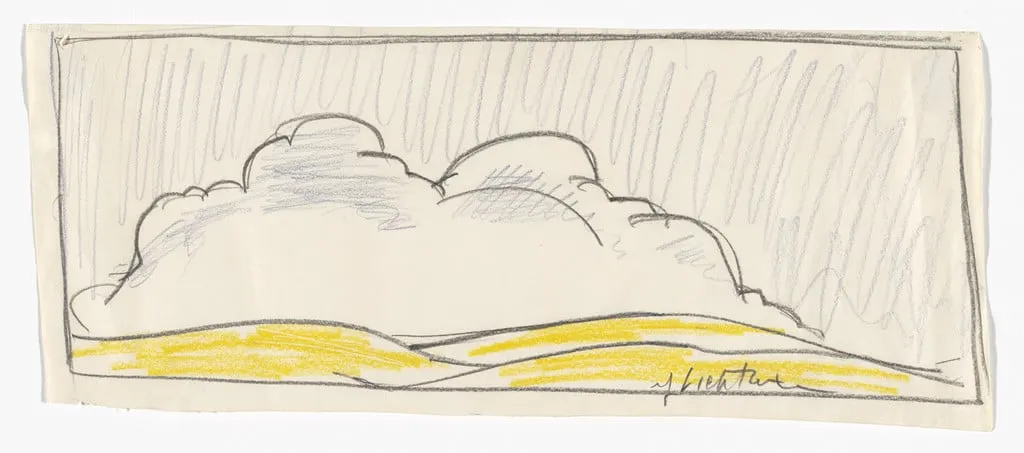
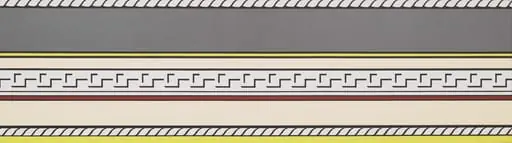
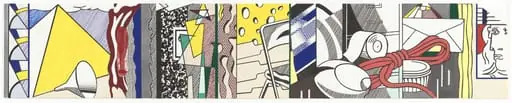
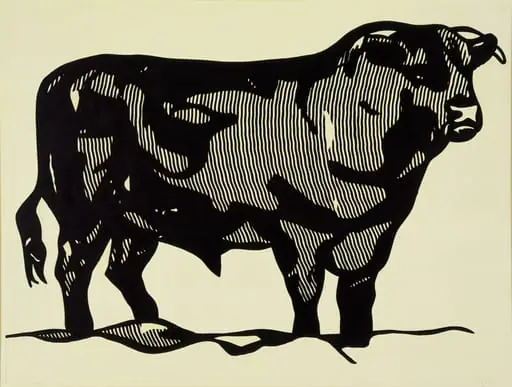
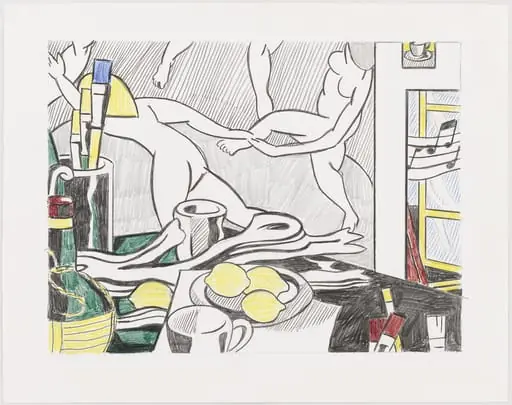
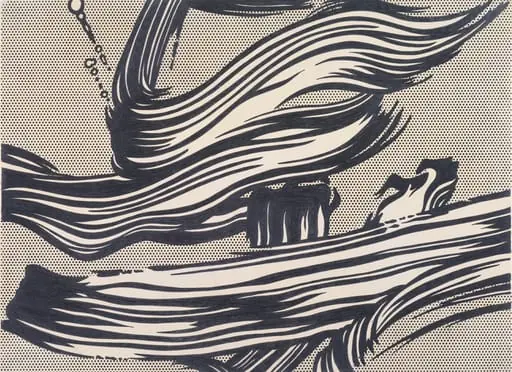
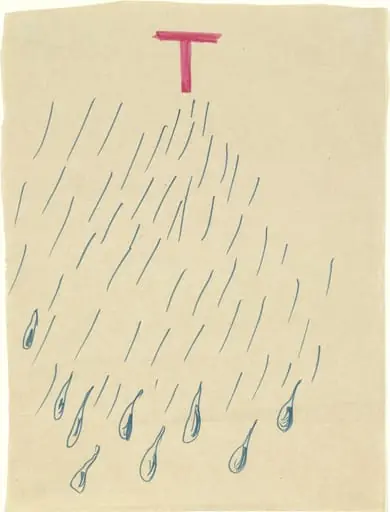
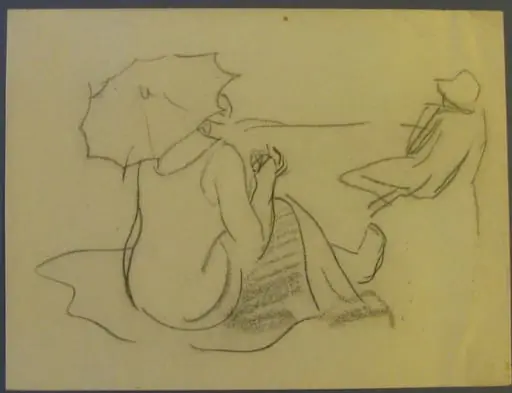
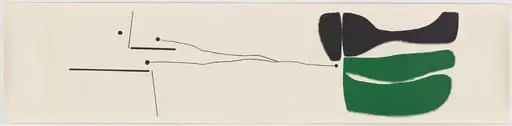
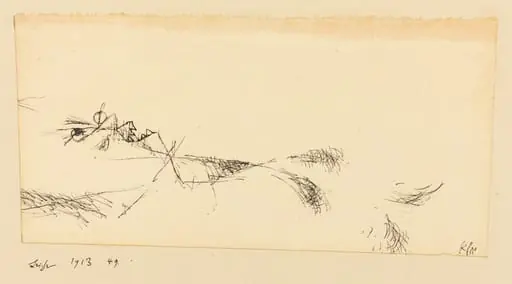
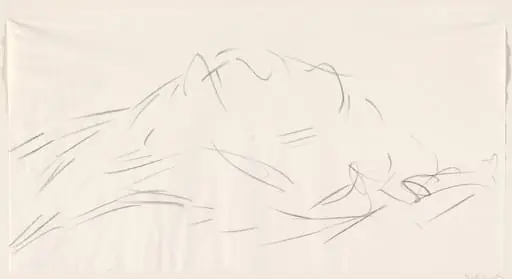
Untitled is a graphite drawing by Roy Lichtenstein. It dates from 1964 and is held in the collection of the Museum of Modern Art.
About this work
Overview
The work is unadorned in its materials and spontaneous in execution, reflecting a moment of informal study rather than a polished composition.
Created in 1964, this drawing by Roy Lichtenstein is executed in crayon and pencil on paper. It resides in the collection of The Museum of Modern Art. The work is unadorned in its materials and spontaneous in execution, reflecting a moment of informal study rather than a polished composition. Its simplicity and directness distinguish it from Lichtenstein’s more widely known comic-inspired paintings.
Subject & Meaning
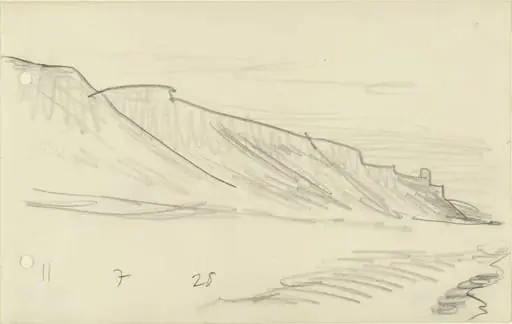
The drawing depicts a minimal landscape: three softly rendered hills and a flat, yellow field beneath them. No figures, structures, or narrative elements are present. The background is filled with faint, parallel lines suggesting atmospheric movement—perhaps wind or light rain. The absence of detail invites contemplation of natural forms in their most reduced state, aligning with Lichtenstein’s interest in visual abstraction.
Technique & Style
Lichtenstein used only crayon and pencil, applying the yellow crayon in a flat, even layer for the field and using light, sketchy pencil strokes for the hills. The background lines are thin and repetitive, not densely cross-hatched but loosely spaced, creating a sense of motion without texture. The hand is visible and unrefined, emphasizing immediacy over precision. The signature in the lower corner confirms authorship without embellishment.
History & Provenance
The work entered The Museum of Modern Art’s collection after its creation in 1964, likely acquired directly from the artist. It has remained in the museum’s holdings since, with no record of public exhibition prior to its inclusion in the permanent collection. Its modest scale and medium suggest it was not intended for commercial sale but preserved as part of Lichtenstein’s personal artistic process.
Context
In 1964, Lichtenstein was gaining recognition for his bold, mechanical-style paintings based on comic strips. This drawing, made the same year, reveals a quieter side of his practice—private, observational, and unmediated by commercial imagery. It reflects his ongoing engagement with line, form, and surface, even as he moved away from traditional landscape conventions.
Legacy
This drawing offers insight into Lichtenstein’s broader approach to mark-making, demonstrating how his interest in simplified forms extended beyond pop imagery. Though less known than his commercial-inspired works, it illustrates his consistent focus on structure and repetition. It remains a quiet testament to the artist’s habit of exploring ideas through rapid, unembellished sketches.
Artist & collection
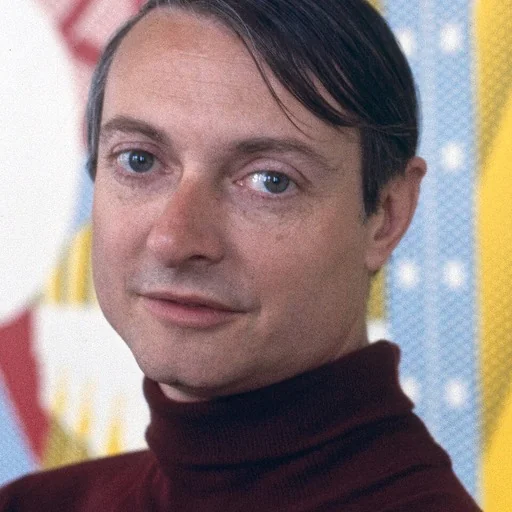
Artist
Roy Fox Lichtenstein was an American artist. A leading figure of the Pop Art movement, he is best known for his large-scale paintings inspired by comic books, advertisements, and mass-produced imagery. Lichtenstein's…