Artwork
Portrait of H.M. Leopold I, king of the Belgians
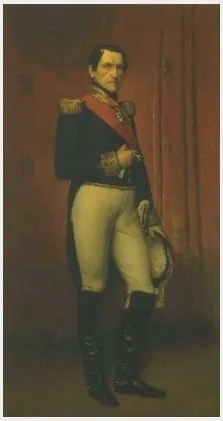
Portrait of H.M. Leopold I, king of the Belgians is an oil painting by the Realist artist Lievin de Winne. It dates from 1868 and is held in the collection of the Royal Museums of Fine Arts of Belgium. Painted in 1868 by Belgian artist Liévin De Winne, this oil portrait captures Leopold I, the first monarch of independent Belgium.
About this work
Overview
The painting is held in the Royal Museums of Fine Arts of Belgium, where it serves as a formal record of the king’s public persona during his later years.
Painted in 1868 by Belgian artist Liévin De Winne, this oil portrait captures Leopold I, the first monarch of independent Belgium. De Winne, trained in Ghent and Paris, executed the work in a restrained realist style typical of mid-19th-century official portraiture. The painting is held in the Royal Museums of Fine Arts of Belgium, where it serves as a formal record of the king’s public persona during his later years.
Subject & Meaning
Leopold I is portrayed in full military dress, emphasizing his role as head of state and former soldier. The gold epaulets, red sash, and drawn sword signify rank and authority, while the white hat held in his left hand suggests a moment of pause amid ceremonial duty. The deep red curtain behind him frames the figure without distraction, reinforcing the solemnity of his position and the stability of the young Belgian monarchy.
Technique & Style
De Winne employed precise brushwork and muted tonal contrasts to render the textures of uniform fabric, leather, and metal with quiet accuracy. The lighting is even and frontal, avoiding dramatic shadows to maintain a sense of dignified neutrality. The composition is tightly controlled, with the king centered and upright, reflecting the conventions of state portraiture rather than expressive individuality.
History & Provenance
Commissioned during Leopold I’s final years, the portrait was likely intended for official display. It entered the collection of the Royal Museums of Fine Arts of Belgium shortly after its completion. No evidence suggests it was widely reproduced or publicly exhibited beyond state institutions, indicating its primary function was as a formal archival image rather than a public monument.
Context
By 1868, Leopold I had reigned for nearly four decades, guiding Belgium through its early years as a constitutional monarchy. Portraits like this one were part of a broader effort to visually anchor the legitimacy of the new state. De Winne’s approach aligned with European norms of royal representation, prioritizing decorum over personal revelation, reflecting the monarchy’s emphasis on continuity and institutional authority.
Legacy
The portrait remains a key visual document of Leopold I’s reign, preserved within Belgium’s national art collection. While De Winne is not widely known outside Belgium, this work exemplifies the quiet professionalism of state portraiture in the 19th century. It continues to serve as a reference for understanding how early Belgian rulers were visually constructed as symbols of national unity.
Artist & collection
Artist
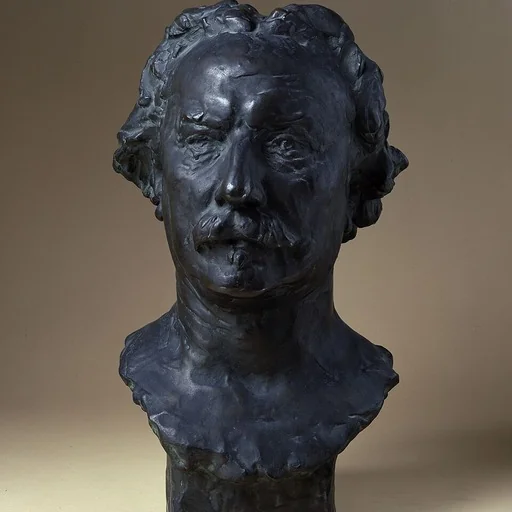
Liévin De Winne (Ghent, 24 January 1821 - Brussels, 13 May 1880) was a Belgian portrait painter who painted the official portrait of Leopold I on which the first postage stamp of Belgium was based.

Museum
Royal Museums of Fine Arts of Belgium
Continue through works from the same source collection.
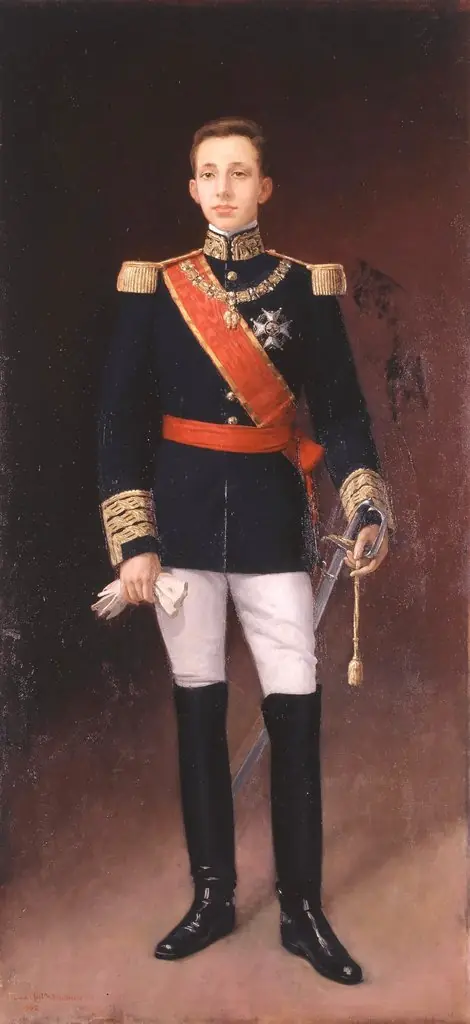 Alfonso XIII
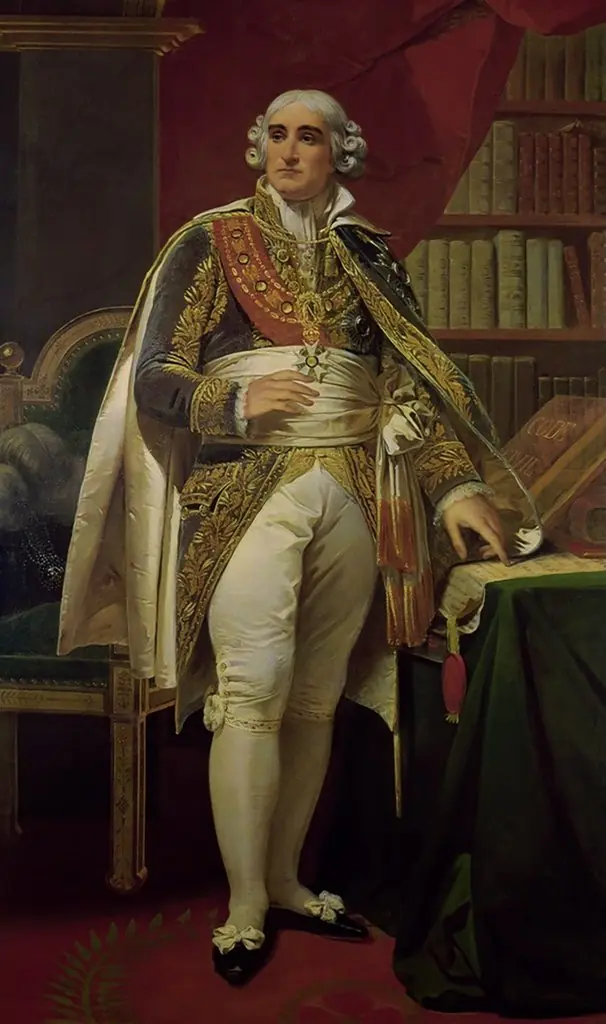 Portrait de Parme, duc de Cambacérès, Archichancelier de l'Empire
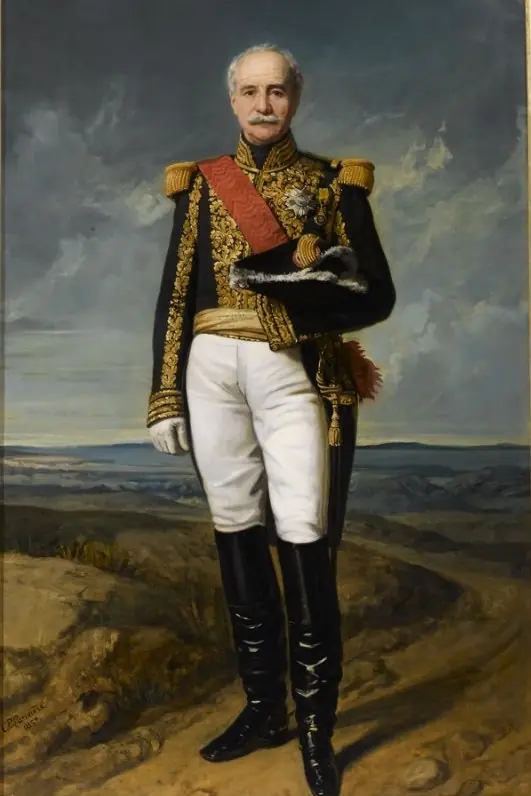 Achille, Marshal-Count Baraguey d'Hilliers
 Adolphe Niel, maréchal de France (1802-1869)
 Georges Mouton, Count of Lobau
 Etienne-Joseph-Jacques-Alexandre MacDonald, Duke of Taranto, Marshal of France (1765-1840)
 Elie-Frédéric Forey, Marshal
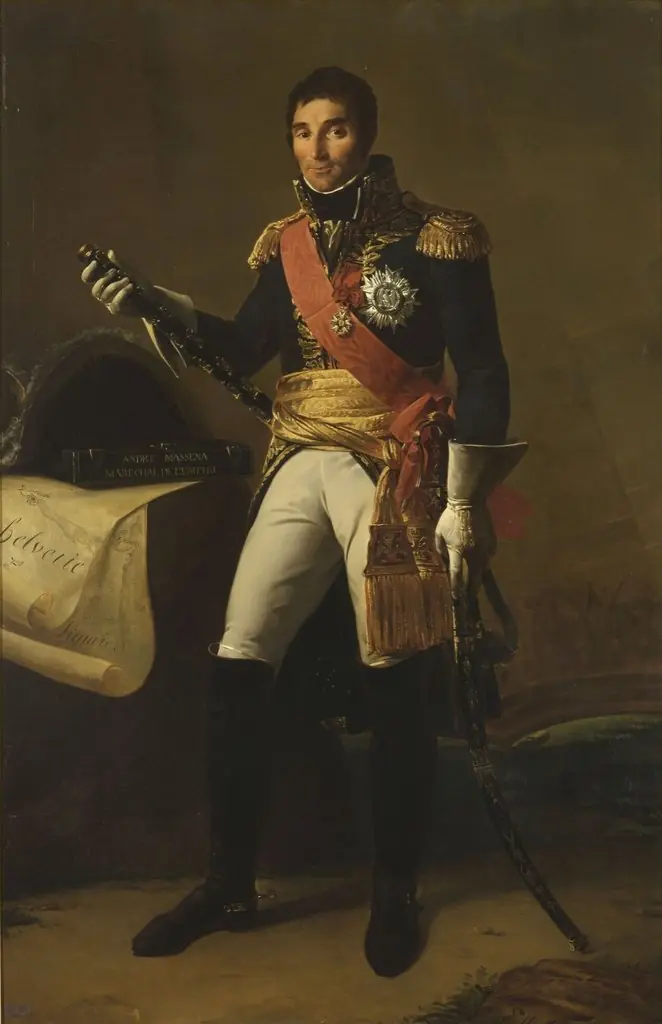 Le maréchal André Masséna (1758-1817), duc de Rivoli et prince d'Essling.
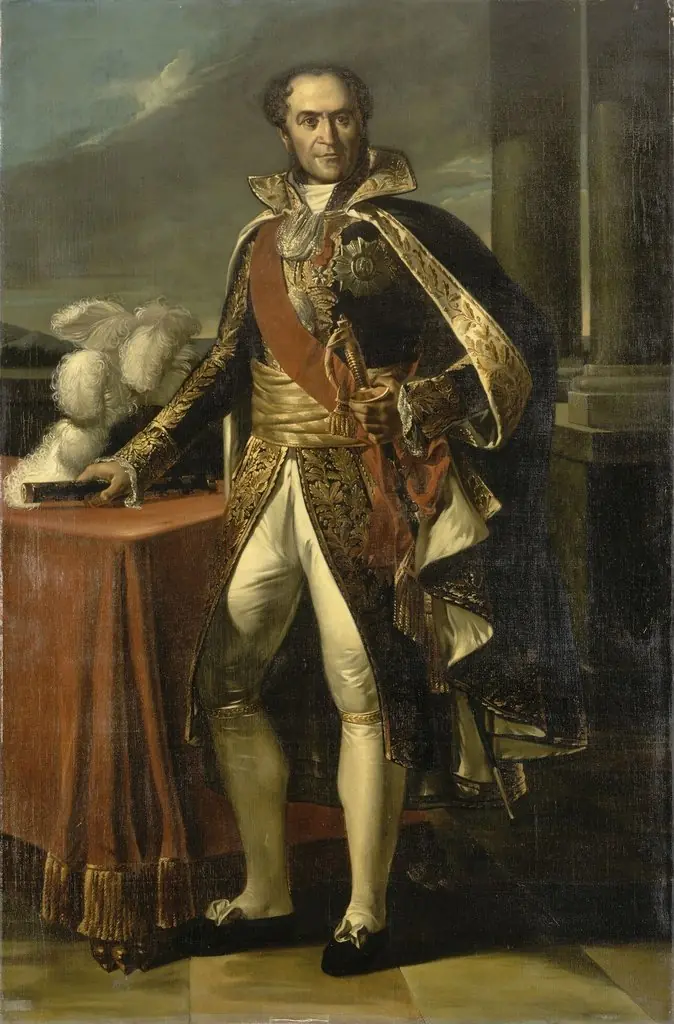 Guillaume-Marie-Anne, maréchal Brune
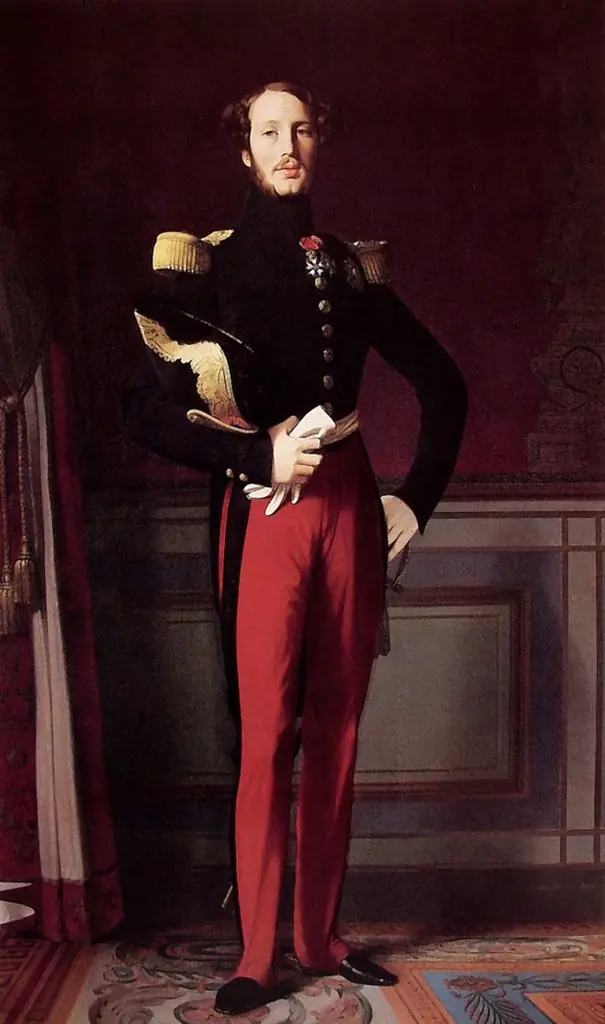 Prince Ferdinand Philippe of Orléans, Duke of Orléans