Artwork
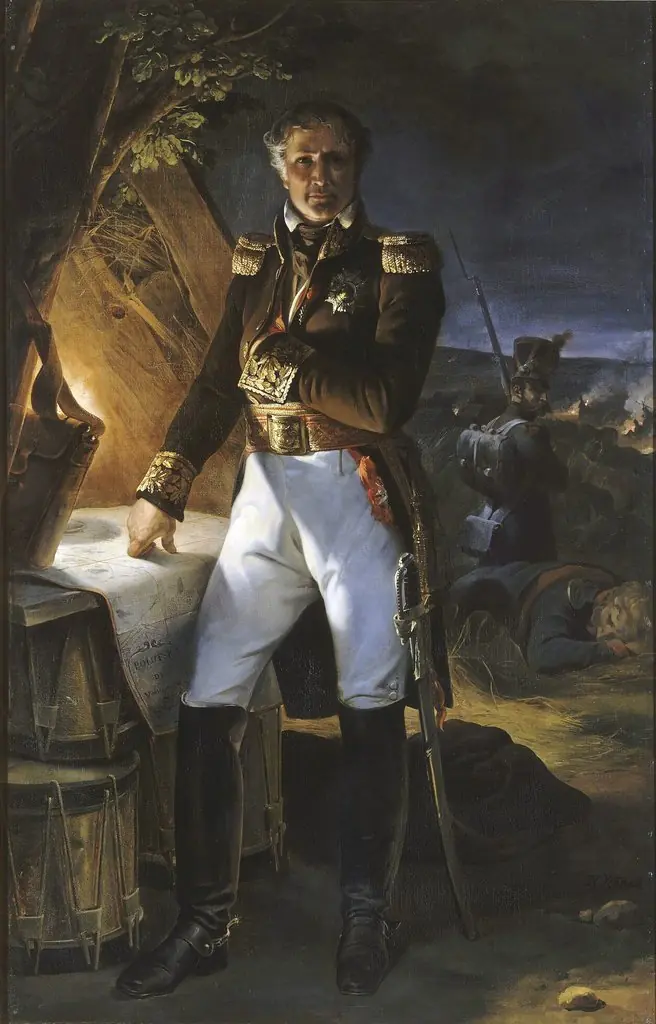
Le maréchal André Masséna (1758-1817), duc de Rivoli et prince d'Essling.
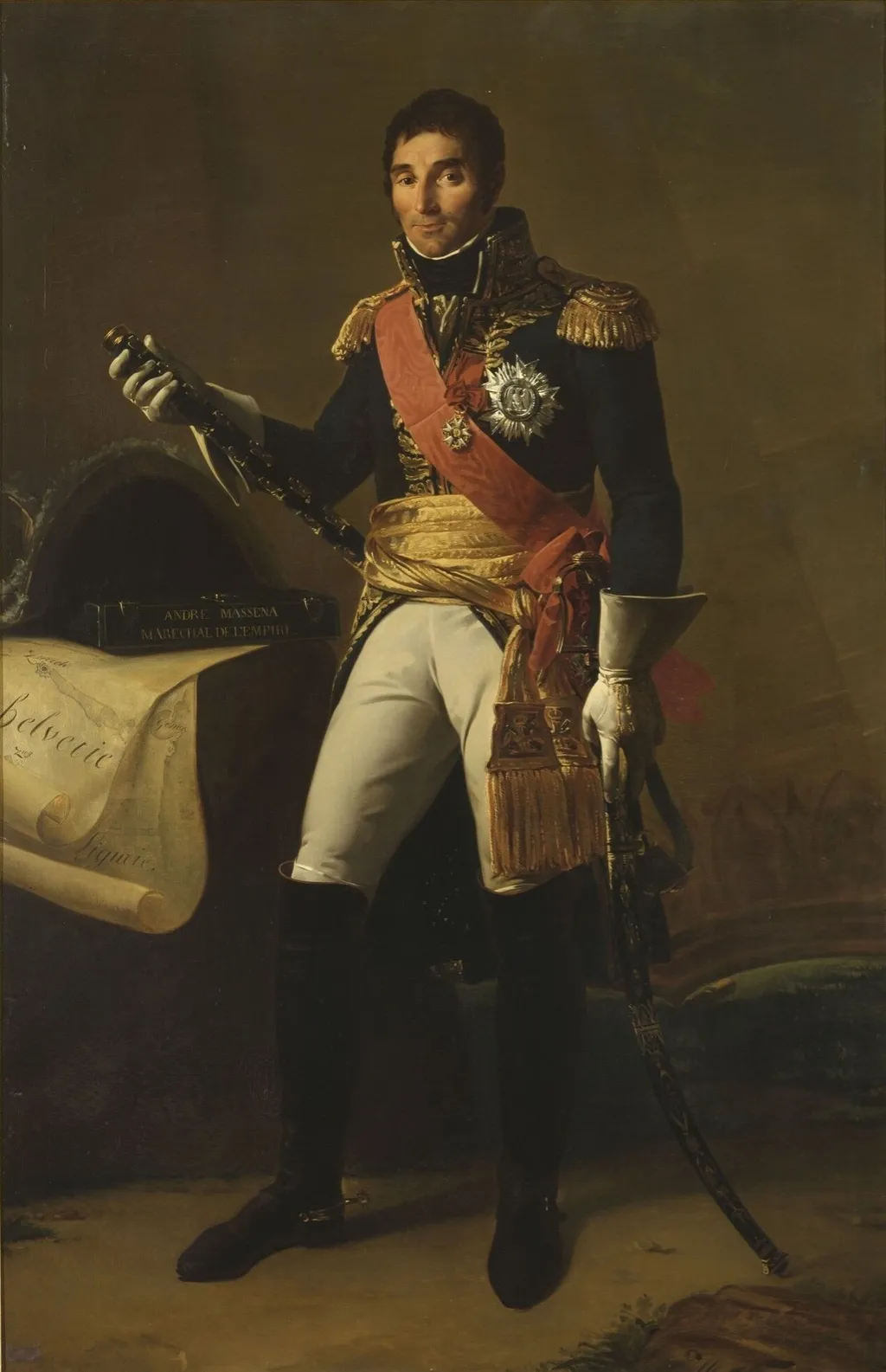
Le maréchal André Masséna (1758-1817), duc de Rivoli et prince d'Essling. is an oil painting by the Realist artist Edme-Adolphe Fontaine. It dates from 1853 and is held in the collection of the Palace of Versailles.
About this work
Overview
Painted over three decades after his death, it serves as a posthumous tribute to one of Napoleon’s most decorated commanders.
This oil portrait, completed in 1853 by Edme-Adolphe Fontaine, presents Marshal André Masséna in full military regalia. Painted over three decades after his death, it serves as a posthumous tribute to one of Napoleon’s most decorated commanders. The work is part of the collection at the Palace of Versailles, where it contributes to the broader historical narrative of the Napoleonic era preserved in the royal residence.
Subject & Meaning
Masséna is depicted as a seasoned commander, clad in a black uniform adorned with gold embroidery and a red sash, symbols of his rank and imperial honors. His grip on a sword and direct gaze convey authority and resolve. The portrait does not emphasize battle or triumph but instead focuses on the dignity and gravity of a veteran, reflecting his enduring reputation within French military history.
Technique & Style
Fontaine employs oil paint to achieve subtle tonal transitions and a tactile surface, particularly in the rendering of fabric and metal. Chiaroscuro is used deliberately to isolate the figure against a dark, undefined background, heightening the three-dimensionality of the face and hands. The brushwork is controlled and precise, prioritizing clarity of form over expressive flourish, aligning with mid-19th-century academic portraiture conventions.
History & Provenance
Commissioned after Masséna’s death in 1817, the painting was completed in 1853 during the reign of Napoleon III, a period marked by renewed interest in Napoleonic legacy. It entered the collection of the Palace of Versailles as part of efforts to consolidate visual records of key figures from the First Empire. Its placement there underscores its role in state-sponsored historical commemoration.
Context
The portrait emerges from a mid-19th-century trend of revisiting Napoleonic figures through official imagery, often to legitimize contemporary political authority. While Masséna had been a controversial figure during his lifetime, by the 1850s he was increasingly portrayed as a symbol of loyal service. Fontaine’s depiction aligns with this sanitized, heroic narrative favored by the imperial court.
Legacy
As one of the few formal portraits of Masséna created after his death, this work remains a primary visual reference for his public image. Though not widely exhibited outside Versailles, it continues to inform historical reconstructions and scholarly interpretations of Napoleonic-era military leadership, preserving his presence in institutional memory.
Own this work as a print
Artist & collection
Artist
Edme-Adolphe Fontaine (1814–1883) was an artist, born in Noisy-le-Grand.

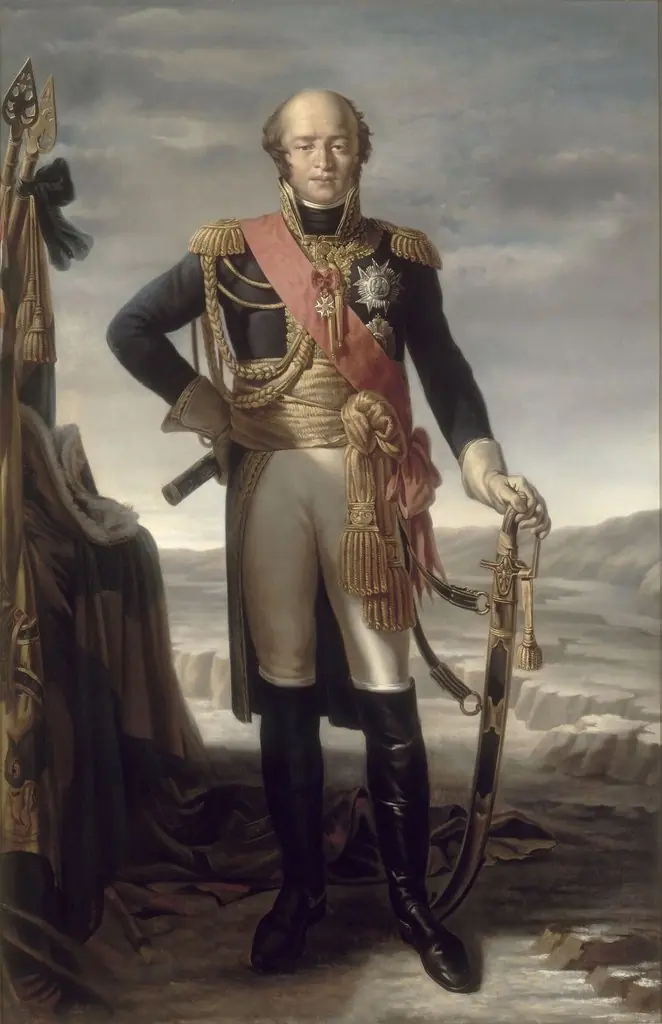 Portrait de Louis Nicolas Davout
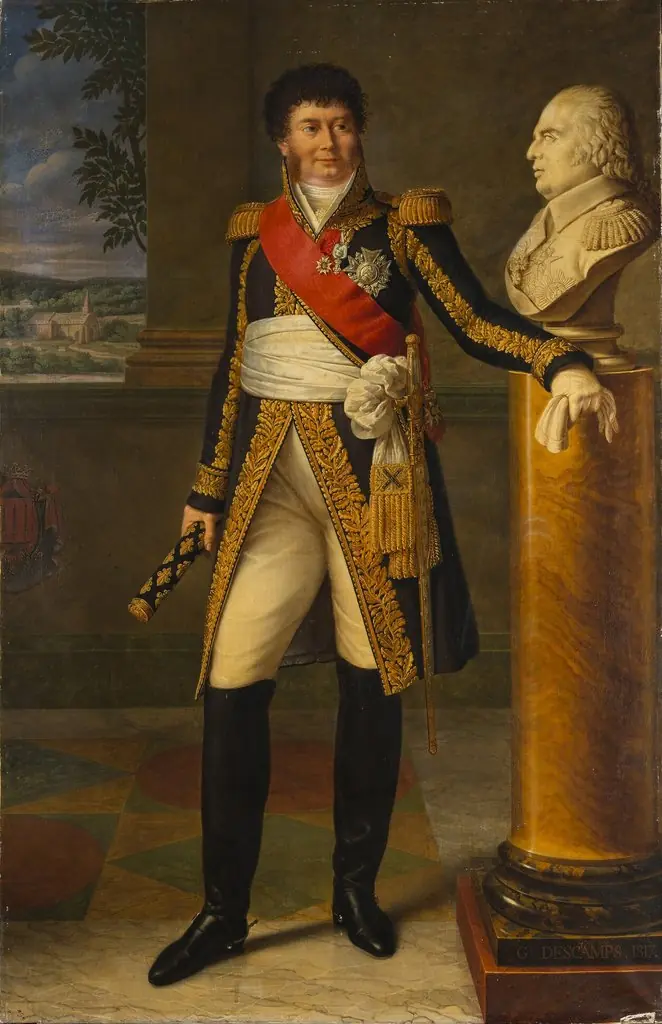 Henri-Jacques-Guillaume Clarke, Count of Hunebourg, Duke of Feltre, Marshal of France (1765-1818)
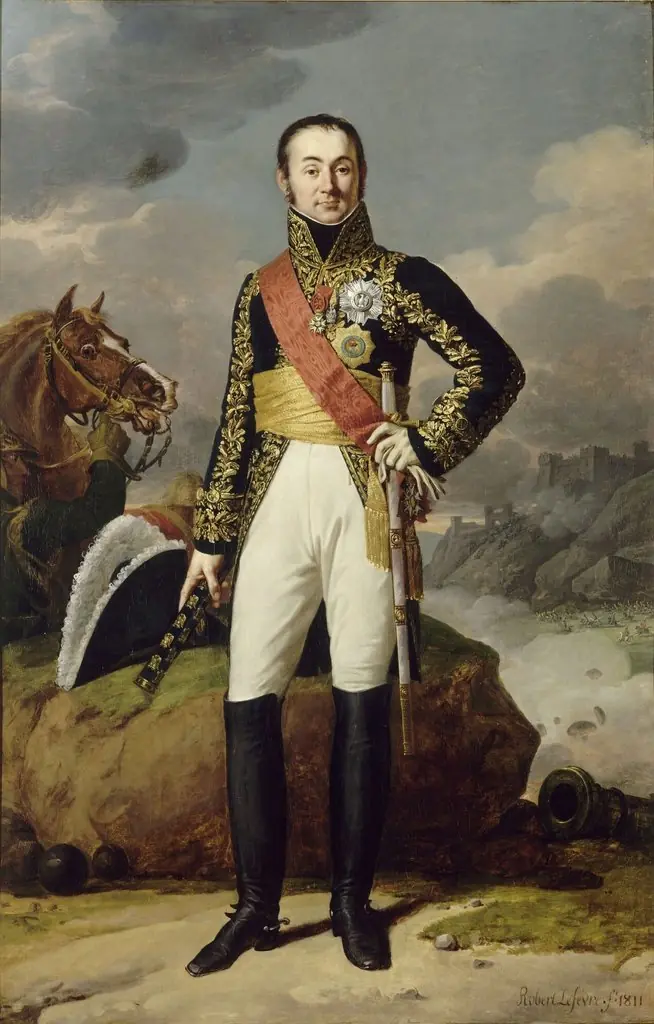 Nicolas-Charles Oudinot, Duke of Reggio, Marshal of France (1767-1847)
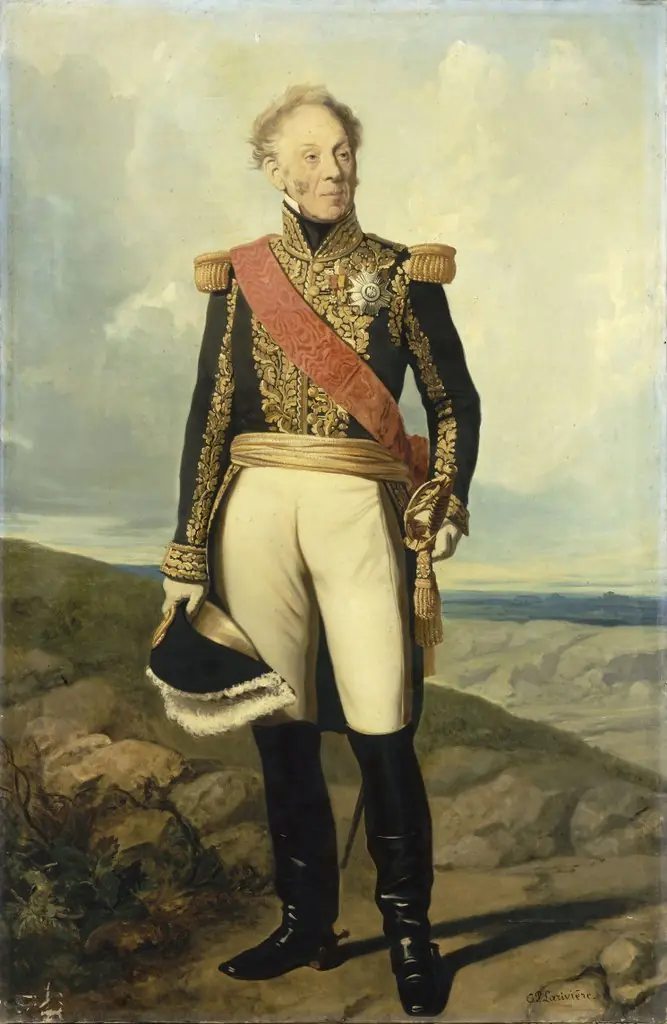 Porträt des Rémi Joseph Isidore Exelmans, Marechal De France (1775-1852)
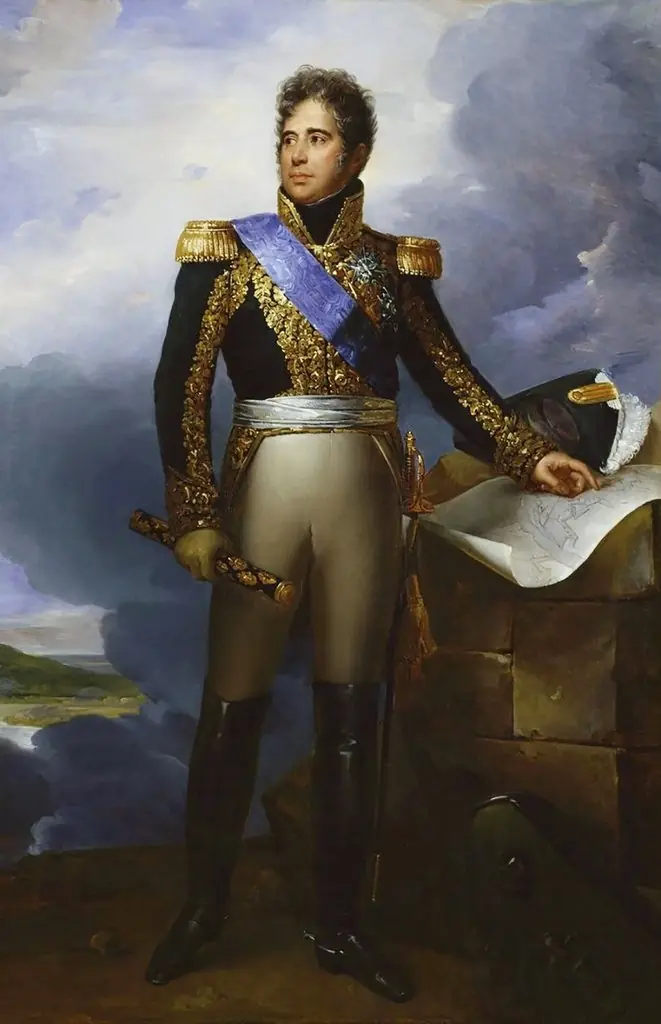 Jacques-Alexandre-Bernard Law de Lauriston
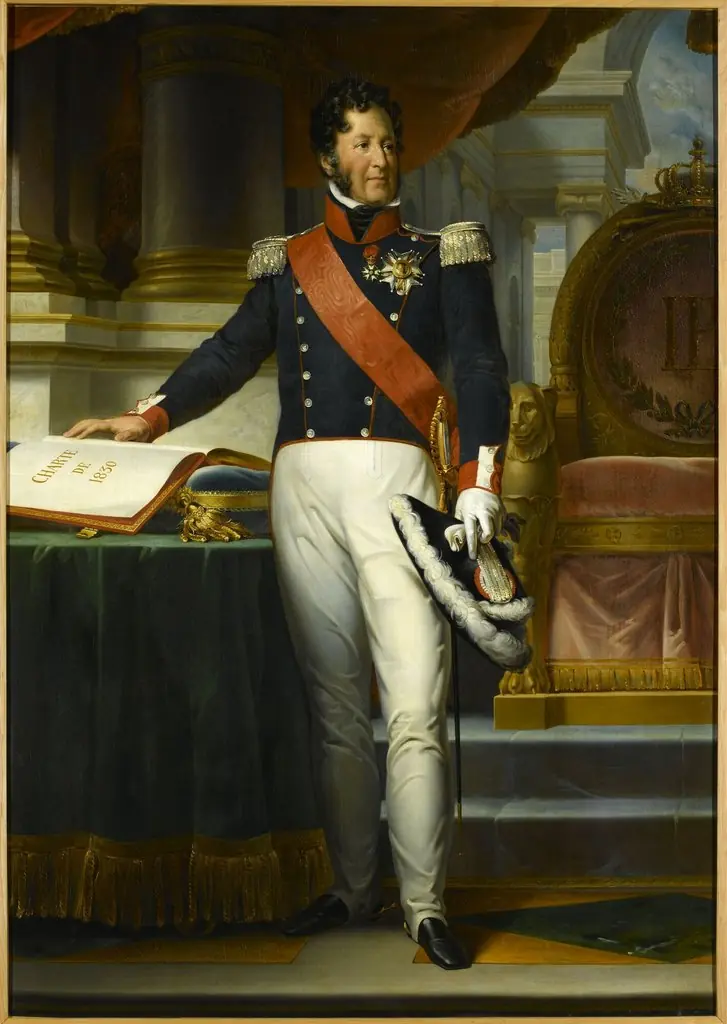 Portrait of Louis Philippe I
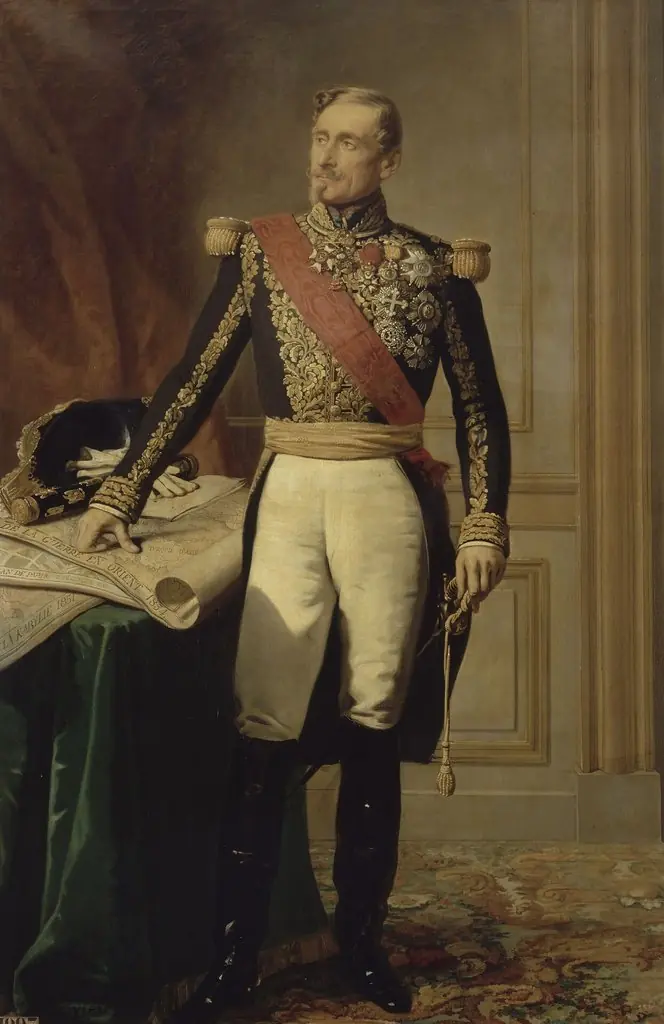 Armand-Jacques Leroy de Saint-Arnaud, Marshal of France
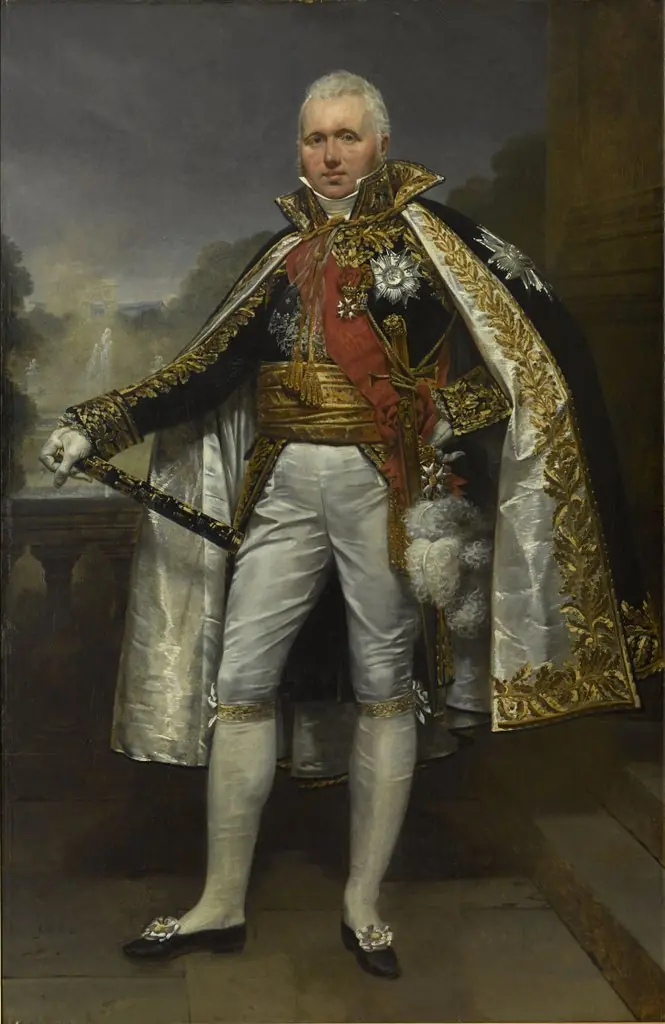 Claude-Victor Perrin, Duke of Bellune, Marshal of France
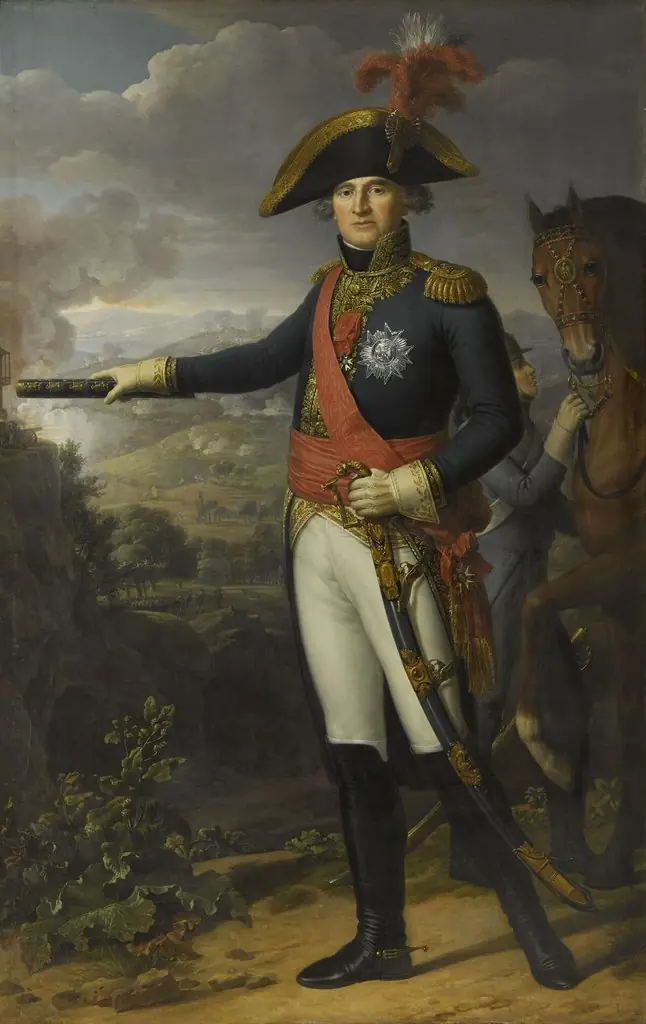 Jean Mathieu Philibert Serurier (1742-1819)
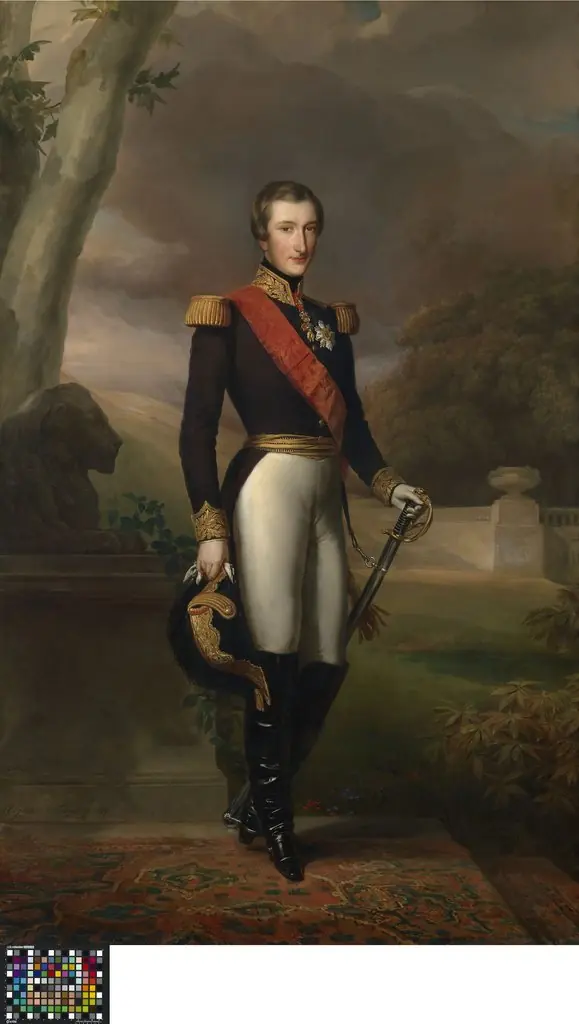 Portret van Leopold II, koning der Belgen, als hertog van Brabant
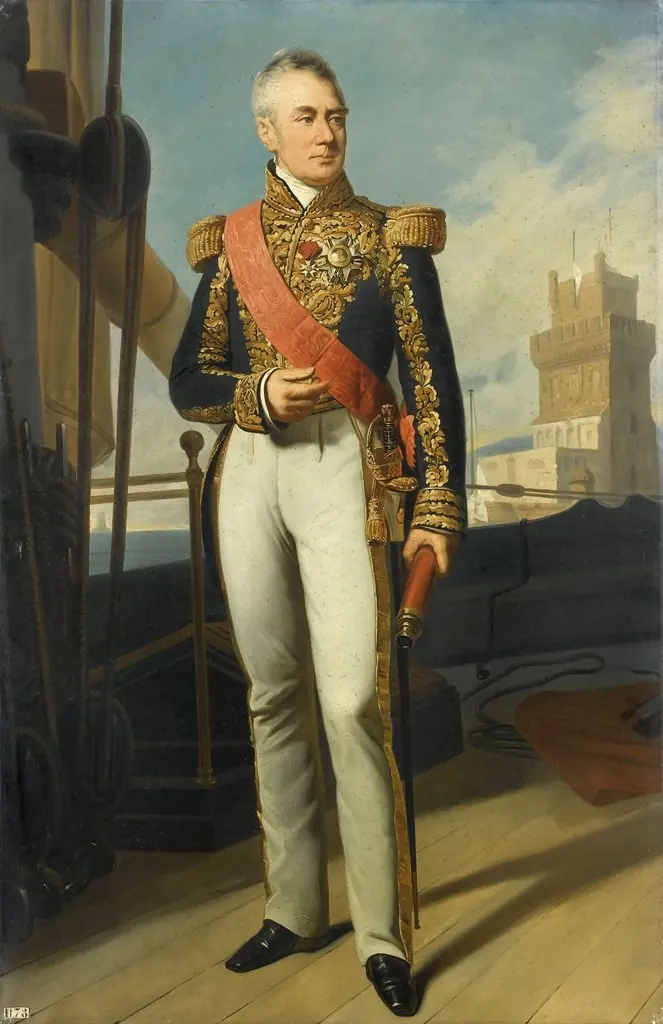 Albin-Reine, baron Roussin, admiral of France
 Laurent, Marquis of Gouvion Saint-Cyr