Artwork
Georges Mouton, Count of Lobau
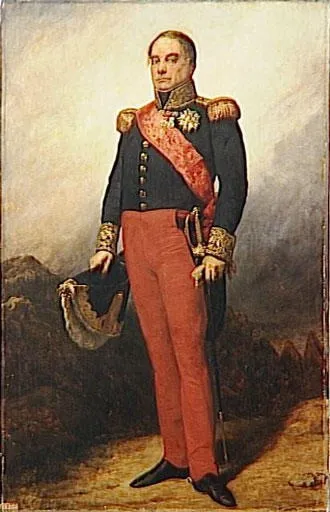
Georges Mouton, Count of Lobau is an oil painting by Ary Scheffer. It dates from 1835 and is held in the collection of the Palace of Versailles.
About this work
Overview
Scheffer, known for his refined portraiture and ties to the July Monarchy, executed the work as a commissioned piece reflecting the subject’s status.
Painted in 1835 by Ary Scheffer, this oil-on-canvas portrait portrays Georges Mouton, Count of Lobau, a French military leader under Napoleon and later a marshal under Louis Philippe I. Scheffer, known for his refined portraiture and ties to the July Monarchy, executed the work as a commissioned piece reflecting the subject’s status. The painting remains part of the Palace of Versailles collection, where it contributes to the visual record of France’s post-revolutionary elite.
Subject & Meaning
Georges Mouton, Count of Lobau, is depicted in full military regalia, emphasizing his rank and service. His dark blue coat, gold epaulets, red sash, and sword convey authority rooted in both imperial and constitutional service. The calm posture, stern gaze, and absence of overt action suggest a man defined by duty rather than triumph. The landscape behind him, muted and distant, reinforces a tone of quiet gravitas, aligning with the era’s preference for restrained heroism.
Technique & Style
Scheffer employed smooth brushwork and a controlled palette to render the uniform’s textures with precision—gold thread, polished leather, and wool are rendered with subtle variation. The background merges into a soft, atmospheric haze, drawing focus to the figure’s form. Lighting is even and frontal, minimizing dramatic contrast, consistent with Scheffer’s academic training and the portrait’s function as a formal state image rather than a theatrical composition.
History & Provenance
Commissioned during Louis Philippe I’s reign, the portrait reflects Scheffer’s position as a favored court artist and tutor to the royal family. It entered the Palace of Versailles collection shortly after completion, likely as part of a broader effort to document the new monarchy’s military leadership. The painting remained undisturbed through subsequent political shifts, preserving its original context within the royal residence’s historical narrative.
Context
In the 1830s, France sought to reconcile its revolutionary past with monarchical continuity. Portraits like this one served to legitimize the July Monarchy by honoring veterans of the Napoleonic era who now served the new regime. Scheffer’s style, blending Romantic sensitivity with Neoclassical restraint, mirrored this political balancing act—presenting Mouton not as a conqueror, but as a steadfast servant of the state.
Legacy
The portrait endures as a representative example of mid-19th-century French official portraiture. While Scheffer’s broader oeuvre has faded from public prominence, this work remains a documented artifact of how military authority was visually codified during the transition from empire to constitutional monarchy. Its preservation at Versailles ensures its continued role in understanding the visual culture of French state identity.
Artist & collection
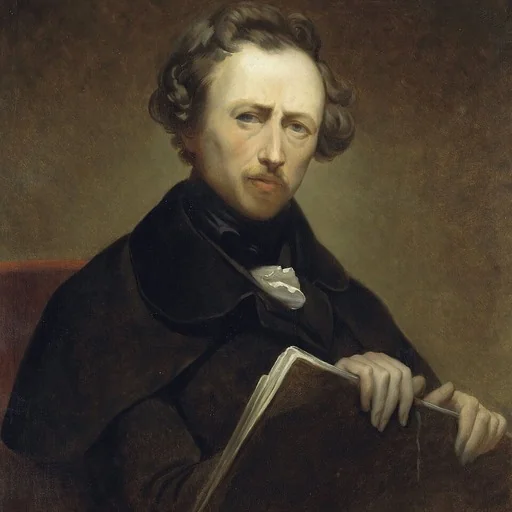
Artist
Ary Scheffer (10 February 1795 – 15 June 1858) was a Dutch-French Romantic painter.

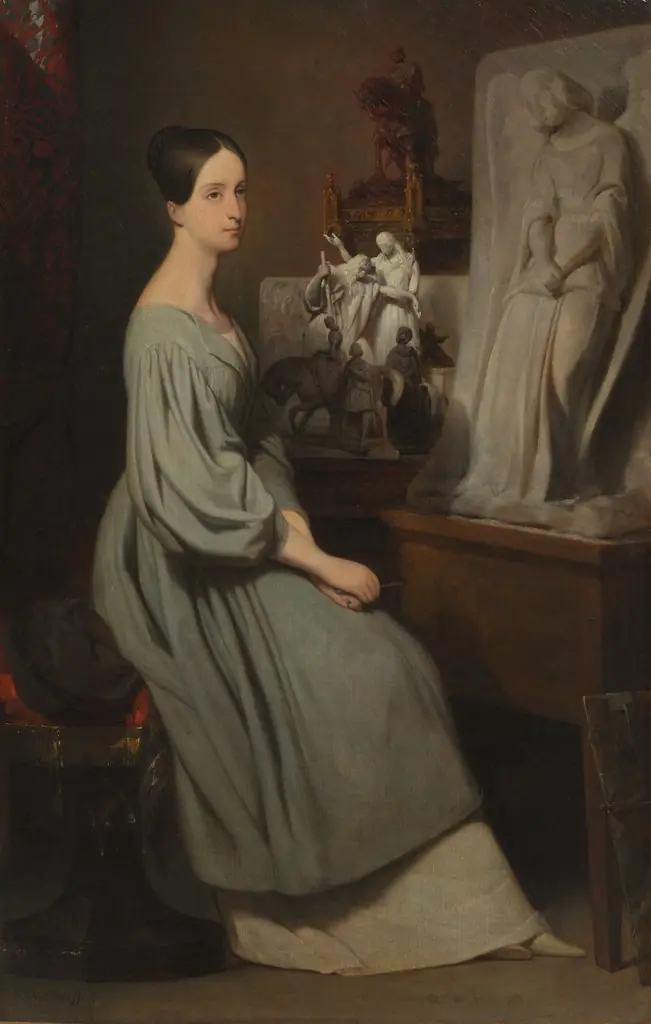 Princess Marie d'Orléans in Her Studio
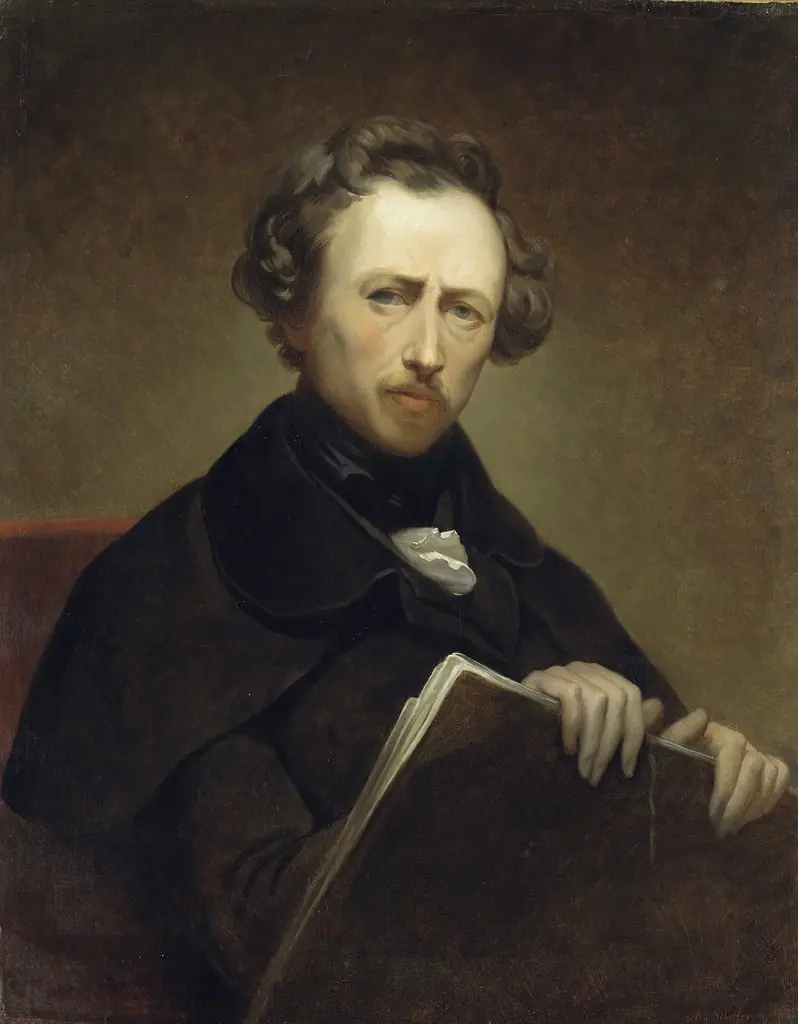 Self Portrait at age of 43
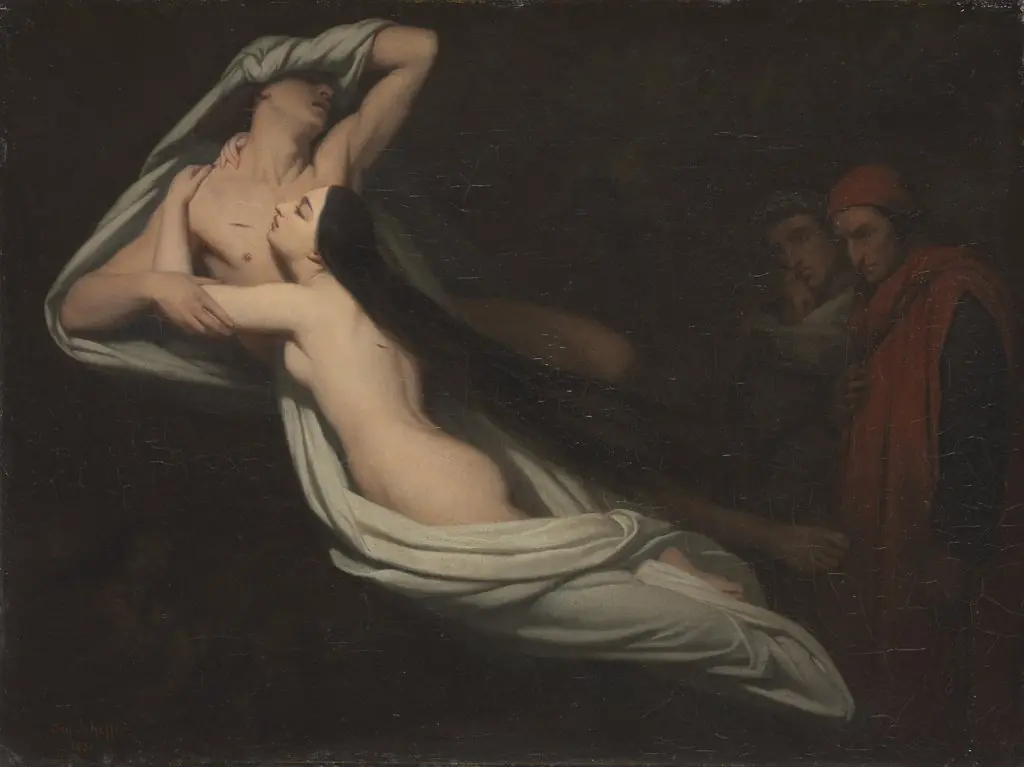 Dante and Virgil Meeting the Shades of Francesca da Rimini and Paolo
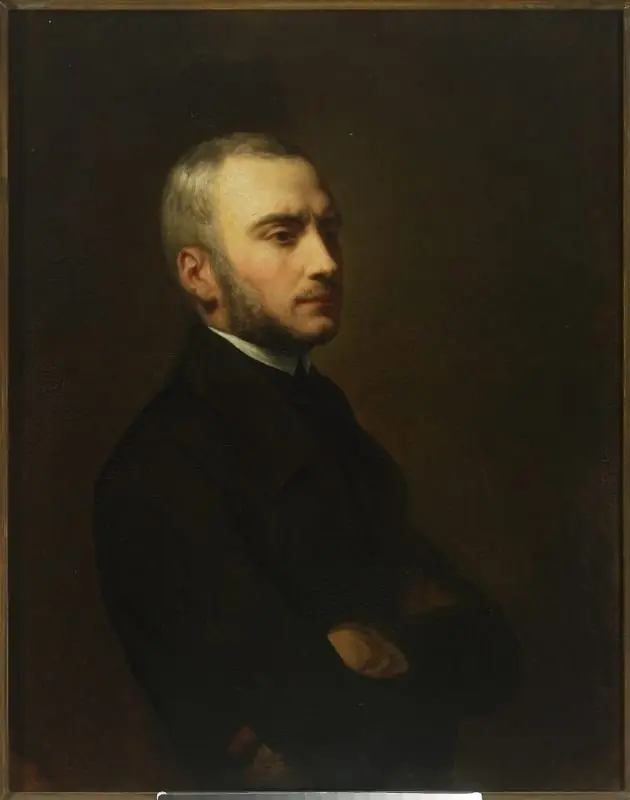 Portrait of Zygmunt Krasiński (1812–1859)
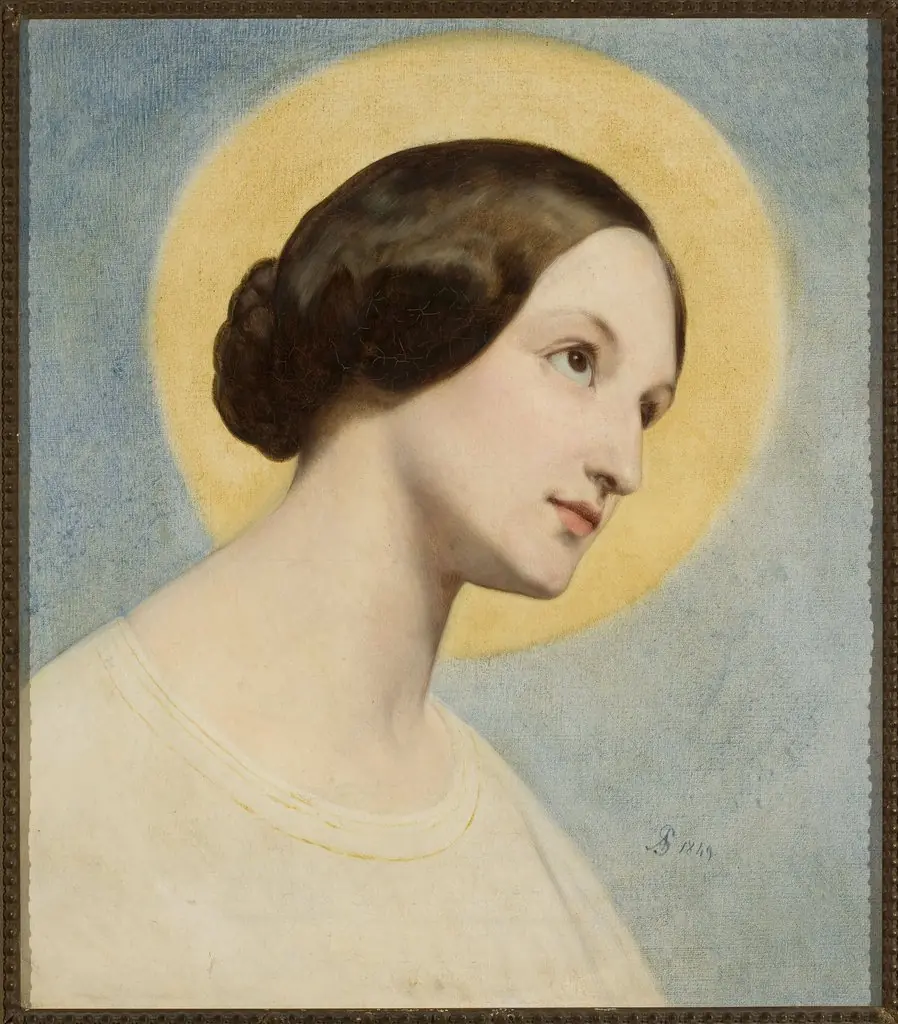 Portrait of Eliza Krasińska
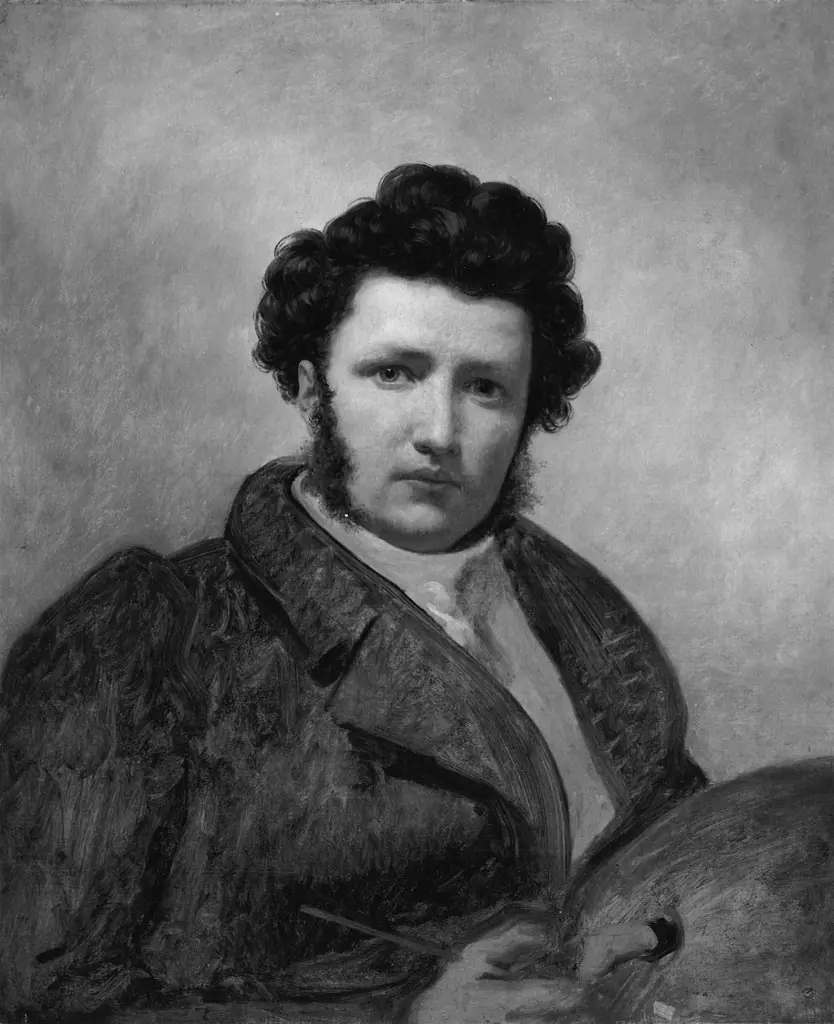 Portrait of an Artist
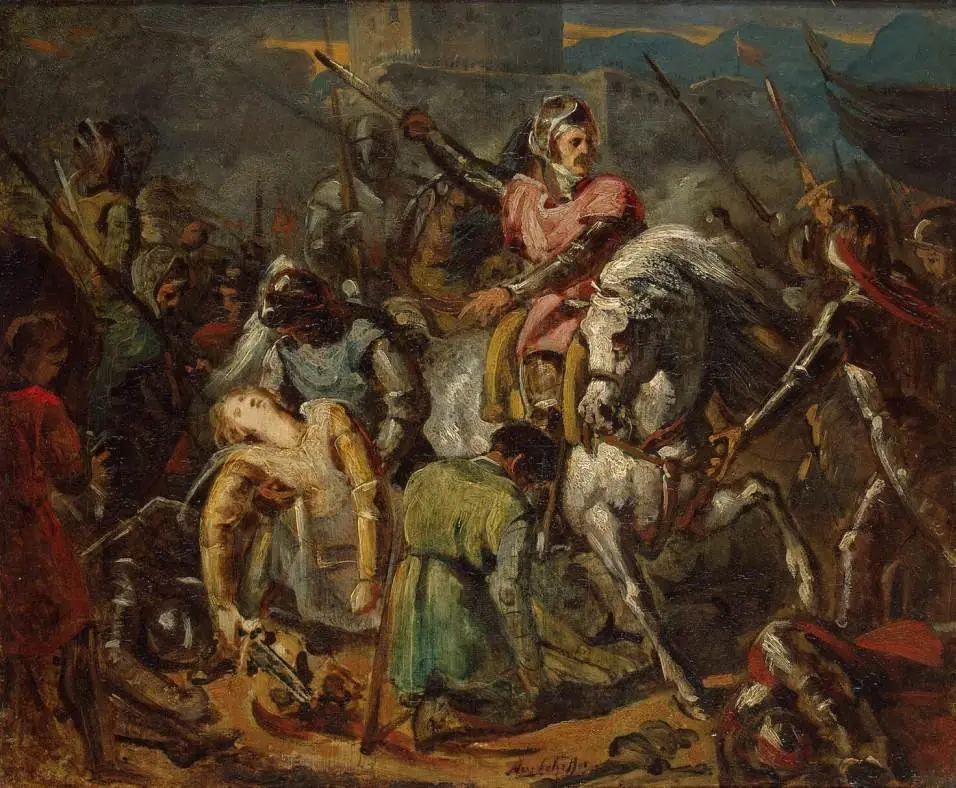 Death of Gaston de Foix in the Battle of Ravenna on 11 April 1512
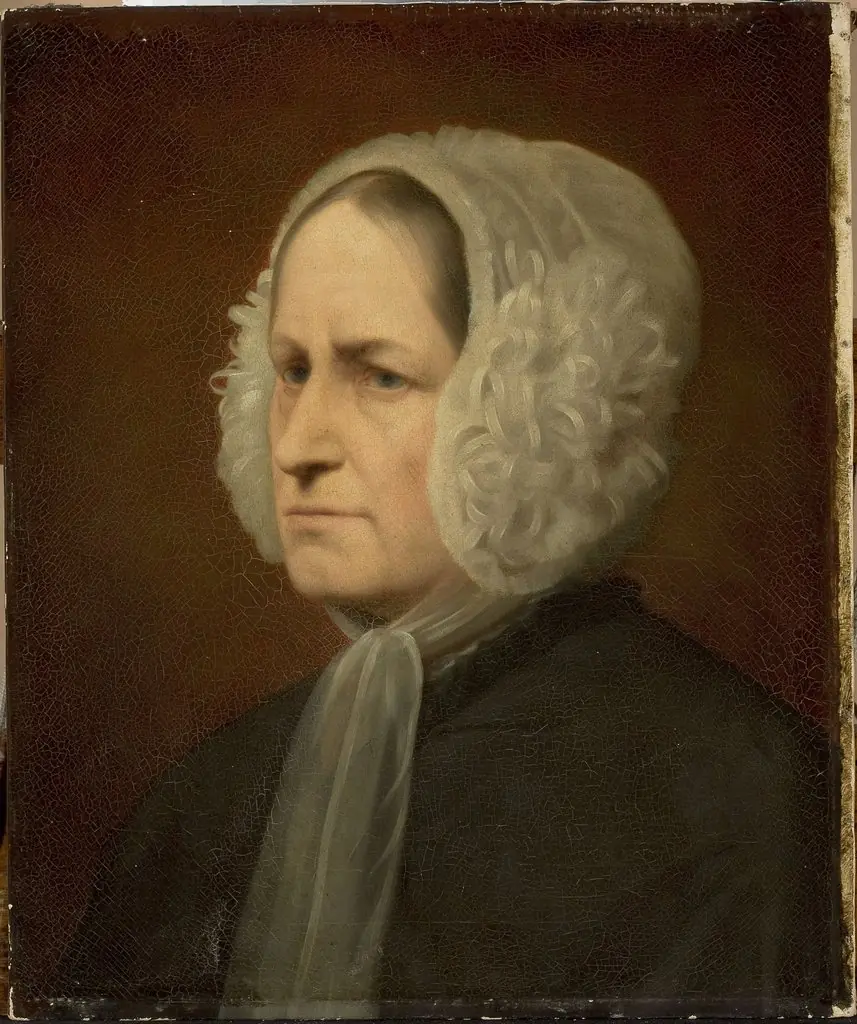 Portrait of Róża Branicka
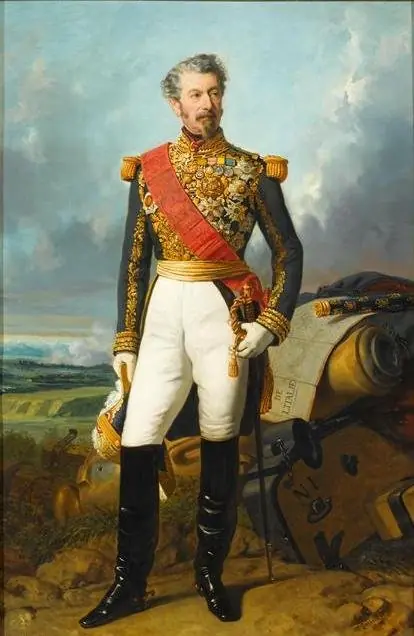 Adolphe Niel, maréchal de France (1802-1869)
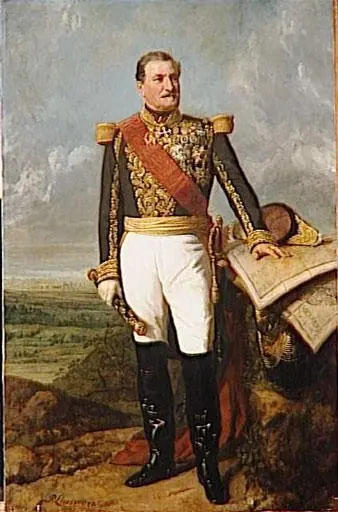 Elie-Frédéric Forey, Marshal
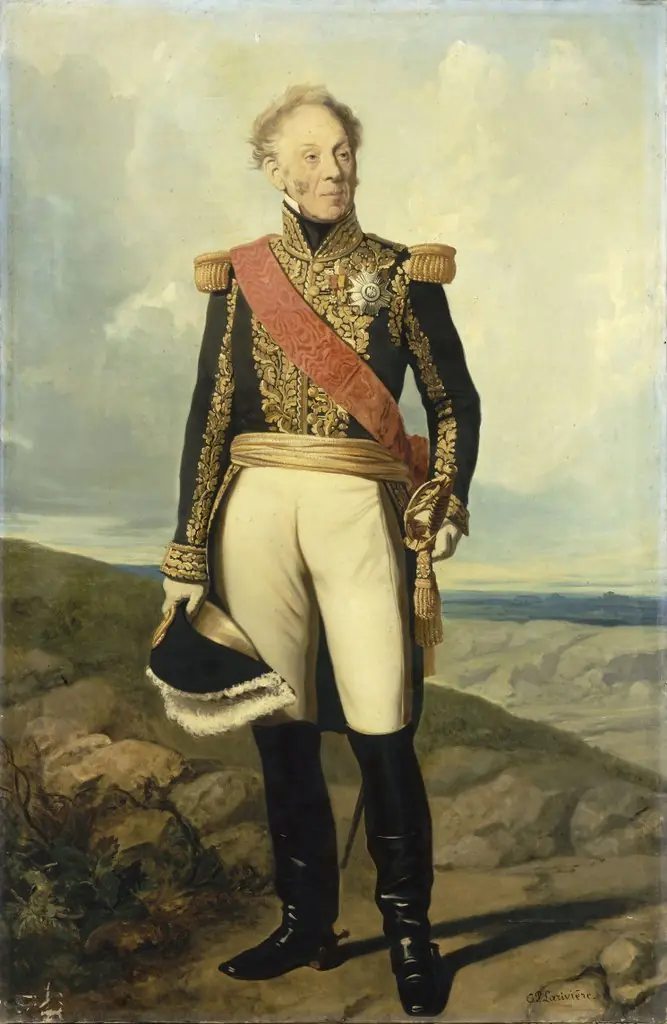 Porträt des Rémi Joseph Isidore Exelmans, Marechal De France (1775-1852)
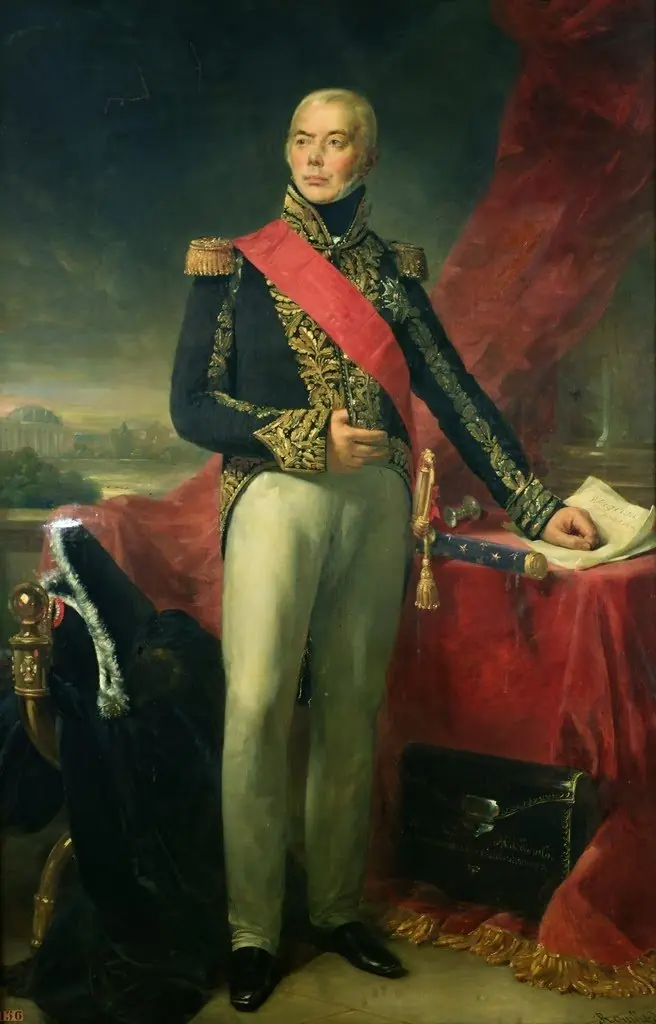 Etienne-Joseph-Jacques-Alexandre MacDonald, Duke of Taranto, Marshal of France (1765-1840)
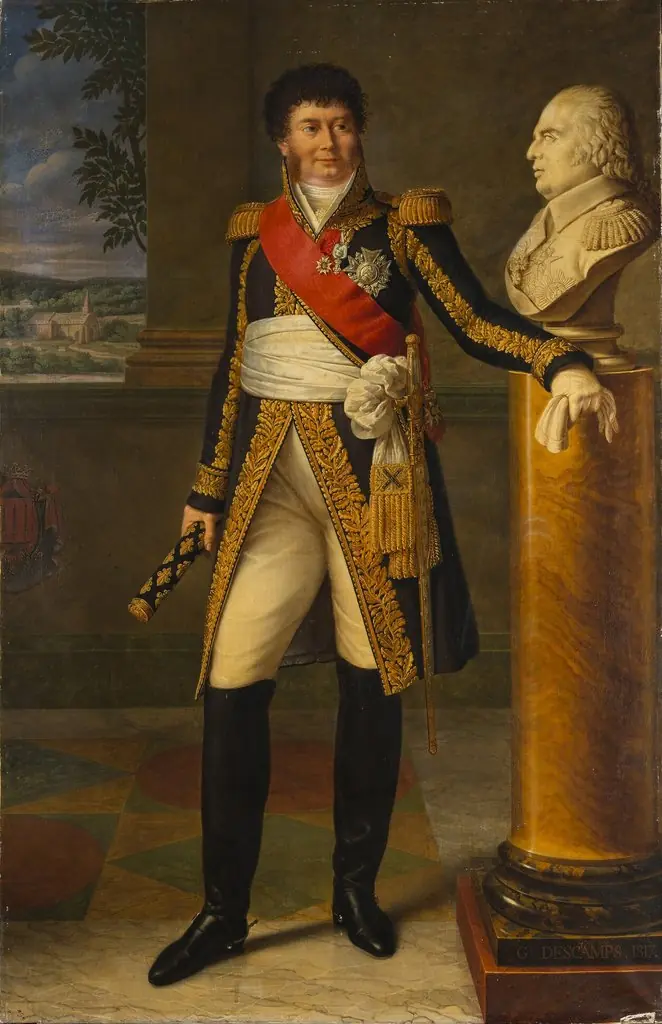 Henri-Jacques-Guillaume Clarke, Count of Hunebourg, Duke of Feltre, Marshal of France (1765-1818)
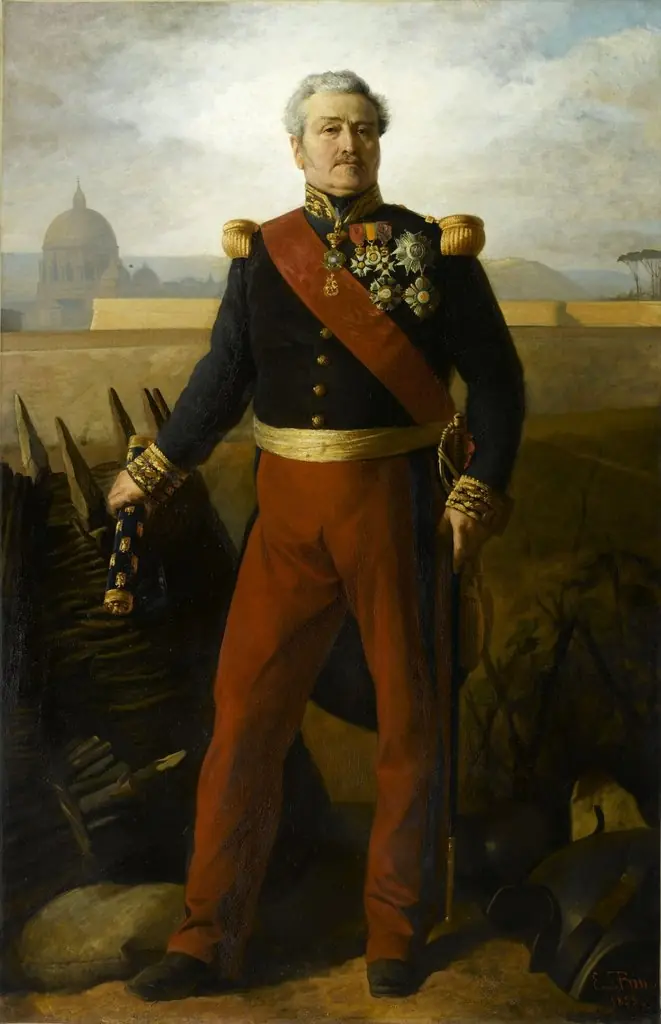 Jean-Baptiste-Philibert Vaillant, Marshal of France
 Le maréchal André Masséna (1758-1817), duc de Rivoli et prince d'Essling.
 Albin-Reine, baron Roussin, admiral of France
 Portrait de Louis Nicolas Davout
 Prince Ferdinand Philippe of Orléans, Duke of Orléans
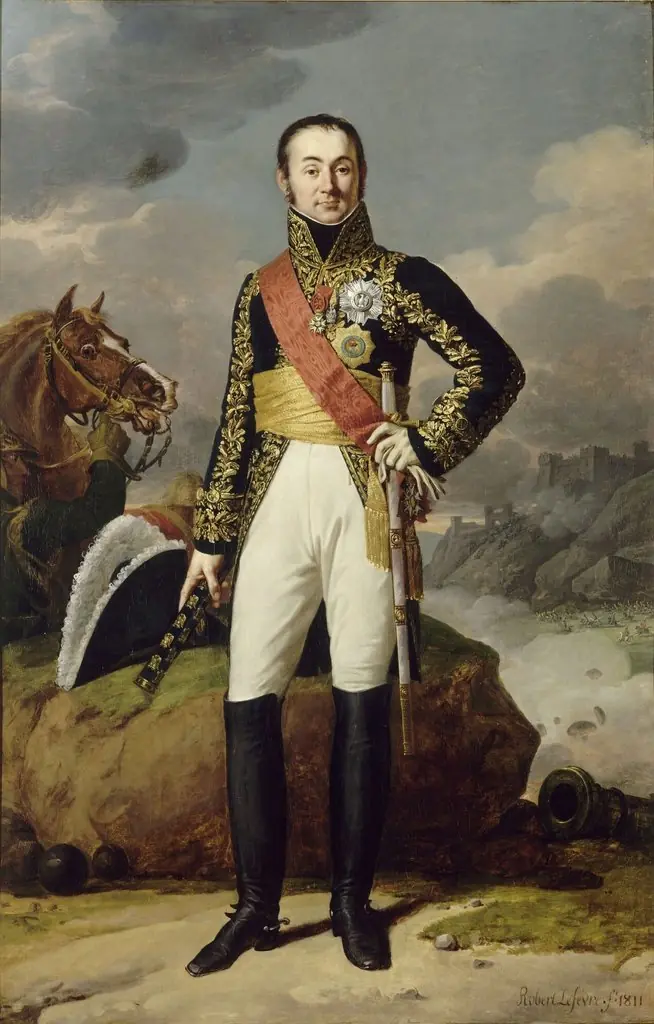 Nicolas-Charles Oudinot, Duke of Reggio, Marshal of France (1767-1847)
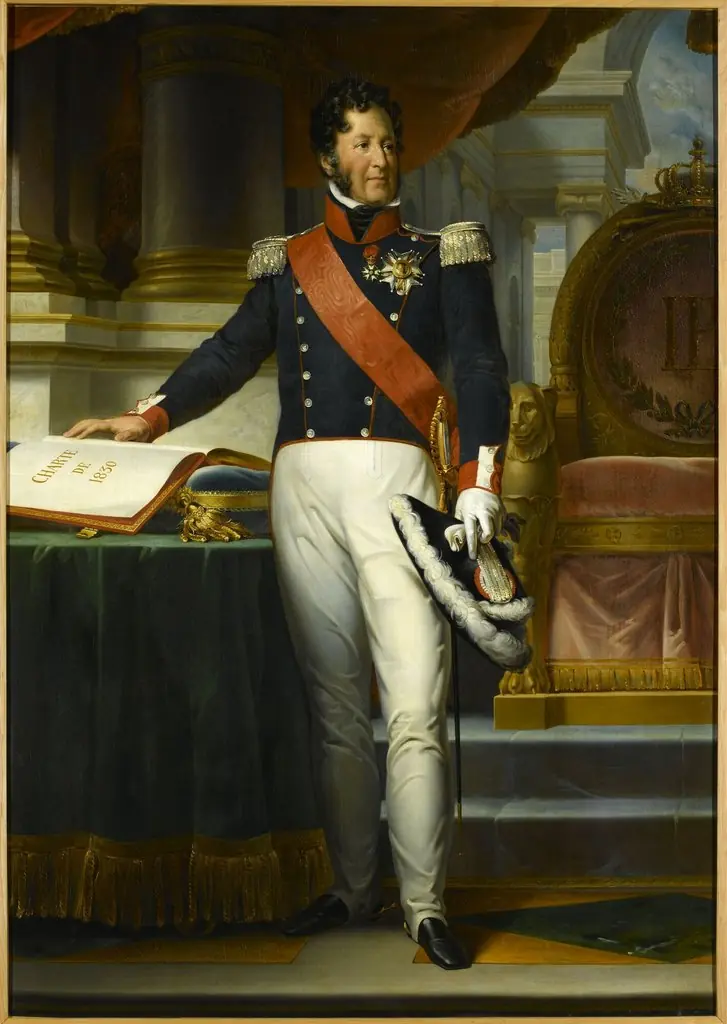 Portrait of Louis Philippe I