Artwork
Teeriä puunlatvassa
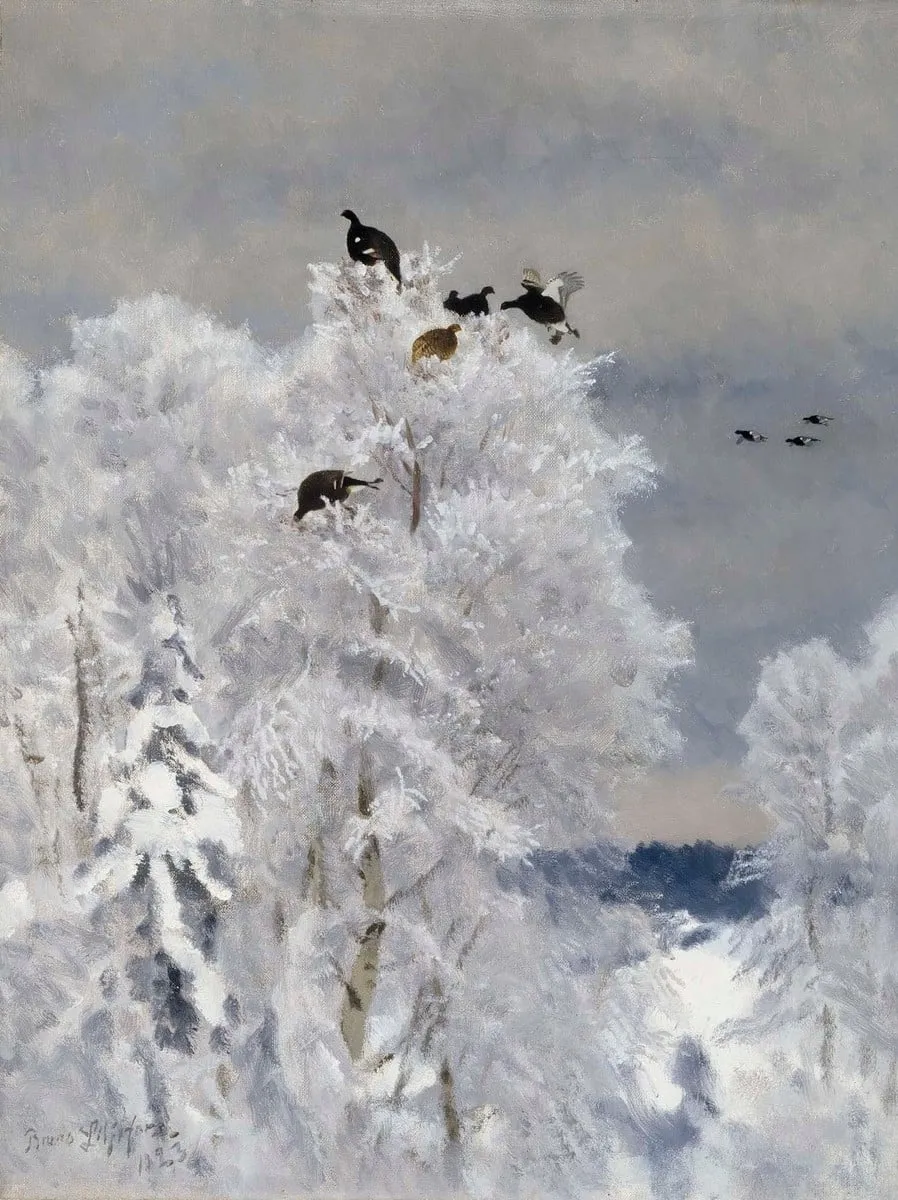
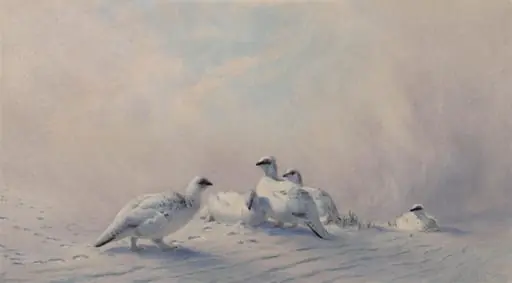
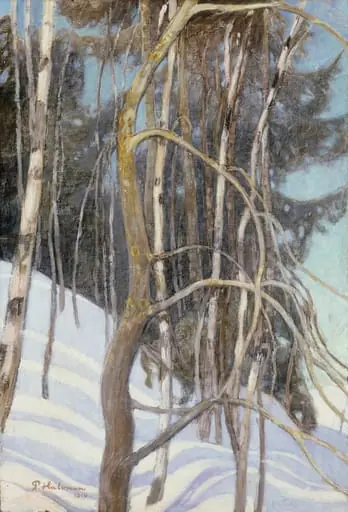
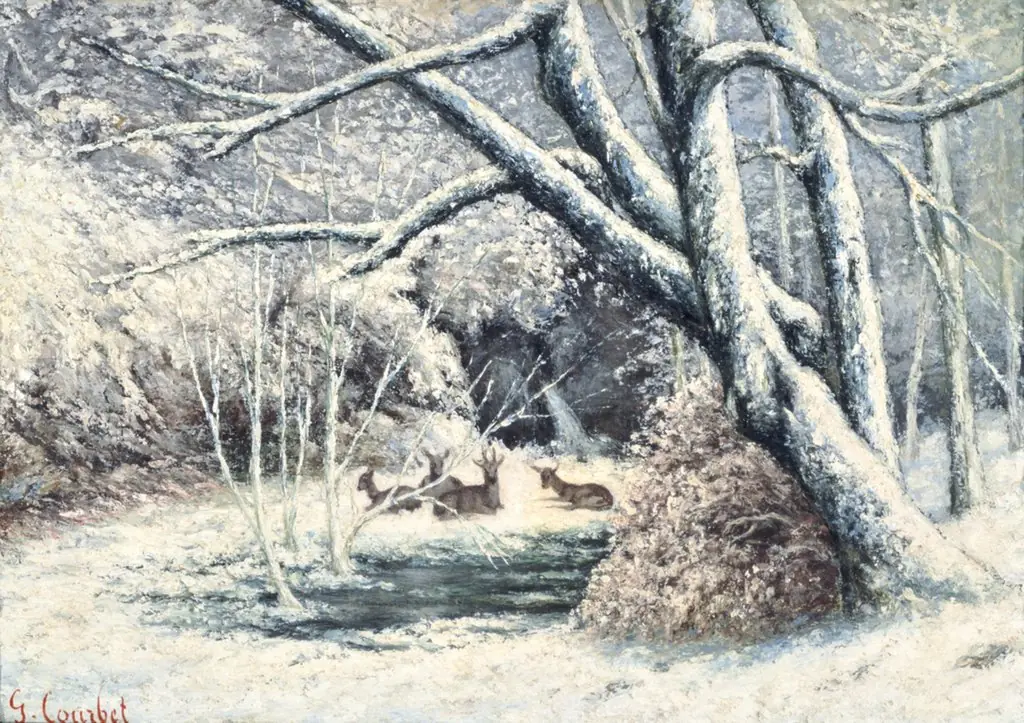
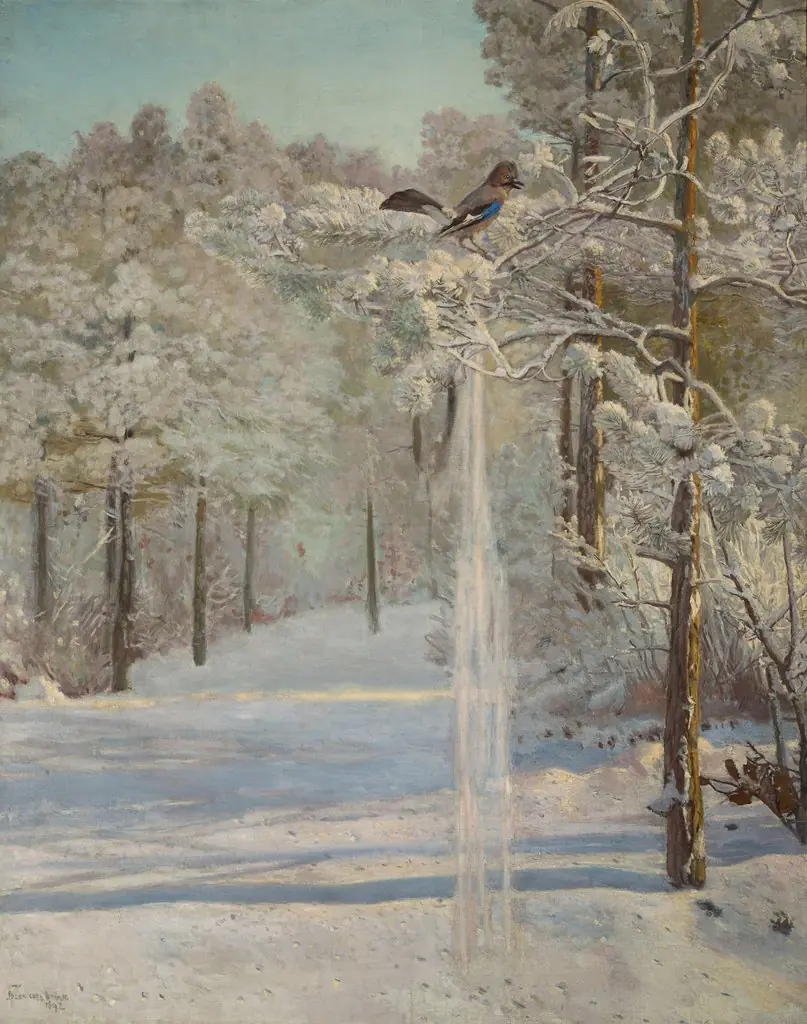
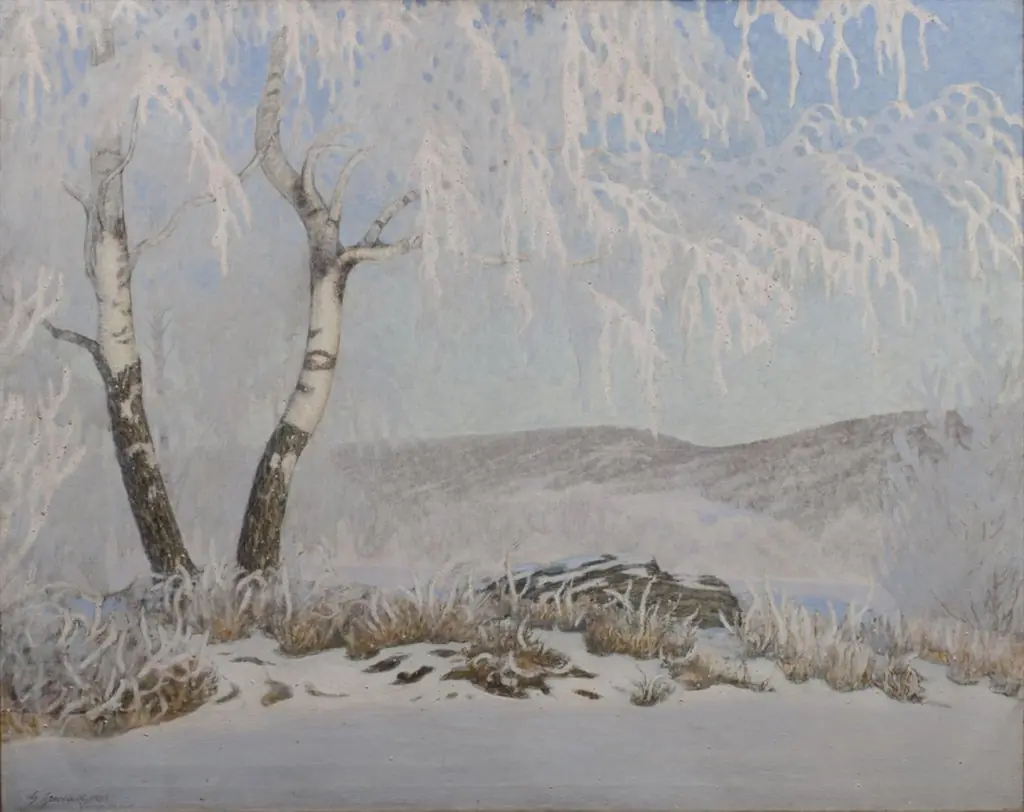
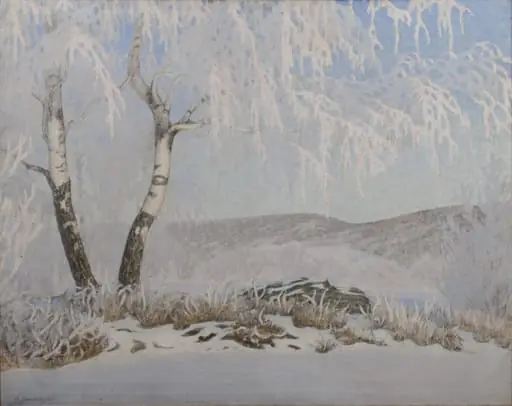
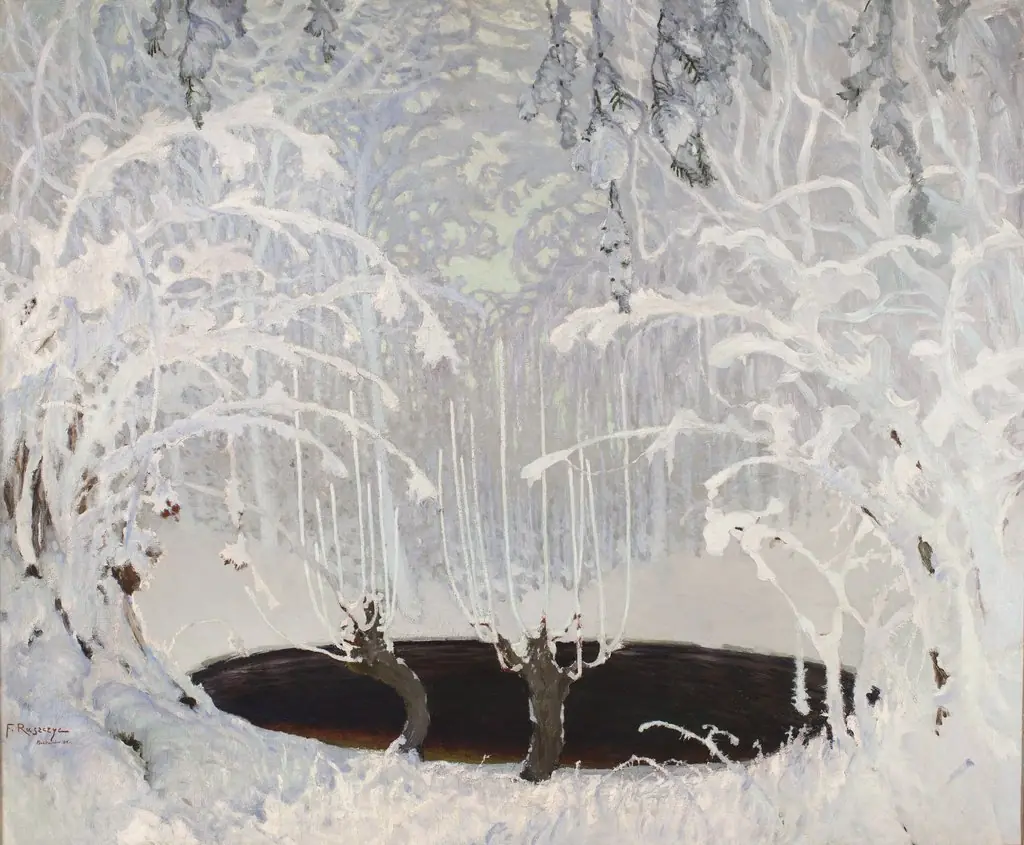
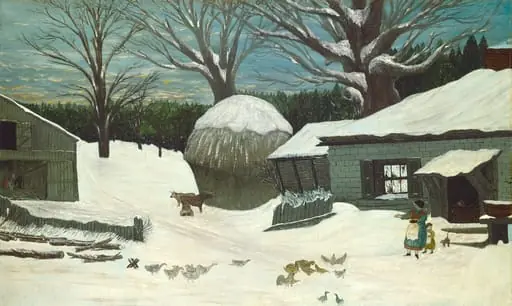
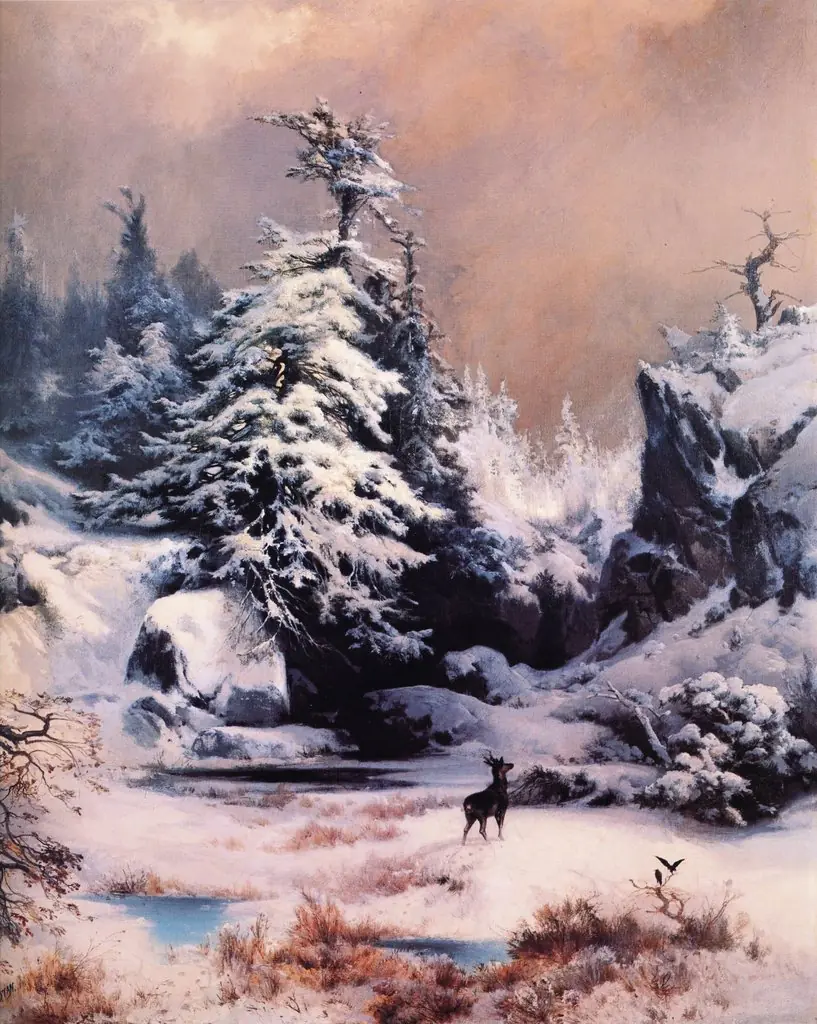
Teeriä puunlatvassa is an unspecified painting by Bruno Liljefors. It is held in the collection of the Finnish National Gallery. This painting depicts a quiet winter scene with a cluster of birds resting in the bare, snow-laden branches of a tree.
About this work
Overview
Rendered in a restrained palette of grays and whites, the work conveys stillness through its muted tones and precise rendering.
This painting depicts a quiet winter scene with a cluster of birds resting in the bare, snow-laden branches of a tree. Rendered in a restrained palette of grays and whites, the work conveys stillness through its muted tones and precise rendering. The presence of a single white bird among darker ones introduces subtle contrast without disrupting the overall calm. The background fades into indistinct trees and a uniform sky, deepening the sense of solitude.
Subject & Meaning
The birds, mostly dark against the snow, suggest a momentary pause in their natural movement, evoking themes of rest and resilience in winter. The solitary white bird may imply individuality or rarity within a collective, though no symbolic narrative is explicitly documented. The scene avoids human presence, focusing instead on nature’s quiet endurance, aligning with observational traditions in Nordic naturalist art.
Technique & Style
The artist employs a realistic approach with fine brushwork to capture the texture of snow on branches and the individual feathers of each bird. Color is deliberately limited to cool grays, off-whites, and subtle blacks, enhancing the wintry atmosphere. The composition is balanced but not symmetrical, with birds distributed naturally across the tree’s limbs, reinforcing observational authenticity over formal arrangement.
History & Provenance
The painting resides in the collection of the Museum of Ethnography, suggesting its acquisition may relate to cultural or regional documentation rather than fine art categorization. Its origin and creator remain unattributed in available records, though its style aligns with late 19th- to early 20th-century Nordic nature studies. No documented exhibition or ownership history beyond its current location is known.
Context
Created during a period when Nordic artists increasingly turned to local landscapes and wildlife as subjects, this work reflects a broader interest in depicting nature without romanticism. Its quiet realism contrasts with more dramatic Romantic or Symbolist trends of the era, instead favoring understated observation. Such works often served ethnographic or educational purposes, documenting regional flora and fauna.
Legacy
Though not widely reproduced or publicly celebrated, the painting contributes to a quieter strand of Nordic visual culture focused on seasonal change and avian life. Its preservation in an ethnographic museum underscores its role as a record of natural observation rather than artistic innovation. It remains a quiet testament to the aesthetic value found in ordinary, unadorned moments of the natural world.
Artist & collection
Artist
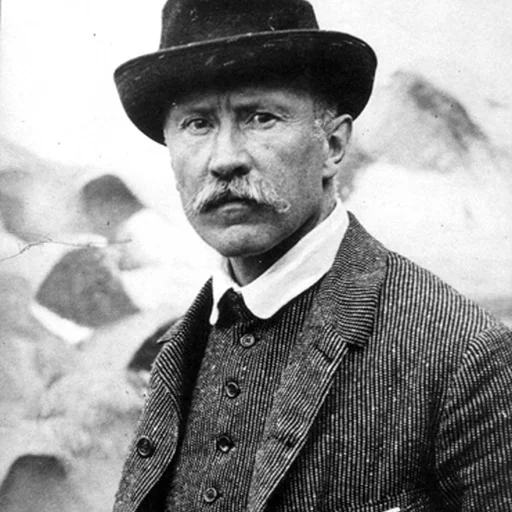
Bruno Andreas Liljefors (Swedish pronunciation: ; 14 May 1860 – 18 December 1939) was a Swedish artist.