Artwork
An Elegant Young Woman in Maltese Costume
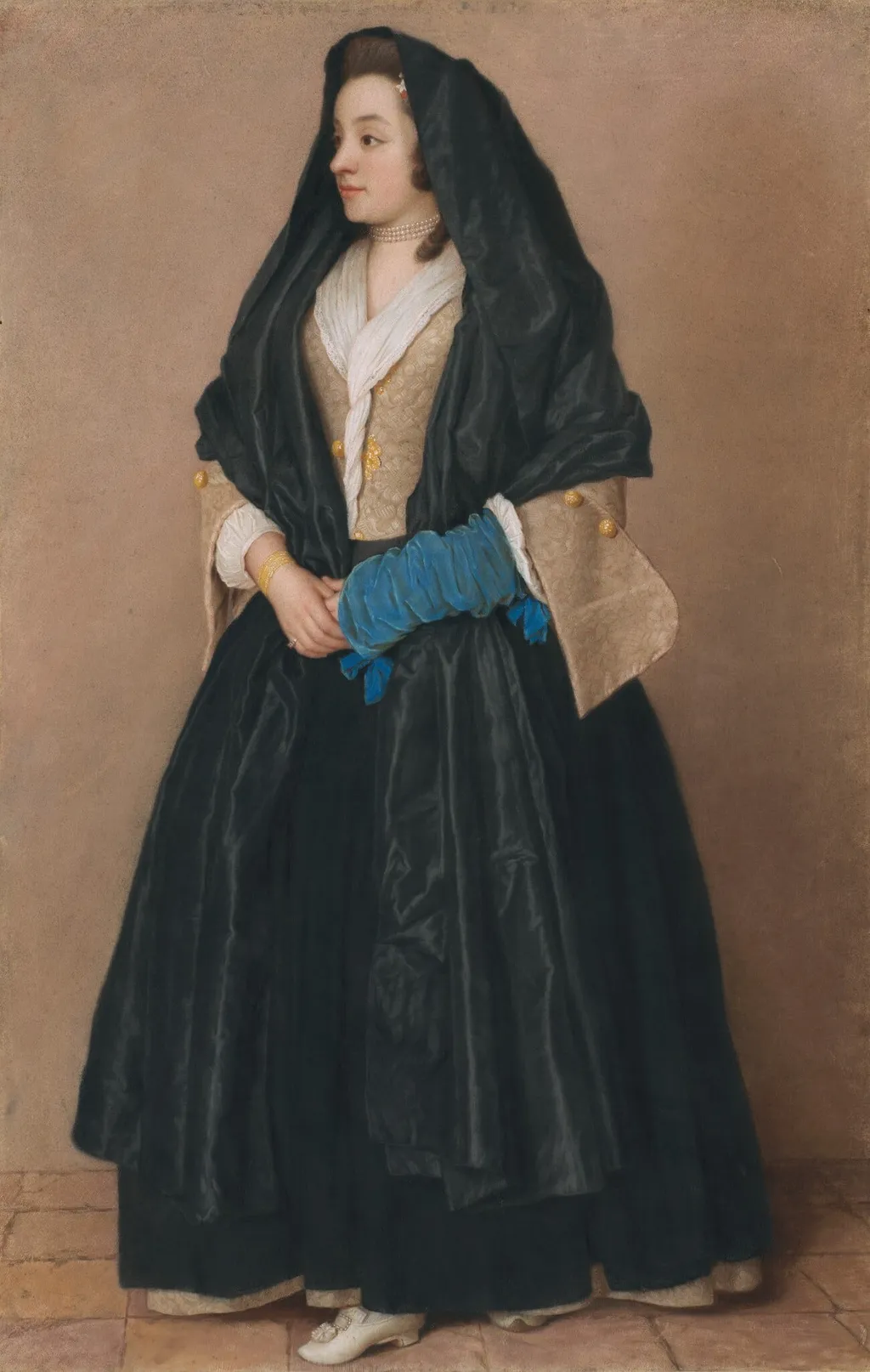
An Elegant Young Woman in Maltese Costume is a pastel drawing by the Baroque artist Jean-Étienne Liotard. It dates from 1744 and is held in the collection of the National Gallery of Art.
About this work
This painting is a portrait titled An Elegant Young Woman in Maltese Costume.
It was created by Liotard, Jean-Étienne around 1744.
The artist used pastel with touches of white gouache on parchment, which is an interesting medium for a portrait.
This technique allows for soft, delicate details.
You can learn more about the technique used in this painting by looking up pastel.
Overview
The choice of parchment, a fragile and luminous support, reflects the artist’s interest in delicate surfaces and refined execution.
Created around 1744, this portrait depicts a young woman dressed in Maltese attire, rendered in pastel with selective white gouache on parchment stretched over wood. The choice of parchment, a fragile and luminous support, reflects the artist’s interest in delicate surfaces and refined execution. Unlike oil on canvas, this medium allowed for subtle tonal transitions and a tactile immediacy suited to intimate portraiture.
Subject & Meaning
The sitter is portrayed in traditional Maltese dress, suggesting a connection to the island’s culture, possibly acquired during Liotard’s travels in the Mediterranean. Her composed posture and modest adornments convey dignity rather than theatricality. The costume may indicate her social standing or the artist’s fascination with regional dress, but no definitive identity has been established, leaving the portrait open to interpretation as a study of cultural observation.
Technique & Style
Liotard employed pastel for its softness and ability to capture fine textures—fabric, skin, and hair—with minimal blending. White gouache was sparingly applied to highlight lace, embroidery, and the sheen of silk, adding luminosity without obscuring the parchment’s natural warmth. The restrained palette and precise lines reflect a commitment to realism, avoiding idealization in favor of observed detail and quiet presence.
History & Provenance
The work emerged during Liotard’s time in Malta, where he spent several years documenting local customs and portraiture. It likely entered private collections in Europe after his return to Switzerland, passing through several hands before being acquired by a public institution. Its survival in good condition is notable, given the fragility of pastel on parchment, suggesting careful handling and preservation over centuries.
Context
In the mid-18th century, European artists increasingly turned to ethnographic subjects as travel became more accessible. Liotard’s focus on Maltese costume aligns with broader interests in regional dress and cultural authenticity, contrasting with the grandeur of court portraiture. His approach was part of a quieter, more observational trend in drawing, valued for its precision over spectacle.
Legacy
This work exemplifies Liotard’s reputation for technical mastery in pastel and his dedication to truthful representation. While not widely known among the public, it remains a key example of 18th-century portrait drawing that prioritized material fidelity and cultural specificity. It continues to inform studies on the use of non-traditional supports and the role of regional dress in European art.
Artist & collection


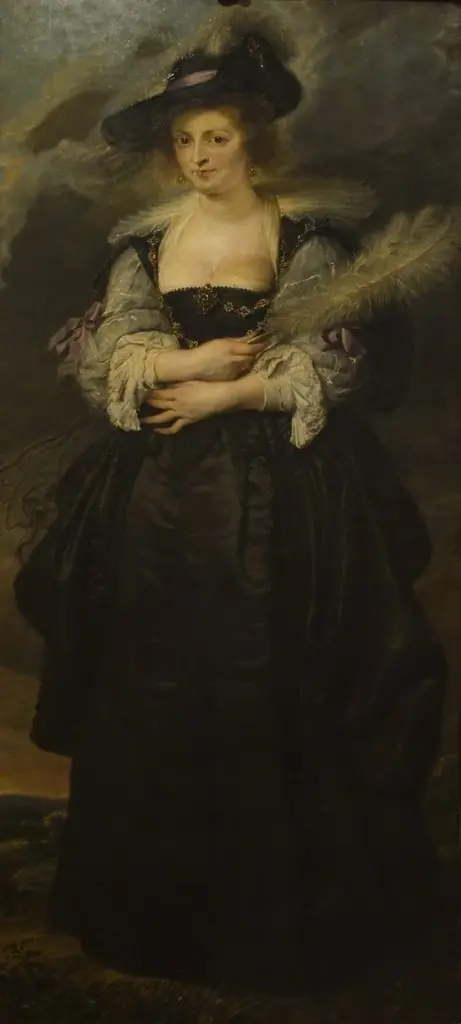 Portrait of Helena Fourment
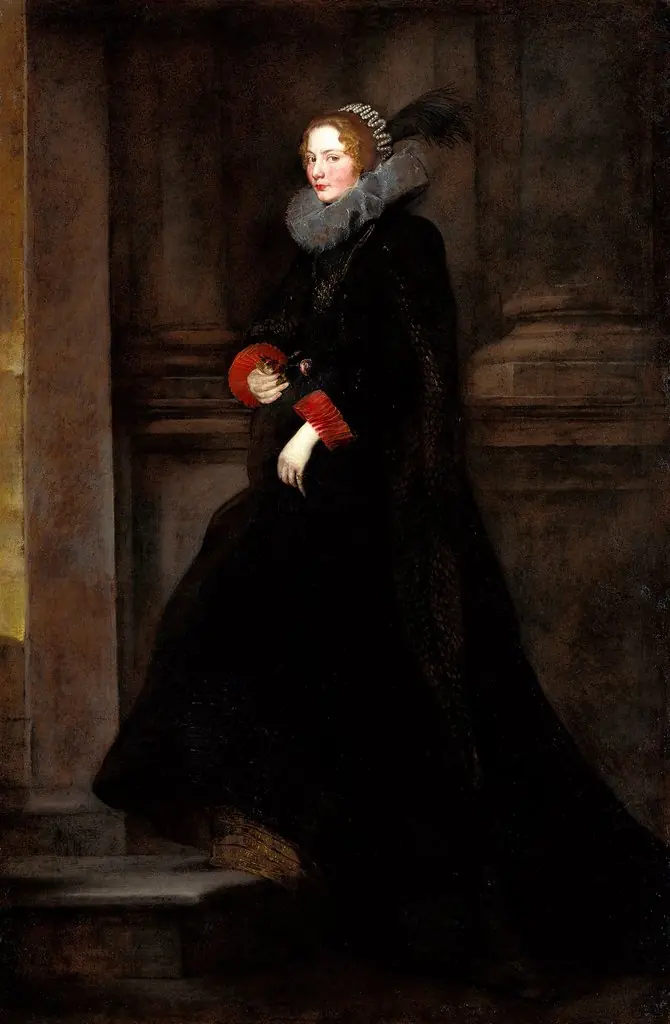 Portrait of Marchesa Geronima Spinola
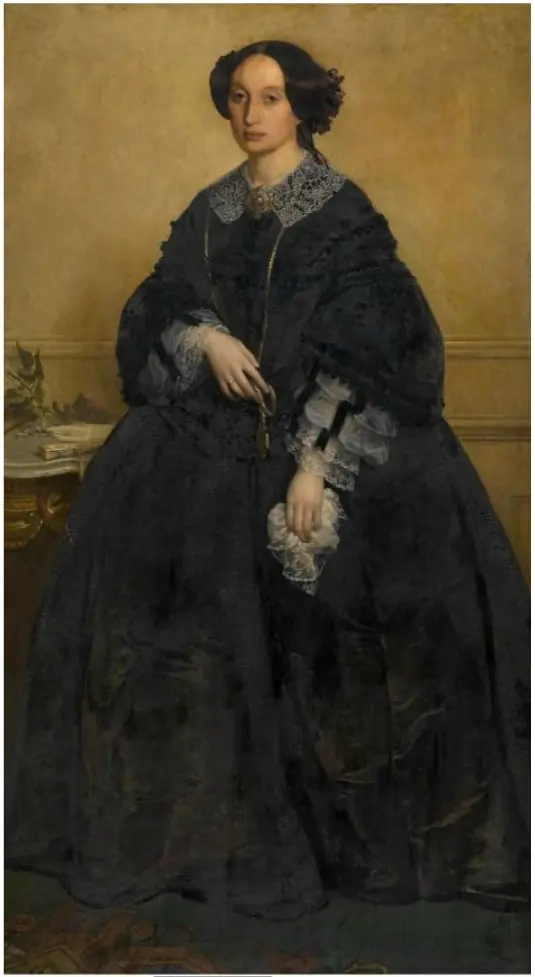 Mrs. Henri Leys-Van Haren
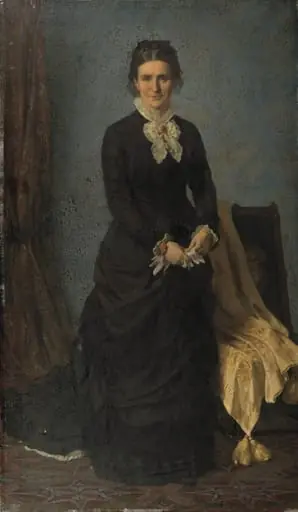 Kammerherreinde Caroline Amalie Meldahl, f. Ræder
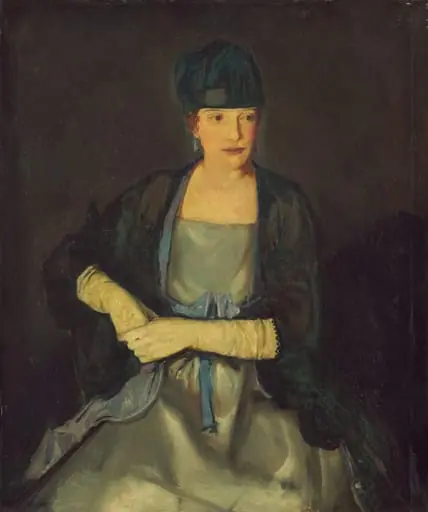 Maud Murray Dale (Mrs. Chester Dale)
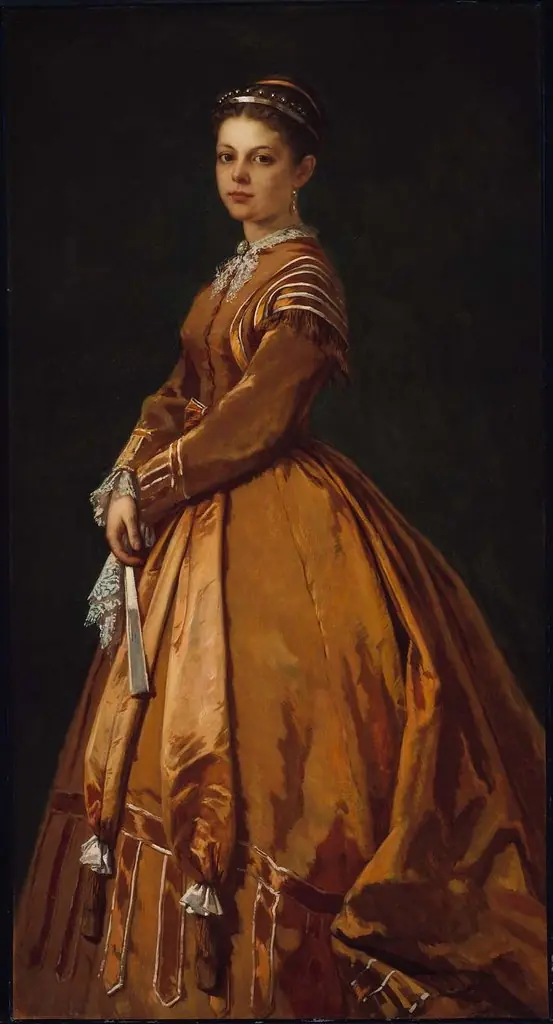 Olivia Buckminster Lothrop (Mrs. Lewis William Tappan, Jr.)
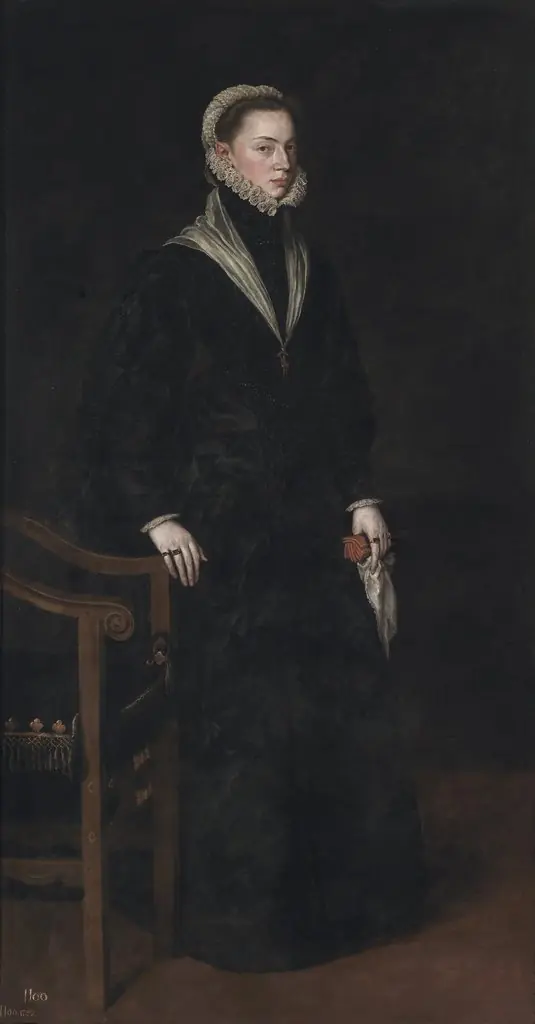 Joanna of Austria
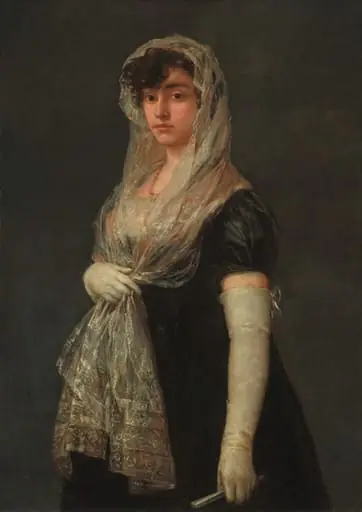 Young Lady Wearing a Mantilla and Basquina
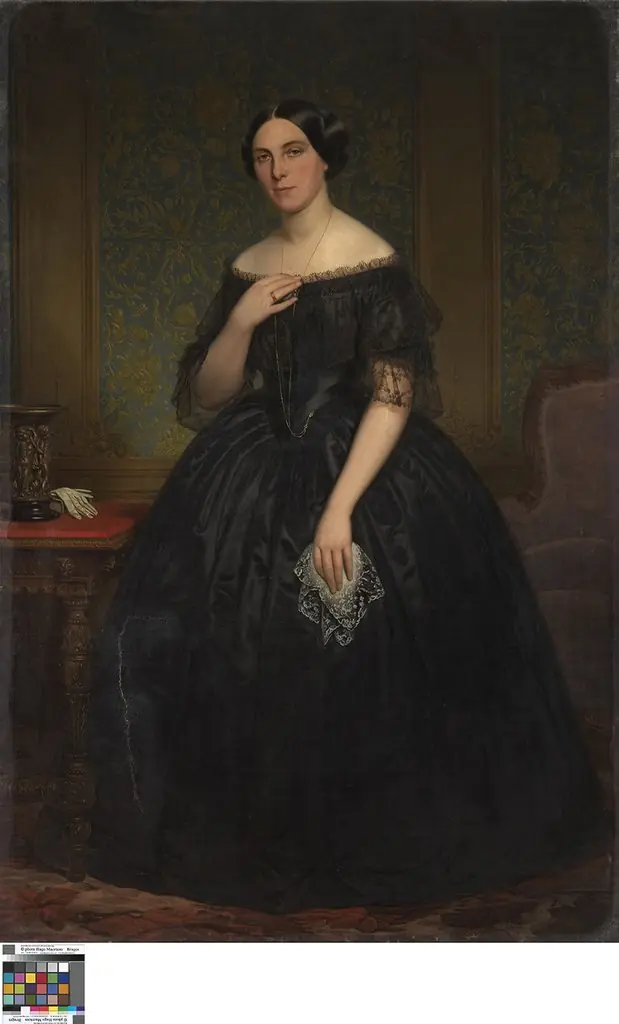 Portret van Beatrix van Herreweghe
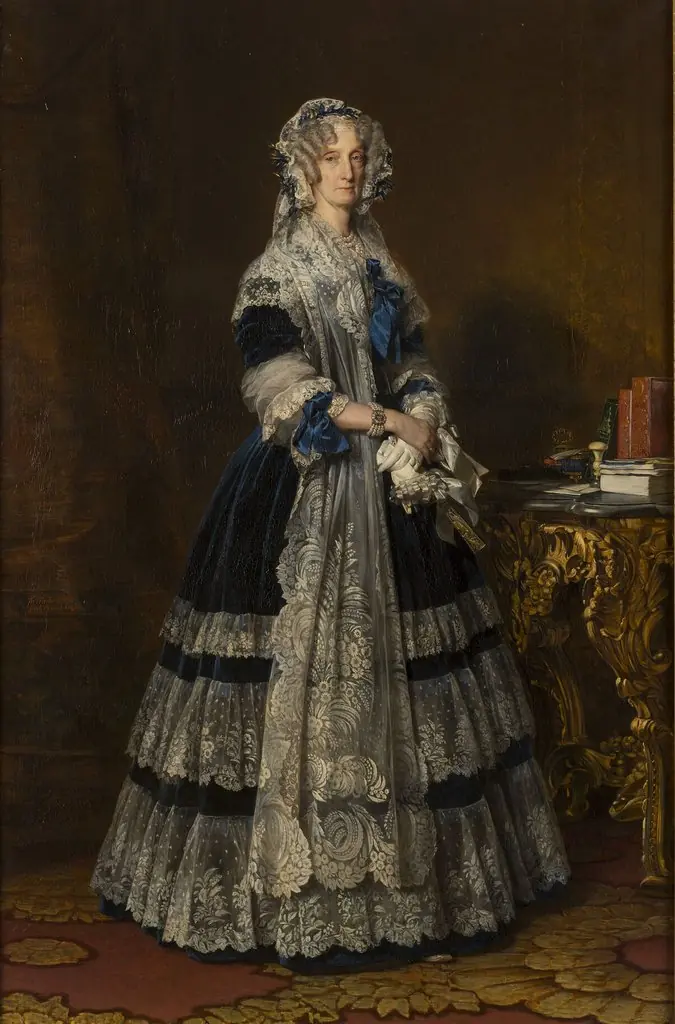 Maria Amalia of the Two Sicilies, Queen of the French
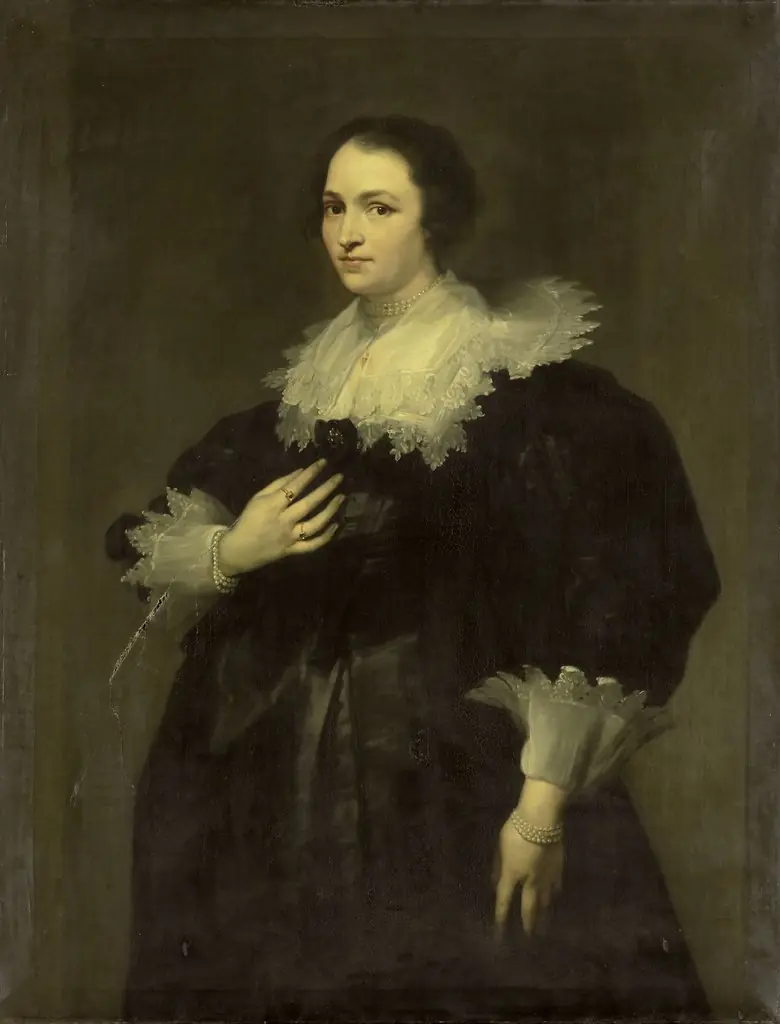 Wife of Sebastiaan Leerse
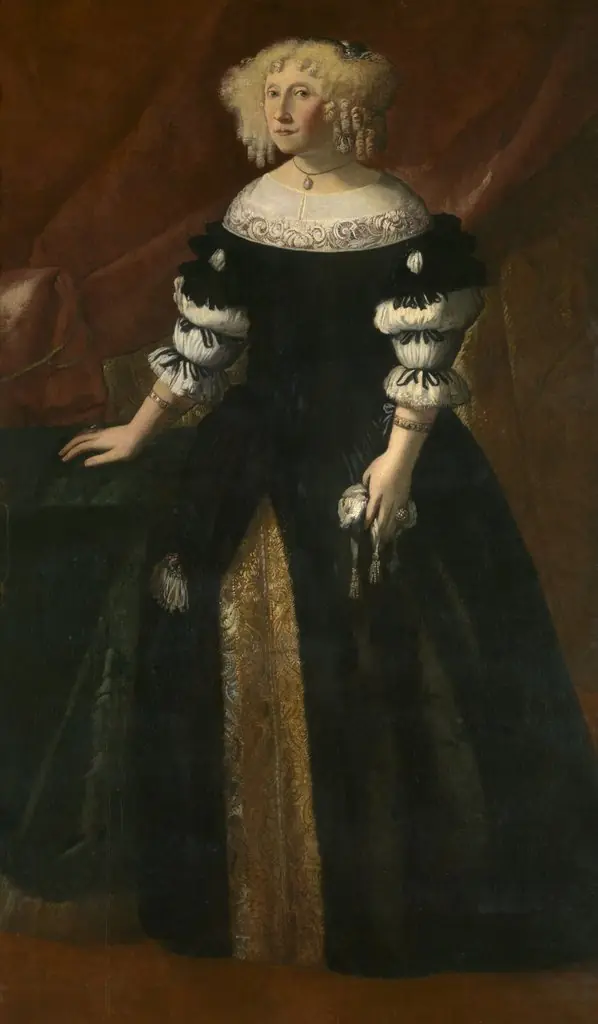 Portrait of a Woman