Artwork
Maria Amalia of the Two Sicilies, Queen of the French
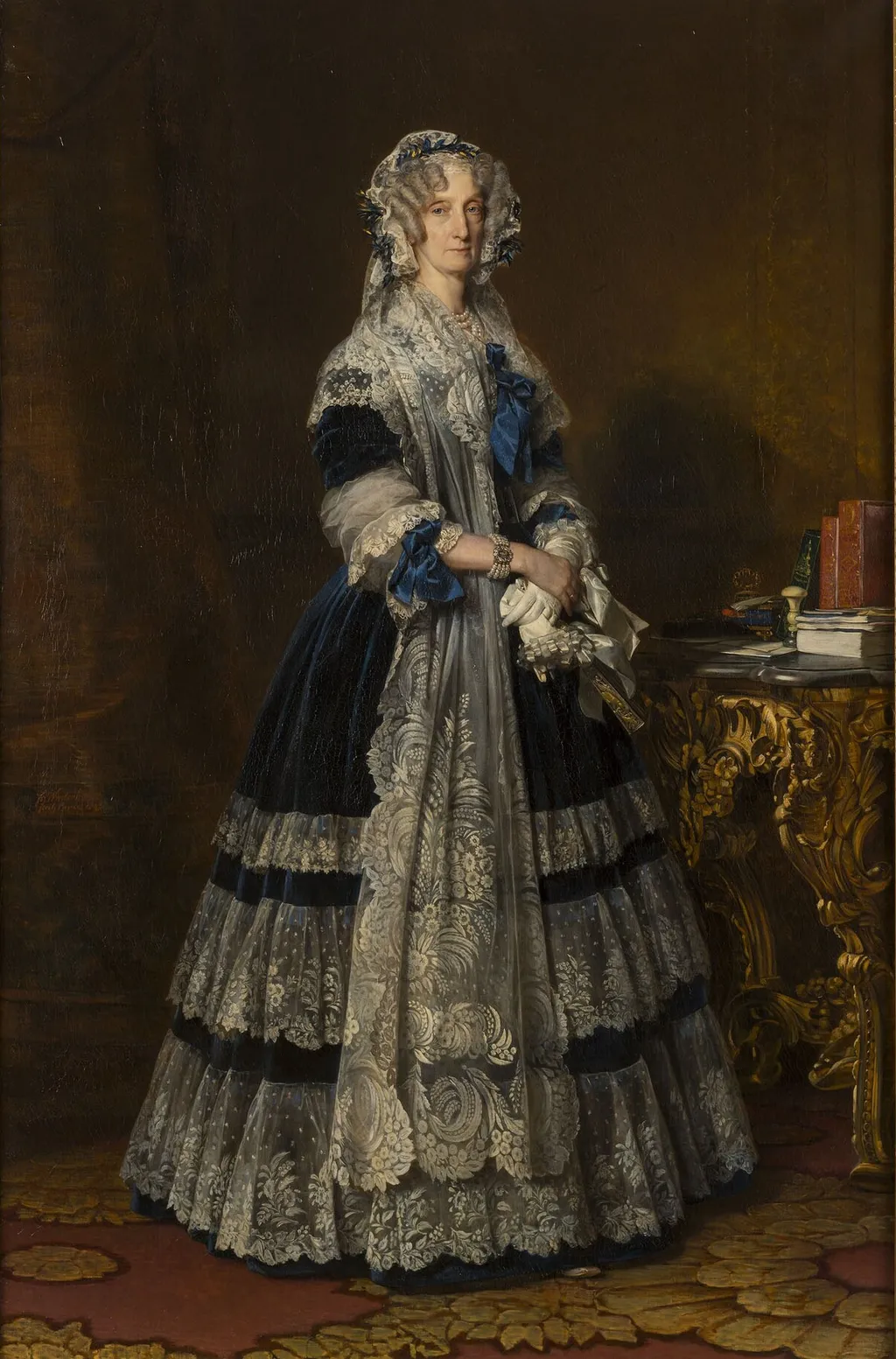
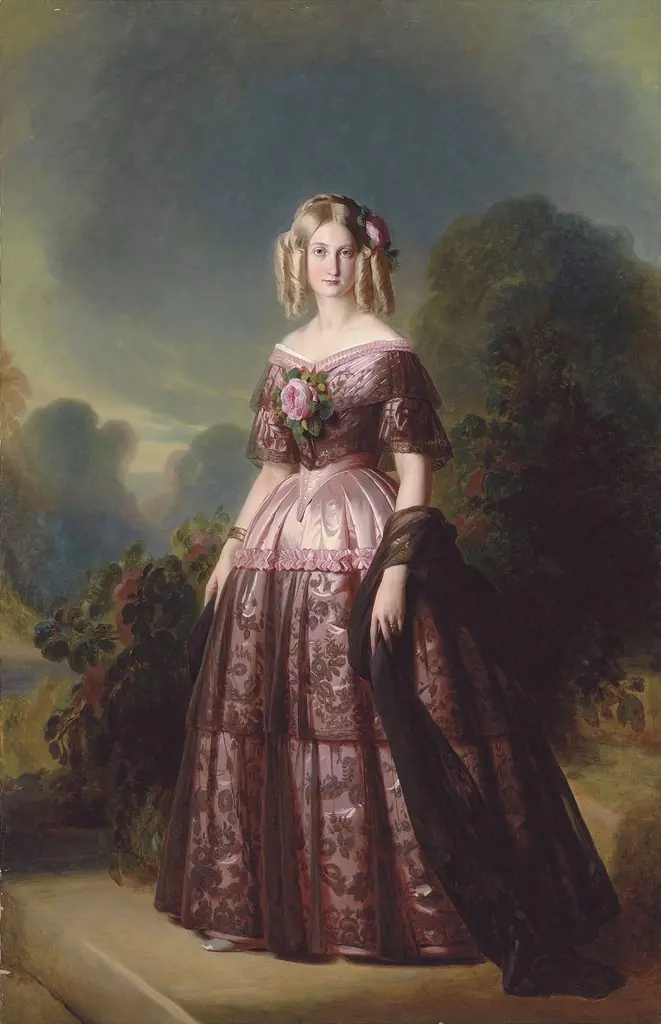
Maria Amalia of the Two Sicilies, Queen of the French is an oil painting by Franz Xaver Winterhalter. It dates from 1842 and is held in the collection of the Museum of the History of France.
About this work
Overview
Franz Xaver Winterhalter painted this oil portrait in 1842, presenting Maria Amalia of the Two Sicilies, who later became queen consort of France. The work is part of the collection at the Palace of Versailles and exemplifies Winterhalter’s courtly portraiture for European royalty.
Subject & Meaning
The sitter is shown standing in a dimly lit interior, wearing a sumptuous blue dress trimmed with intricate silver lace. A delicate fan rests in her hand, while a small piece of jewelry—a bijou—adds a touch of personal adornment, reflecting the refined elegance expected of a queen.
Technique & Style
Winterhalter employs a restrained palette, allowing the luminous fabric and the subtle sheen of the lace to dominate the composition. The contrast between the dark background and the softly illuminated face draws attention to the queen’s serene expression, while the precise rendering of textures conveys both delicacy and formality.
History & Provenance
Completed shortly after Maria Amalia’s marriage into the French royal family, the portrait entered the royal collection and has remained at Versailles. Its presence there underscores the diplomatic ties between the Bourbon and Bourbon‑Two Sicilies dynasties during the early nineteenth century.
Context
The painting belongs to a series of Winterhalter’s royal commissions, created at a time when portraiture served as a visual affirmation of political alliances. The inclusion of a bijou and fan reflects contemporary fashions among aristocratic women, who used such accessories to signal status and taste.
Own this work as a print
Artist & collection
Artist
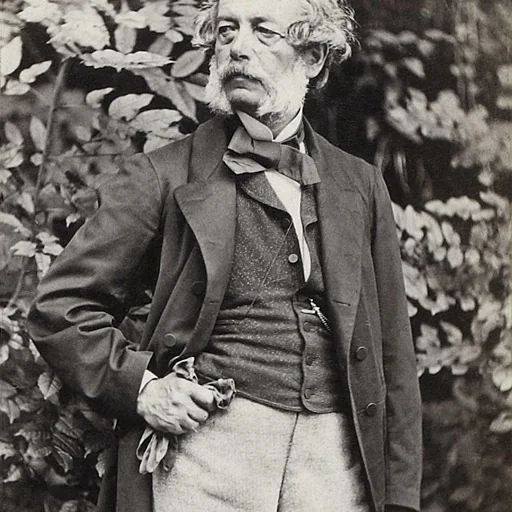
Franz Xaver Winterhalter (20 April 1805 – 8 July 1873) was a German painter and lithographer, known for his flattering portraits of royalty and upper-class society in the mid-19th century.

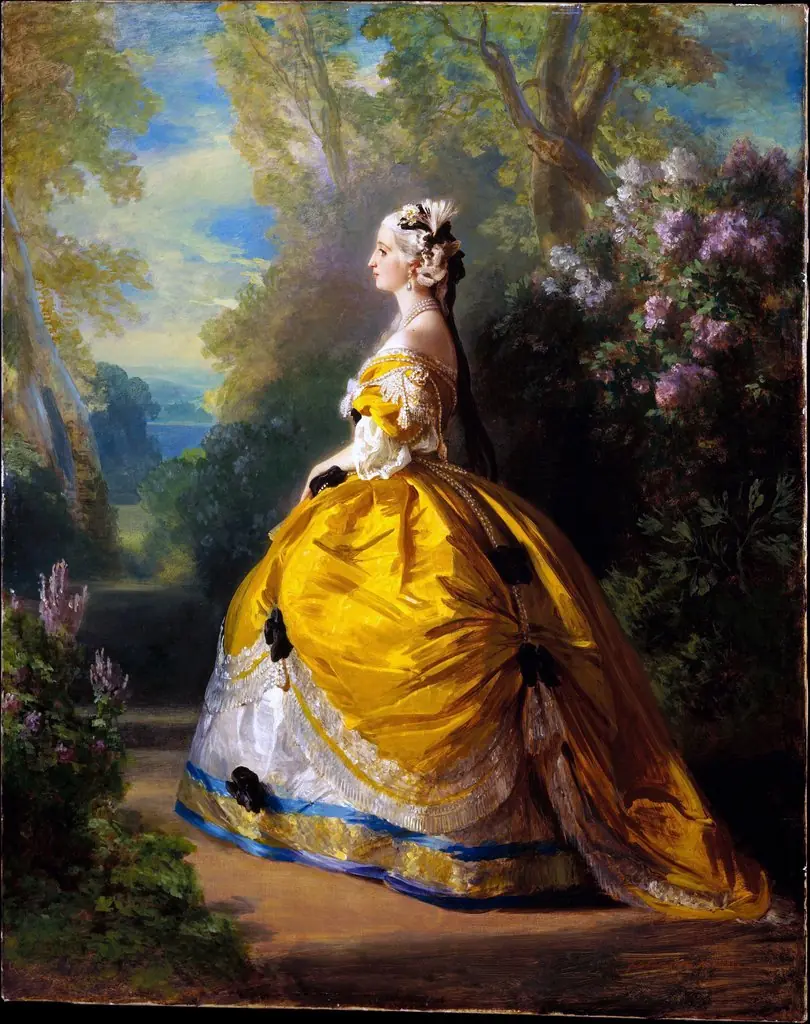 Portrait of Empress Eugénie de Montijo
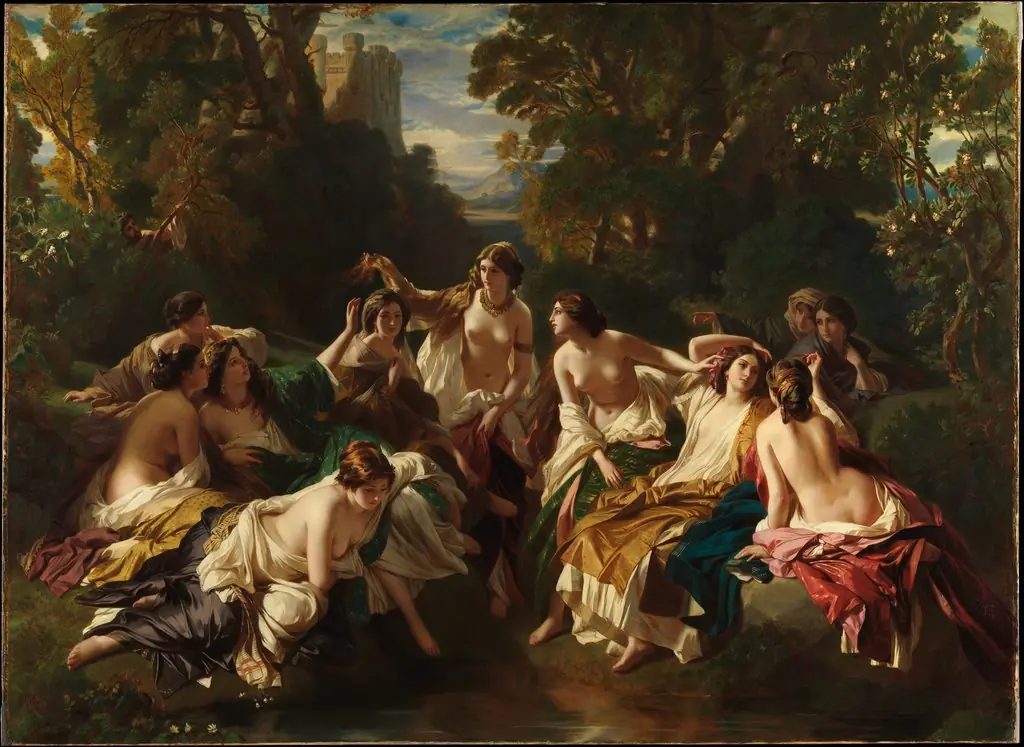 Florinda
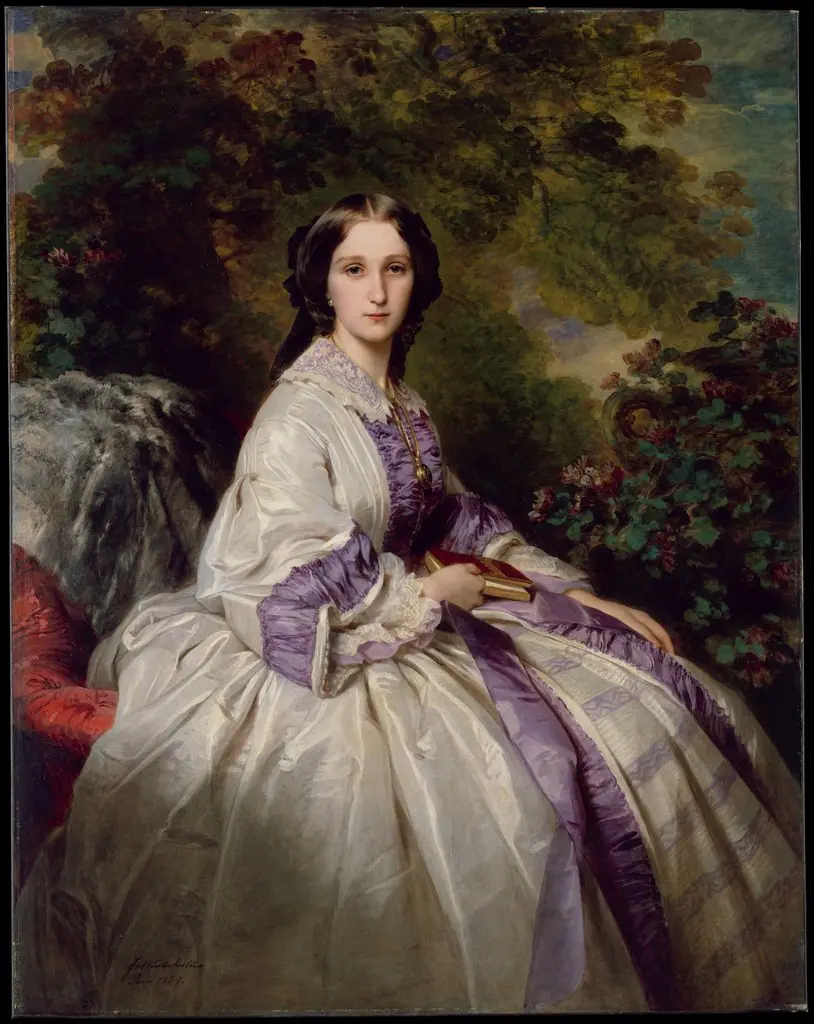 Portrait of Countess Alexander Nikolaevitch Lamsdorff
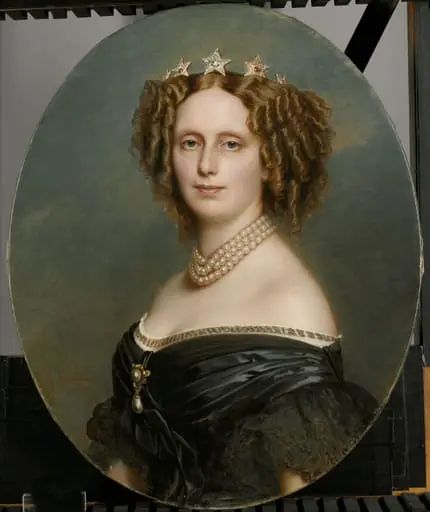 Portrait of Sophia Frederika Mathilda (1818-77), Princess of Württemberg
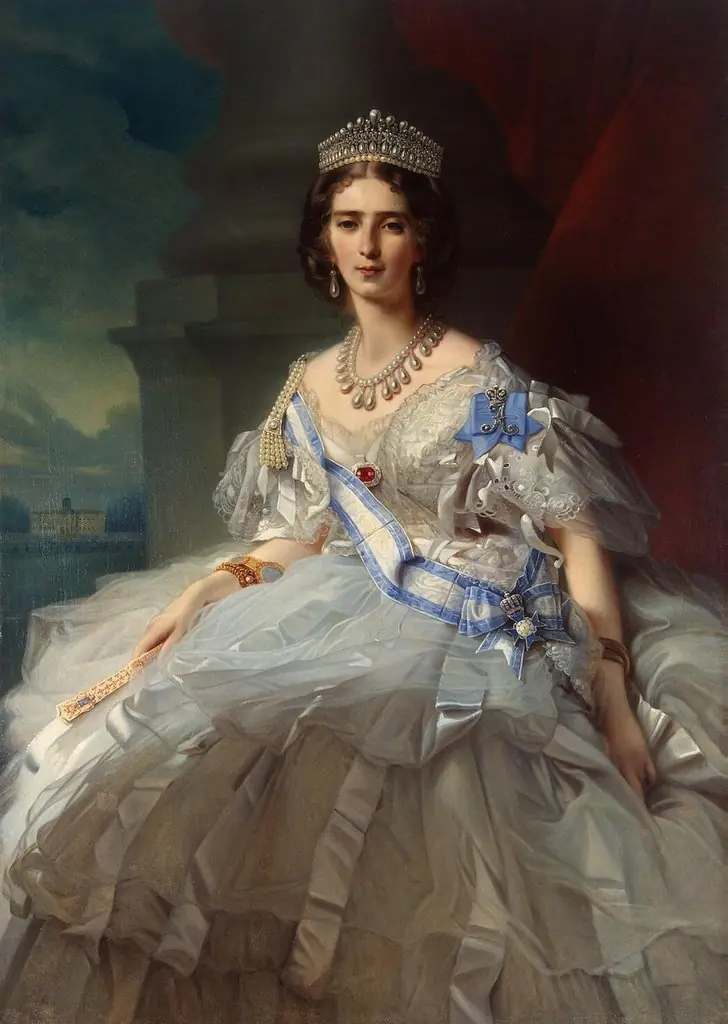 Portrait of Princess Tatyana Yusupova
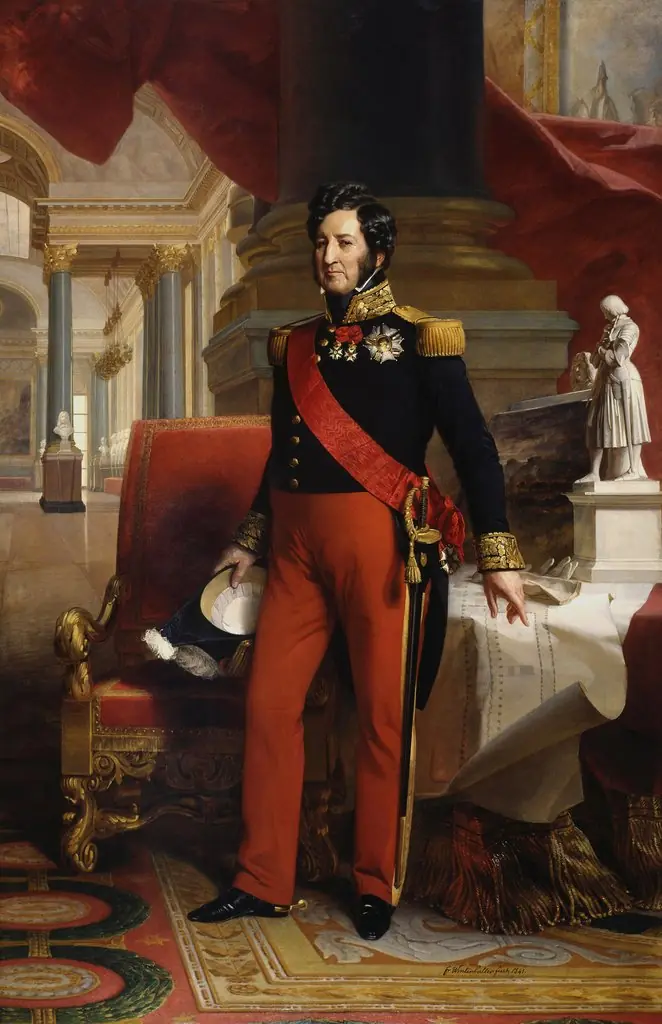 Louis-Philippe I, King of the French (1773–1850)
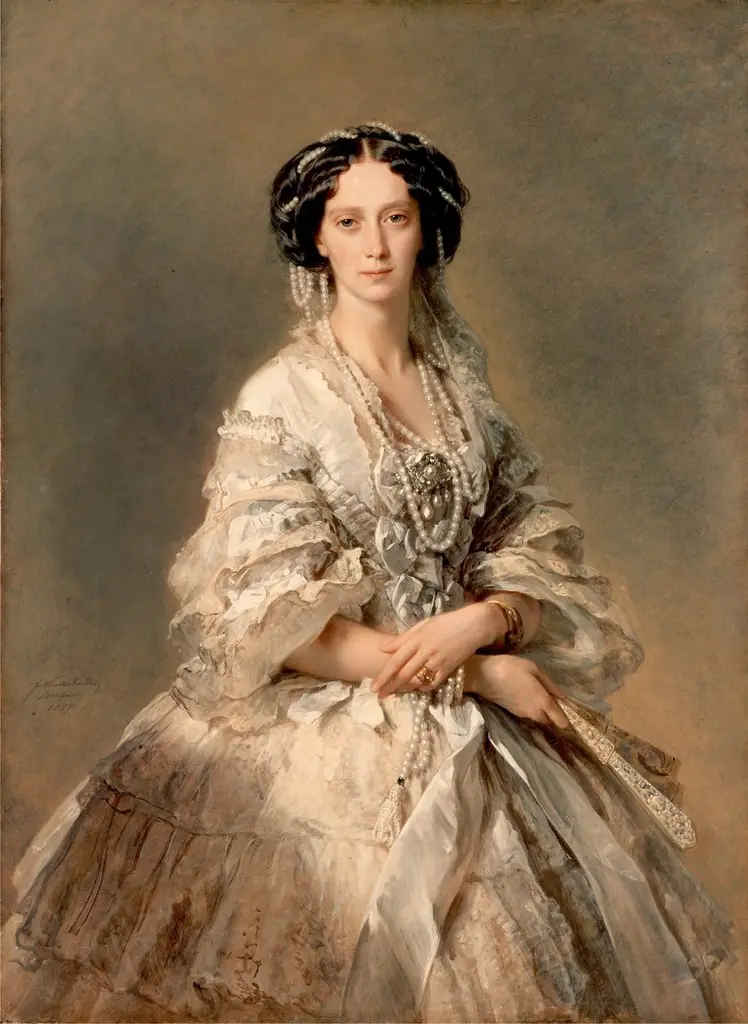 Portrait of Empress Maria Alexandrovna
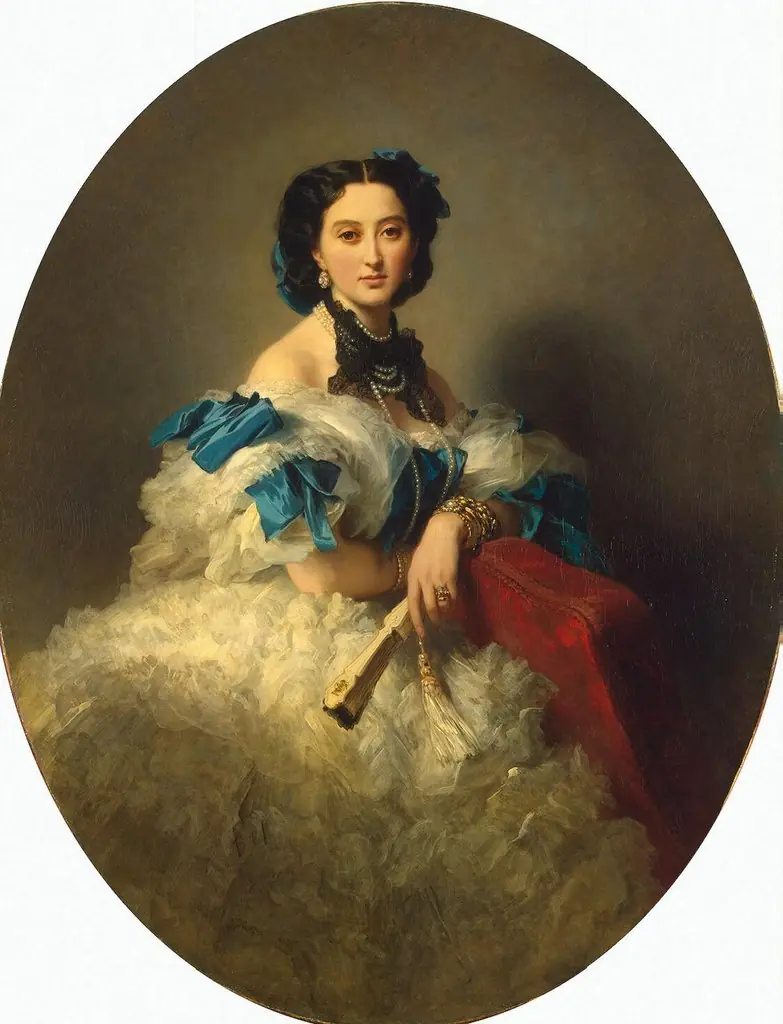 Portrait of Countess Varvara Musina-Pushkina
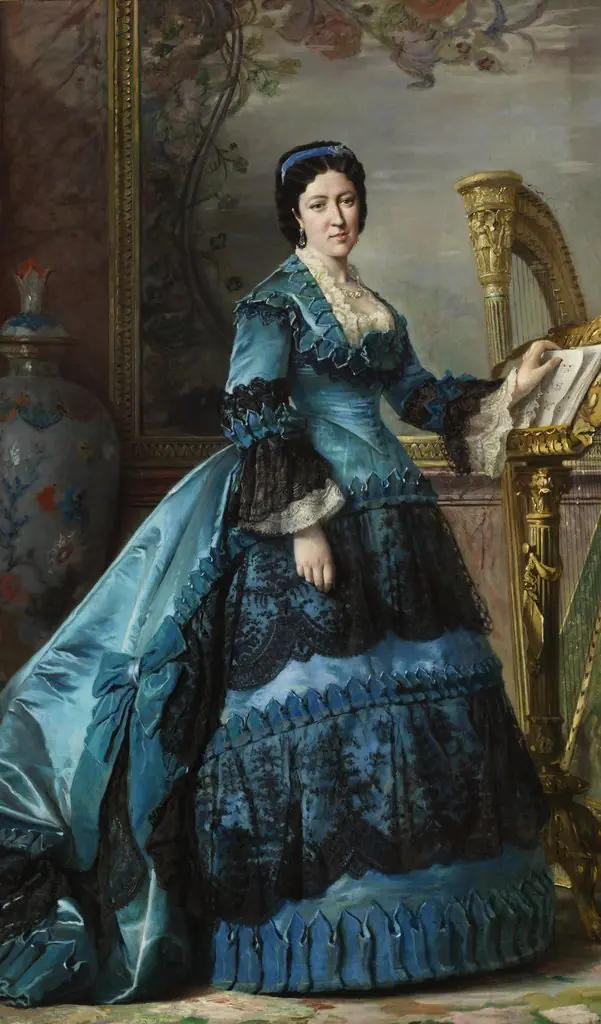 María de los Dolores Collado y Echagüe, duchess of Bailén
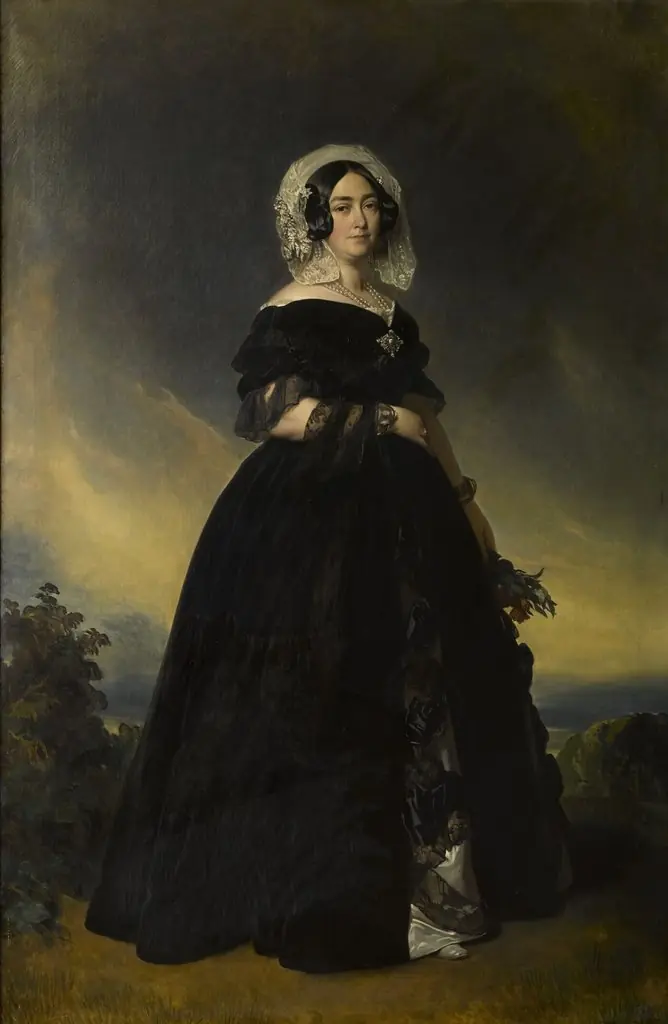 Marie Louise Victoria of Saxe-Coburg-Saafeld, Duchess of Kent (1786–1861)
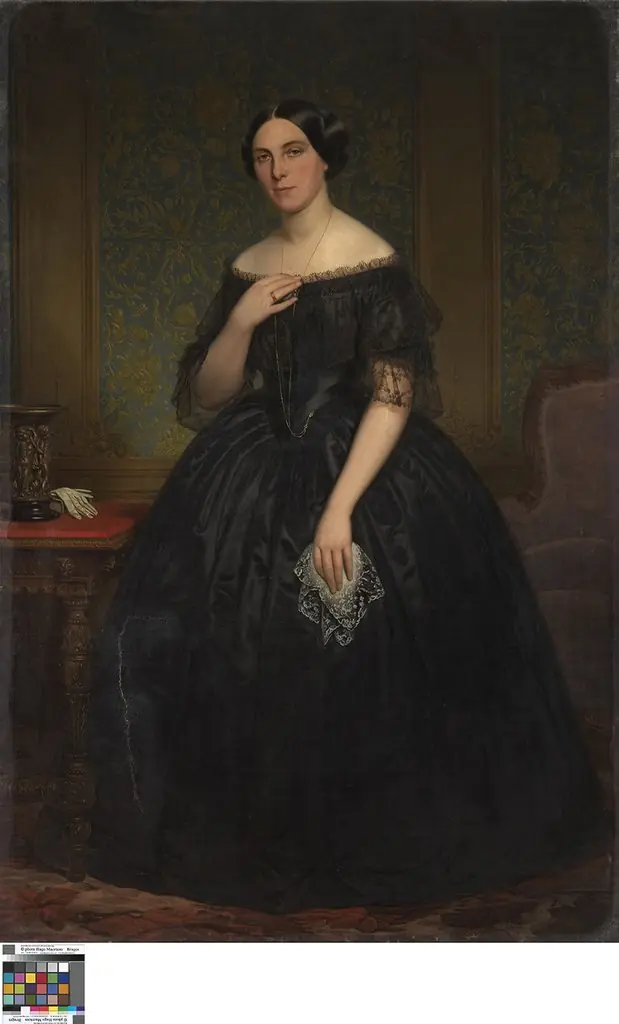 Portret van Beatrix van Herreweghe
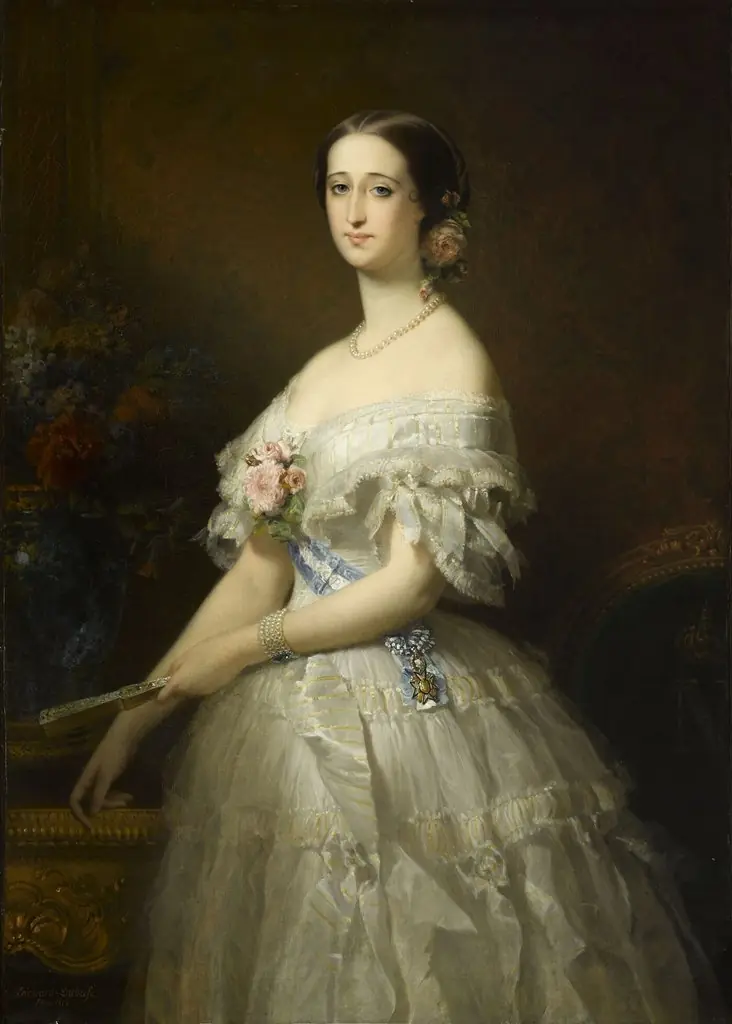 Portrait of the Empress Eugenie
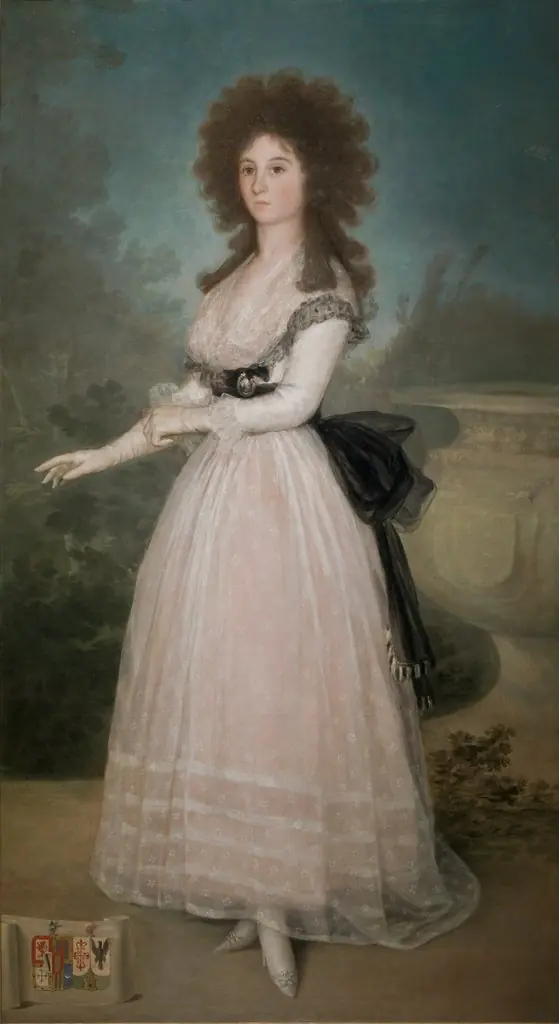 Tadea Arias de Enríquez
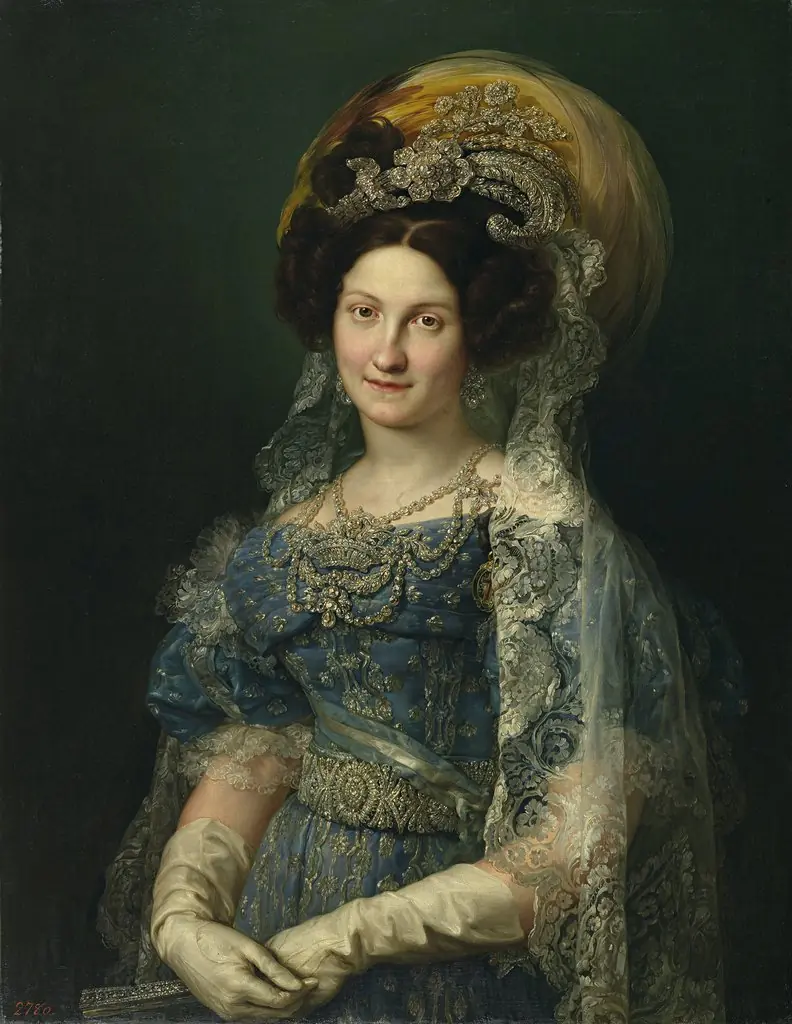 María Cristina de Borbon, Queen of Spain
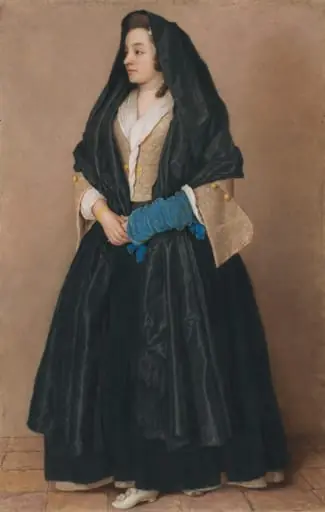 An Elegant Young Woman in Maltese Costume
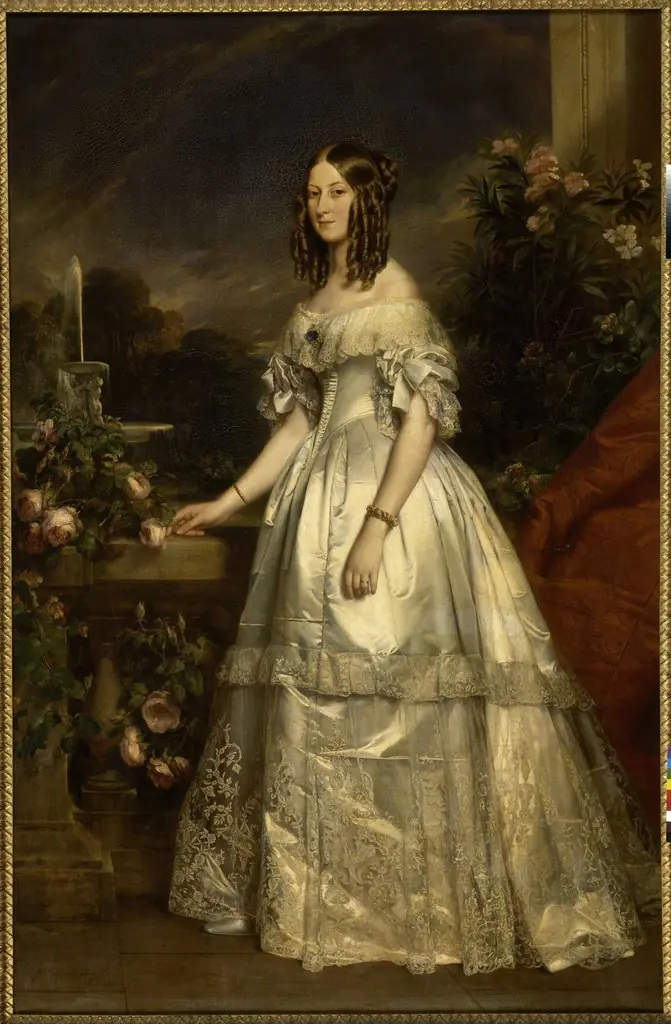 Full portrait of HRH The Duchess of Nemours
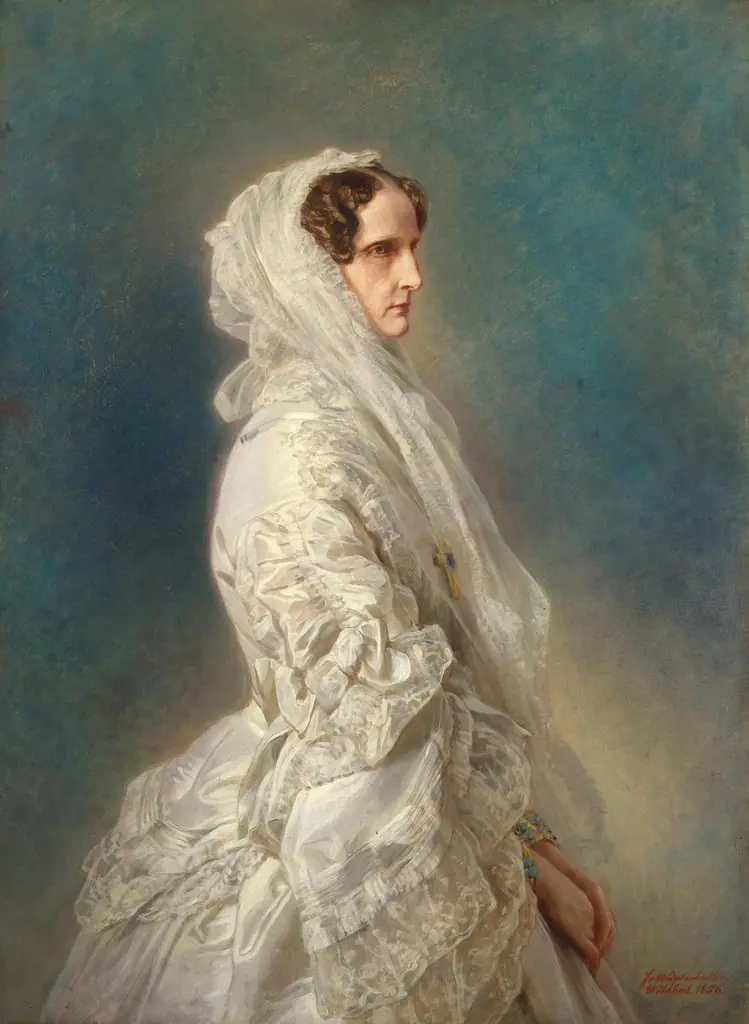 Portrait of Empress Alexandra Fiodorovna
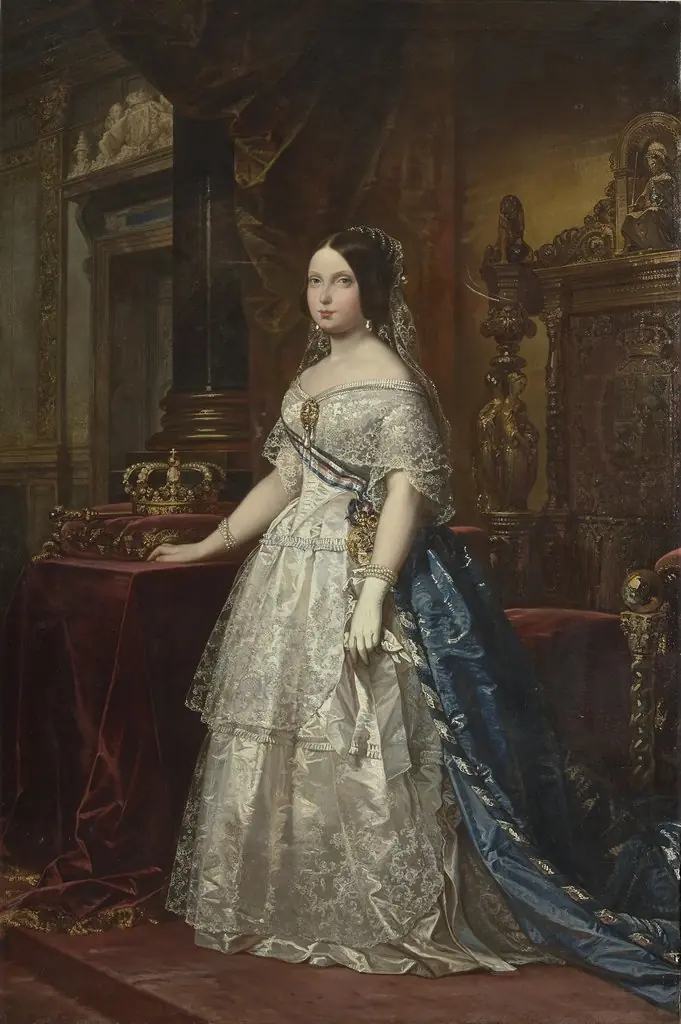 Isabel II
 Maria Carolina of Bourbon-Two Sicilies