Artwork
Portrait of Stanislaus Augustus Poniatowski (1732–1798) Dressed as Henry IV
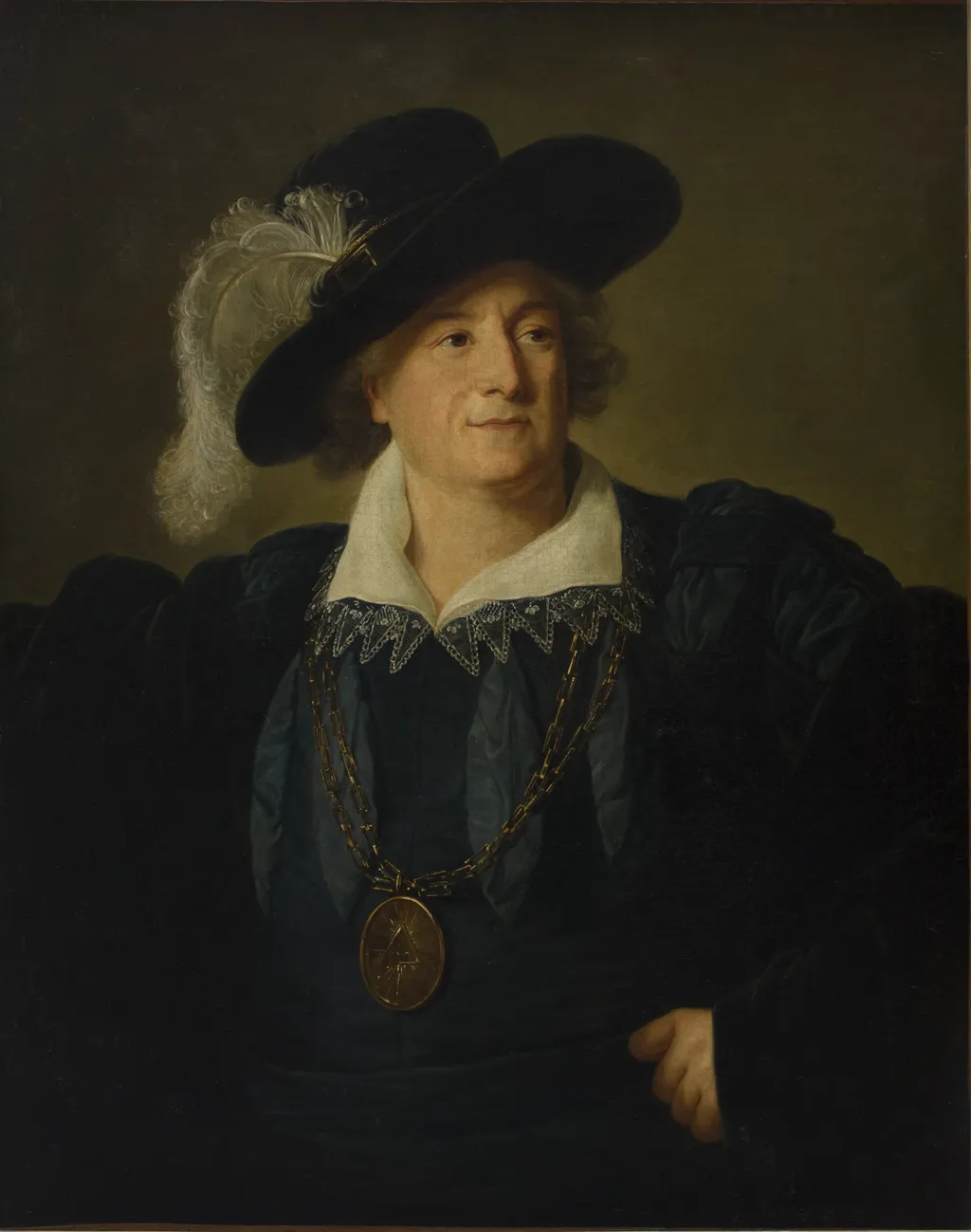
Portrait of Stanislaus Augustus Poniatowski (1732–1798) Dressed as Henry IV is an oil painting by Élisabeth Louise Vigée Le Brun. It dates from 1823 and is held in the collection of the National Museum in Kraków.
About this work
Overview
Élisabeth Louise Vigée Le Brun’s oil portrait of Stanisław August Poniatowski, the last king of Poland, was completed in 1823. The work presents the former monarch in a stylized historical costume, set against a dark, unadorned backdrop. Currently the painting belongs to the National Museum in Kraków, where it is displayed as part of the museum’s collection of 19th‑century European portraiture.
Subject & Meaning
The sitter, Stanisław August Poniatowski (1732–1798), is shown wearing a black hat trimmed with a white feather, a dark coat with a contrasting white collar, and an elaborate gold chain with a pendant. His solemn expression and sideways glance suggest a dignified, perhaps reflective, portrayal, while the choice of Henry IV’s attire evokes the former king’s association with enlightened absolutism and the broader European tradition of adopting historical dress to convey status.
Technique & Style
The brushwork is smooth and controlled, characteristic of her later Neoclassical phase, yet retains a subtle softness in the rendering of facial features.
Vigée Le Brun employs a restrained palette dominated by deep blacks and muted whites, allowing the luminous gold of the chain to become the focal point. The brushwork is smooth and controlled, characteristic of her later Neoclassical phase, yet retains a subtle softness in the rendering of facial features. The dark background isolates the figure, emphasizing texture and the play of light across fabric and metal.
History & Provenance
Although painted nearly three decades after Poniatowski’s death, the portrait entered the Polish national collection in the 20th century, eventually being acquired by the National Museum in Kraków. Its presence in the museum reflects the institution’s effort to assemble works that document Poland’s monarchical past and the cross‑national artistic links of the period.
Context
Vigée Le Brun, a prominent portraitist of the French aristocracy before and after the Revolution, traveled widely in her later years, receiving commissions from European courts. This painting illustrates her continued engagement with historical portraiture, a genre that allowed her to blend personal likeness with symbolic costume, aligning a Polish ruler with the legacy of a celebrated French king.
Own this work as a print
Artist & collection
Artist
Élisabeth Louise Vigée Le Brun
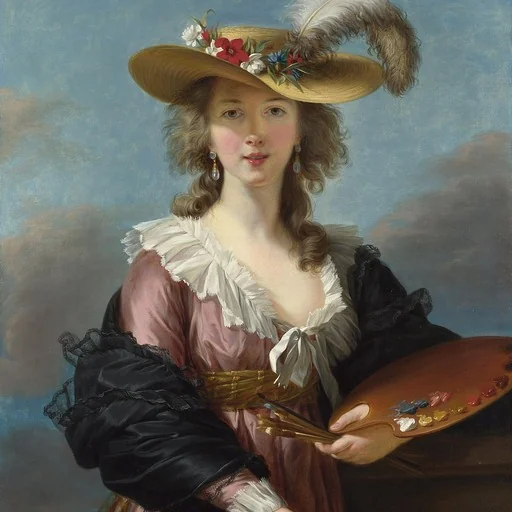
Élisabeth Louise Vigée Le Brun (French: ; née Vigée; 16 April 1755 – 30 March 1842), also known as Louise Élisabeth Vigée Le Brun or simply Madame Le Brun, was a French painter who mostly specialized in portrait…

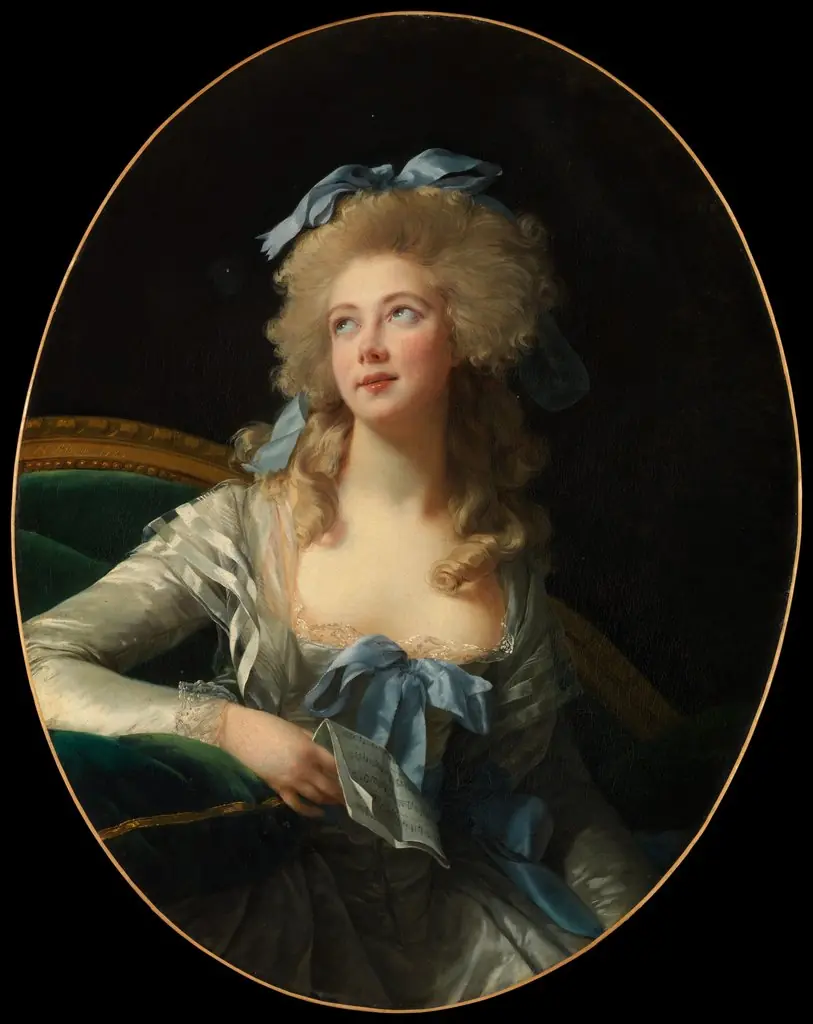 Madame Grand (Noël Catherine Verlée, 1761–1835)
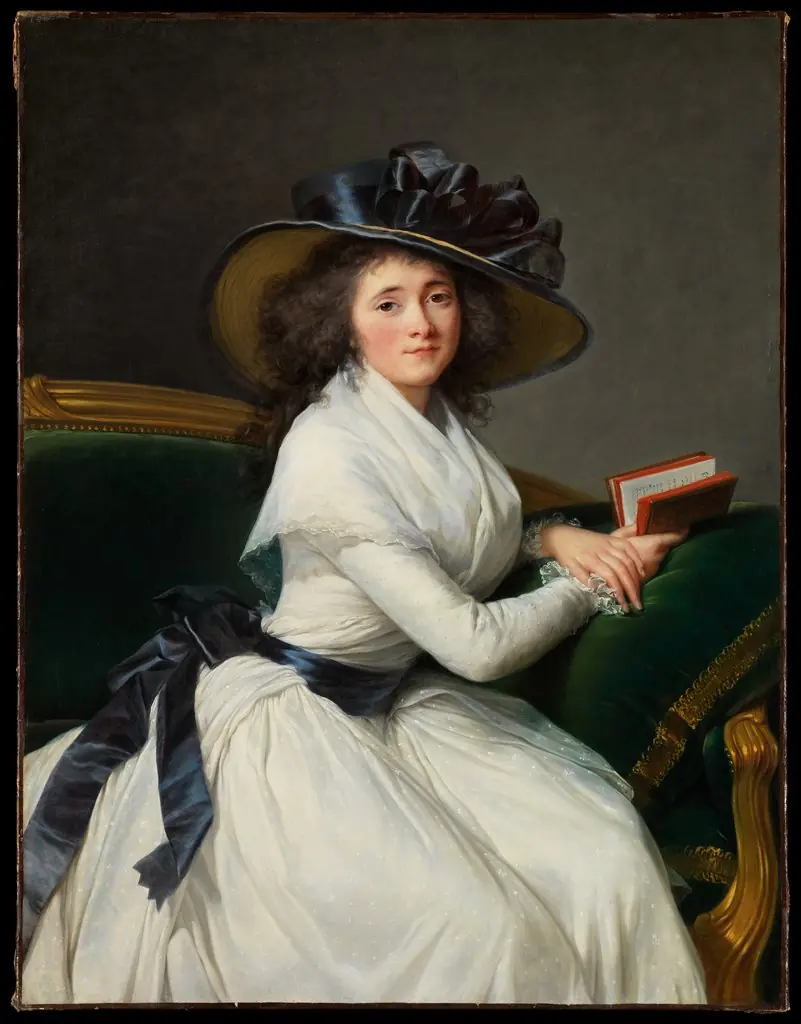 Comtesse de la Châtre (Marie Charlotte Louise Perrette Aglaé Bontemps, 1762–1848)
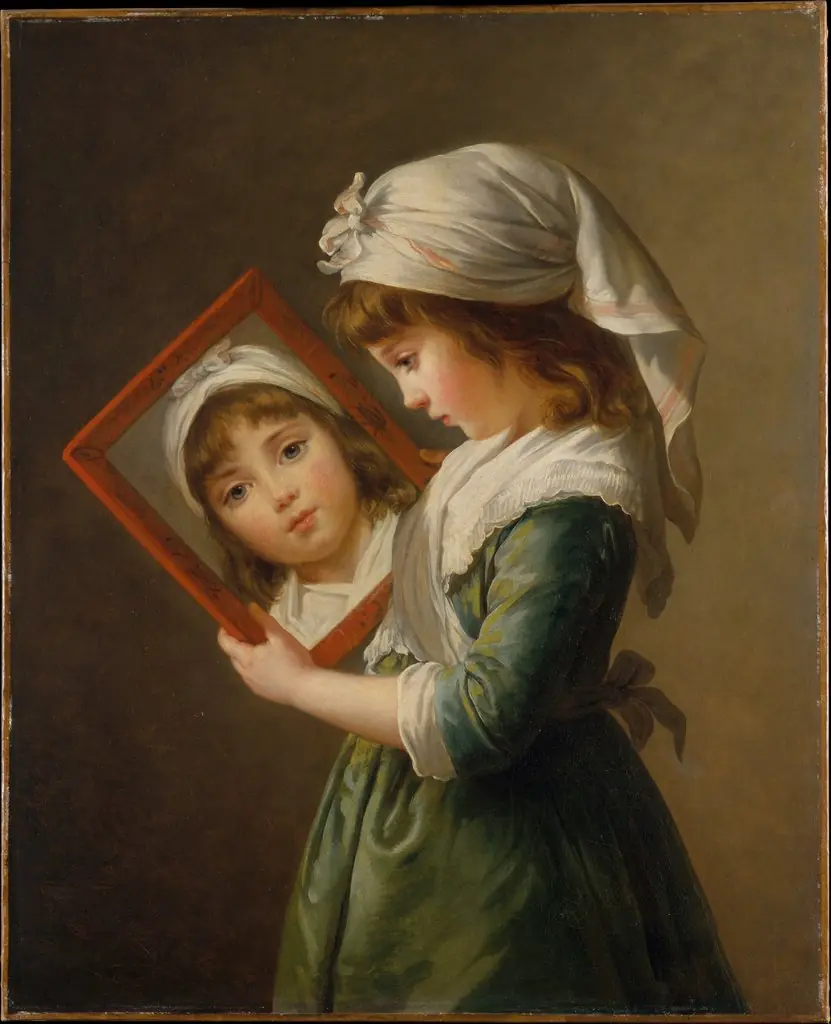 Julie Le Brun (1780–1819) Looking in a Mirror
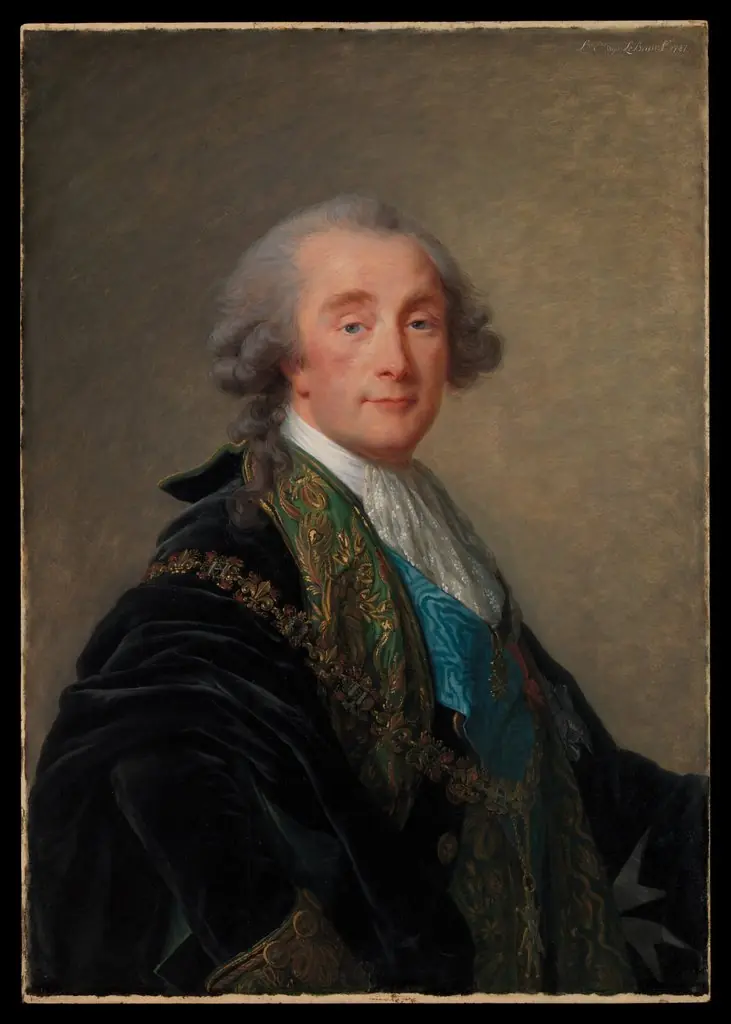 Alexandre Charles Emmanuel de Crussol-Florensac (1743–1815)
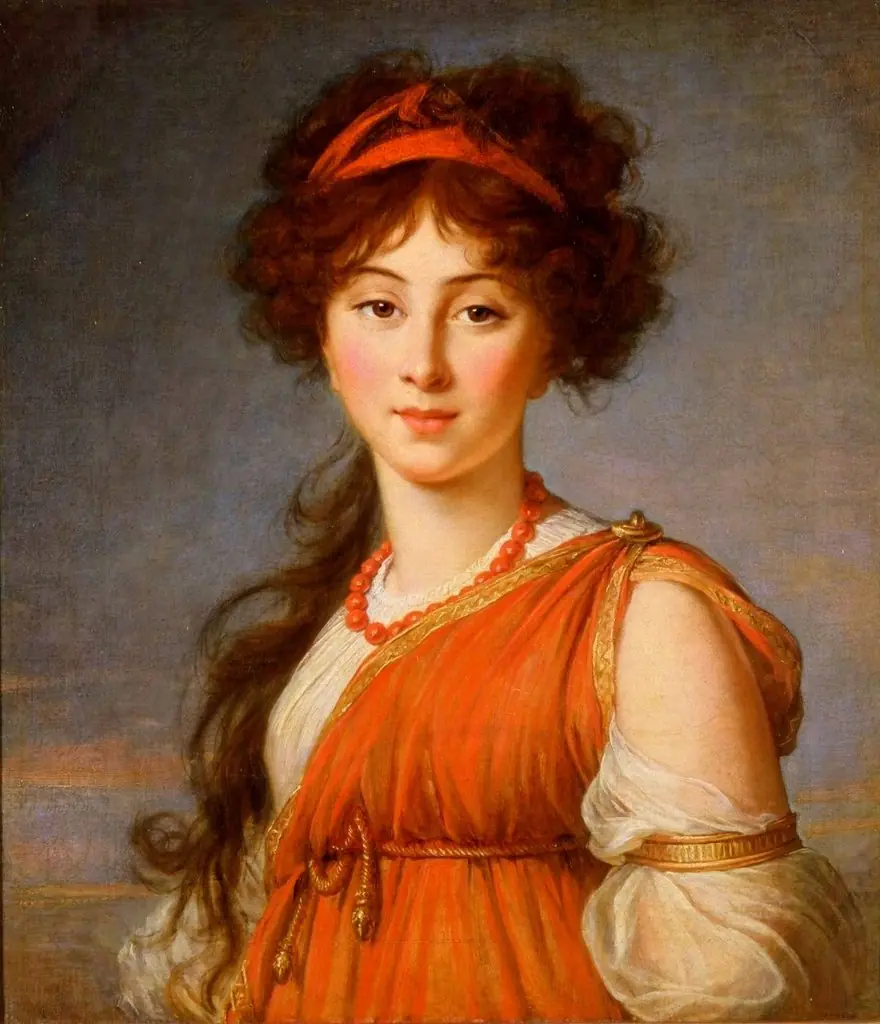 Varvara Ivanovna Ladomirsky
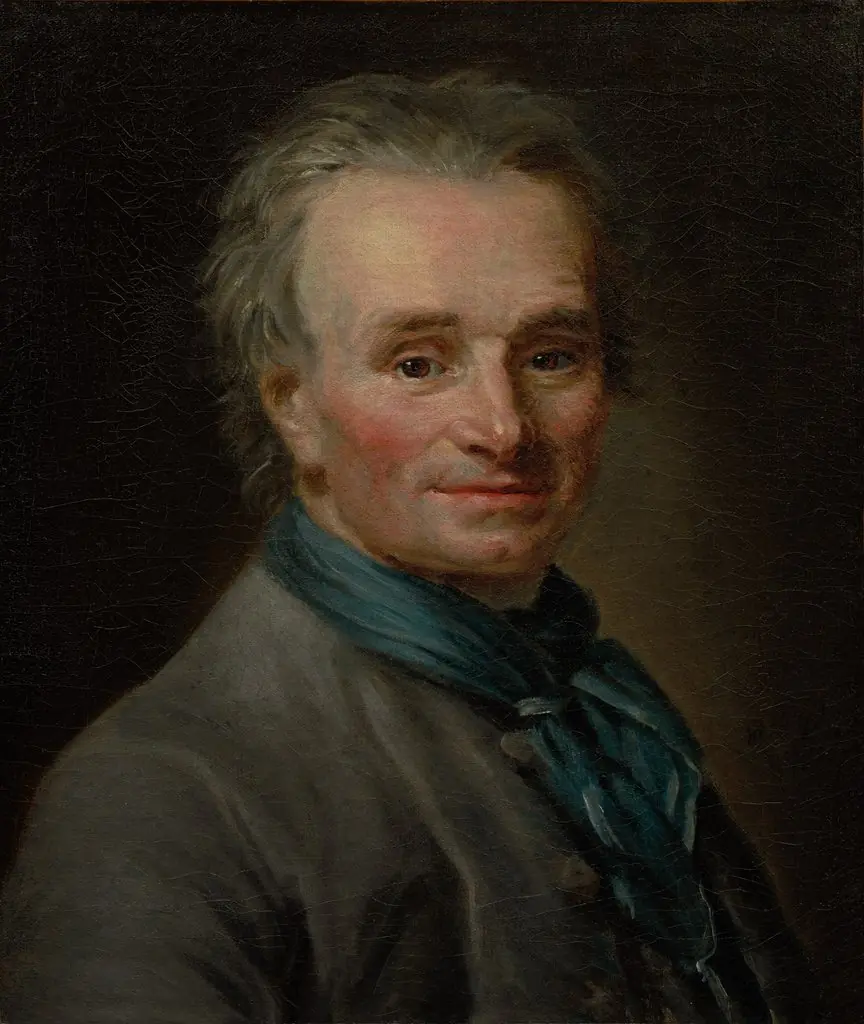 Portrait of Jean-Baptiste Lemoyne the Younger
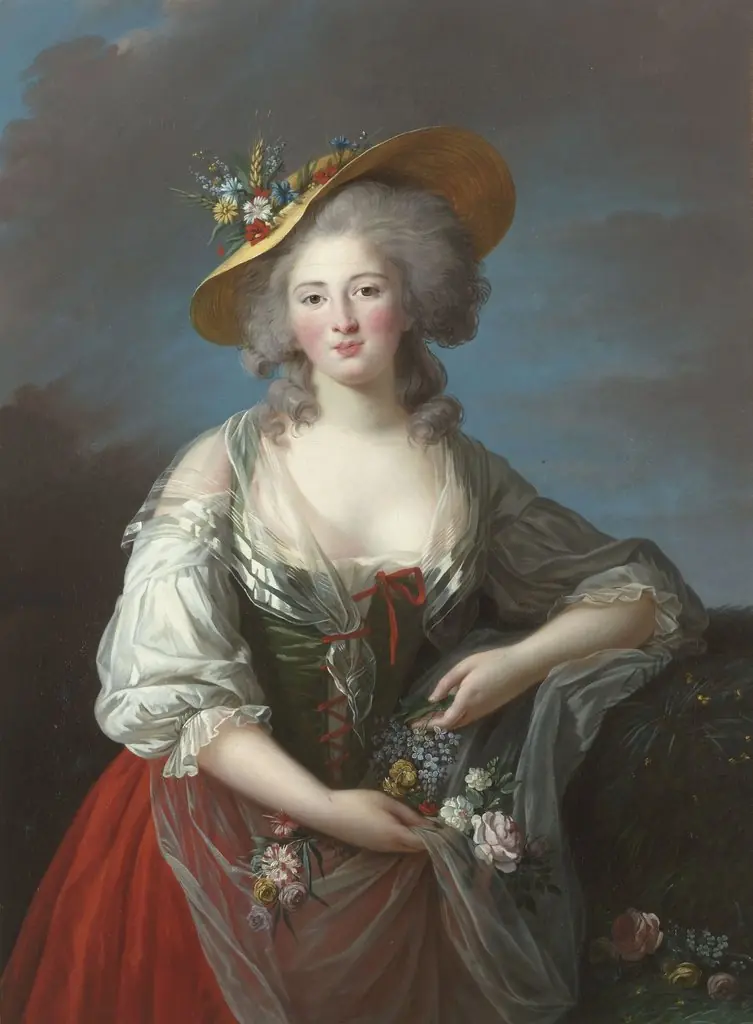 Elisabeth-Philippe-Marie-Hélène de France, dite Madame Elisabeth
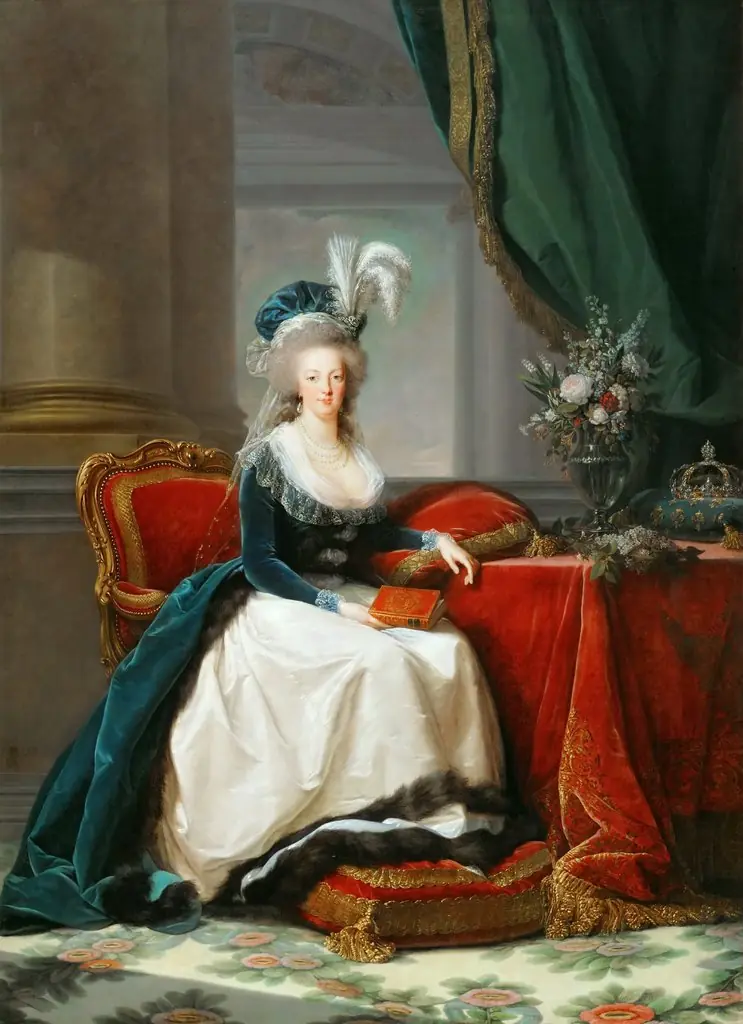 Marie-Antoinette seated, in blue coat and white dress, holding a book in her hand
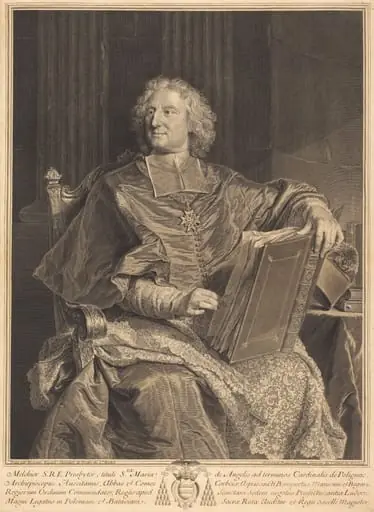 Cardinal de Polignac
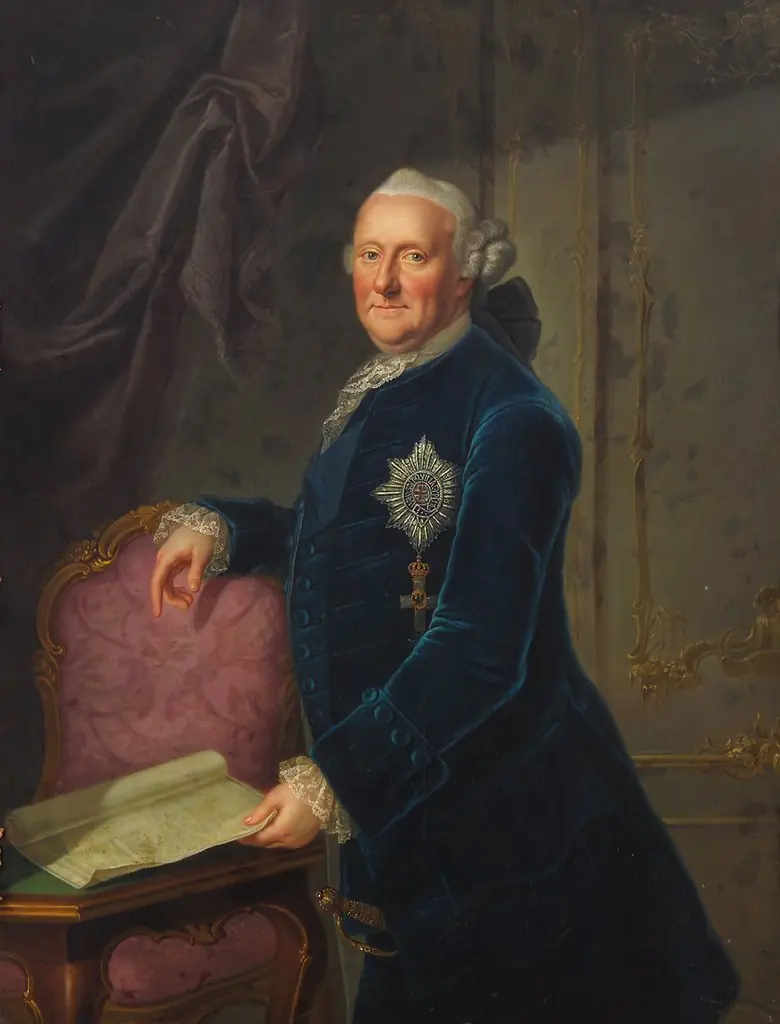 Herzog Ferdinand (1721-1792) von Braunschweig - Wolfenbüttel, Kniestück
 Self-Portrait in the Polish National Costume
 Portrait of Marcello Bacciarelli (1731–1818)
 Portrait of a Gentleman
 Portrait of Friedrich Wilhelm, Elector of Brandenburg (1620-1688), 'the Great Elector'
 Porträt des Anne-Jules, Herzog von Noailles (1650-1708)
 Omakuva