Artwork
Herzog Ferdinand (1721-1792) von Braunschweig - Wolfenbüttel, Kniestück
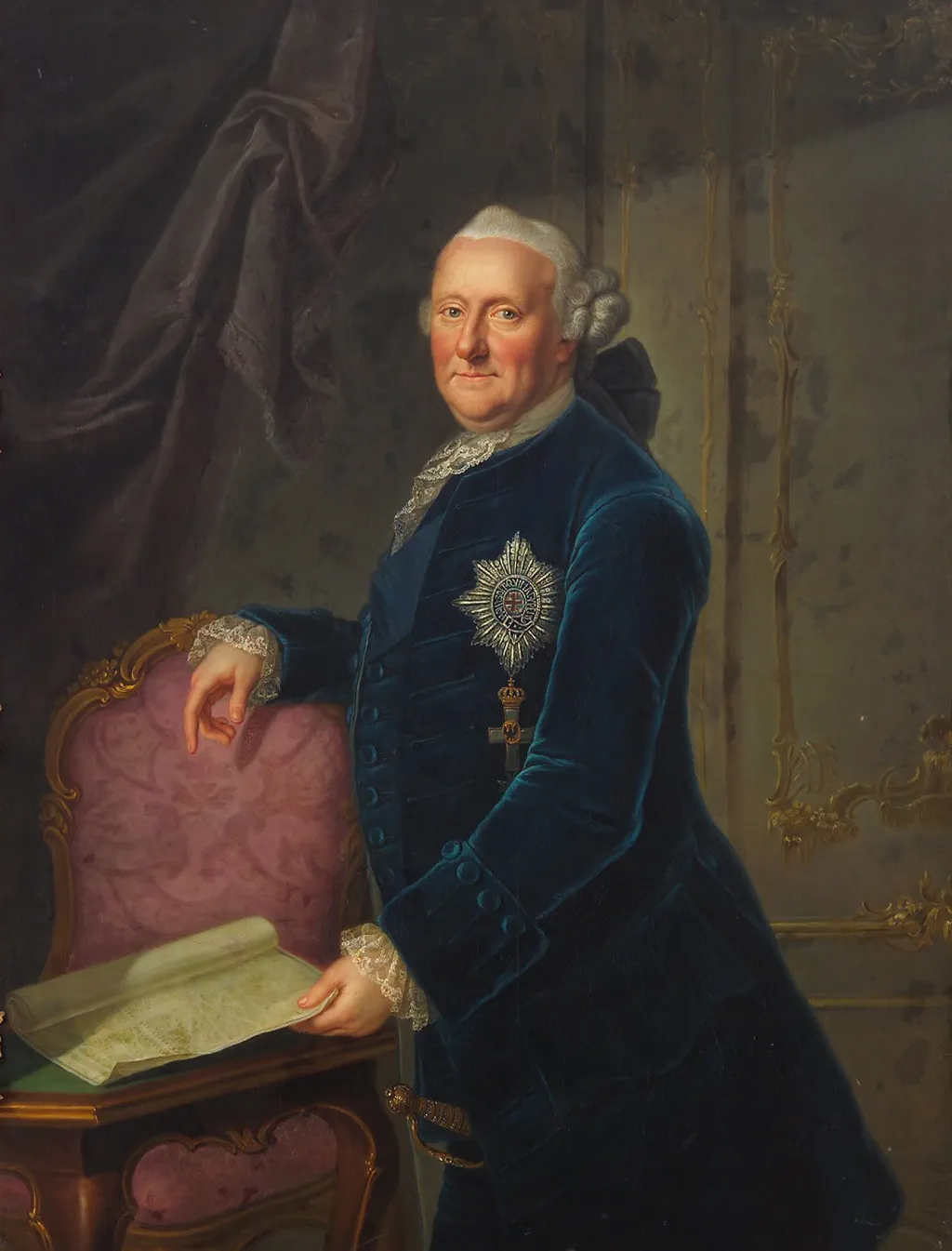
Herzog Ferdinand (1721-1792) von Braunschweig - Wolfenbüttel, Kniestück is an unspecified painting by the Rococo painting artist Anna Rosina de Gasc. It dates from 1773 and is held in the collection of the Kunsthistorisches Museum.
About this work
If you're interested in learning more about the artist behind this portrait, you might want to look up Anna Rosina de Gasc.
This portrait depicts a man in a blue velvet jacket with a large brooch on the left side of his chest. He is holding a rolled-up paper in his left hand and stands beside a pink chair with gold accents. The background features a dark curtain on the left and a lighter-colored wall with gold accents on the right.
The man's attire and the chair suggest a formal setting, possibly from the 18th century. The artist's use of color and texture adds depth to the portrait.
If you're interested in learning more about the artist behind this portrait, you might want to look up Anna Rosina de Gasc.
Overview
The canvas presents a three‑quarter view of Duke Ferdinand of Brunswick‑Wolfenbüttel, rendered in 1773 by the German portraitist Anna Rosina de Gasc. Executed in oil, the work now belongs to the collection of Vienna’s Kunsthistorisches Museum. The sitter is dressed in a blue velvet frock coat, accented by a prominent brooch, and holds a rolled document in his left hand, suggesting his administrative role.
Subject & Meaning
Ferdinand (1721‑1792) was a prominent member of the Brunswick‑Wolfenbüttel dynasty, known for his military and political duties. The inclusion of the paper may allude to his responsibilities in governance or correspondence, while the formal attire and regal chair underscore his aristocratic status and the dignified bearing expected of a ducal portrait in the late Enlightenment era.
Technique & Style
Rosina de Gasc employs a restrained palette, contrasting the deep blue of the coat with the soft pink of the upholstered chair. Subtle chiaroscuro models the figure against a backdrop that shifts from a dark draped curtain to a lighter, gilded wall, creating spatial depth. Fine brushwork captures the texture of velvet and metal, while the delicate rendering of facial features reflects the artist’s training in court portraiture.
History & Provenance
Completed in 1773, the portrait entered the imperial collections of the Habsburgs in the early nineteenth century, eventually being transferred to the Kunsthistorisches Museum, where it remains on public display. Documentation traces its ownership through the museum’s acquisition records, confirming its continuous presence in the Viennese national holdings since that period.
Context
The painting belongs to a broader tradition of German noble portraiture that flourished in the mid‑eighteenth century, a time when court painters emphasized both individual likeness and the symbols of rank. Anna Rosina de Gasc, a daughter of the painter Johann Heinrich Tischbein, was among the few women to secure commissions from high aristocracy, reflecting shifting opportunities for female artists within the Germanic courts.
Artist & collection

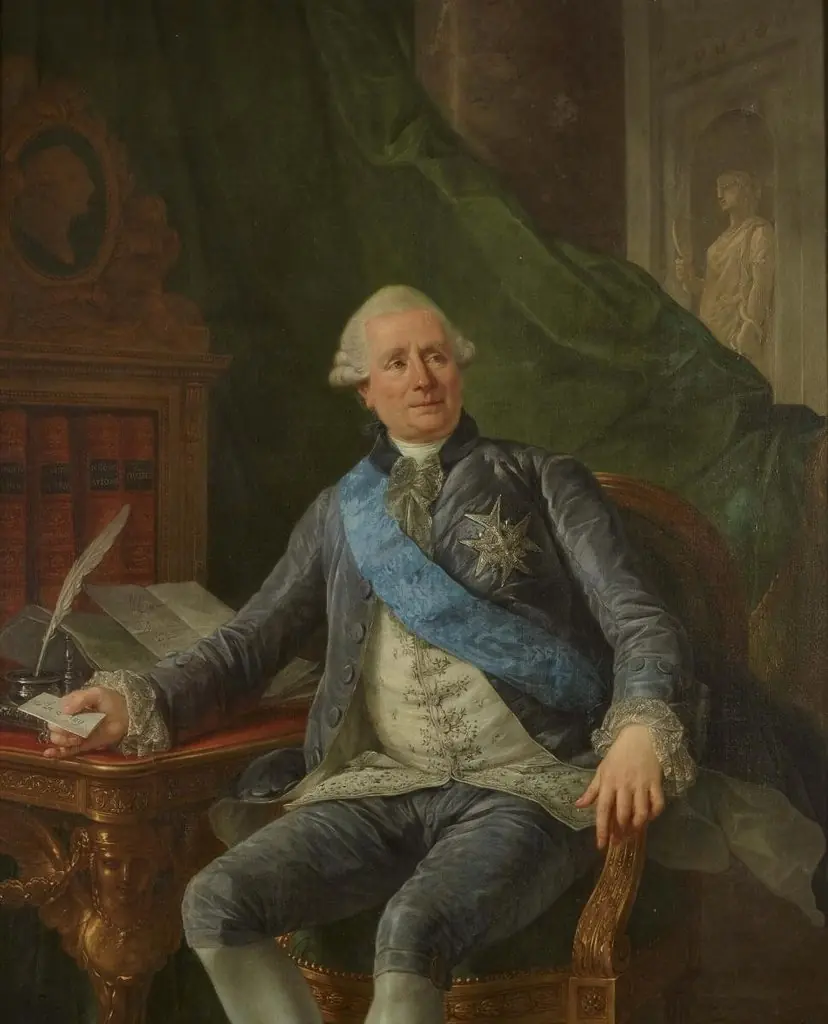 Portrait of the Comte de Vergennes
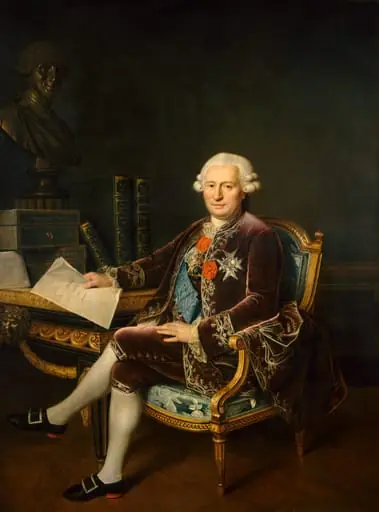 The Marquis d'Ossun
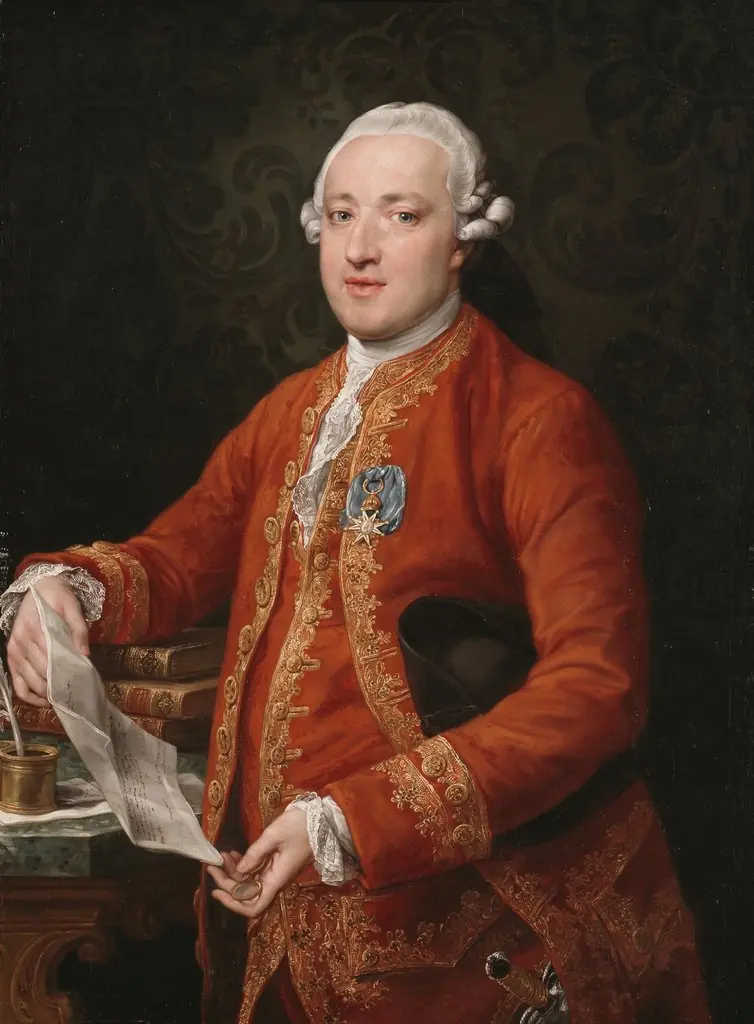 Don José Moñino y Redondo, Conde de Floridablanca
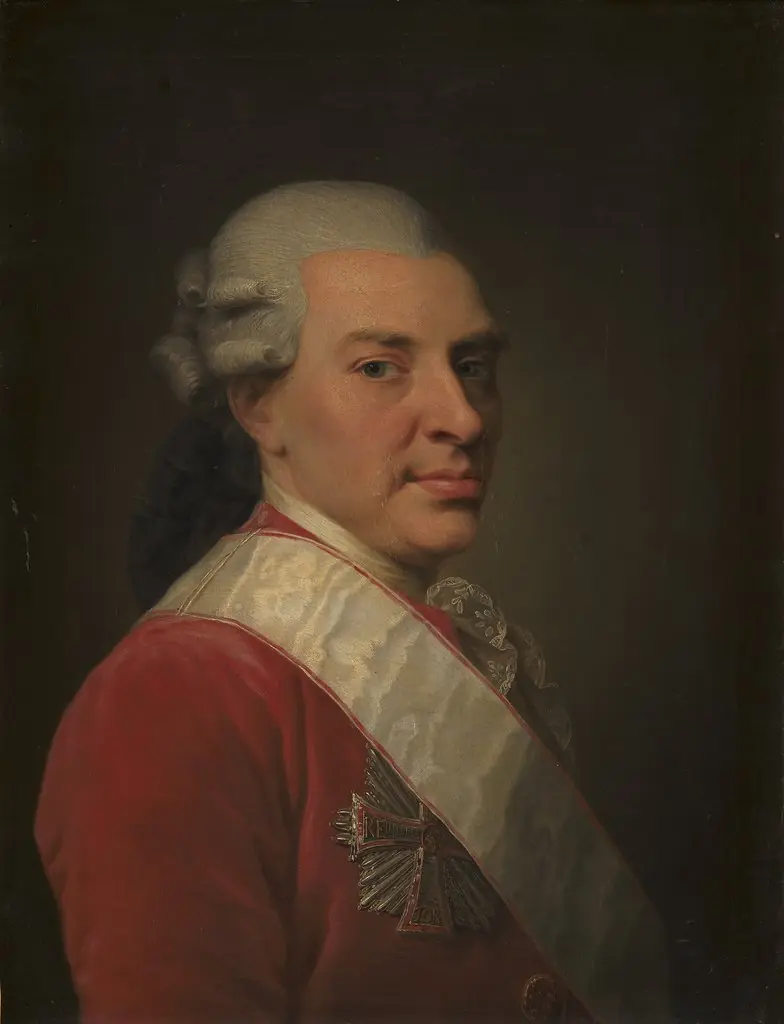 Geheimeråd Henrik Hielmstierne
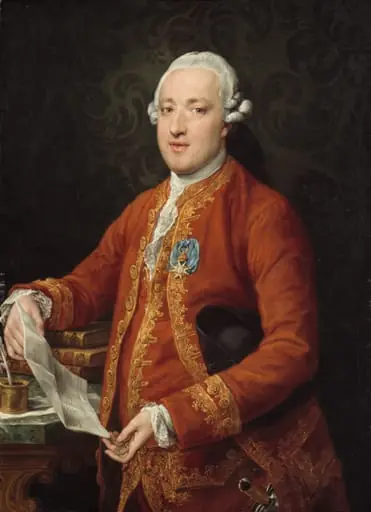 Don José Moñino y Redondo, Conde de Floridablanca
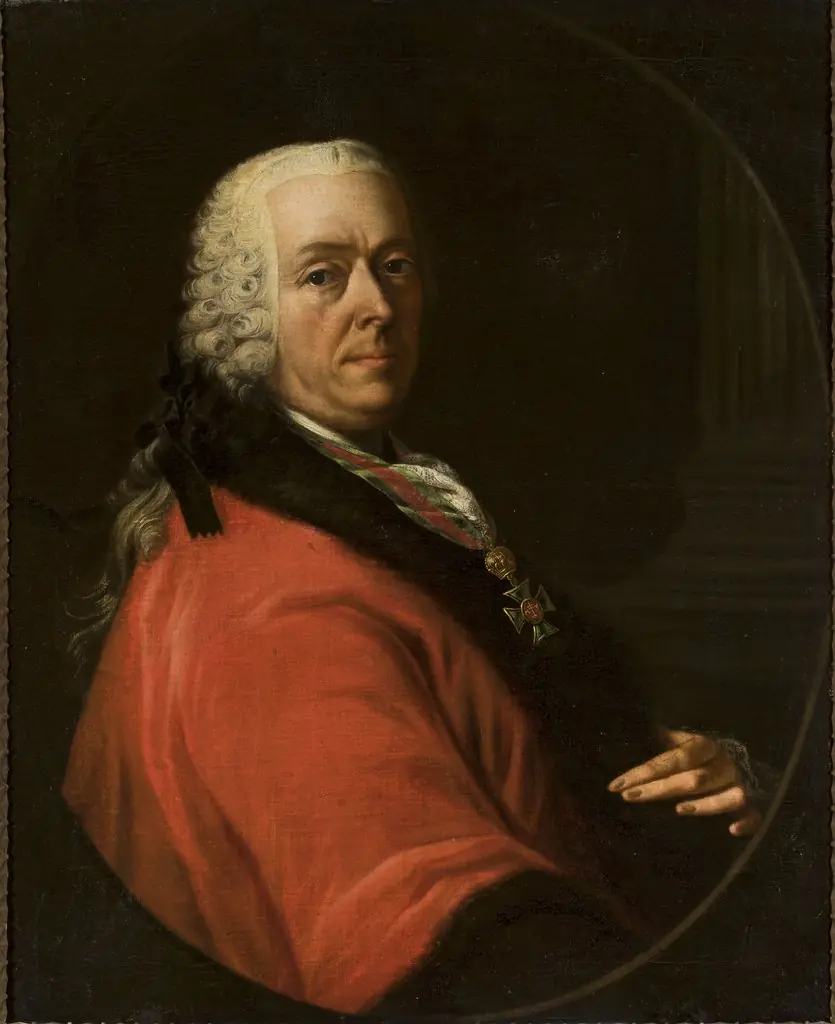 Portrait of count Gaspar Paris Anton
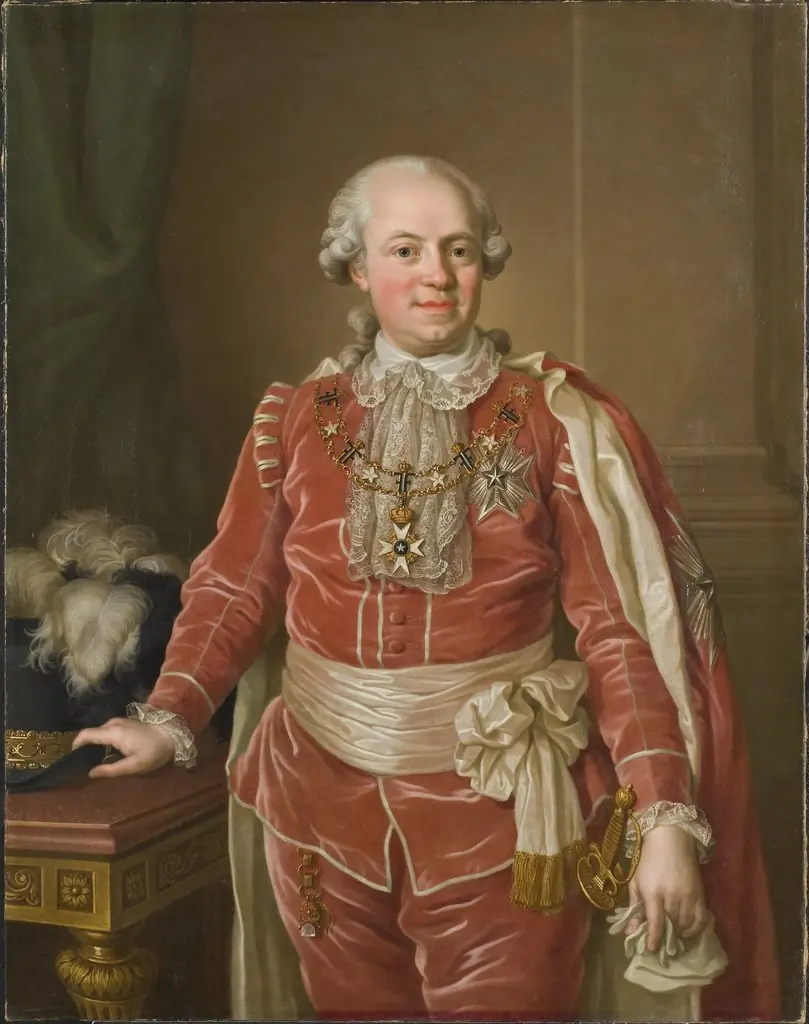 Samuel af Ugglas (1750-1812), greve, landshövding, överståthållare, kammarkollegiepresident, en av rikets herrar
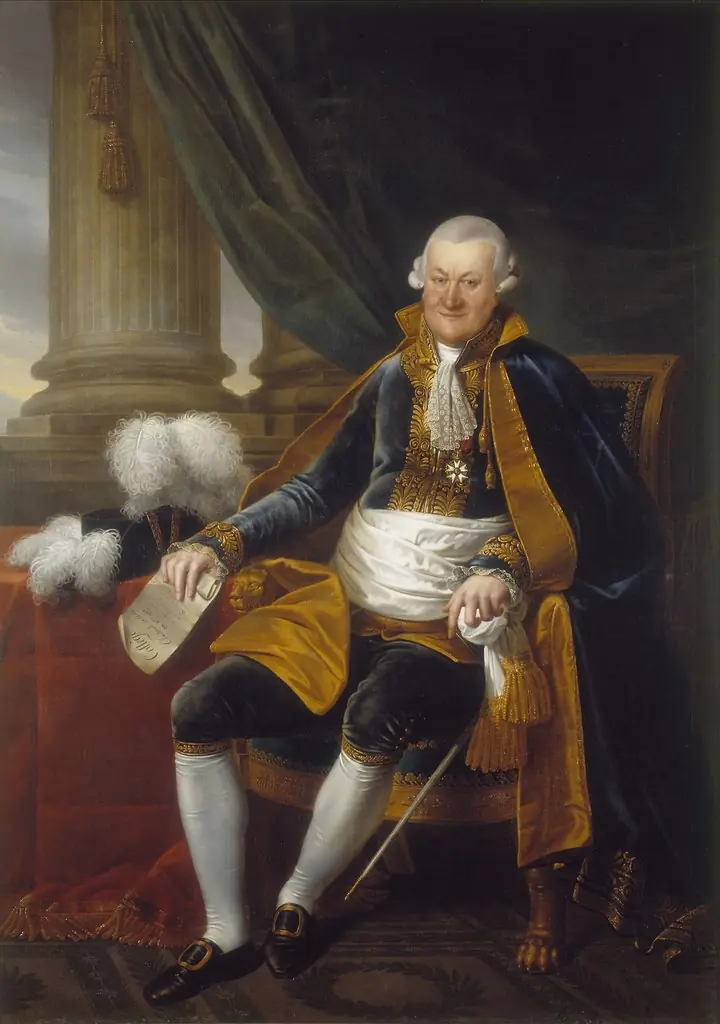 Portrait of François Joseph de Viry
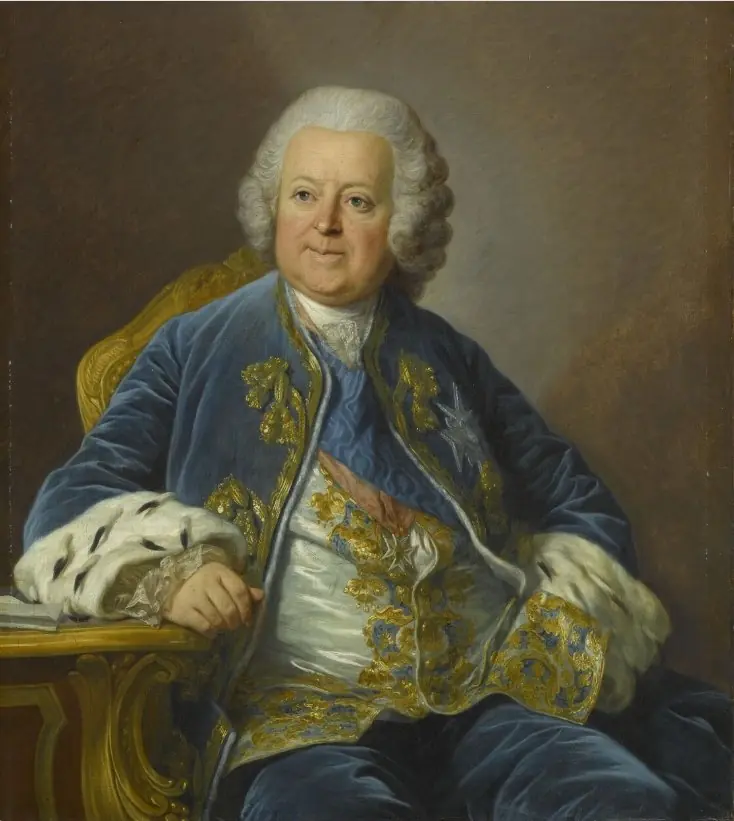 Portrait de Louis Phélypeaux de Saint-Florentin (1705-1777), comte de Saint Florentin, Duc de La Vrillière, ministre et secrétaire d'Etat
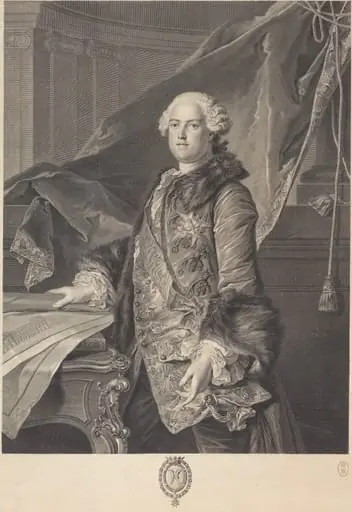 Marquis de Marigny
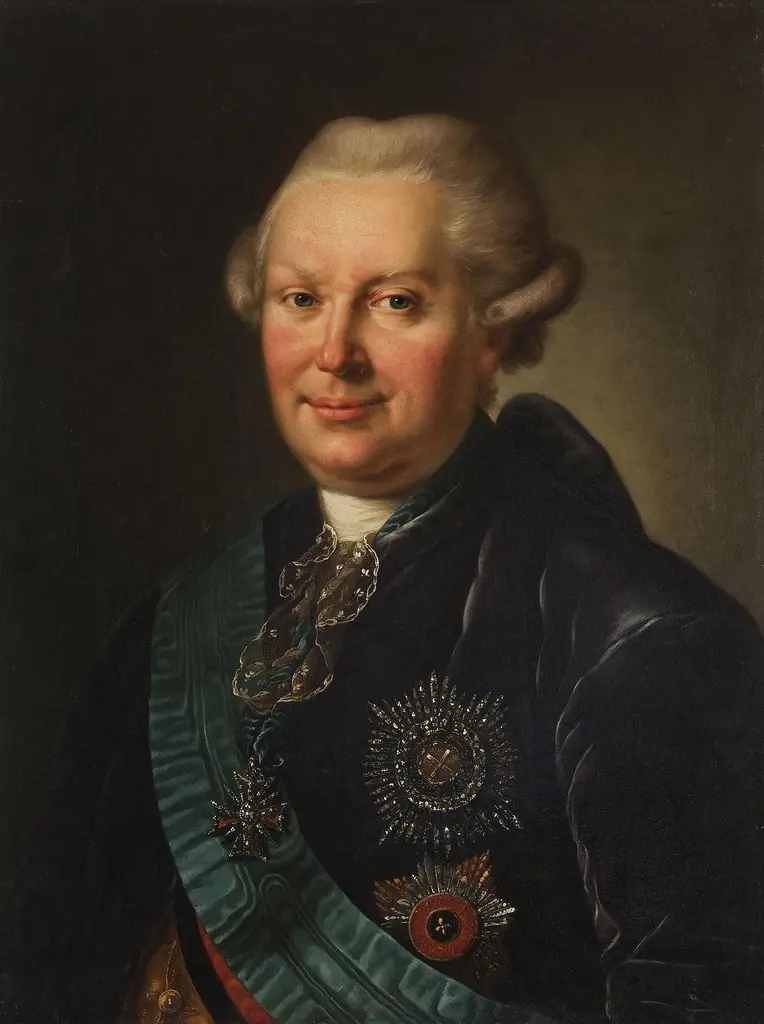 Portrait of Procurator-General Alexander Vyazemsky
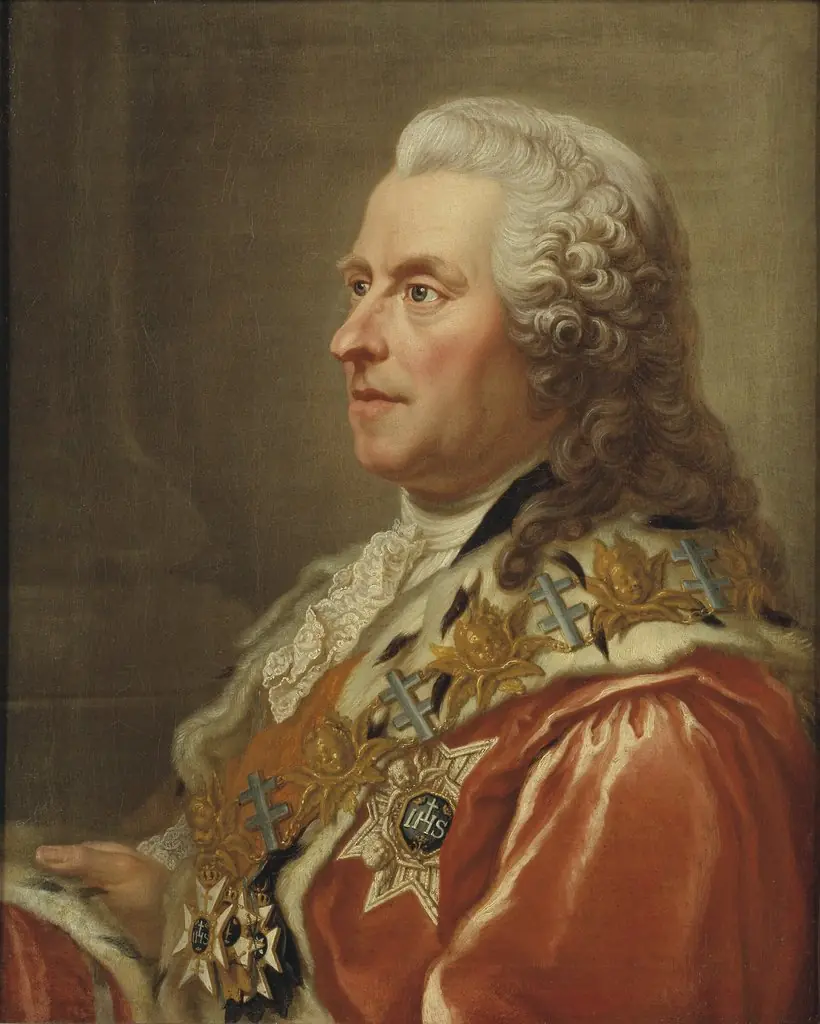 Carl Gustaf Tessin (1695–1770), Count and Senator