Artwork
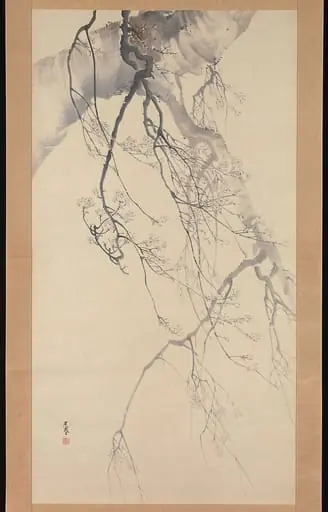
明 劉世儒 雪梅圖 軸|Plum in snow
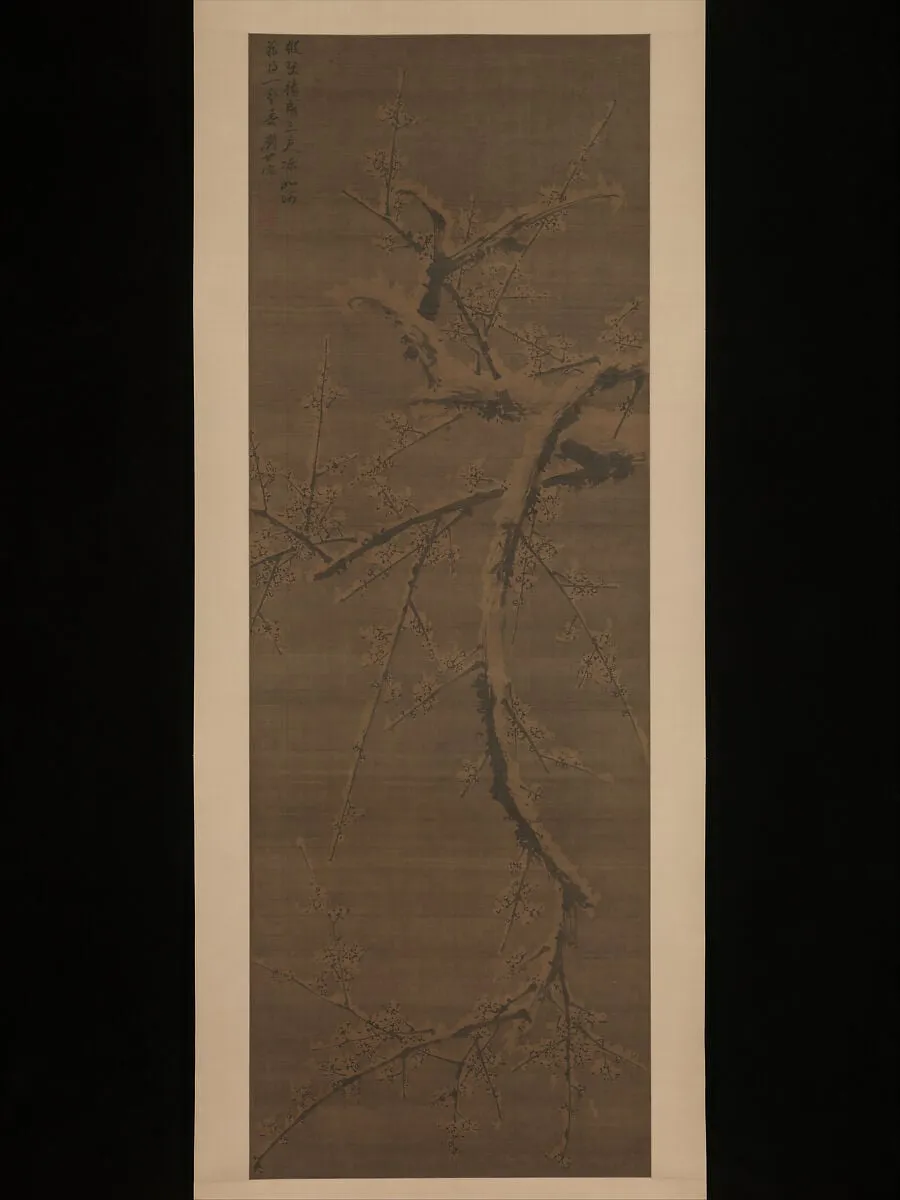
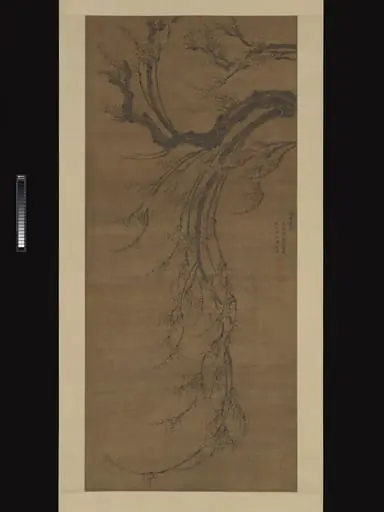
明 劉世儒 雪梅圖 軸|Plum in snow is an ink painting by the Ming dynasty painting artist Liu Shiru. It dates from 1575 and is held in the collection of the Metropolitan Museum of Art.
About this work
Overview
This ink on silk hanging scroll, titled Plum in Snow, was created by the artist Liu Shiru in 1575 during the Ming dynasty. It presents a minimalist landscape focusing on a single plum branch emerging from a snowy environment. The artwork exemplifies a traditional Chinese painting theme, inviting quiet contemplation through its restrained composition and delicate rendering of natural forms.
Subject & Meaning
This motif is highly symbolic in East Asian culture, representing resilience, purity, and the promise of renewal as spring awaits beneath winter's chill.
The painting features a solitary plum branch, its dark twigs and tiny buds sharply contrasted against a pristine expanse of snow. This motif is highly symbolic in East Asian culture, representing resilience, purity, and the promise of renewal as spring awaits beneath winter's chill. The absence of other elements or figures directs the viewer's attention entirely to this natural detail, fostering a sense of quiet anticipation.
Technique & Style
Executed with ink on silk, the scroll demonstrates precise brushwork. Thin, delicate ink lines define the plum branch, subtly conveying the rough texture of its bark. Pale ink washes are employed to suggest the cold, crisp atmosphere of the snowy scene. A significant portion of the silk remains untouched, creating expansive empty space around the central image, which is a deliberate compositional choice that enhances the feeling of stillness and allows for visual rest.
Context
This artwork was likely intended for intimate appreciation, designed to be viewed in a private setting rather than a grand hall. Its contemplative nature aligns with a long-standing tradition in Chinese painting that values quiet reflection. The strategic use of empty space and the focus on natural elements like trees are characteristic features found across various periods of Chinese art, inviting viewers to consider the interplay between presence and absence.
Artist & collection