Artwork
Angel pieta
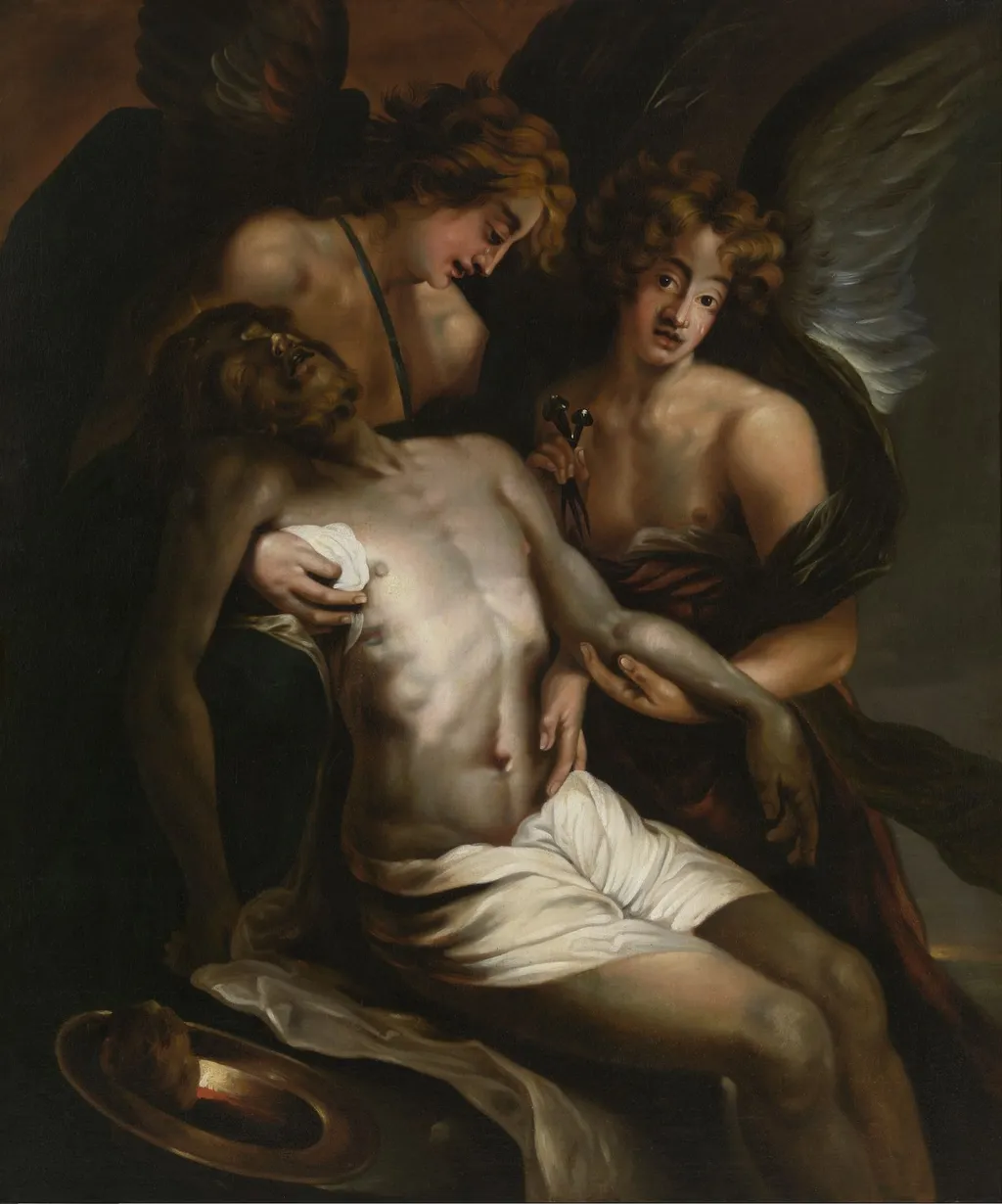
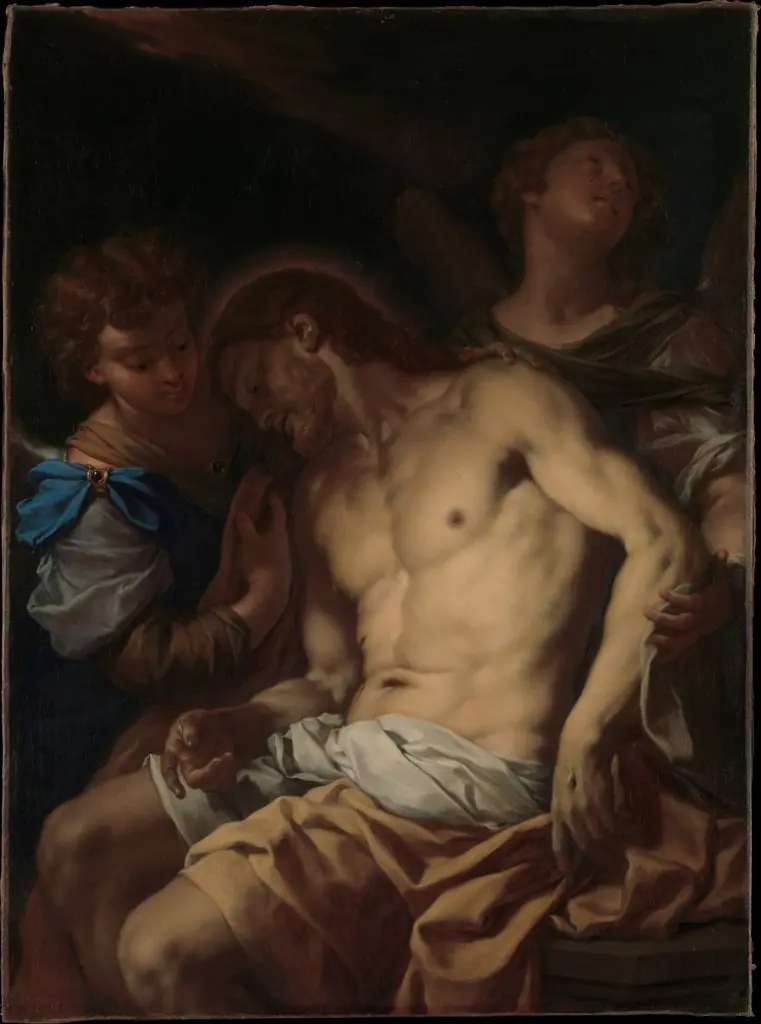
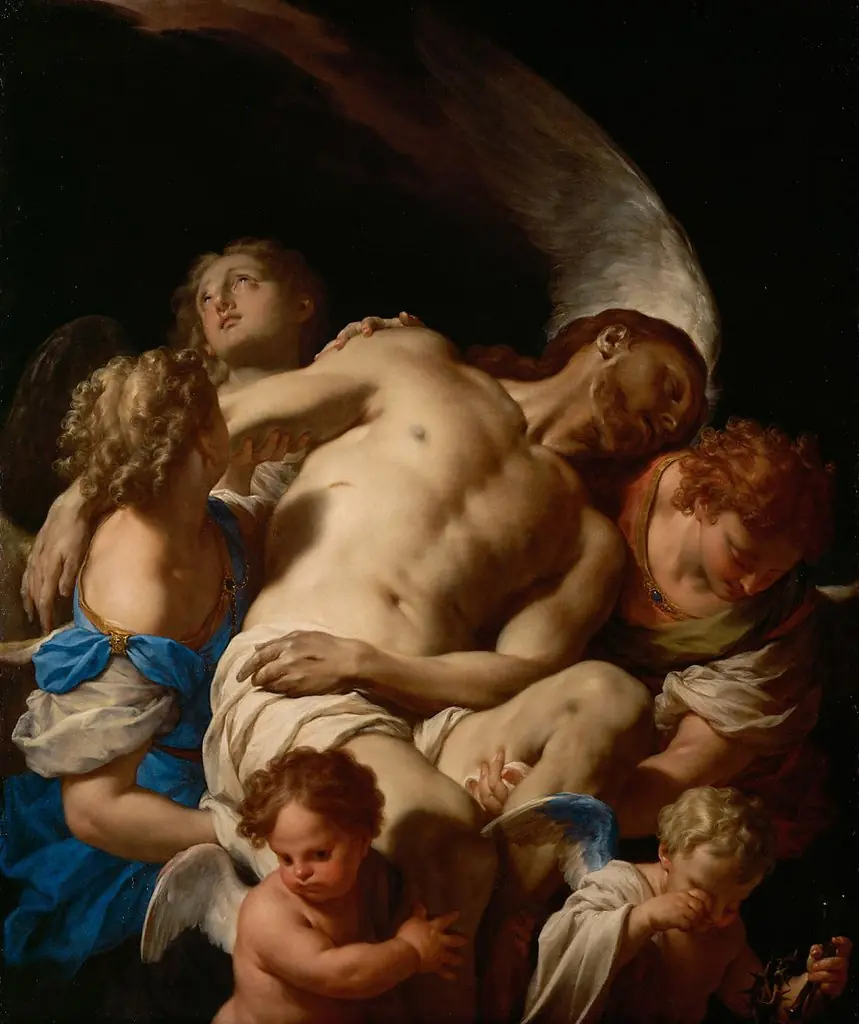
Angel pieta is an oil painting by the Flemish Baroque painting artist Lodewijk de Deyster. It dates from 1651 and is held in the collection of the Groeningemuseum.
About this work
Overview
Painted in 1651 by Lodewijk de Deyster, *Angel Pietà* is an oil-on-canvas work that presents a quiet, devotional moment from Christian iconography.
Painted in 1651 by Lodewijk de Deyster, *Angel Pietà* is an oil-on-canvas work that presents a quiet, devotional moment from Christian iconography. De Deyster, active in Bruges, specialized in religious scenes and portraiture, and this piece exemplifies his engagement with sacred narratives through a restrained, contemplative lens. The painting resides in the Groeningemuseum’s collection, where it stands as a representative of mid-17th-century Flemish religious art.
Subject & Meaning
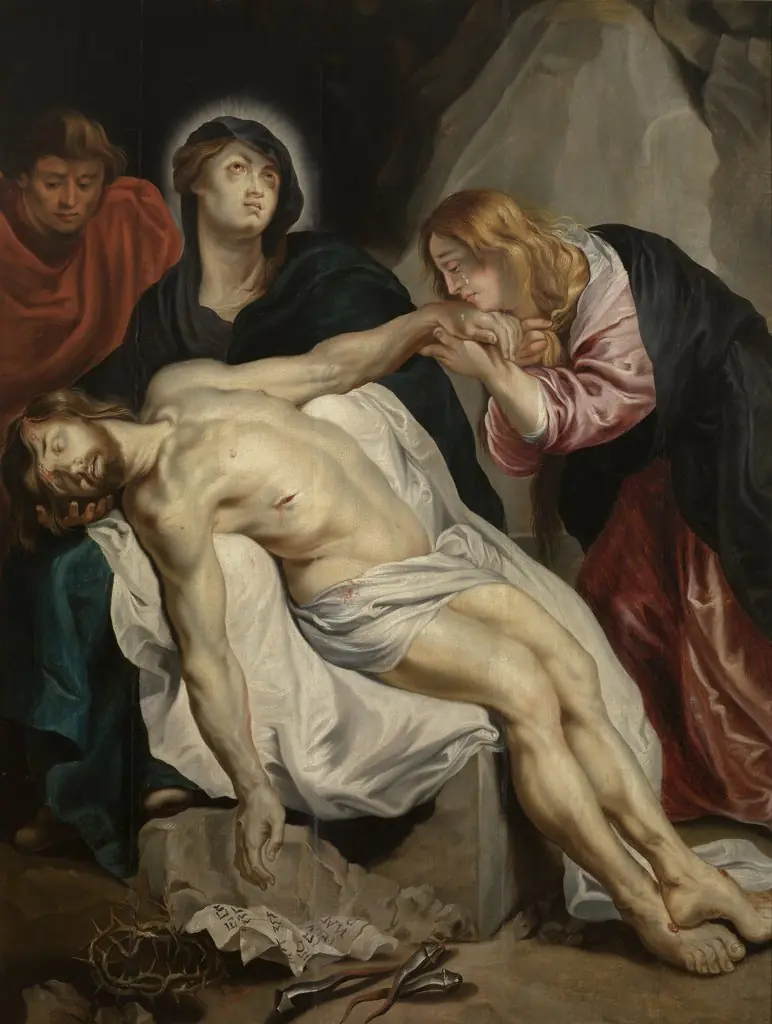
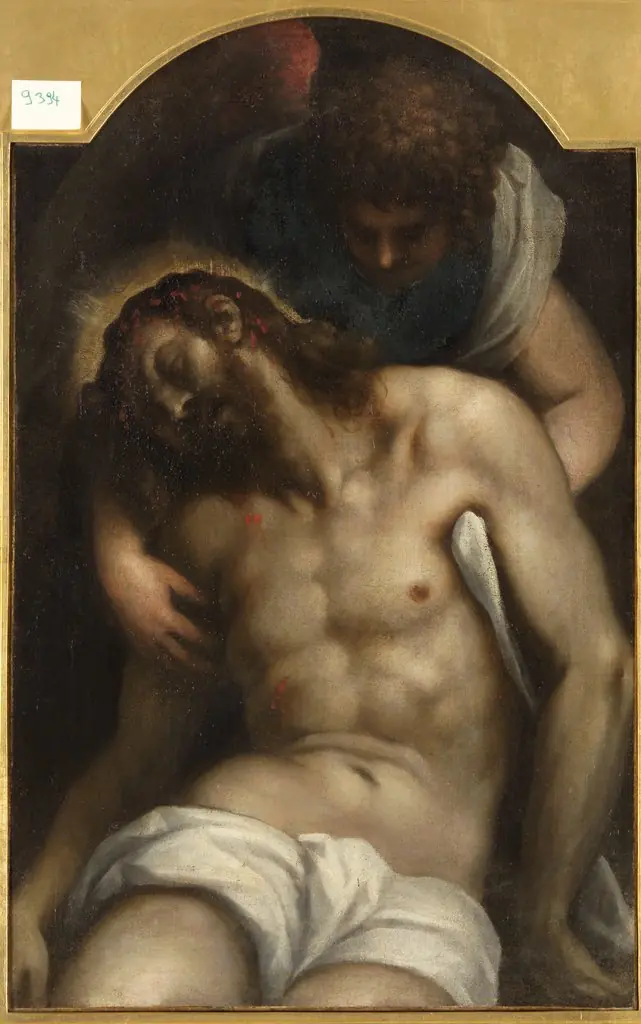
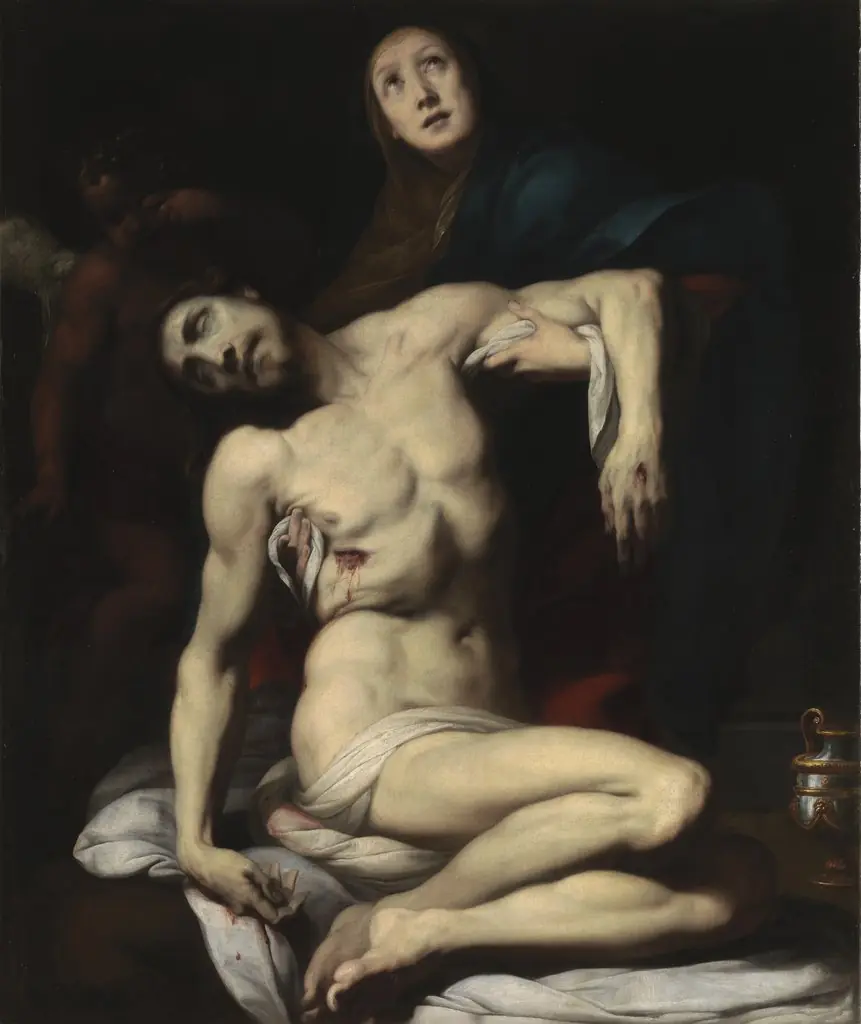
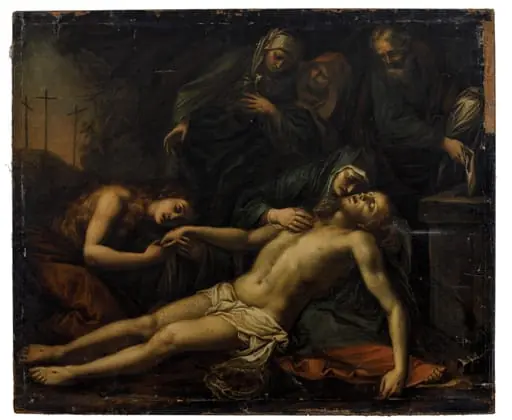
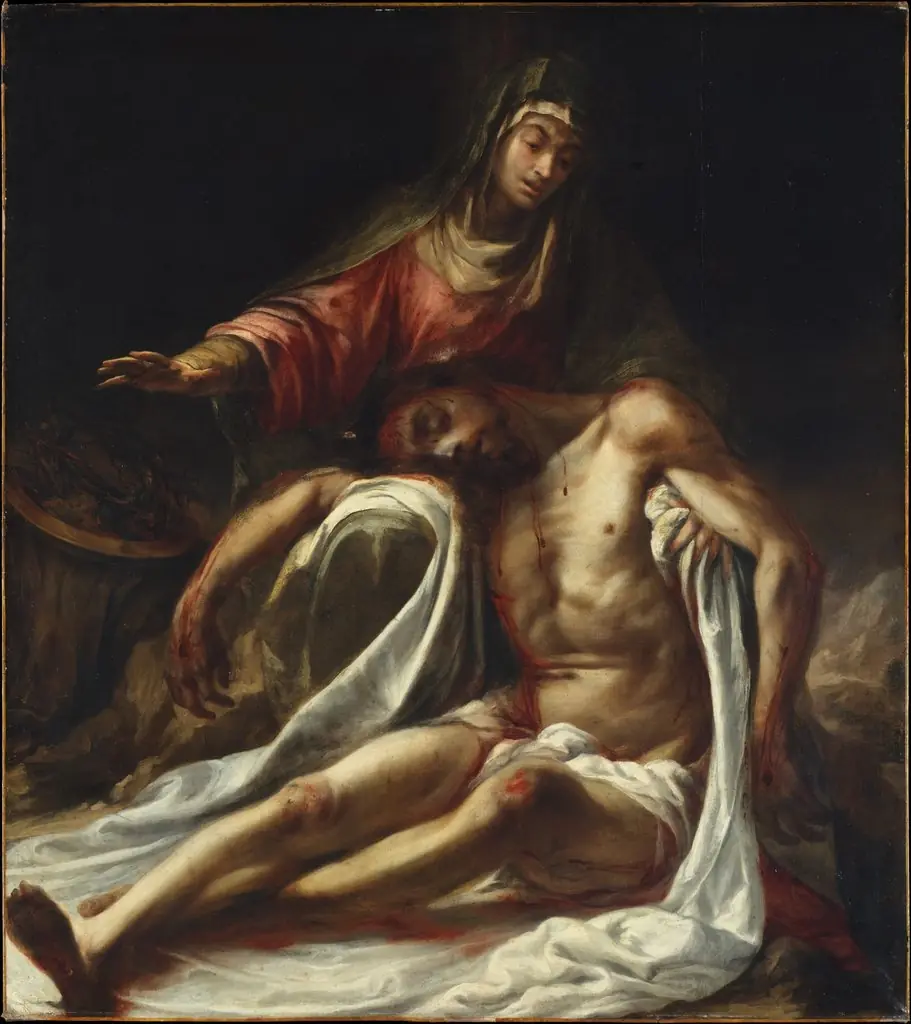
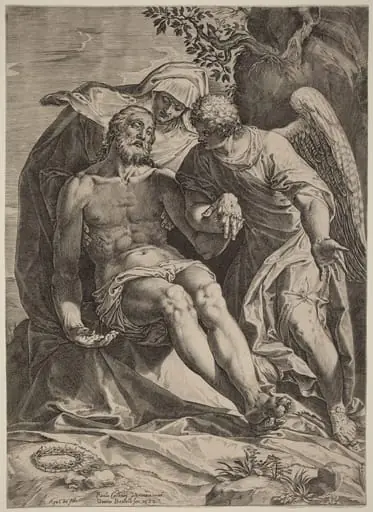
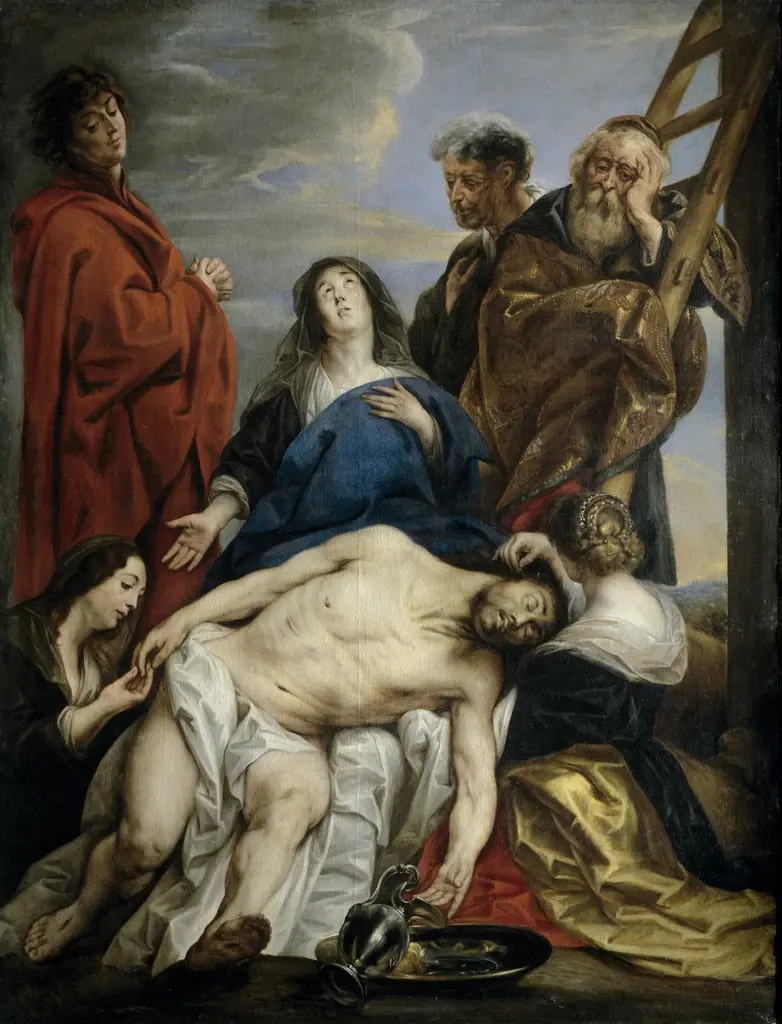
The composition centers on the body of Christ, gently cradled by an angel, while a second angel observes in silent mourning. This variant of the Pietà, typically showing the Virgin Mary holding Christ, substitutes the Virgin with an angel, emphasizing divine care and sorrow beyond human grief. The scene invites reflection on sacrifice and spiritual consolation, avoiding theatricality in favor of solemn intimacy.
Technique & Style
De Deyster employs chiaroscuro to model the figures with subtle gradations of light and shadow, lending volume and emotional weight to the forms. The palette is dominated by muted browns, grays, and deep ochres, reinforcing the painting’s meditative tone. Drapery flows in soft, rhythmic folds, and the angels’ wings are rendered with delicate precision, balancing naturalism with symbolic gravity.
History & Provenance
Created in 1651, the painting remained within the cultural sphere of Flanders, eventually entering the Groeningemuseum’s holdings. De Deyster’s reputation as a draftsman and etcher preceded his painted works, and this piece reflects his sustained interest in biblical themes. While no detailed early provenance is recorded, its presence in the museum since the 19th century confirms its recognized significance within regional art history.
Context
De Deyster worked amid the lingering influence of Rubens and Van Dyck, absorbing their dramatic lighting and emotional depth while favoring a quieter, more introspective approach. His exposure to Italian painters like Giordano and Maratta is evident in the compositional clarity and sculptural modeling, yet he adapts these elements to a Flemish sensibility—emphasizing restraint over spectacle in religious representation.
Legacy
Though not widely known outside regional collections, *Angel Pietà* illustrates De Deyster’s ability to synthesize international Baroque trends into a personal, contemplative idiom. The work contributes to the understanding of lesser-known Flemish painters who sustained devotional art beyond the giants of the period, offering a nuanced alternative to the era’s more exuberant religious imagery.
Own this work as a print
Artist & collection
Artist
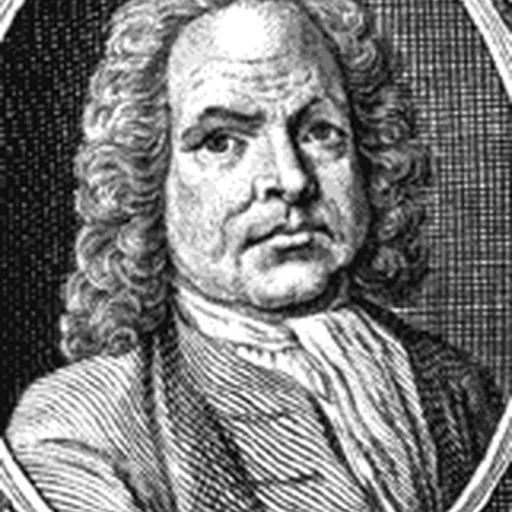
Lodewijk de Deyster (c. 1656 – 18 December 1711) was a Flemish draftsman, etcher, engraver, musical instrument maker and instrument maker. He painted biblical subjects and portraits. His Baroque paintings show a clear…