Artwork
Miraculous Fishing
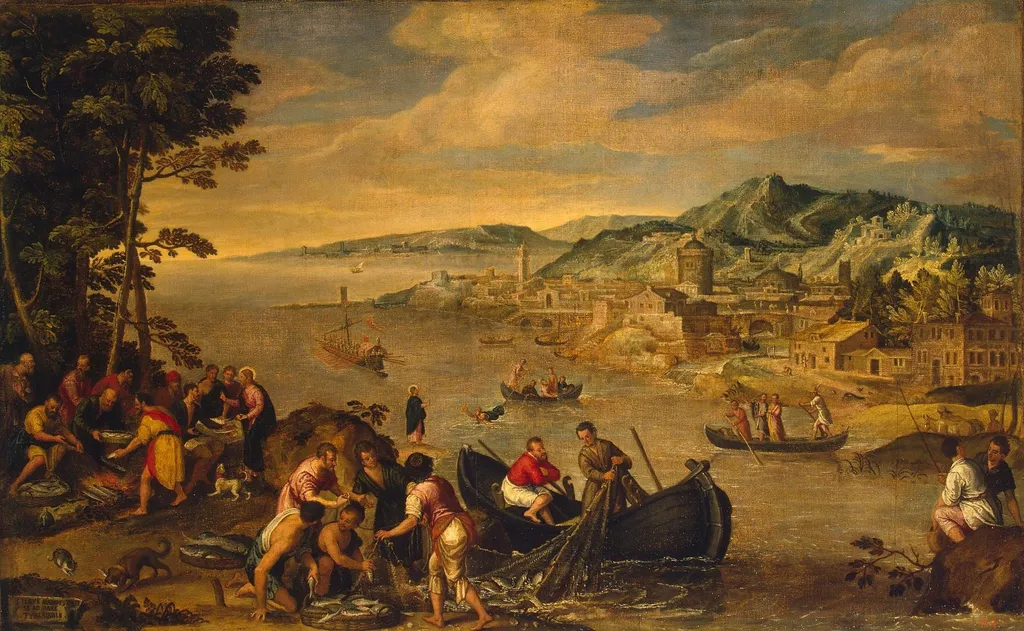
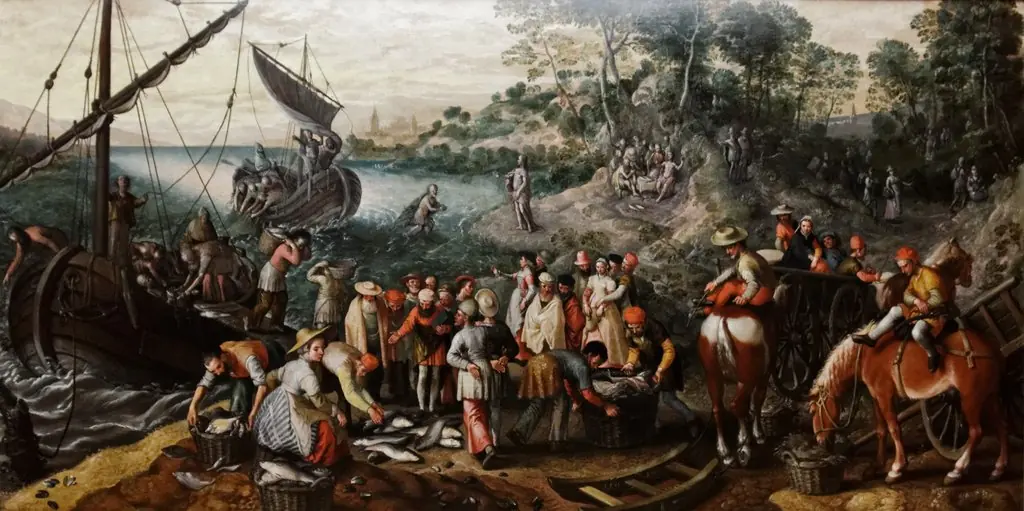
Miraculous Fishing is an oil painting by the Mannerist artist Lodewijk Toeput. It dates from 1590 and is held in the collection of the Hermitage Museum.
About this work
Overview
Lodewijk Toeput, also known as il Pozzoserrato, created the oil on canvas work *Miraculous Fishing* circa 1590. Executed during his Italian period, the painting combines a religious narrative with a detailed landscape, characteristic of the late‑sixteenth‑century Mannerist style. It is presently part of the State Hermitage Museum’s collection.
Subject & Meaning
The composition presents a calm waterside scene where figures fish, converse, and attend a small boat, while a distant town and rolling hills frame the setting. Though the title suggests a miraculous element, the visual focus rests on everyday leisure, inviting contemplation of the harmony between human activity and nature.
Technique & Style
Toeput employs a warm palette and soft illumination to convey tranquility, while chiaroscuro—strong light‑dark contrasts—gives the figures and landscape a three‑dimensional presence. The careful rendering of foliage, architecture, and atmospheric sky reflects the Mannerist interest in complex, idealized scenery.
History & Provenance
Painted around 1590, the work remained in private collections before entering the State Hermitage Museum, where it is displayed among other examples of Northern artists who worked in Italy. Its acquisition history underscores the museum’s focus on cross‑cultural artistic exchanges of the Renaissance.
Artist & collection
Artist
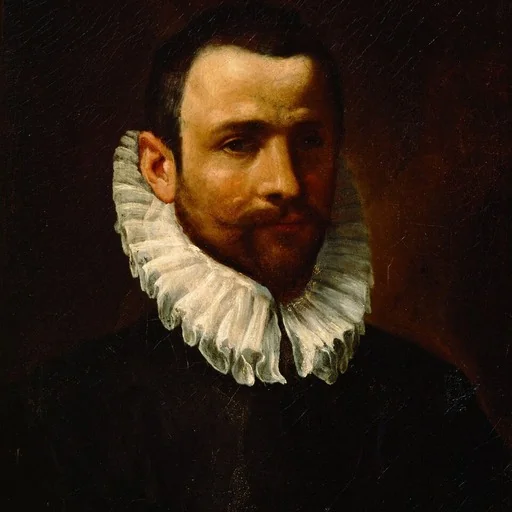
Lodewijk Toeput, called il Pozzoserrato (c. 1540/1550 – between 1603 and 1605) was a Flemish landscape painter and draftsman active in Italy. He is mainly known for his canvases and frescoes of landscapes and formal…

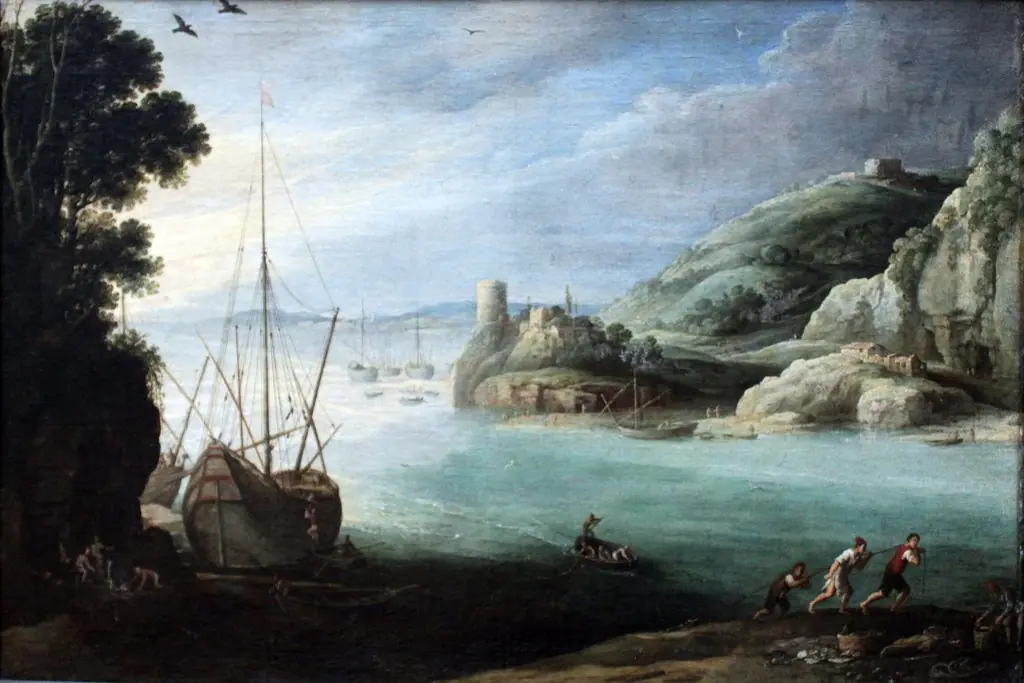 Mountainous seashore
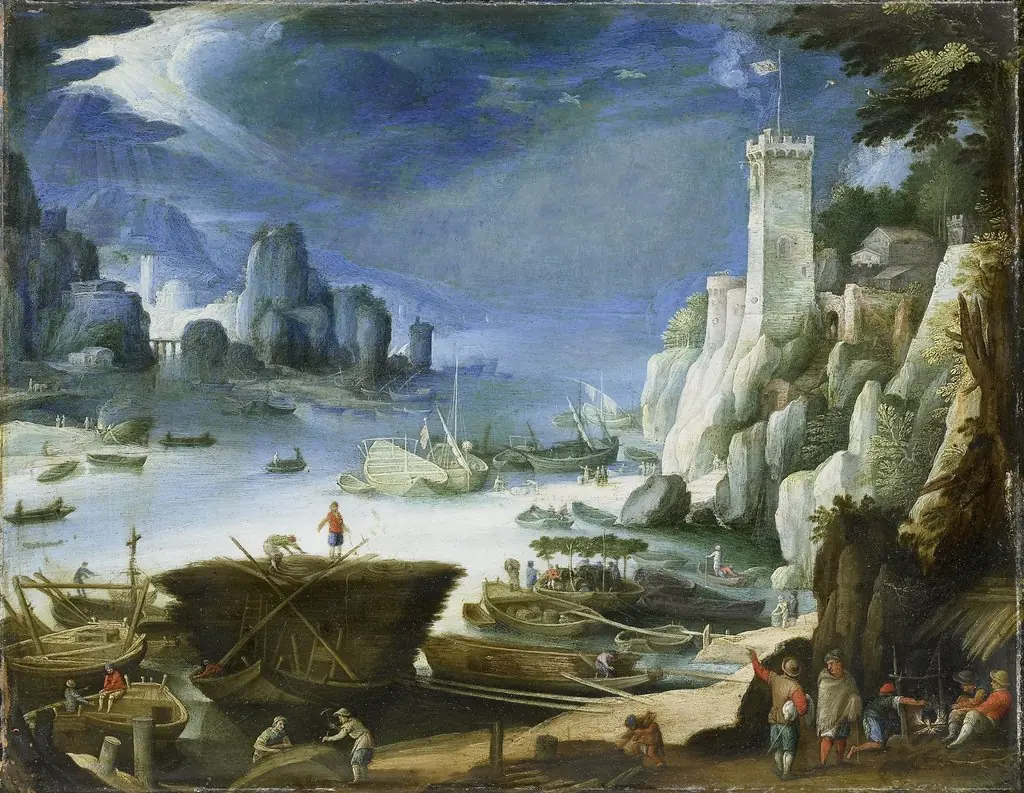 River view with Large Rock
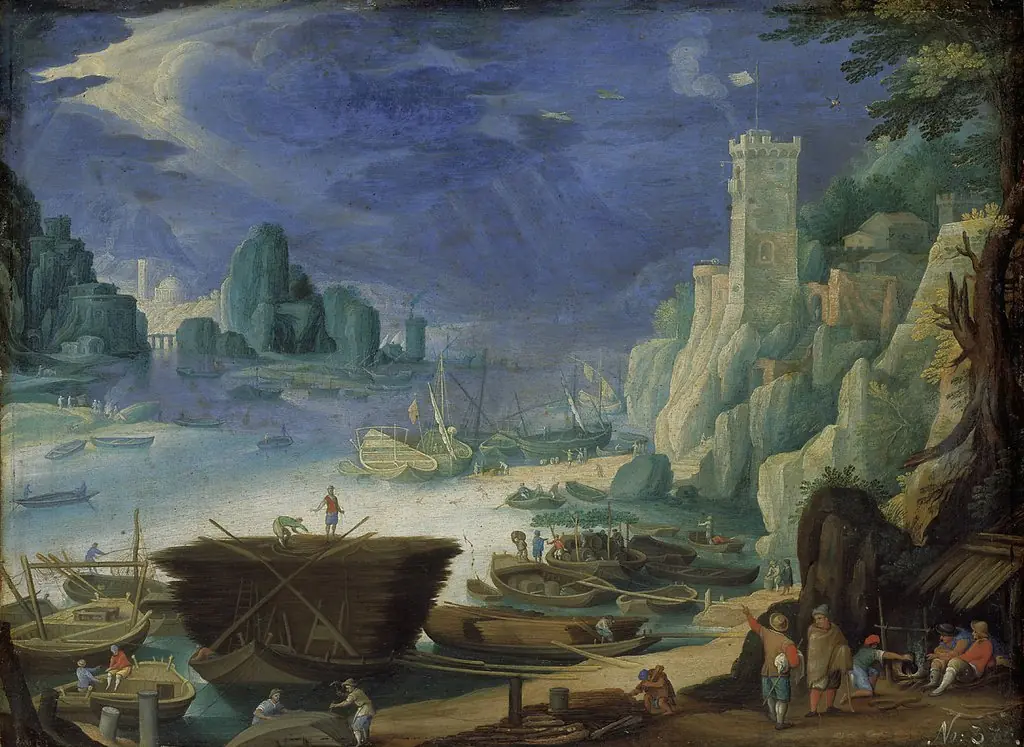 Nächtliche Hafenlandschaft mit Leuchtturm
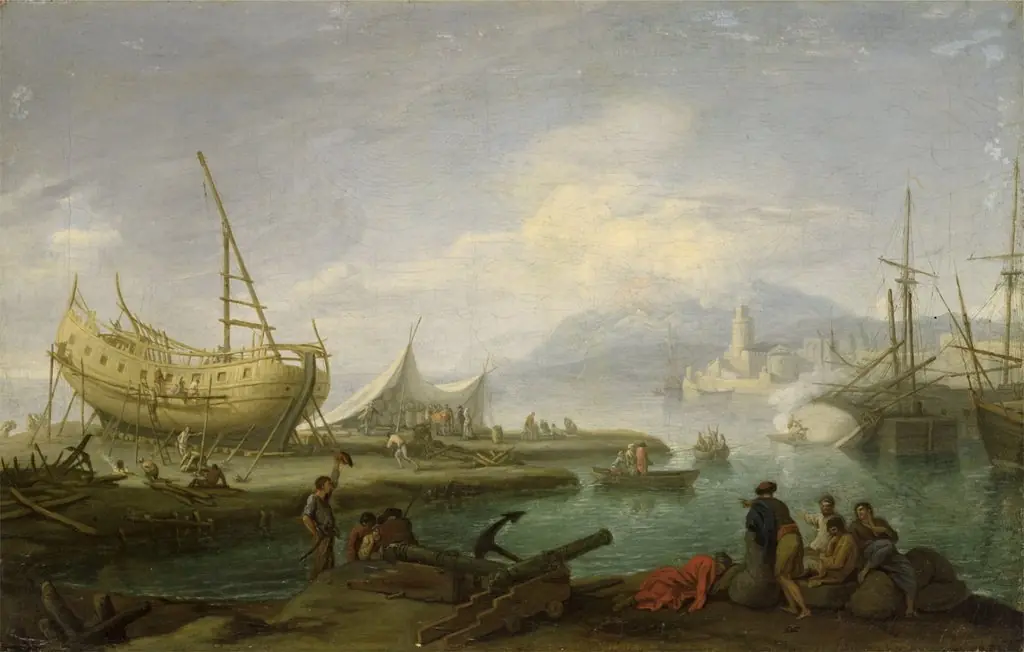 Coastal Landscape
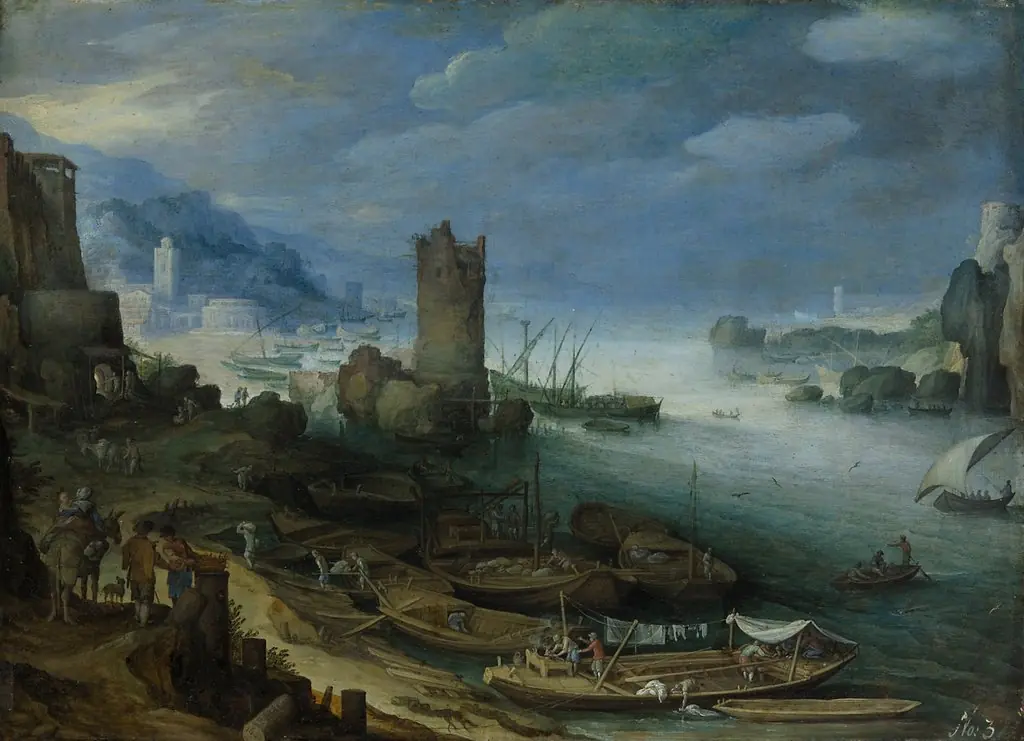 Flußlandschaft mit Turmruine
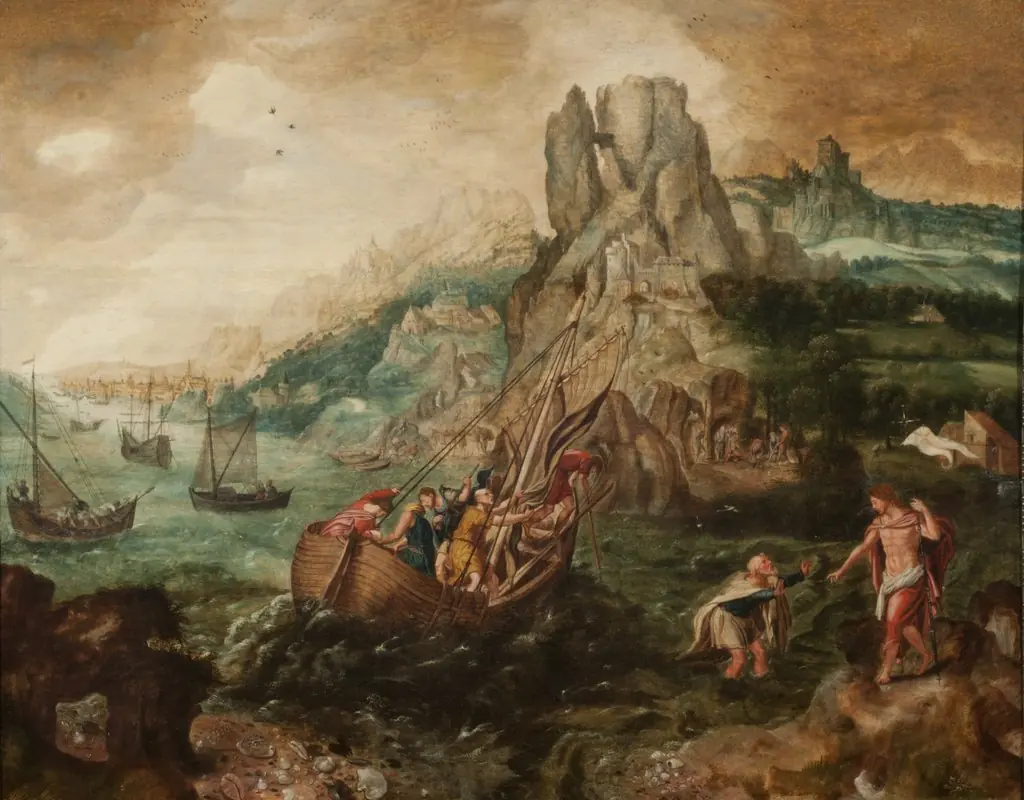 The last appearance of Christ to his disciples
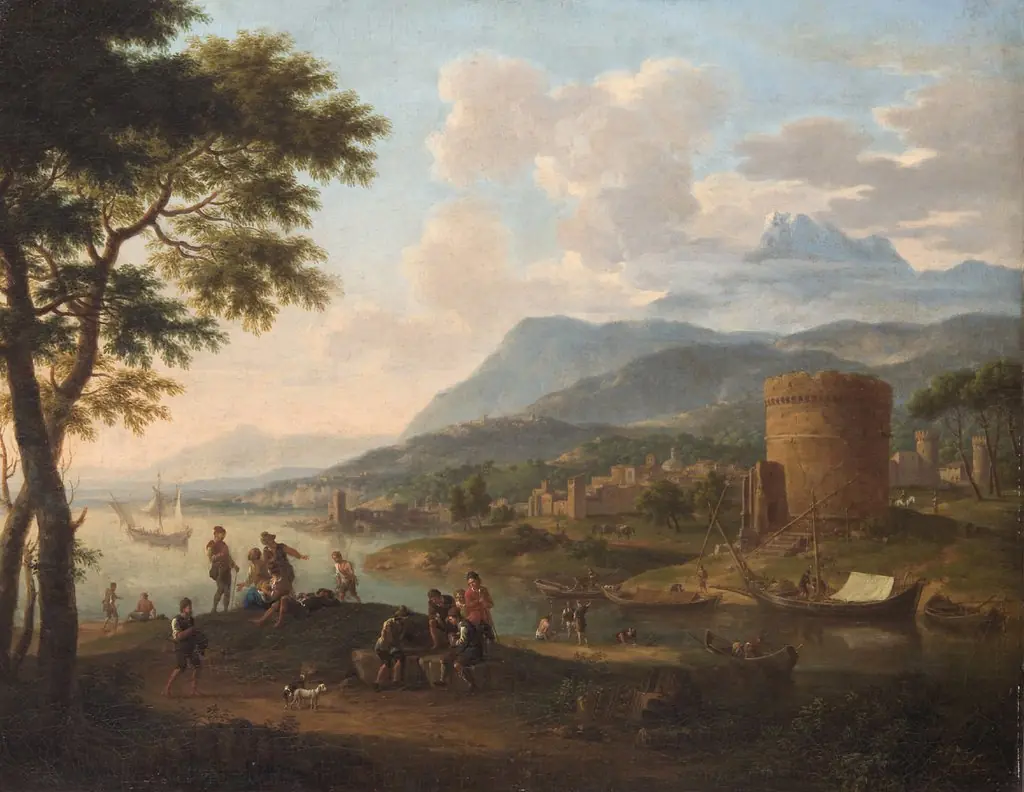 Italienische Abendlandschaft
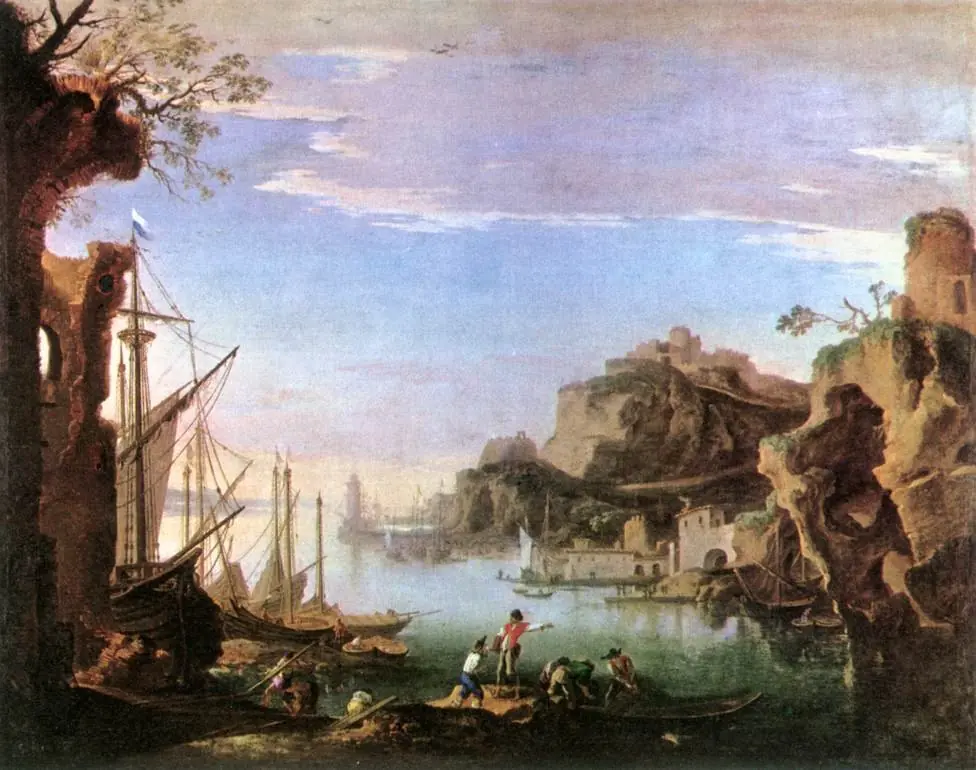 Harbour with Ruins
 Italienischer Seehafen
 Landschaft mit Brücke
 River Bank
 The Miraculous Draught of Fishes