Artwork
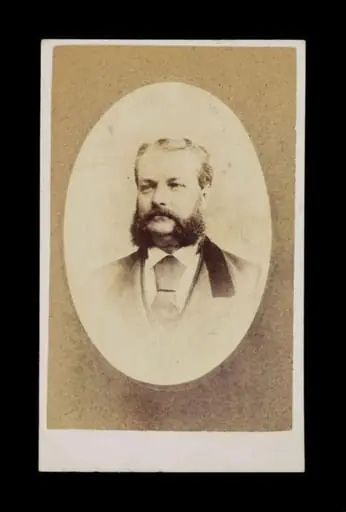
A portrait of 'The Most Hon the Marquis of Salisbury'
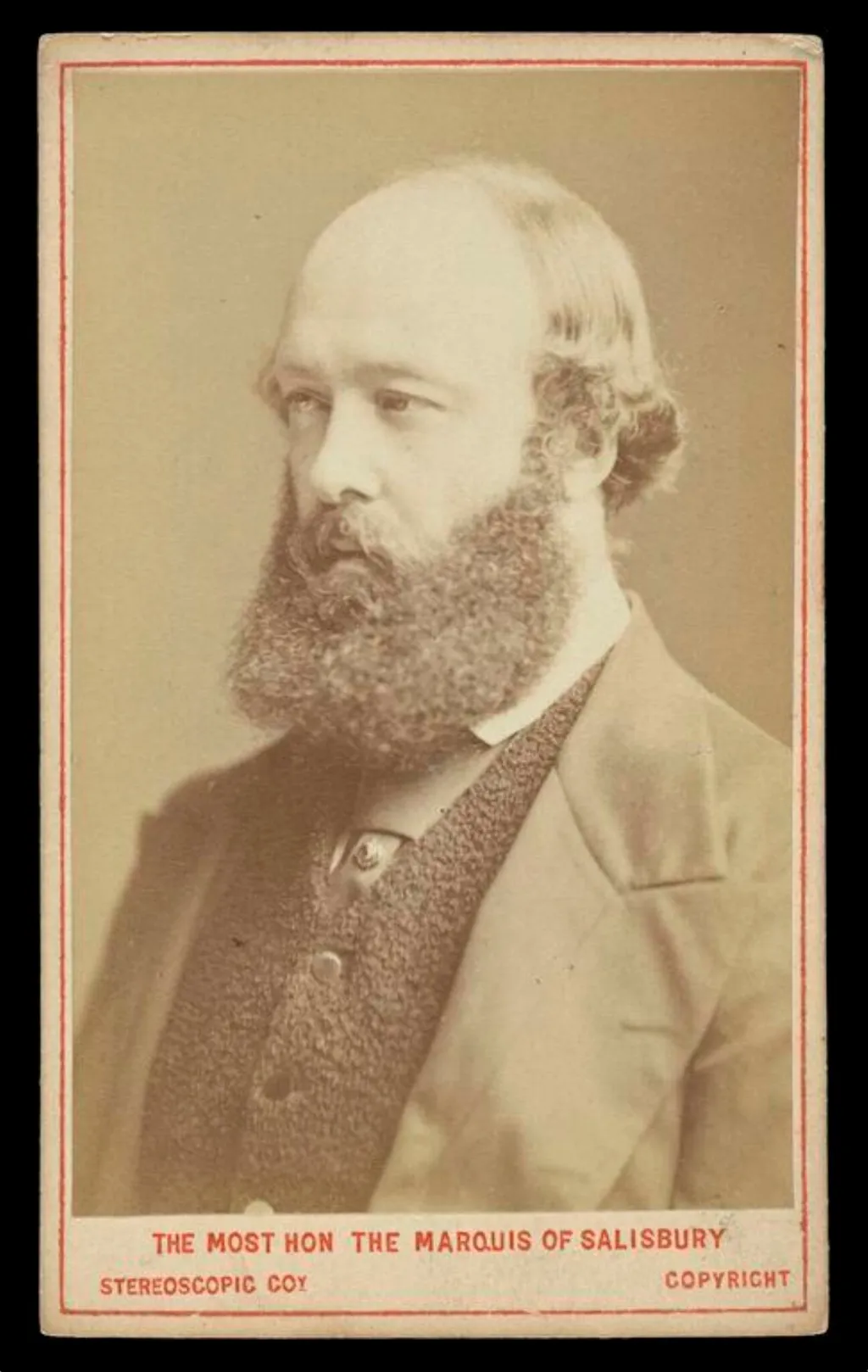
A portrait of 'The Most Hon the Marquis of Salisbury' is a photographic photography by the Impressionist artist London Stereoscopic and Photographic Company. It dates from 1878 and is held in the collection of the Victoria and Albert Museum.
About this work
Overview
This small-format carte‑de‑visite, produced in 1878, presents Robert Arthur Talbot Gascoyne‑Cecil, the third Marquess of Salisbury, in a straightforward, frontal pose. The black‑and‑white image captures the statesman in a dark coat and light vest, his gray hair and full beard rendered with clear contrast against an unadorned backdrop.
Subject & Meaning
The portrait records Salisbury at the height of his political career; he had served multiple terms as Prime Minister of the United Kingdom. The serious, sideward glance and restrained attire convey the dignified bearing expected of a Victorian-era public figure, emphasizing authority and composure over personal intimacy.
Technique & Style
Printed as a carte‑de‑visite, the photograph measures roughly 6 × 9 cm and was manufactured by the London Stereoscopic and Photographic Company, a firm known for producing stereoscopic images for handheld viewers. The image employs the collodion wet‑plate process typical of the period, yielding sharp tonal gradations and a uniform, plain background that isolates the sitter.
History & Provenance
Issued by the London Stereoscopic and Photographic Company, the photograph was part of a popular series of collectible portrait cards circulated among the Victorian middle class. Such cards were often exchanged as social tokens, allowing the public to acquire likenesses of prominent individuals like the Marquess of Salisbury.
Context
In the late nineteenth century, cartes‑de‑visite functioned as both personal mementos and a means of disseminating images of notable figures. The Marquess’s portrait reflects the era’s fascination with photographic reproducibility, aligning with contemporary practices of documenting political leaders for a growing audience of literate, image‑aware citizens.
Artist & collection
Artist
London Stereoscopic and Photographic Company
They snapped portraits for London’s theater crowd in the 1800s, turning actors and dancers into instant celebrities.

 Bayard Taylor
 H Beard Print Collection
 H Beard Print Collection
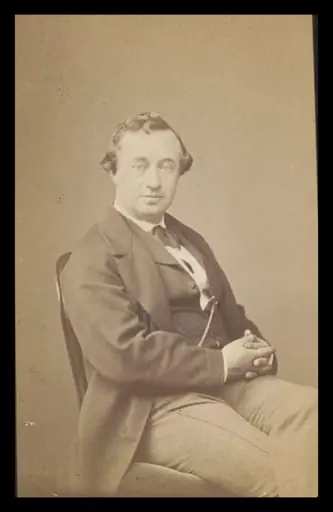 Guy Little Theatrical Photograph
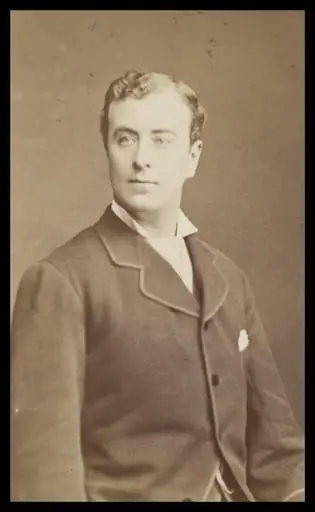 J.H. Barnes (1850-1925)
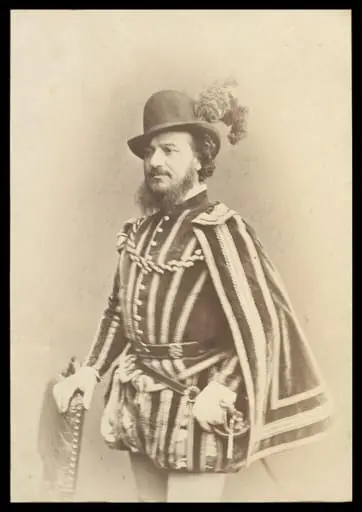 Guy Little Theatrical Photograph
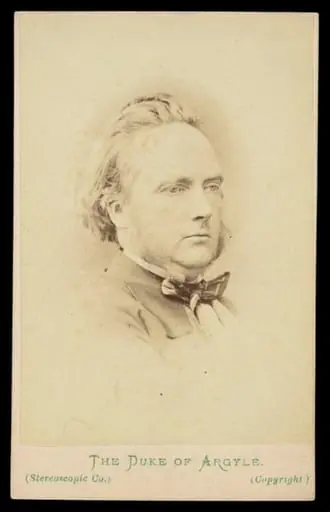 A portrait of 'The Duke of Argyll'
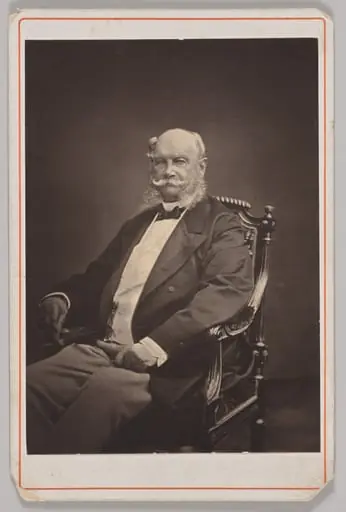 Wilhelm I, King of Prussia
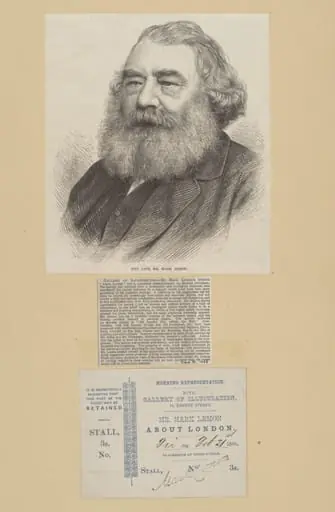 H Beard Print Collection
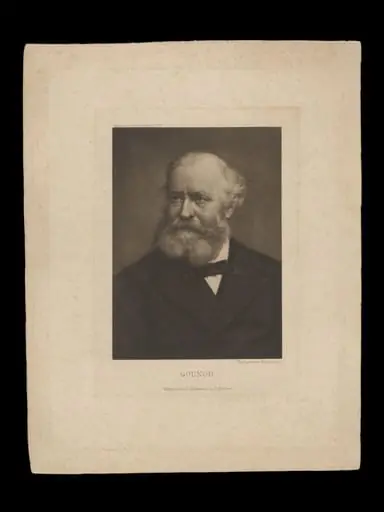 H Beard Print Collection
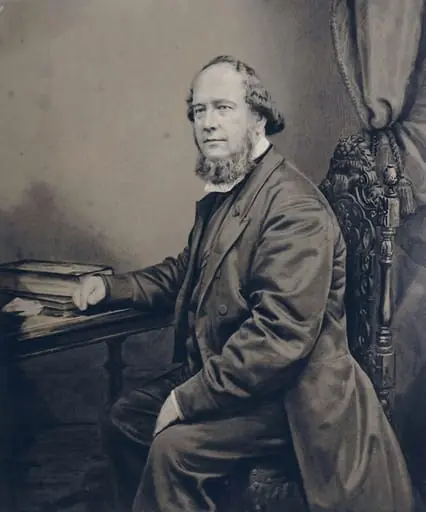 Painted photograph of a man
 A portrait of a man