Artwork
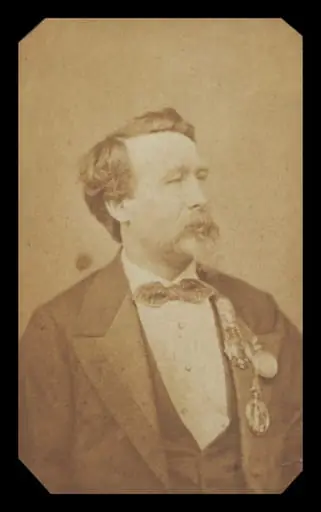
A portrait of a man
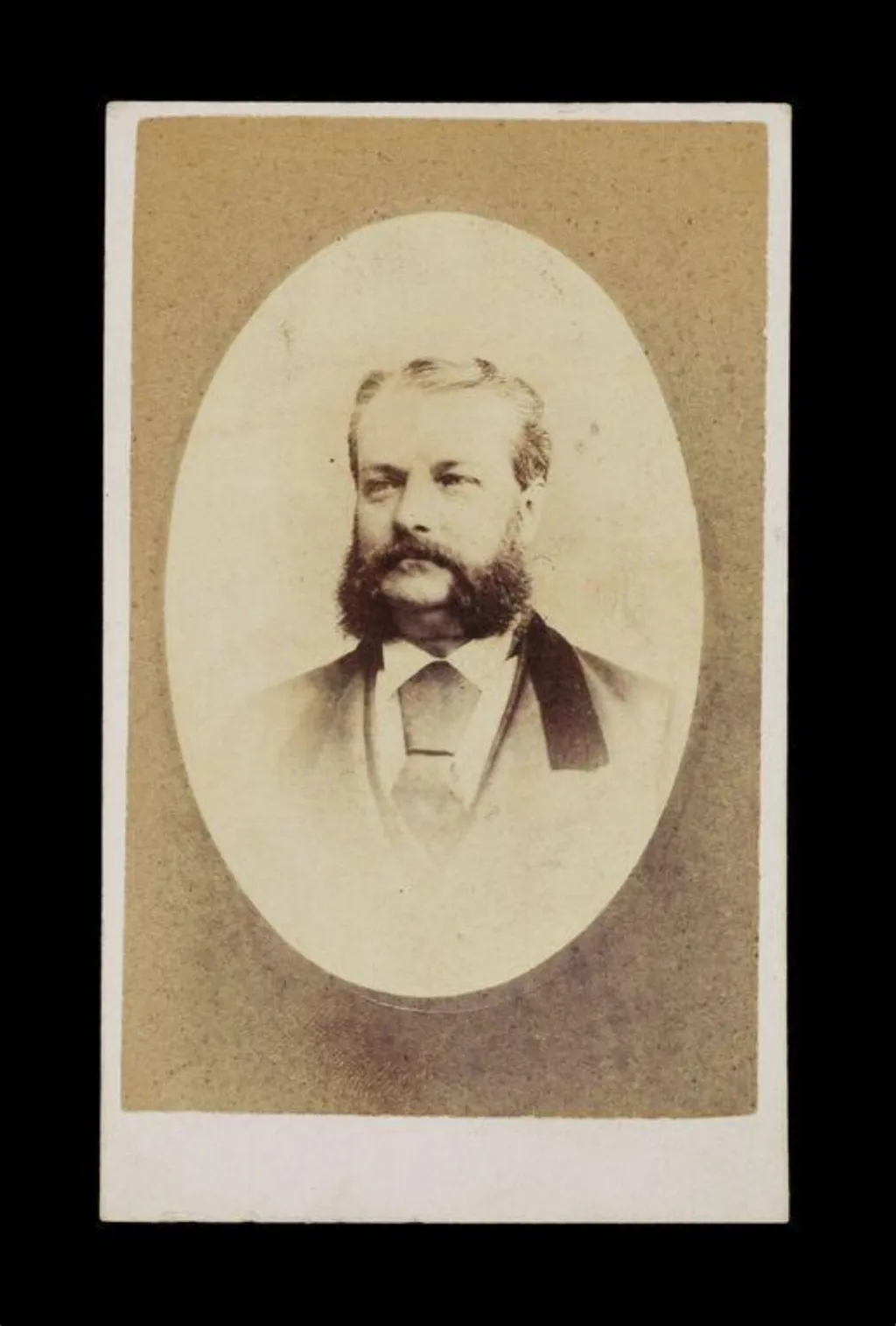
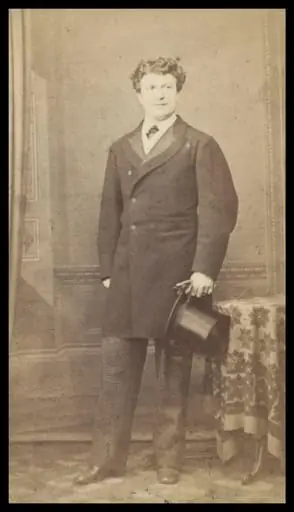
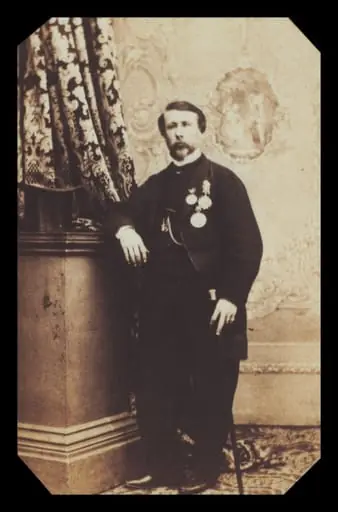
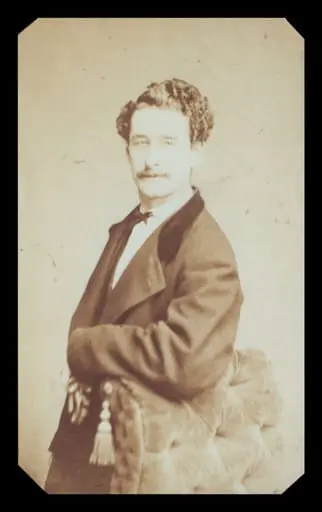
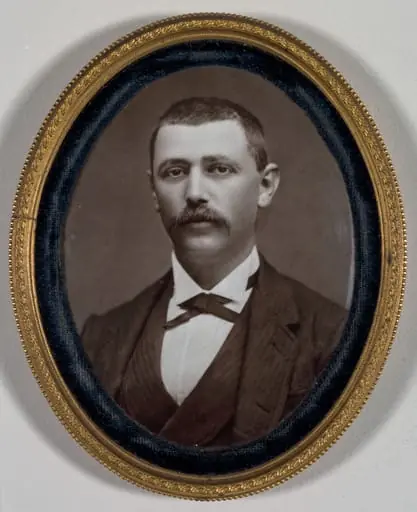
A portrait of a man is a photographic photography by the Impressionist artist West London Photographic Company. It dates from 1864 and is held in the collection of the Victoria and Albert Museum.
About this work
Overview
This 1864 carte‑de‑visite, produced by the West London Photographic Company, presents a close‑up portrait of a bearded gentleman. The image captures the sitter from the shoulders up against an unadorned backdrop, rendered in monochrome with a warm sepia tint that reflects the photographic conventions of the mid‑nineteenth century.
Subject & Meaning
The man is depicted in formal attire—a suit jacket, vest, and tie—and his beard and mustache frame a solemn expression. His direct gaze meets the viewer, suggesting a sense of personal presence and perhaps the Victorian era’s emphasis on propriety and self‑presentation.
Technique & Style
The photograph employs the carte‑de‑visite format, a small, album‑friendly print popular in the 1860s. Its realistic rendering, with careful attention to facial detail and texture, aligns with the Realist aesthetic that sought faithful representation of everyday subjects without idealization.
History & Provenance
Created by the West London Photographic Company, a prominent studio in mid‑Victorian London, the image reflects the commercial portrait market that flourished after the introduction of the collodion process. The carte‑de‑visite was widely exchanged among acquaintances, serving both as a personal memento and a social token.
Context
In the 1860s, photographic portraiture became increasingly accessible, and the Realist movement in visual arts emphasized accurate depiction of ordinary life. This portrait exemplifies those trends, illustrating how emerging photographic technologies intersected with contemporary artistic values to document individual identity.
Artist & collection
Artist
West London Photographic Company
This 1860s London studio made formal portraits on glass plates during photography’s earliest decades.