Artwork
Guy Little Theatrical Photograph
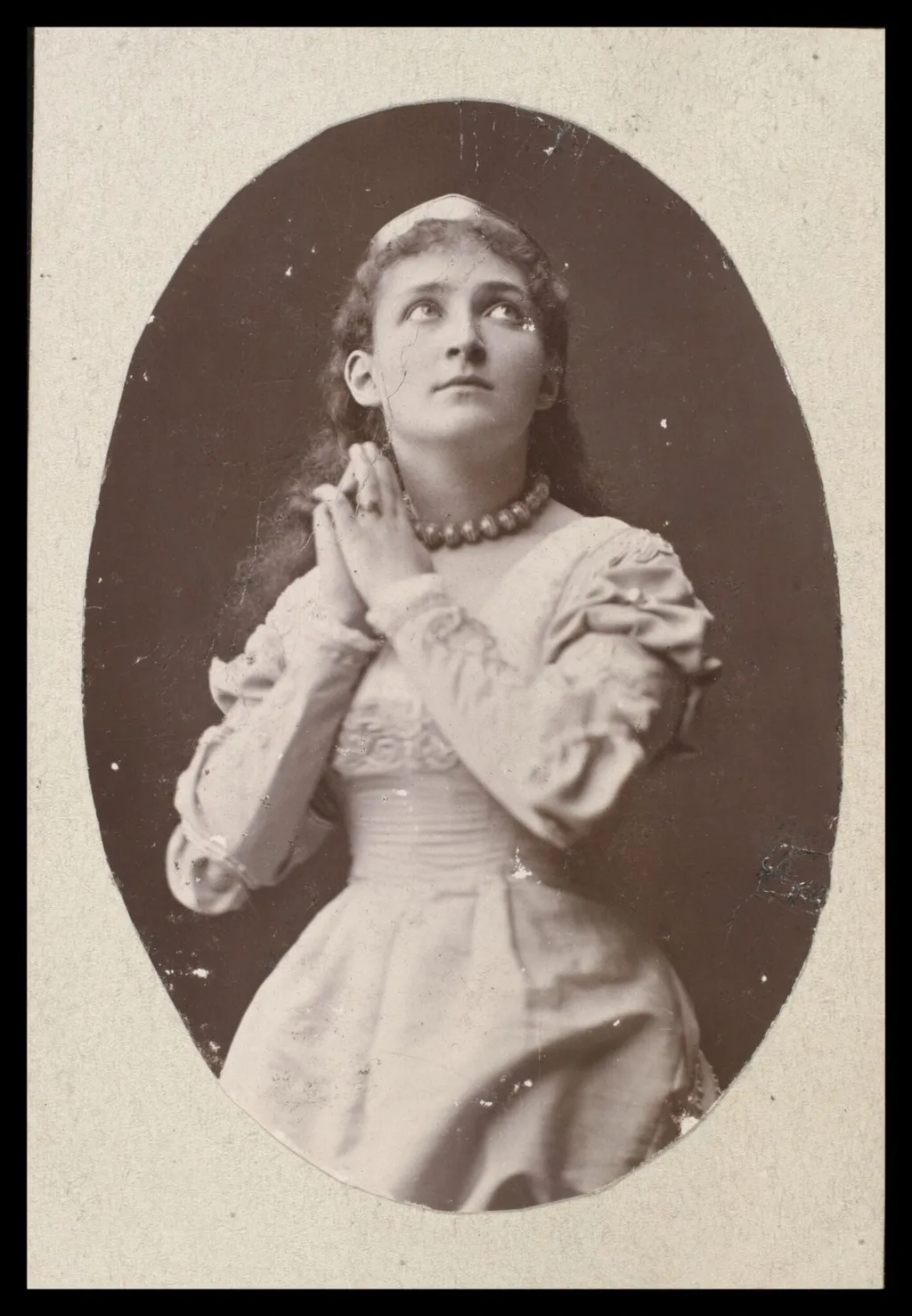
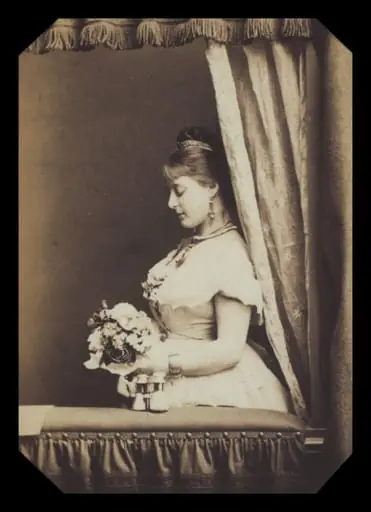
Guy Little Theatrical Photograph is a photographic photography by the Impressionist artist London Stereoscopic and Photographic Company. It dates from 1872 and is held in the collection of the Victoria and Albert Museum.
About this work
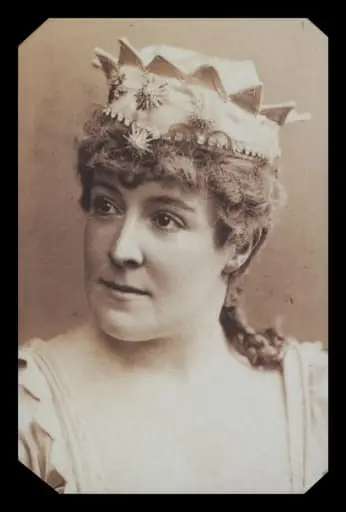
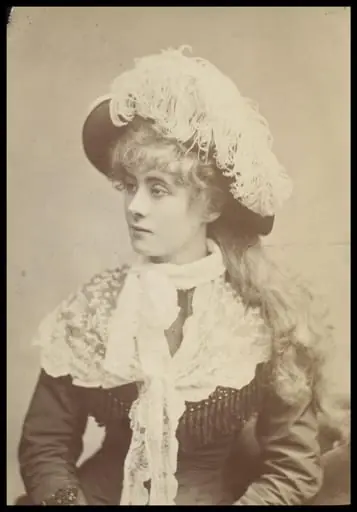
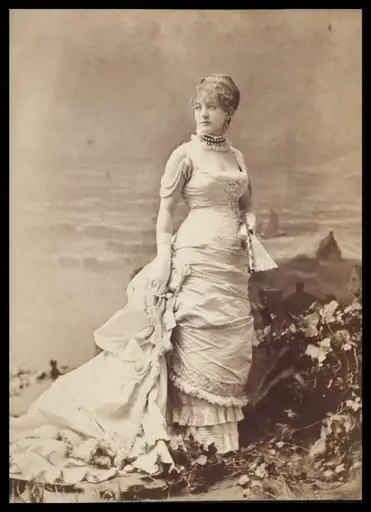
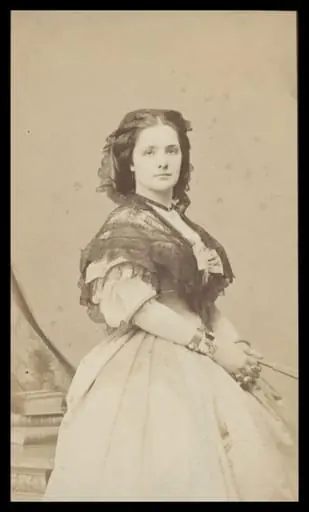
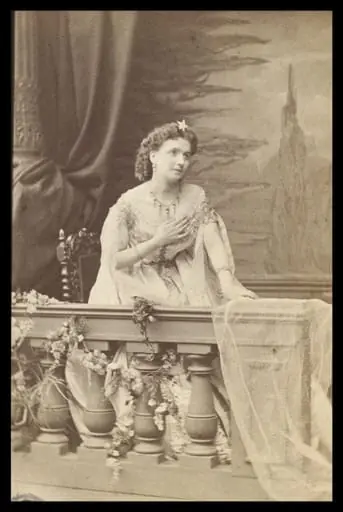
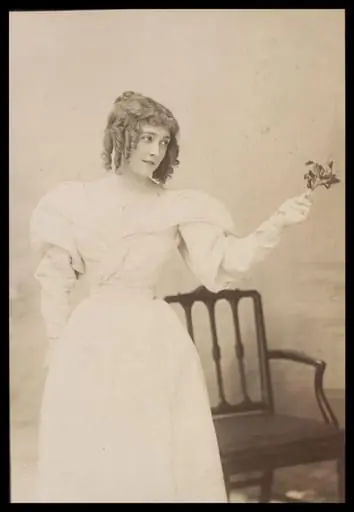
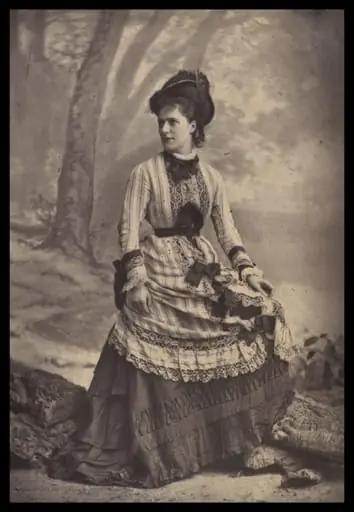
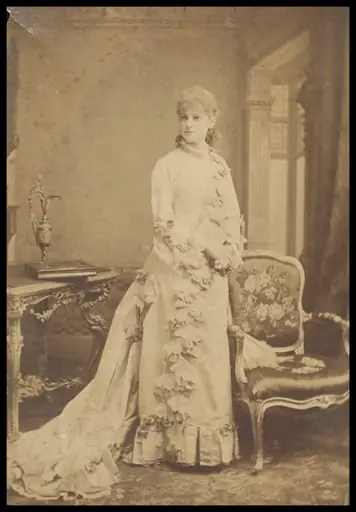
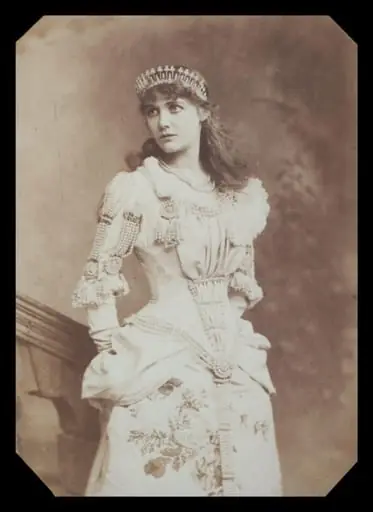
This photo shows Isabel Bateman playing Desdemona in a 1872 stage version of Othello. It’s one of many albumen prints made for Victorian actresses’ publicity cards.
Photography was new in the 1870s, and stage stars posed for collectible cards. These small photos were sold by the millions and helped spread fame beyond the theatre.
Look up the Victoria and Albert Museum.
Overview
Printed as an albumen photograph on card, it reflects the Victorian practice of distributing theatrical portraits as collectible memorabilia.
This photograph, part of Guy Tristram Little’s personal collection, captures actress Isabel Bateman in character as Desdemona during a 1872 production of Othello at London’s Lyceum Theatre. Printed as an albumen photograph on card, it reflects the Victorian practice of distributing theatrical portraits as collectible memorabilia. Little, a solicitor and avid collector, preserved hundreds of such images, later bequeathing them to the V&A, where they form part of the foundational materials of its Theatre Collections.
Subject & Meaning
Isabel Bateman’s portrayal of Desdemona is presented not as a dramatic moment from the play, but as a composed studio portrait, emphasizing her status as a celebrated stage performer. The costume and pose were chosen to convey elegance and tragic nobility, aligning with contemporary ideals of femininity and artistic refinement. These images served as both promotional tools and personal mementos, allowing audiences to maintain a tangible connection to performers beyond the live performance.
Technique & Style
The image is an albumen print, a common photographic process of the era that used egg white to bind light-sensitive chemicals to paper, mounted on a stiff card backing. The format follows the cabinet card style, larger than the earlier carte de visite, offering greater detail and durability. The composition is formal, with soft lighting and minimal background, directing focus to the sitter’s expression and costume — typical of theatrical portraiture designed for mass reproduction and public consumption.
History & Provenance
The photograph originated in the collection of Guy Tristram Little, who systematically removed such cards from their original mounts and reorganized them into albums. A partner in a London law firm and executor of Gabrielle Enthoven’s estate, Little inherited and preserved her extensive theatrical archive. His collection, donated to the V&A after his death in 1953, became a critical resource for documenting 19th-century British theatre culture and performance history.
Context
In the 1870s, photography was transforming how the public engaged with theatre. As stage performances were ephemeral, photographic portraits offered a lasting record of actors and roles. Cabinet cards, popular from the late 1870s onward, replaced smaller cartes de visite and were widely traded among enthusiasts. These images helped construct celebrity culture, turning performers into household names and bridging the gap between elite theatre and middle-class domestic life.
Legacy
Little’s collection, now housed at the V&A, preserves a unique visual record of Victorian theatre’s commercial and cultural practices. These photographs document not only individual performances but also the rise of celebrity imagery and the early commodification of theatrical identity. The archive remains a vital resource for scholars studying performance, photography, and the social history of leisure in 19th-century Britain.
Artist & collection
Artist
London Stereoscopic and Photographic Company
They snapped portraits for London’s theater crowd in the 1800s, turning actors and dancers into instant celebrities.