Artwork
Guy Little Theatrical Photograph
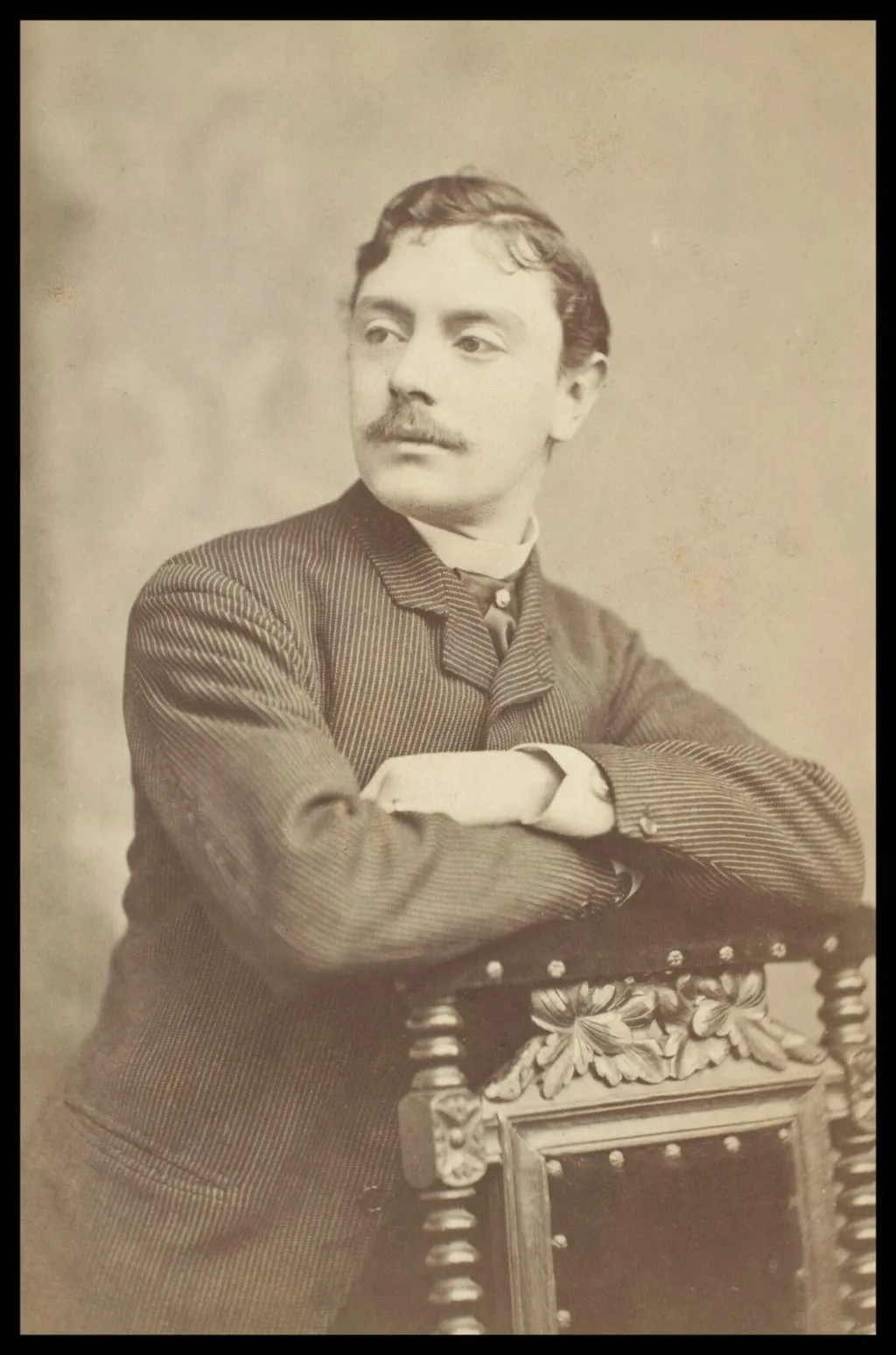
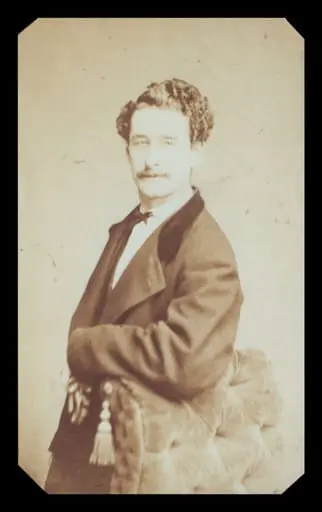
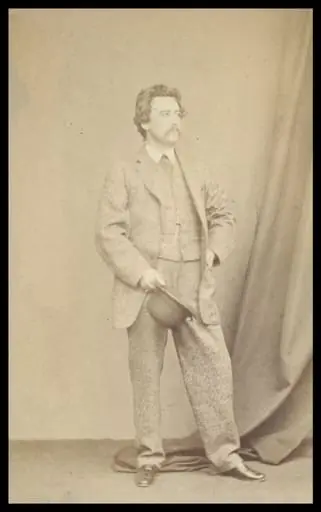
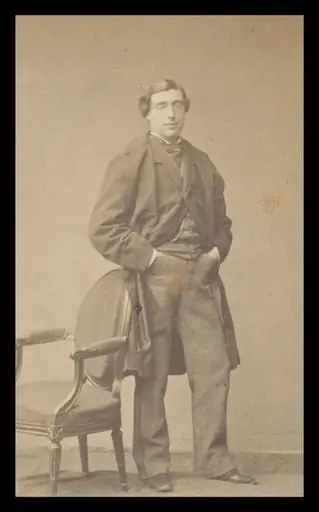
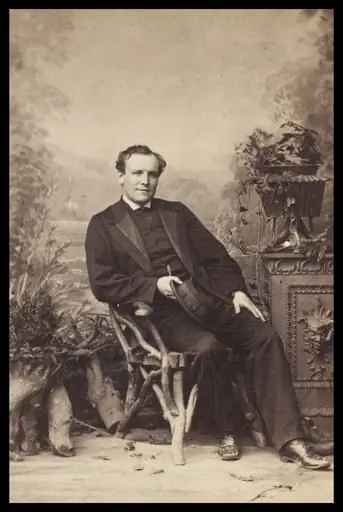
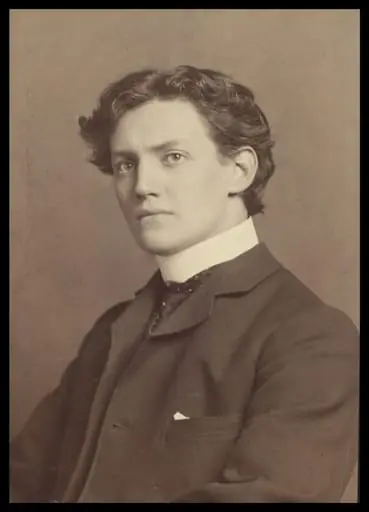
Guy Little Theatrical Photograph is a photographic photography by London Stereoscopic Company. It dates from 1850 and is held in the collection of the Victoria and Albert Museum. This photograph is part of a personal collection assembled by Guy Tristram Little, a solicitor and avid collector of visual ephemera.
About this work
Overview
This photograph is part of a personal collection assembled by Guy Tristram Little, a solicitor and avid collector of visual ephemera.
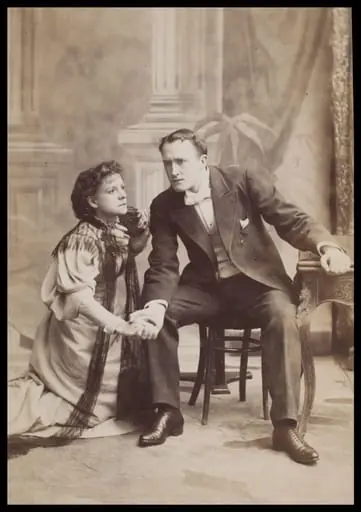
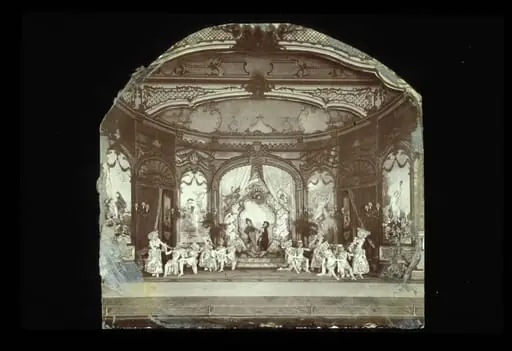
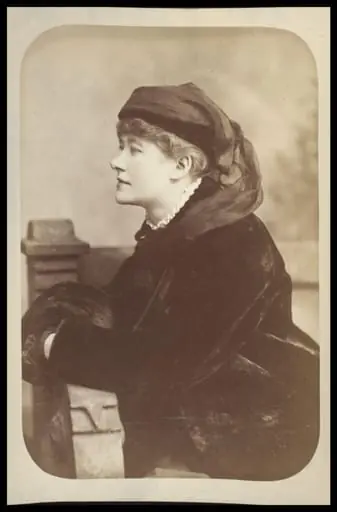
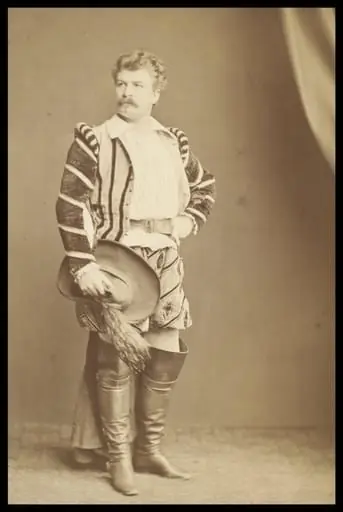
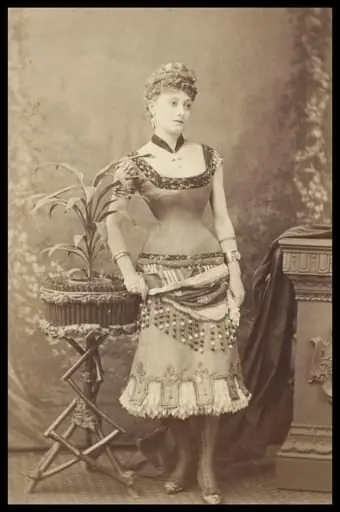
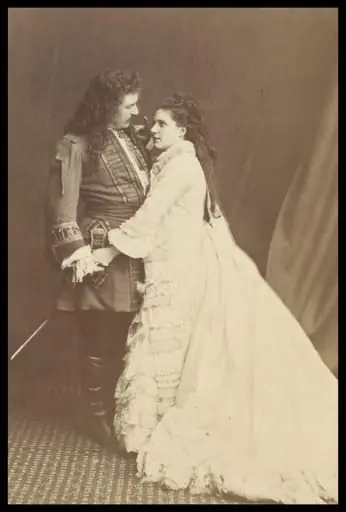
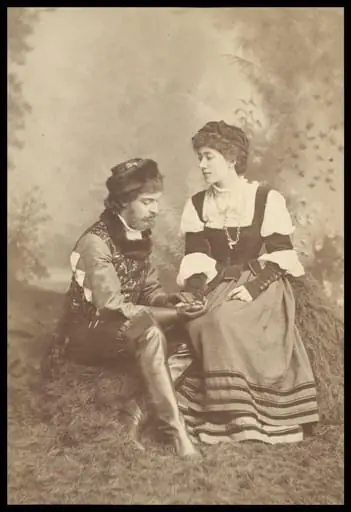
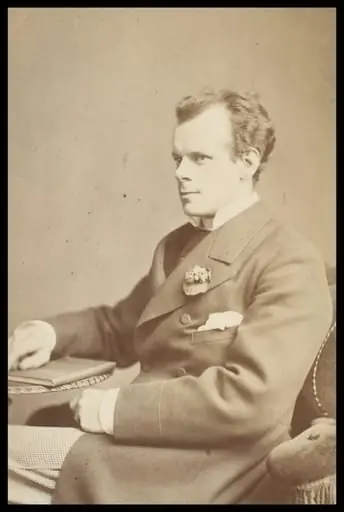
This photograph is part of a personal collection assembled by Guy Tristram Little, a solicitor and avid collector of visual ephemera. It depicts the actor Lytton Sothern, captured in a format typical of late 19th-century theatrical portraiture. The image was originally produced as either a carte de visite or cabinet card, both mass-produced albumen prints mounted on cardstock, commonly used for personal and commercial distribution during the Victorian era.
Subject & Meaning
Lytton Sothern, a prominent stage actor of the period, is portrayed in a manner intended to reinforce his public persona. Such photographs served as both promotional tools and personal mementos, allowing audiences to maintain a visual connection with performers beyond the theater. The choice of attire—whether costume or everyday dress—reflected the actor’s public image and the collector’s interest in theatrical identity.
Technique & Style
The image was made using the albumen printing process from a glass negative, the standard method for photographic portraiture between the 1850s and 1890s. The print was mounted on a stiff card, bearing the photographer’s imprint, consistent with commercial studio practices of the time. These cards were designed for durability and display, often stored in bound albums by collectors seeking to curate visual records of cultural figures.
History & Provenance
The photograph was once part of a larger assemblage of theatrical portraits collected by Guy Little, who systematically removed them from their original mounts and reorganized them into themed albums. After his death in 1953, the collection was bequeathed to the Victoria and Albert Museum. Little’s role as executor for Gabrielle Enthoven’s theatrical archive further links him to the institutional foundation of the V&A’s theater holdings.
Context
During the mid-to-late 19th century, photographic portraits of actors became a widespread cultural phenomenon. Cartes de visite, introduced in 1854, were collected like trading cards, while cabinet cards, larger and more robust, replaced them by the 1870s. These formats reflected broader trends in middle-class leisure, where collecting images of celebrities mirrored the rise of mass media and public fascination with performance.
Legacy
Little’s collection preserved a significant cross-section of Victorian and Edwardian theatrical culture, offering researchers a tangible record of how actors were visually represented and consumed. The transfer of his albums to the V&A ensured their survival as primary sources for the study of performance history, photography, and the material culture of fandom in the 19th century.
Artist & collection

Artist
The London Stereoscopic and Photographic Company was founded in 1854 by George Swan Nottage and Howard John Kennard.