Artwork
Nativity of Jesus
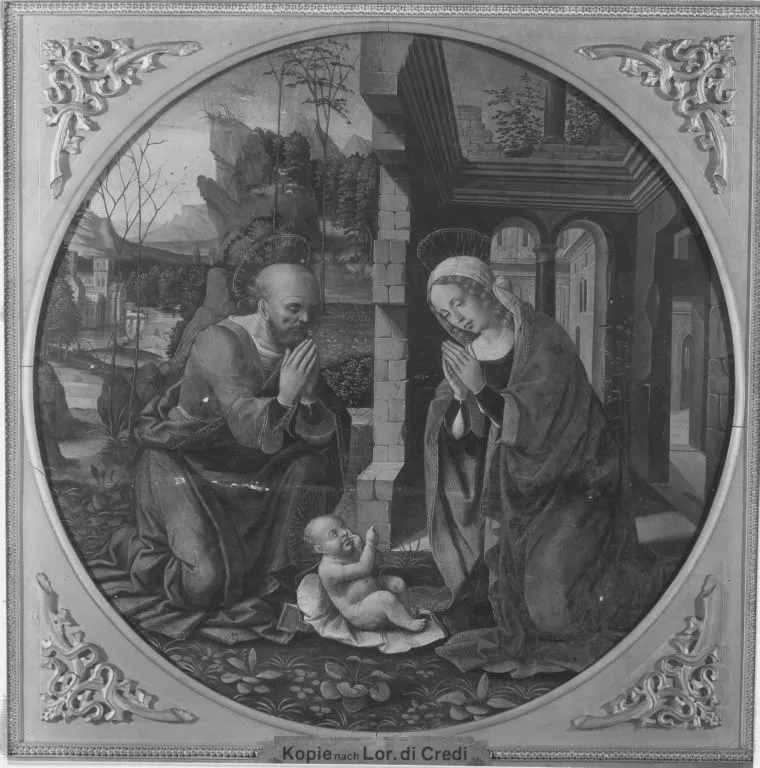
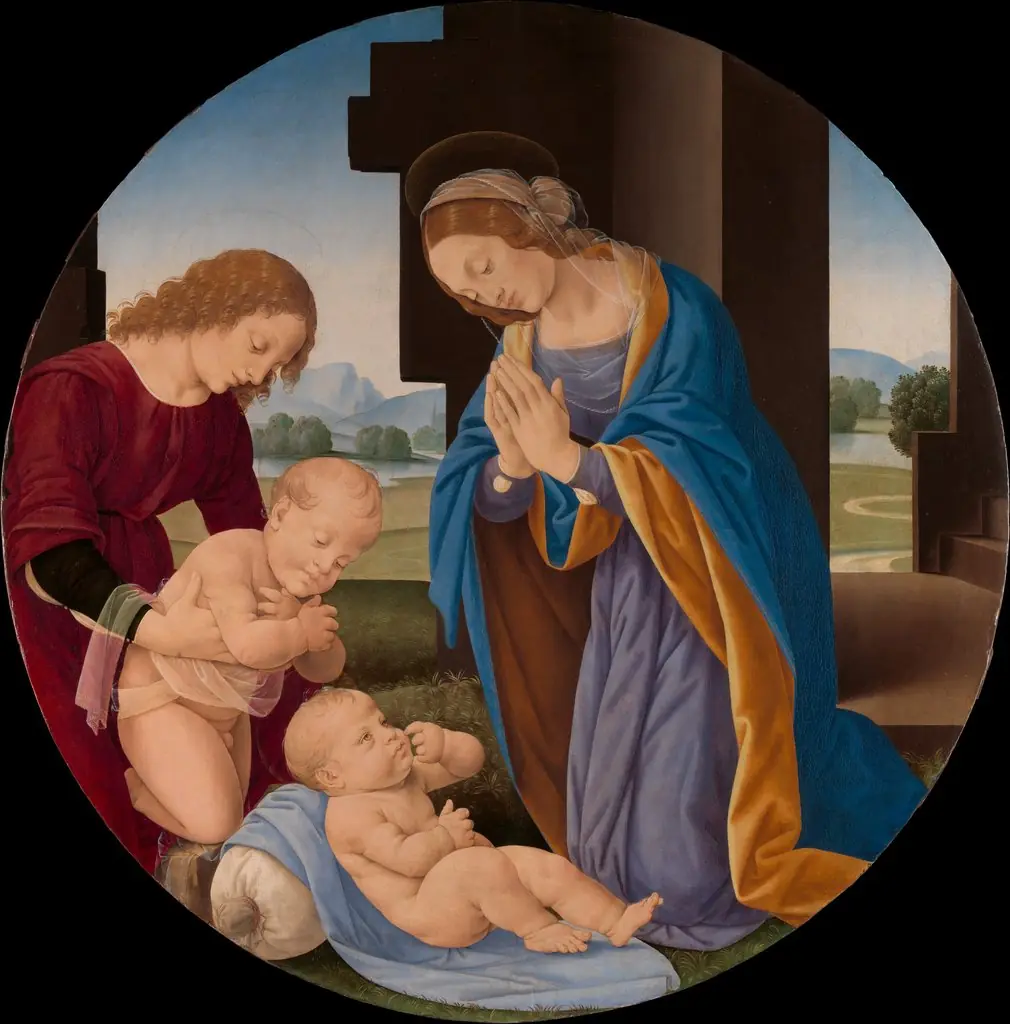
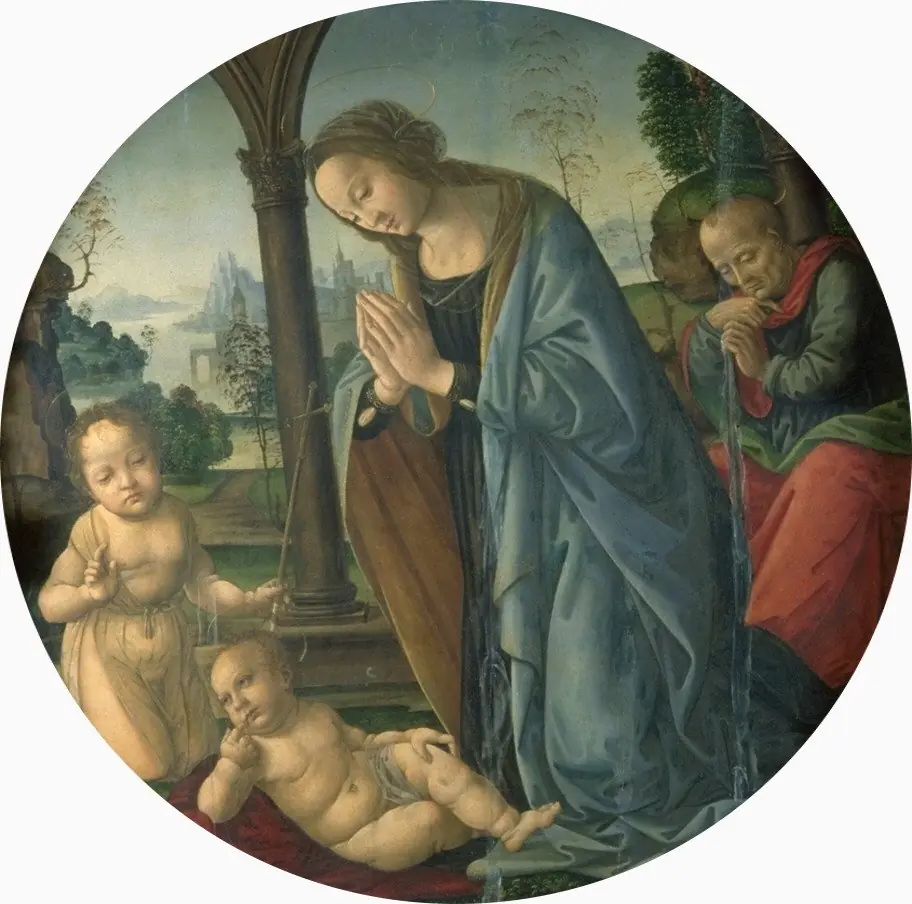
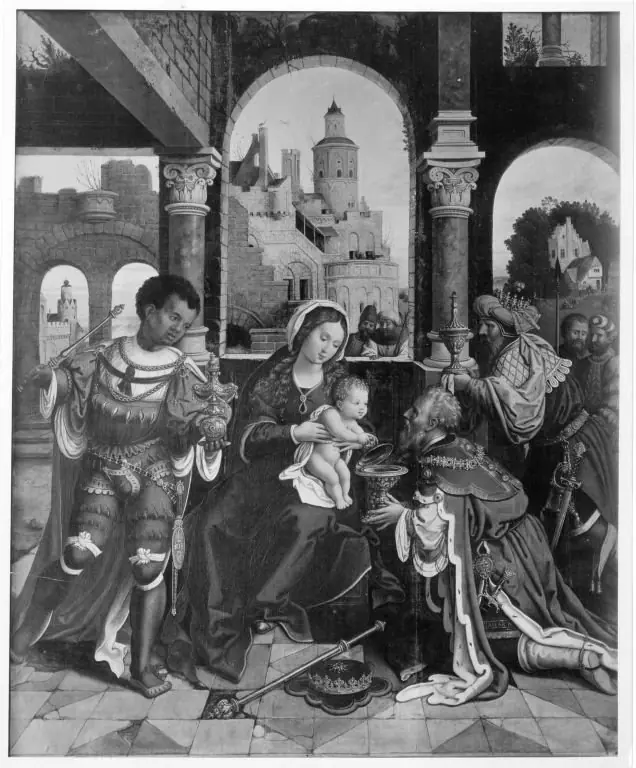
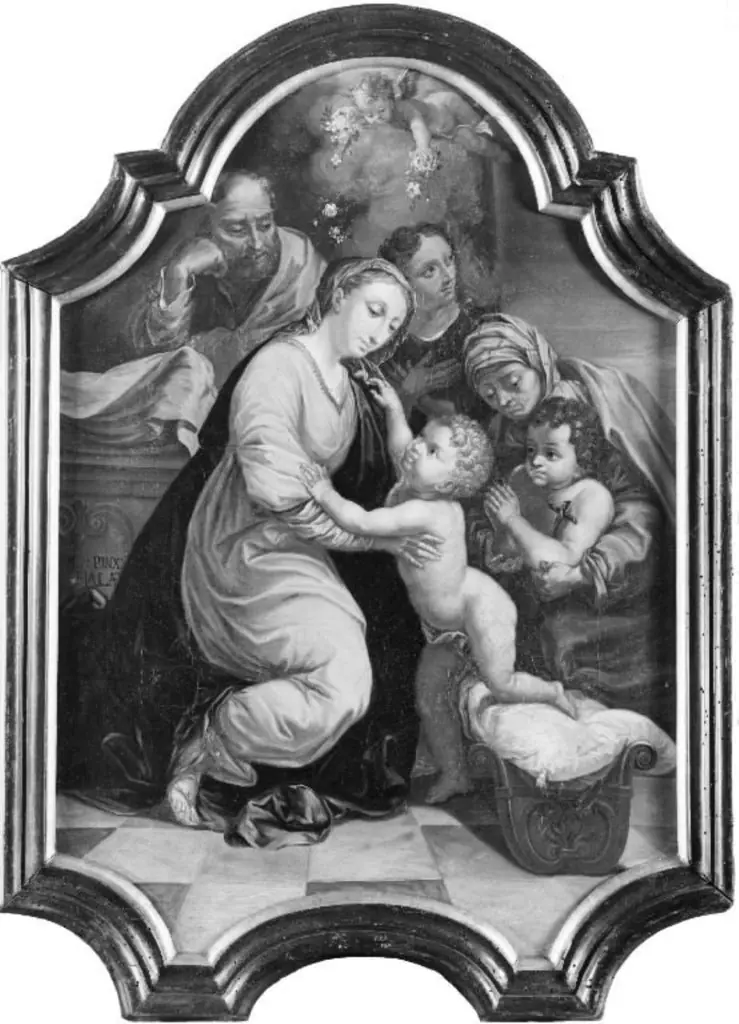
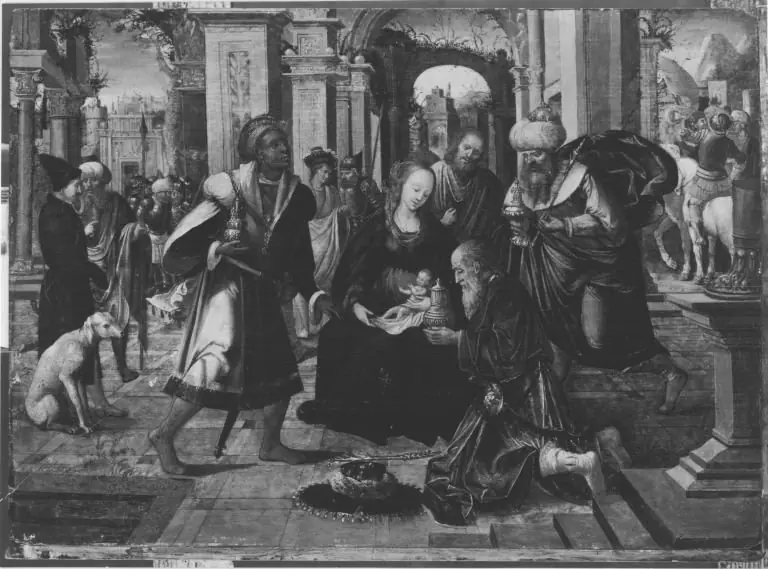
Nativity of Jesus is an oil painting by the High Renaissance artist Lorenzo di Credi. It dates from 1500 and is held in the collection of the Bavarian State Painting Collections.
About this work
Overview
Lorenzo di Credi painted the *Nativity of Jesus* circa 1500 using oil on panel, reflecting the refined aesthetic of the Florentine High Renaissance.
Lorenzo di Credi painted the *Nativity of Jesus* circa 1500 using oil on panel, reflecting the refined aesthetic of the Florentine High Renaissance. Trained in Andrea del Verrocchio’s workshop alongside Leonardo da Vinci, di Credi inherited the studio and maintained its emphasis on delicate modeling and religious subject matter. The work is now part of the Alte Pinakothek’s collection in Munich, preserved as a quiet meditation on the birth of Christ.
Subject & Meaning
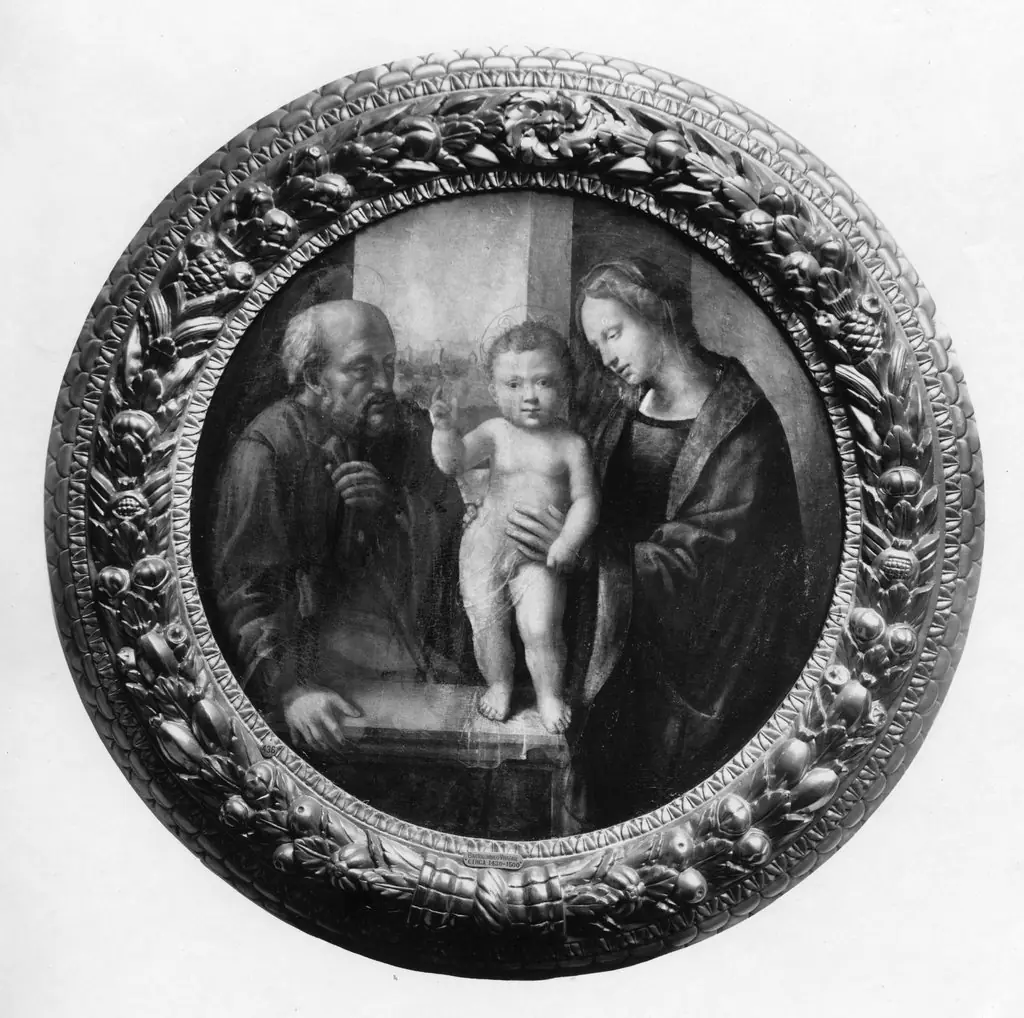
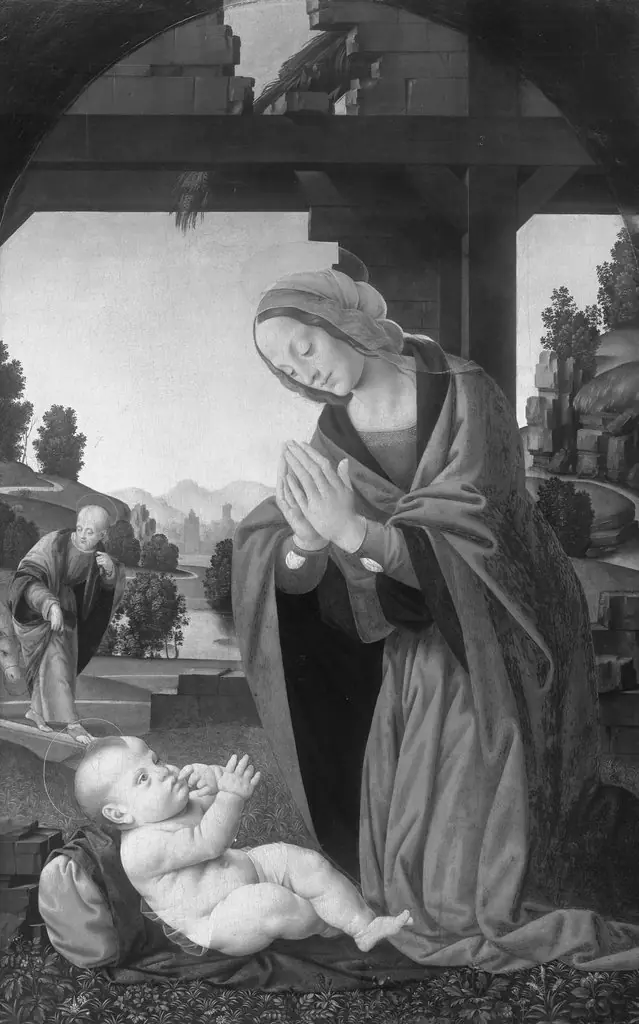
The scene centers on the infant Christ lying on a cloth, reaching toward a kneeling figure, likely Joseph, who gazes at him with solemn devotion. To the right, the Virgin Mary stands in prayer, her posture echoing the reverence of the moment. The composition avoids dramatic spectacle, instead emphasizing intimacy and contemplation. The quiet interaction between the figures underscores the spiritual weight of the Nativity, framed as a personal revelation rather than a public event.
Technique & Style
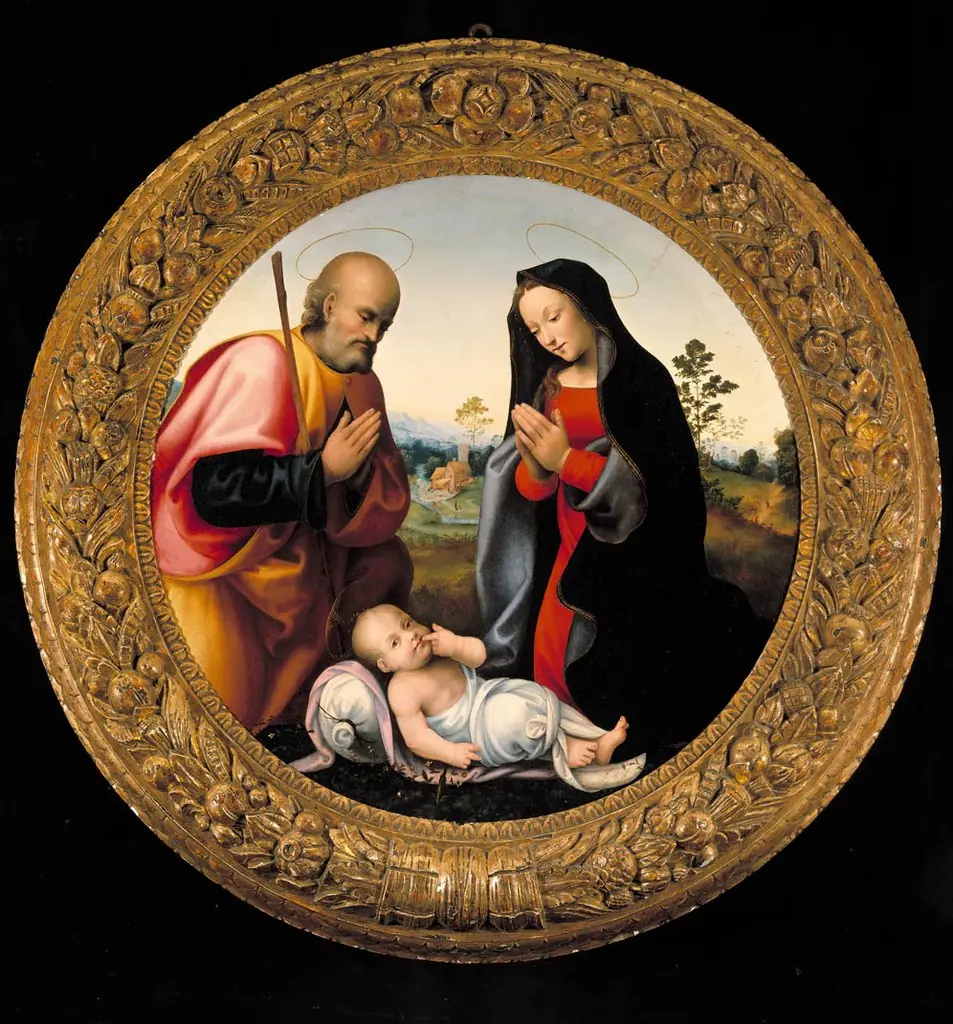
Di Credi employed smooth, incremental tonal transitions to model the figures, using chiaroscuro to define form through subtle shifts in light and shadow. The skin of the Christ Child and the folds of the garments are rendered with a soft, almost luminous precision. The background, divided by a stone wall, contrasts the enclosed sacred space with a distant landscape, enhancing depth without distraction. The round format reinforces the sense of contained reverence, focusing attention on the central figures.
History & Provenance
Created in Florence during the early 16th century, the painting likely originated as a private devotional piece, possibly commissioned by a wealthy patron or religious confraternity. It remained in Italian collections before entering the Alte Pinakothek’s holdings in the 19th century. Its preservation reflects its continued recognition as a representative work of Florentine Renaissance piety, though its early ownership records remain incomplete.
Context
Di Credi worked in a period when Florentine artists were refining naturalism through close observation and oil techniques. While Leonardo’s influence is evident in the soft modeling, di Credi’s style remained more restrained, favoring clarity and emotional stillness over dynamism. The painting aligns with contemporary devotional imagery that prioritized quiet contemplation, contrasting with the theatricality emerging in other regions of Italy.
Legacy
Though less celebrated than his contemporaries, di Credi’s *Nativity* exemplifies the quiet, disciplined approach to religious painting that sustained Florentine traditions into the High Renaissance. Its emphasis on psychological presence and refined technique influenced later devotional works, particularly in northern Italy. The painting endures as a testament to the power of restraint in sacred art, where emotional depth arises from subtlety rather than spectacle.
Artist & collection

Artist
Lorenzo di Credi (1456/59 – January 12, 1537) was an Italian Renaissance painter and sculptor best known for his paintings of religious subjects, and portraits.