Artwork
Adoration of the Magi
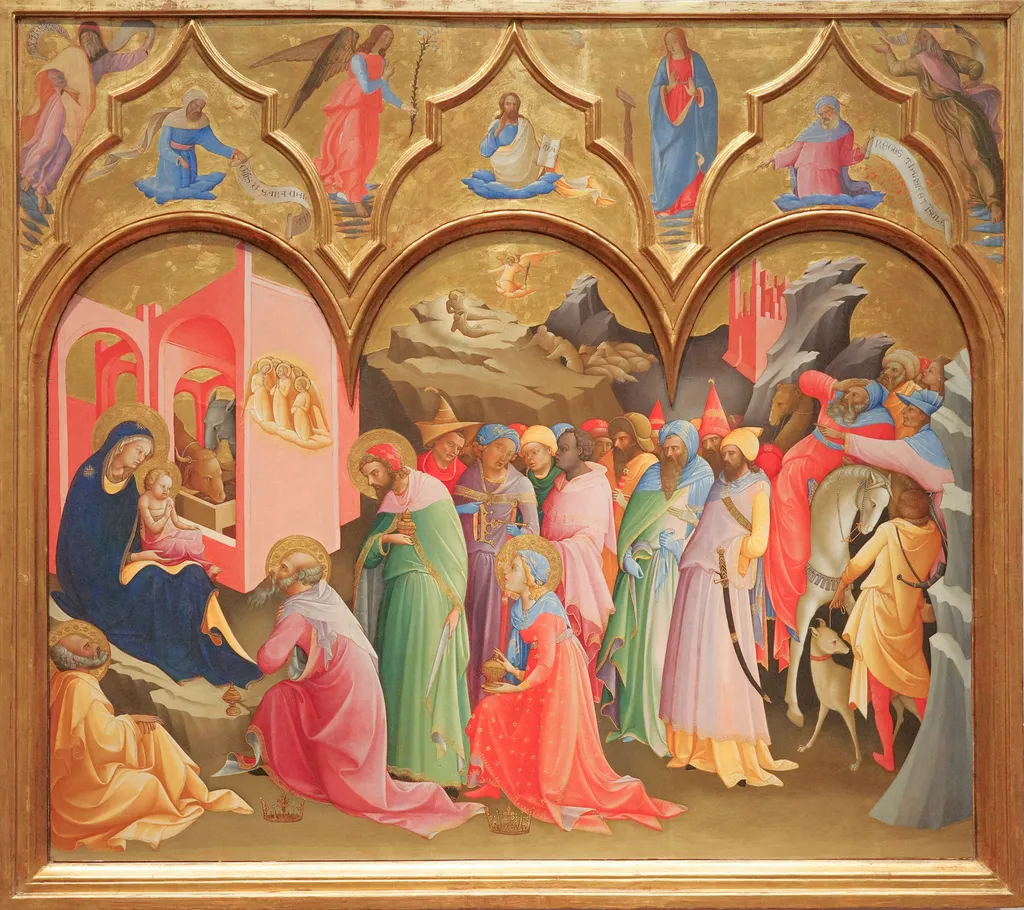
Adoration of the Magi is a tempera painting by the Early Renaissance artist Lorenzo Monaco. It dates from 1420 and is held in the collection of the Uffizi Gallery.
About this work
Overview
Lorenzo Monaco’s Adoration of the Magi, executed in tempera on wood around 1420‑1422, exemplifies the late Gothic style that flourished in Italy before the full emergence of the Renaissance. The panel, now part of the Uffizi Gallery’s collection in Florence, presents a complex, multi‑figure composition that celebrates the biblical episode of the three wise men presenting gifts to the infant Christ.
Subject & Meaning
The work depicts the traditional narrative of the Magi’s homage, with three robed travelers kneeling before a central female figure who cradles a child, symbolising the Virgin Mary and the newborn Jesus. The surrounding characters—scholars, soldiers, and attendants—form a hierarchical crowd that underscores the universal reverence for the divine infant, a theme common in devotional art of the period.
Technique & Style
Rendered in tempera, the painting achieves vivid, saturated hues of red, blue, and gold, which accentuate the richness of the scene. Monaco arranges the figures in groups of three, a compositional device that reinforces theological symbolism. Architectural elements such as pointed arches and a gilded frame create a sense of depth while maintaining the flatness typical of Gothic panel painting.
History & Provenance
Created in the early 15th century, the panel eventually entered the Uffizi’s holdings, where it has been displayed since the museum’s early acquisitions. Its preservation on a wooden support has allowed scholars to study Monaco’s transition from the International Gothic idiom toward the emerging naturalism that would dominate Florentine art in the following decades.
Artist & collection

Artist
Lorenzo Monaco was a Sienese painter and miniaturist of the late Gothic to early Renaissance age, active principally in Florence.

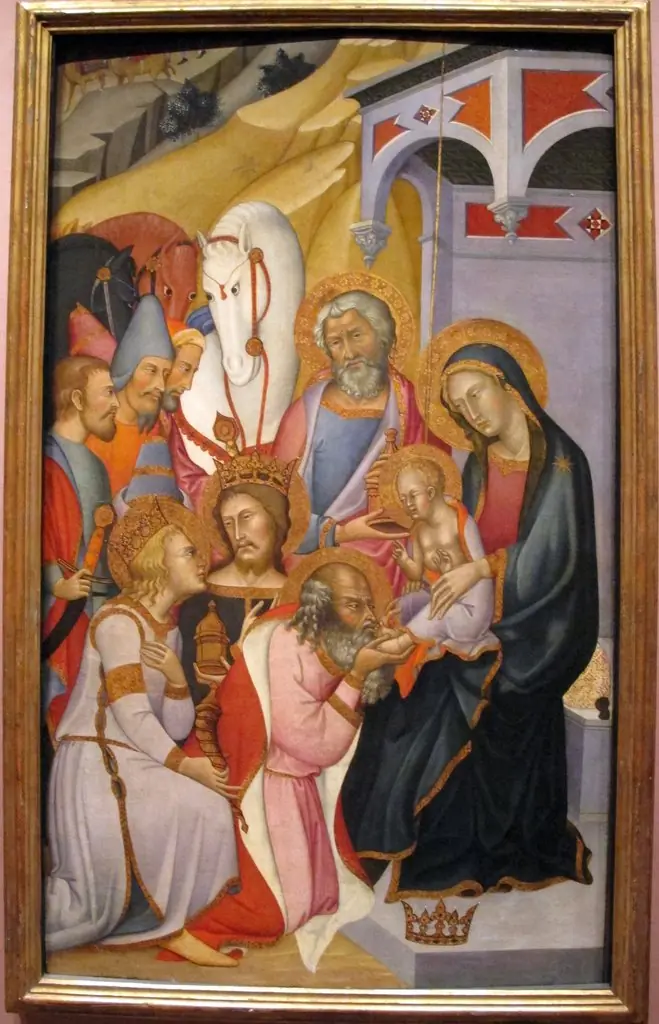 Adoration of the Magi
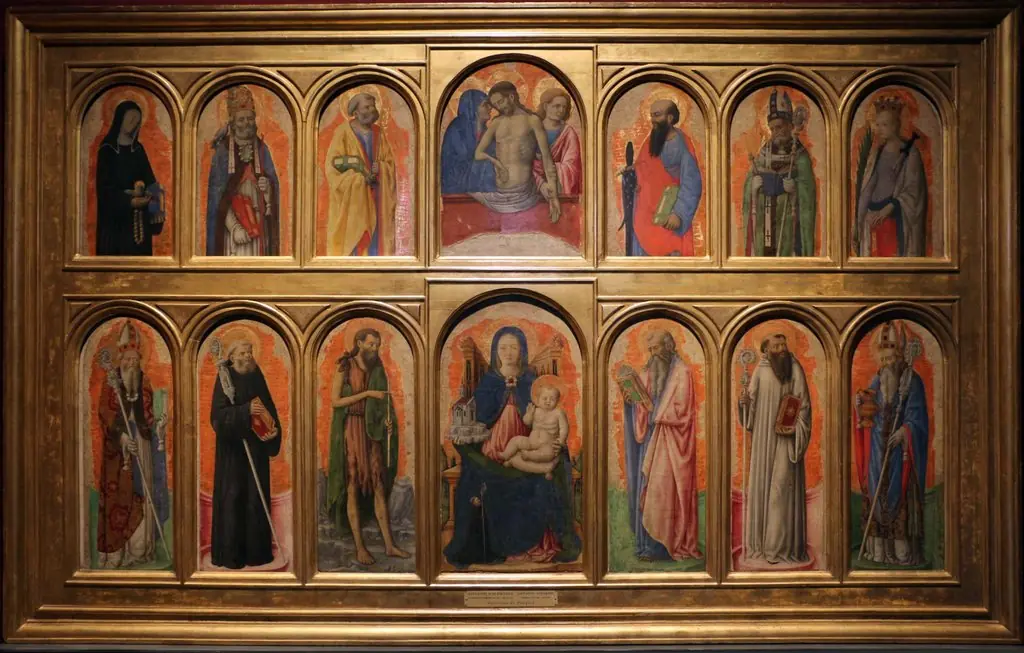 Polyptych of Praglia
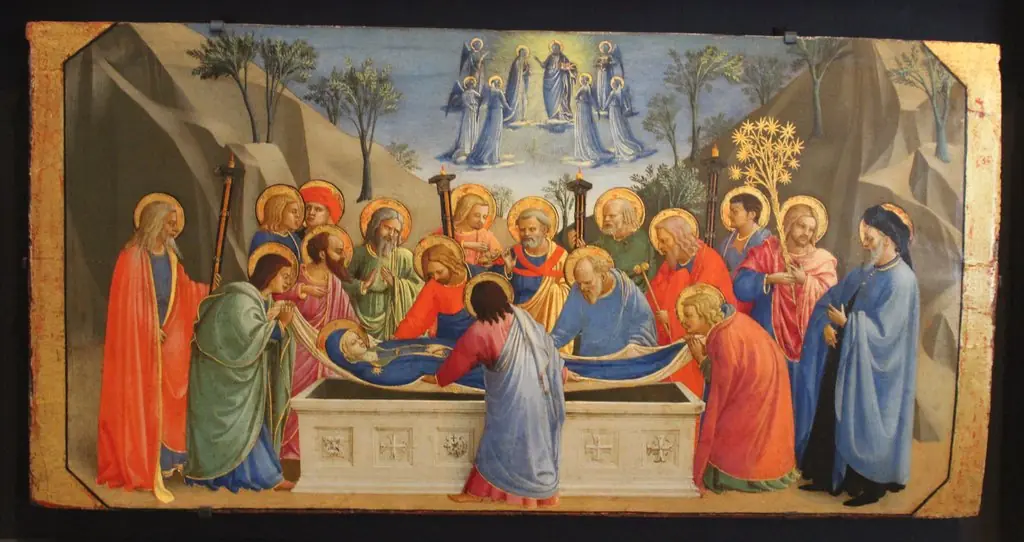 Dormition of the Virgin
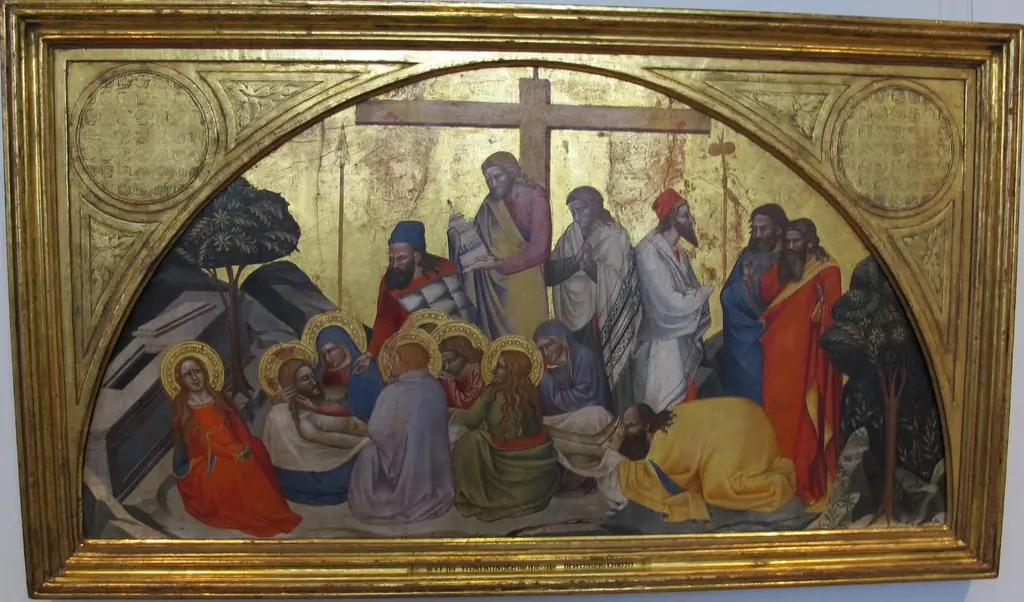 Lamentation
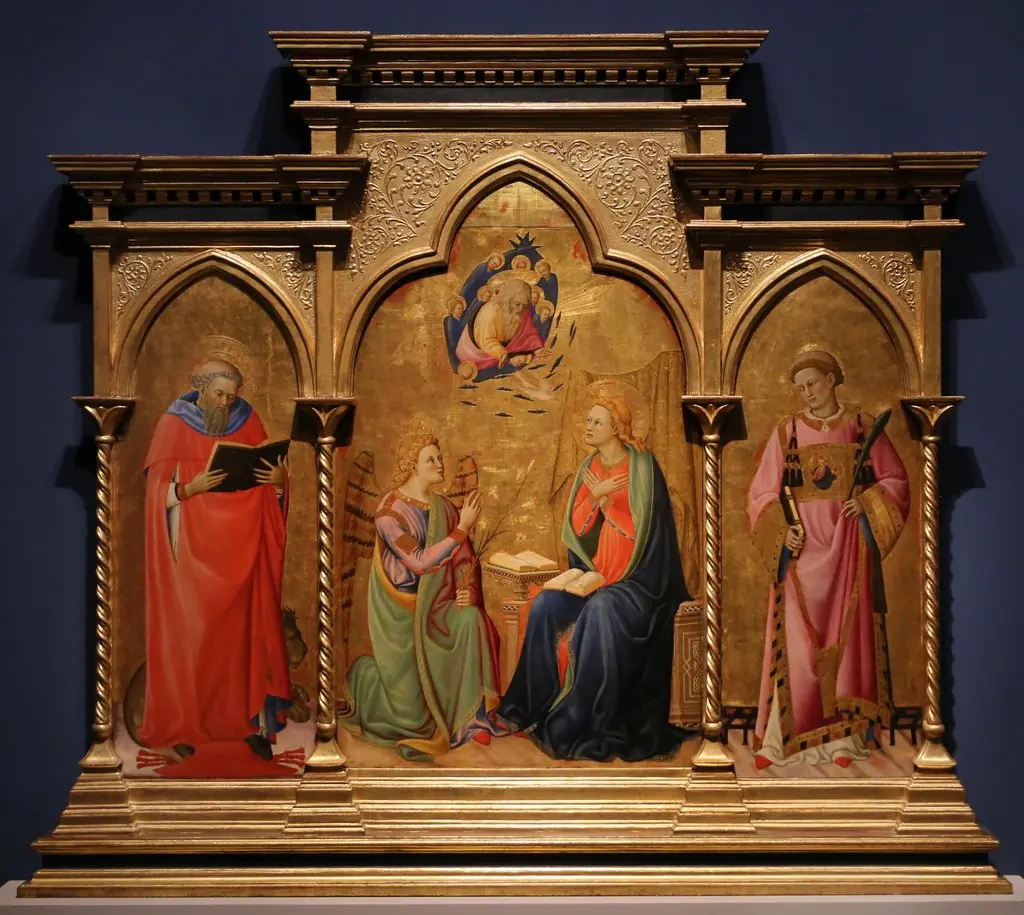 Parts of a triptych: Annunciation and saints Jerome and Lawrence
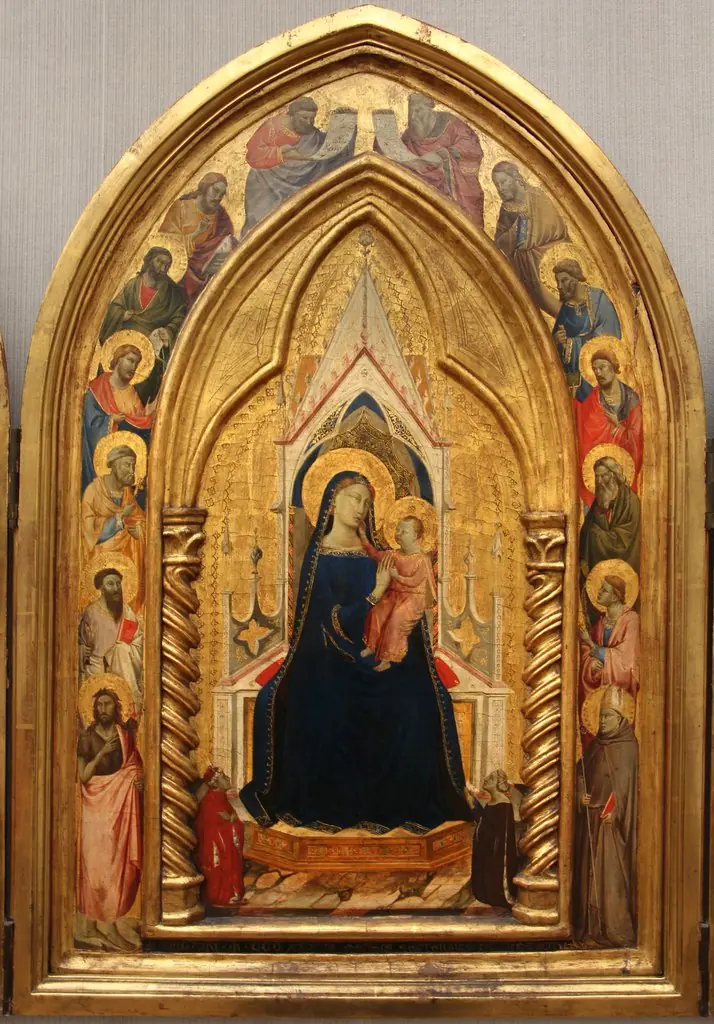 Central panel of the triptych
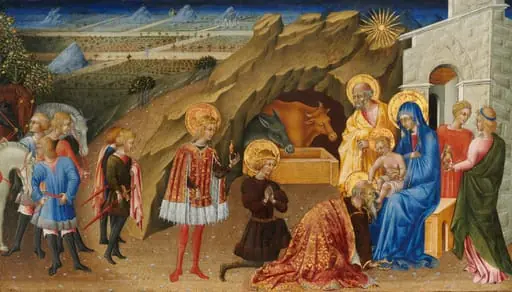 The Adoration of the Magi
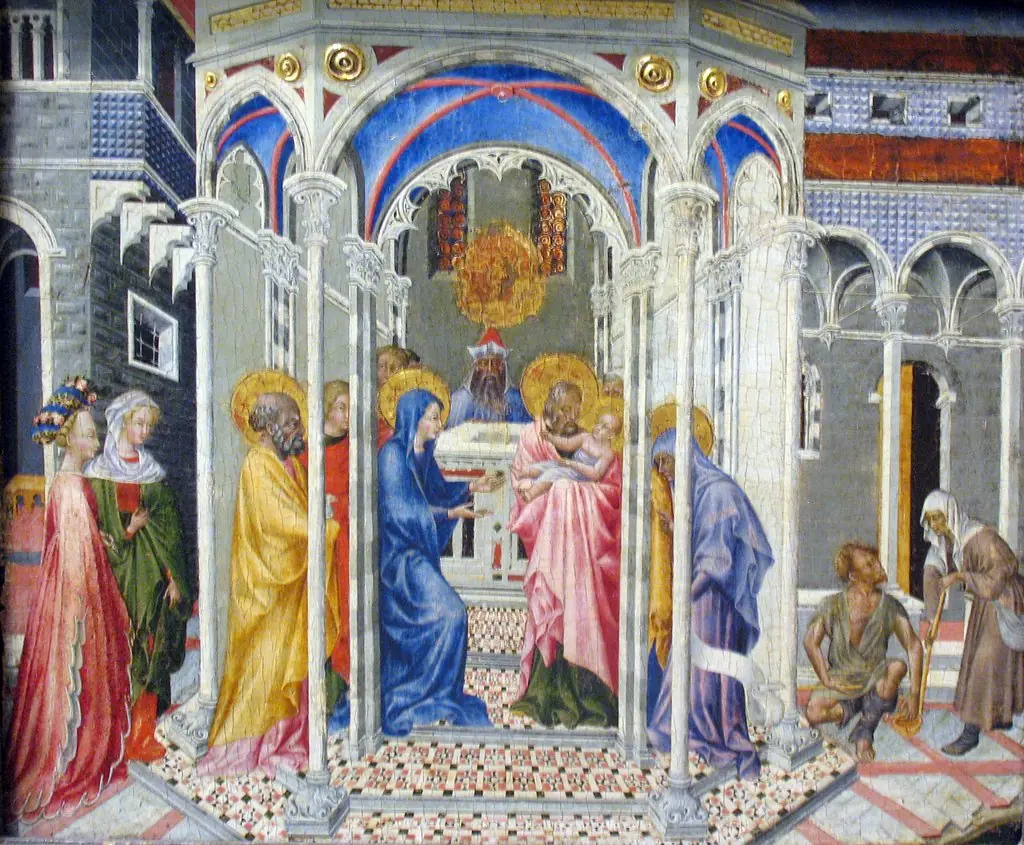 The Presentation of Christ in the Temple
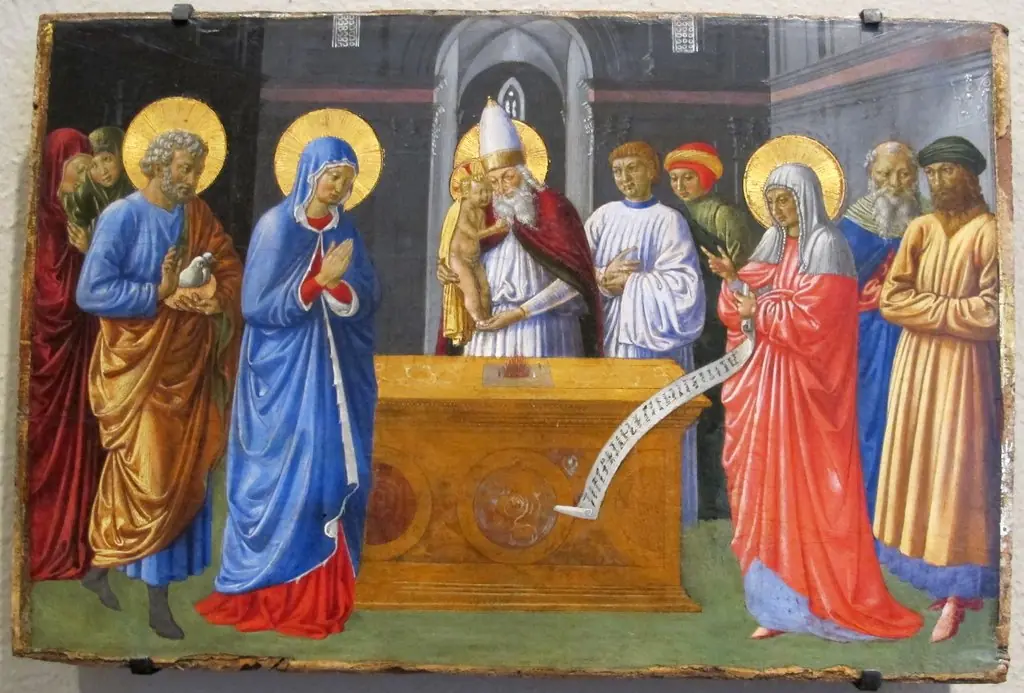 Presentation at the Temple
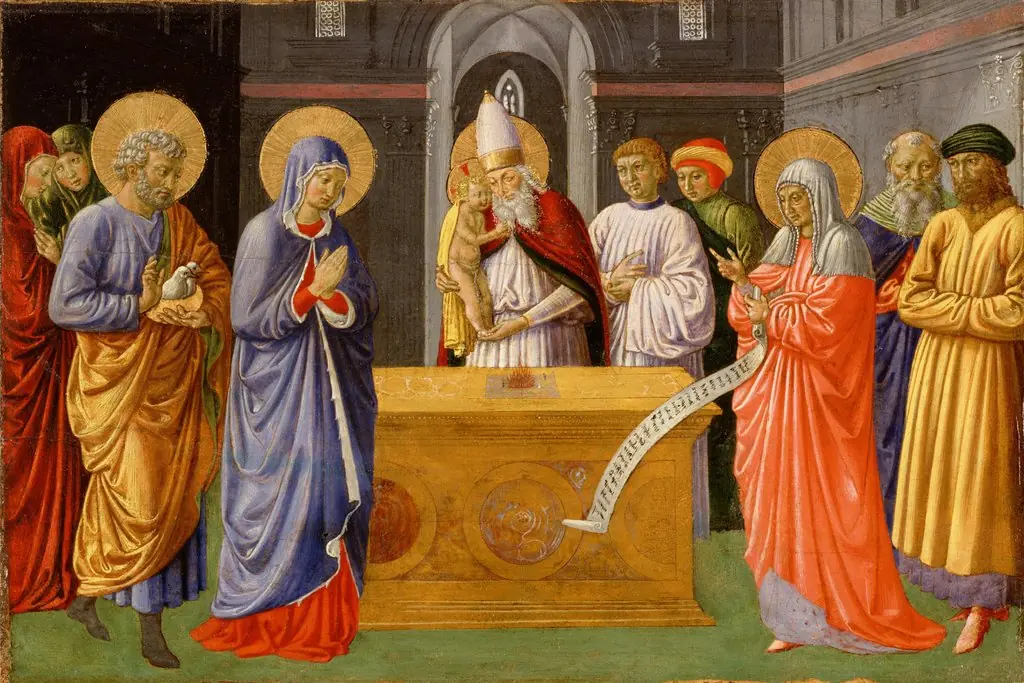 Purification of the Virgin
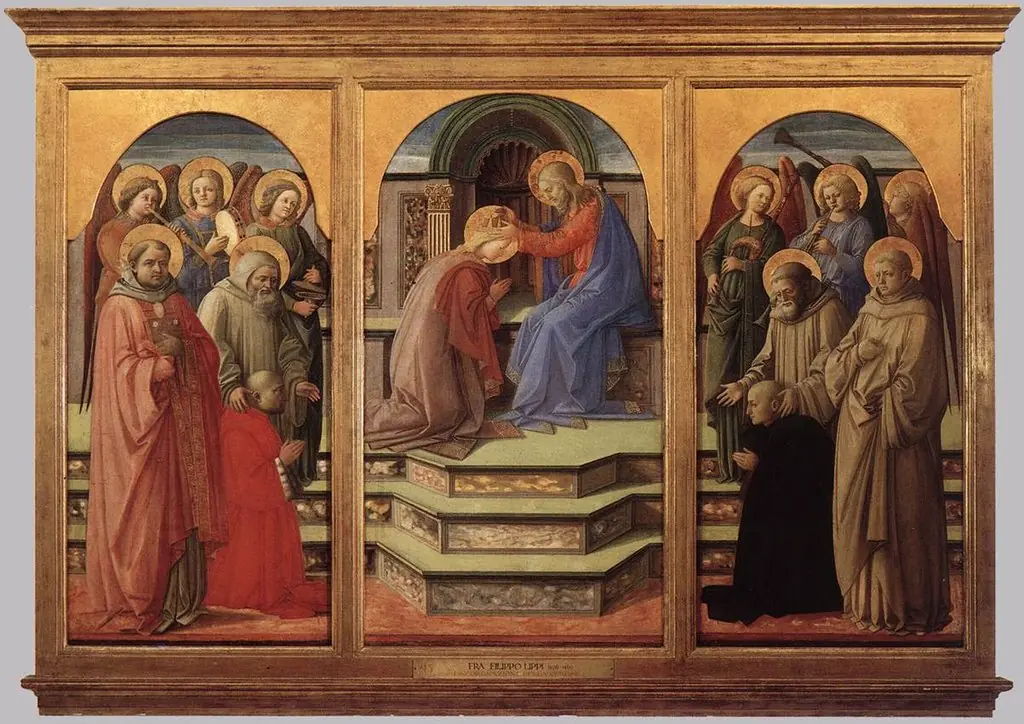 Marsuppini Coronation
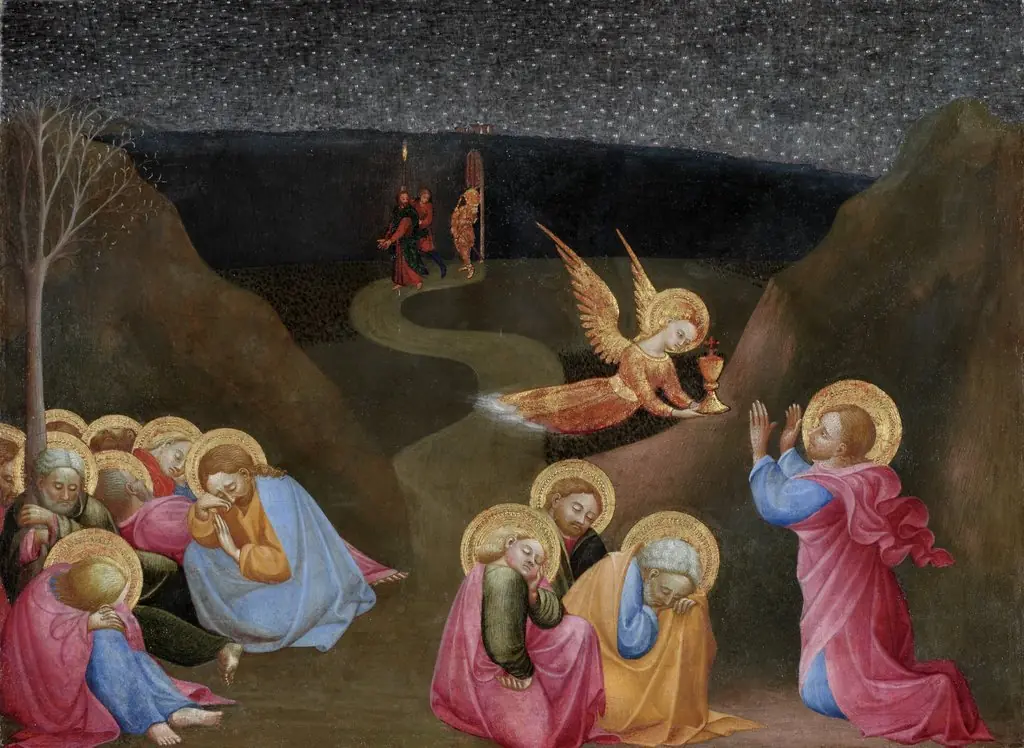 The Agony in the Garden